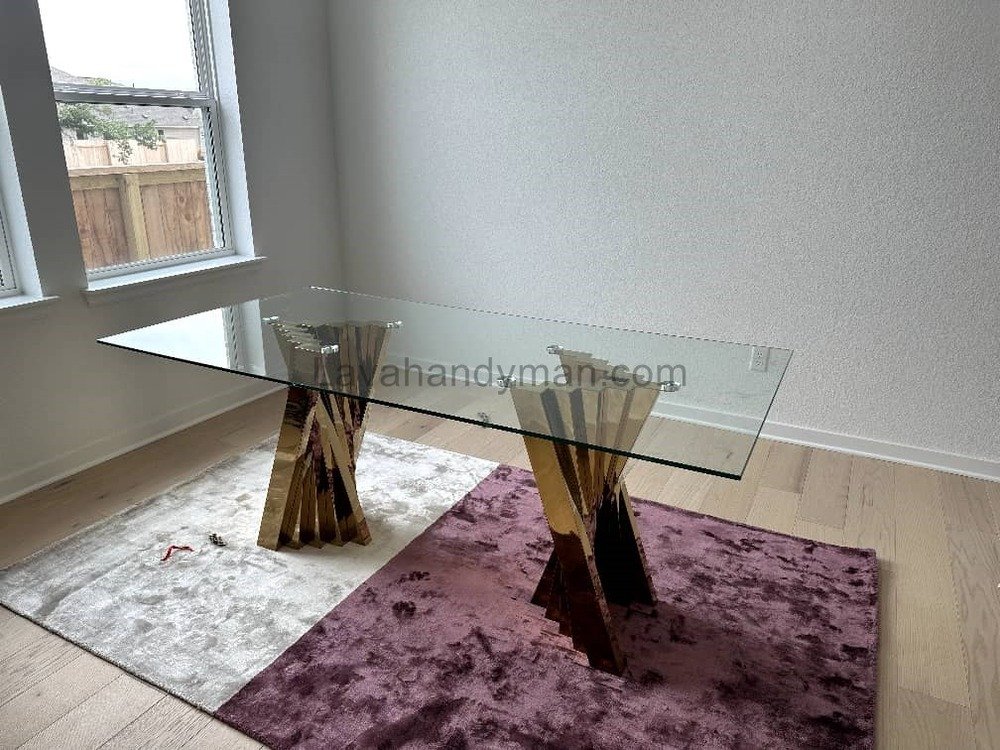
What Is Furniture Assembly and Why Is It One of the Most Important Stages in Furniture Manufacturing?
Introduction
Furniture manufacturing involves several interconnected processes, from product design and material selection to cutting, machining, drilling, edge banding, surface finishing, and final assembly. Every stage contributes to the quality, functionality, and durability of the finished product. Among these processes, furniture assembly plays a particularly important role because it transforms individual components into complete, functional, and structurally stable furniture products.
But what exactly is furniture assembly, and why is it so important in modern furniture manufacturing?
Furniture assembly is the process of joining, connecting, and installing individual furniture components according to specific technical drawings, design requirements, and manufacturing standards. These components may include wooden panels, solid wood parts, metal frames, shelves, drawers, doors, hinges, handles, screws, dowels, and specialized furniture connectors.
What Is Furniture Assembly
Although furniture assembly is often considered the final stage of production, its importance goes far beyond simply connecting different parts. The accuracy of the assembly process directly affects structural stability, product appearance, functionality, durability, manufacturing efficiency, and customer satisfaction.
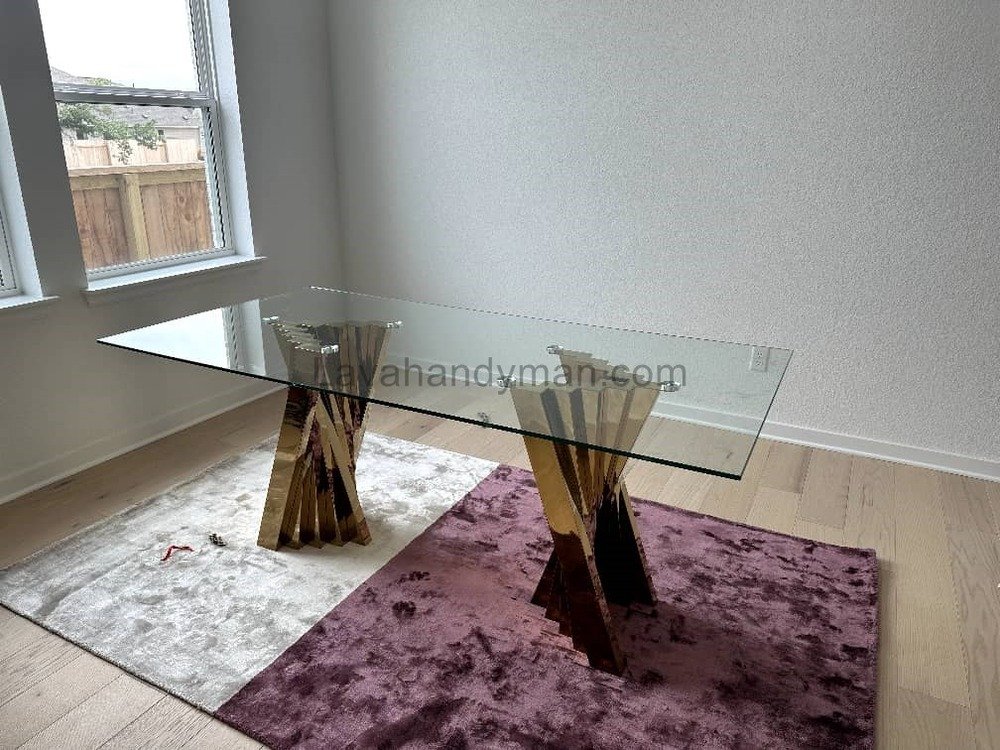
What Is Furniture Assembly
In modern furniture factories, manufacturers use different assembly techniques, specialized tools, pneumatic equipment, and automated systems to achieve consistent production quality. Choosing the right assembly method and implementing effective quality control procedures can also help reduce manufacturing costs, minimize production defects, and improve overall productivity.
In this comprehensive guide, we will explore the furniture assembly process, its main methods, commonly used connectors, essential equipment, manufacturing challenges, and the role of advanced technology in improving assembly efficiency.
1. What Is Furniture Assembly?
Furniture assembly refers to the process of connecting individual components to create a complete furniture product that meets its intended design, structural, and functional requirements.
What Is Furniture Assembly
In the furniture manufacturing industry, assembly involves several technical operations, including component positioning, alignment, fastening, joining, hardware installation, and final adjustment.
The process varies depending on the furniture category, materials, product design, and manufacturing method.
Some common furniture products that require professional assembly include:
- Residential furniture: Beds, wardrobes, dining tables, chairs, bookshelves, cabinets, and storage units.
- Office furniture: Desks, workstations, conference tables, filing cabinets, and office storage systems.
- Kitchen furniture: Kitchen cabinets, drawer systems, wall units, and modular storage components.
- Commercial furniture: Hotel furniture, restaurant tables, retail display units, and furniture used in public spaces.
- Modular furniture: Products designed with standardized components and connectors for flexible assembly and installation.
What Is Furniture Assembly
Furniture assembly can take place directly inside a manufacturing facility or at the final installation location. Traditional furniture manufacturers often assemble complete products before packaging and delivery, while manufacturers of ready-to-assemble furniture usually produce flat-packed components that customers or professional installers assemble later.
Regardless of the assembly location, the main objective is to ensure that every component is connected correctly, all hardware functions properly, and the finished furniture meets the required quality specifications.
A professional furniture assembly process requires accurate measurements, appropriate fastening methods, compatible connectors, suitable tools, and careful inspection at every important stage.
What Is Furniture Assembly
2. Why Is Furniture Assembly Important in Furniture Manufacturing?
Furniture assembly is one of the most critical stages in the furniture production process because it determines how individual components function together as a complete structure.
Even when manufacturers use premium materials and advanced production machinery, poor assembly can compromise the quality of the finished product. Loose connections, incorrectly installed hardware, misaligned components, and unsuitable fastening methods can lead to structural problems and customer complaints.
The following factors explain why proper furniture assembly is essential for successful furniture manufacturing.
What Is Furniture Assembly
2.1. Improving Structural Strength and Stability
Structural strength is one of the most important requirements in furniture manufacturing.
Furniture products are exposed to different types of mechanical forces during everyday use. Chairs support body weight, tables carry various objects, wardrobes hold heavy stored items, and drawers experience repeated opening and closing movements.
The ability of furniture to withstand these forces depends on several factors, including material properties, component dimensions, joint design, connector selection, and assembly accuracy.
What Is Furniture Assembly
For example, an improperly assembled wardrobe may become unstable because its panels are not securely connected. Similarly, a dining table with poorly fastened legs may develop movement or become unsafe over time.
Correct furniture assembly helps distribute loads between connected components and ensures that joints are suitable for their intended applications.
2.2. Enhancing Furniture Functionality
Furniture is designed to perform specific functions, and every moving or adjustable component must operate correctly.
What Is Furniture Assembly
Cabinet doors should open and close smoothly, drawers should move without excessive friction, and adjustable furniture components should remain securely positioned.
Professional assembly ensures that hinges, drawer slides, lifting mechanisms, handles, and other hardware are installed according to the manufacturer’s specifications.
For example, incorrect hinge positioning can create uneven door gaps, while poorly aligned drawer runners may cause drawers to become difficult to open or close.
Accurate installation and adjustment of furniture hardware are therefore essential for achieving reliable product performance.
What Is Furniture Assembly
2.3. Maintaining Furniture Appearance and Design Accuracy
The appearance of furniture is another important factor influenced by assembly quality.
Customers expect furniture to have consistent dimensions, properly aligned panels, uniform gaps, clean joints, and accurately installed hardware.
Assembly mistakes can result in uneven doors, visible gaps, damaged edges, protruding screws, and misaligned drawers.
These problems can negatively affect the appearance of a product, even when the original materials and manufacturing processes are of high quality.
What Is Furniture Assembly
Accurate furniture assembly helps preserve the original design and ensures that the final product meets the manufacturer’s visual quality standards.
2.4. Increasing Furniture Durability and Lifespan
Durability is a major consideration for both furniture manufacturers and customers.
Furniture products are expected to withstand repeated use, regular movement, and everyday mechanical stress.
What Is Furniture Assembly
Proper assembly contributes to long-term product performance by ensuring that components are securely connected and that suitable fastening systems are used.
For example, selecting the correct furniture connectors and installing them according to technical specifications can help reduce connection failure and premature wear.
However, furniture durability also depends on material quality, environmental conditions, manufacturing precision, maintenance, and the intended application.
2.5. Reducing Furniture Manufacturing Costs
What Is Furniture Assembly
An efficient furniture assembly process can help manufacturers control production expenses and improve profitability.
Incorrect assembly can result in additional labor, damaged components, material waste, production delays, and expensive rework.
Manufacturers can reduce these problems by standardizing assembly procedures, improving component preparation, selecting suitable connectors, and implementing regular quality inspections.
Efficient assembly workstations and appropriate production equipment can also reduce unnecessary movements and improve production speed.
What Is Furniture Assembly
As a result, a well-organized assembly system contributes to better resource utilization and more cost-effective furniture manufacturing.
3. How Does the Furniture Assembly Process Work?
The furniture assembly process consists of several stages that must be performed in the correct sequence to achieve reliable results.
Although the exact workflow varies depending on product design and manufacturing requirements, most furniture assembly operations follow a similar structure.
What Is Furniture Assembly
3.1. Furniture Component Preparation and Inspection
The first stage involves preparing all the components required for assembly.
These may include wooden panels, solid wood parts, metal frames, shelves, drawer boxes, doors, legs, and furniture hardware.
Before assembly begins, each component should be inspected to ensure that it meets the required manufacturing specifications.
Important inspection points include:
What Is Furniture Assembly
- Component length, width, and thickness.
- Accuracy of drilled holes and machining positions.
- Edge banding quality and surface finishing.
- Compatibility with the technical drawings.
- Correct component identification and labeling.
- Absence of significant cracks, chips, and visible defects.
Proper component preparation helps prevent assembly errors and reduces unnecessary interruptions during production.
3.2. Sorting and Organizing Furniture Components
What Is Furniture Assembly
After inspection, all furniture components should be organized according to their position and function.
For example, cabinet components can be separated into side panels, top panels, bottom panels, shelves, and back panels.
Furniture connectors and accessories should also be organized before assembly begins.
These may include screws, wooden dowels, cam-lock fittings, hinges, brackets, drawer runners, handles, and other hardware elements.
Organized assembly workstations make it easier for operators to identify the correct components and reduce the possibility of using incorrect fittings.
What Is Furniture Assembly
3.3. Component Positioning and Alignment
Accurate positioning is essential for high-quality furniture assembly.
Before fastening components together, operators must ensure that every part is placed in the correct orientation and aligned according to the assembly drawings.
Manufacturers commonly use measuring tools, positioning fixtures, assembly jigs, and clamping systems to maintain dimensional accuracy.
What Is Furniture Assembly
This stage is particularly important in cabinet and wardrobe manufacturing because small positioning errors can affect door alignment, drawer installation, and the overall dimensions of the finished product.
3.4. Joining and Fastening Furniture Components
Once the components are correctly positioned, they can be connected using suitable furniture joining methods.
Common fastening systems include:
- Furniture screws and bolts.
- Wooden dowels.
- Cam-lock connectors.
- Metal brackets and corner fittings.
- Adhesives and specialized bonding systems.
- Mechanical furniture fasteners.
What Is Furniture Assembly
The choice of connection method depends on the material, product design, expected mechanical loads, production requirements, and whether the furniture needs to be disassembled in the future.
Correct fastening is essential because excessive tightening can damage wood-based panels, while insufficient tightening may result in loose joints and reduced stability.
3.5. Installing Furniture Hardware and Accessories
After the main furniture structure has been assembled, functional hardware and accessories are installed or adjusted.
This stage may include:
What Is Furniture Assembly
- Installing cabinet hinges and door fittings.
- Mounting drawer slides and runners.
- Attaching handles and knobs.
- Installing adjustable furniture feet.
- Fitting shelf supports.
- Mounting lifting and opening mechanisms.
- Installing locking systems and other accessories.
All hardware should be installed according to the manufacturer’s instructions to ensure smooth operation and reliable performance.
3.6. Final Furniture Assembly Inspection
What Is Furniture Assembly
The final stage involves checking the assembled product to ensure that it meets the required quality standards.
A complete inspection may include:
- Structural stability and connection security.
- Dimensional accuracy and component alignment.
- Door and drawer functionality.
- Proper installation of furniture hardware.
- Surface condition and finishing quality.
- Overall appearance and product completeness.
What Is Furniture Assembly
Any defects identified during inspection should be corrected before packaging, storage, or delivery.
4. What Are the Different Furniture Assembly Methods?
Furniture manufacturers use different assembly methods depending on production volume, product complexity, labor availability, and investment requirements.
The most common furniture assembly methods include manual, semi-automatic, automated, and flat-pack assembly.
4.1. Manual Furniture Assembly
What Is Furniture Assembly
Manual furniture assembly is performed mainly by trained operators using hand tools and portable power tools.
Common equipment includes screwdrivers, drills, Allen keys, hammers, measuring instruments, clamps, and specialized installation tools.
This method is particularly suitable for customized furniture, small production batches, complex designs, and products that require frequent adjustments.
The main advantage of manual assembly is flexibility. Skilled workers can handle different product designs and perform operations that may be difficult to automate.
What Is Furniture Assembly
However, manual assembly can require more labor time and may produce inconsistent results without standardized procedures and appropriate employee training.
4.2. Semi-Automatic Furniture Assembly
Semi-automatic furniture assembly combines manual operations with specialized machinery and equipment.
For example, workers may position furniture panels manually while using pneumatic fastening tools, assembly presses, drilling equipment, and dedicated fixtures to complete specific operations.
What Is Furniture Assembly
This approach helps manufacturers improve productivity and maintain consistent assembly quality without investing in a fully automated production line.
Semi-automatic systems are suitable for furniture factories that manufacture different product models but still require higher production efficiency.
4.3. Automated Furniture Assembly
Automated furniture assembly uses programmed machinery and integrated production systems to perform selected assembly operations with limited manual intervention.
What Is Furniture Assembly
Depending on the production setup, automated equipment may perform component positioning, drilling, fastening, pressing, and hardware installation.
Automation offers several advantages:
- Improved production consistency.
- Reduced dependence on repetitive manual operations.
- Better control over selected assembly parameters.
- Increased production capacity.
- Improved process repeatability.
However, automated furniture assembly systems require investment in equipment, maintenance, programming, and technical support.
What Is Furniture Assembly
They are particularly useful for manufacturers with standardized products and production volumes that justify automation.
4.4. Flat-Pack Furniture Assembly
Flat-pack furniture is manufactured and packaged as separate components to reduce transportation and storage requirements.
The furniture is assembled at the customer’s location or by a professional installation team.
This manufacturing approach is widely used for wardrobes, bookshelves, desks, cabinets, and modular storage systems.
What Is Furniture Assembly
Flat-pack furniture usually relies on standardized connectors, including cam-lock fittings, screws, dowels, and other mechanical fastening systems.
The quality of flat-pack furniture depends heavily on accurate component manufacturing, clear assembly instructions, compatible hardware, and easy-to-use connection systems.
5. Common Furniture Connectors and Fastening Systems
Furniture connectors play an essential role in the furniture assembly process because they determine how individual components are joined and secured.
What Is Furniture Assembly
Different materials, furniture designs, and structural requirements need different types of fasteners.
5.1. Furniture Screws
Furniture screws are among the most widely used fastening elements in furniture manufacturing.
They are used to connect wooden panels, attach hardware, secure brackets, and install different furniture components.
The correct screw type should be selected according to material properties, panel thickness, thread design, diameter, and required connection strength.
What Is Furniture Assembly
Using unsuitable screws can cause splitting, damaged surfaces, stripped threads, or weak connections.
5.2. Wooden Dowels
Wooden dowels are cylindrical connectors inserted into matching holes in furniture components.
They are commonly used in solid wood furniture, cabinet manufacturing, and engineered wood panel construction.
Dowels help maintain component alignment and can provide additional strength when combined with suitable adhesives.
What Is Furniture Assembly
Accurate drilling is essential to ensure that dowel holes match correctly and that connected components remain properly aligned.
5.3. Cam-Lock Furniture Connectors
Cam-lock connectors are widely used in modular and ready-to-assemble furniture.
A typical cam-lock system consists of a cam fitting and a connecting bolt or dowel.
What Is Furniture Assembly
When the cam is rotated, it engages with the connecting element and pulls the furniture panels together.
These connectors make assembly and disassembly relatively straightforward, which makes them particularly useful for flat-pack furniture and modular cabinet systems.
5.4. Bolts and Nuts
Bolts and nuts are mechanical fasteners commonly used in furniture containing metal frames, heavy-duty structures, and components requiring removable connections.
What Is Furniture Assembly
They provide reliable fastening when correctly selected and installed.
Their specifications should be based on expected loads, material thickness, connection design, and the required level of strength.
5.5. Furniture Brackets and Corner Connectors
Furniture brackets and corner connectors are used to reinforce joints and connect components at different angles.
They are frequently found in cabinets, shelving systems, tables, and modular furniture.
Their effectiveness depends on suitable positioning, correct fastener selection, and compatibility with the connected materials.
What Is Furniture Assembly
5.6. Furniture Adhesives and Glued Joints
Adhesives are commonly used in furniture manufacturing, especially in solid wood construction, dowel joints, and selected engineered wood applications.
They can create strong connections when the adhesive type, surface preparation, application conditions, and curing time are appropriate.
In many applications, adhesives are combined with mechanical fasteners or clamping systems to maintain accurate component positioning during the bonding process.
What Is Furniture Assembly
6. Essential Furniture Assembly Tools and Equipment
What Is Furniture Assembly
What Is Furniture Assembly
Choosing the right furniture assembly equipment is essential for improving manufacturing efficiency, maintaining accuracy, and reducing production errors.
Depending on the assembly method and production requirements, furniture factories may use a wide range of tools and machines.
Power Drills and Screwdrivers
Power drills and screwdrivers are used for drilling holes and installing screws, bolts, and other mechanical fasteners.
They are essential tools in both manual and industrial furniture assembly operations.
Pneumatic Assembly Tools
What Is Furniture Assembly
Pneumatic tools use compressed air to perform fastening and other repetitive operations.
They can help improve working speed and reduce physical effort in suitable production environments.
Furniture Assembly Jigs and Fixtures
Assembly jigs and fixtures help position and hold furniture components accurately during assembly.
They are particularly useful for repetitive manufacturing operations where consistent alignment is essential.
Clamps and Assembly Presses
Clamps hold components securely while mechanical connections are completed or adhesives are curing.
What Is Furniture Assembly
Assembly presses are used in selected manufacturing applications to apply controlled pressure during joining and fitting operations.
Measuring and Alignment Tools
Measuring instruments, rulers, squares, levels, and precision gauges help operators verify dimensions and maintain correct component positioning.
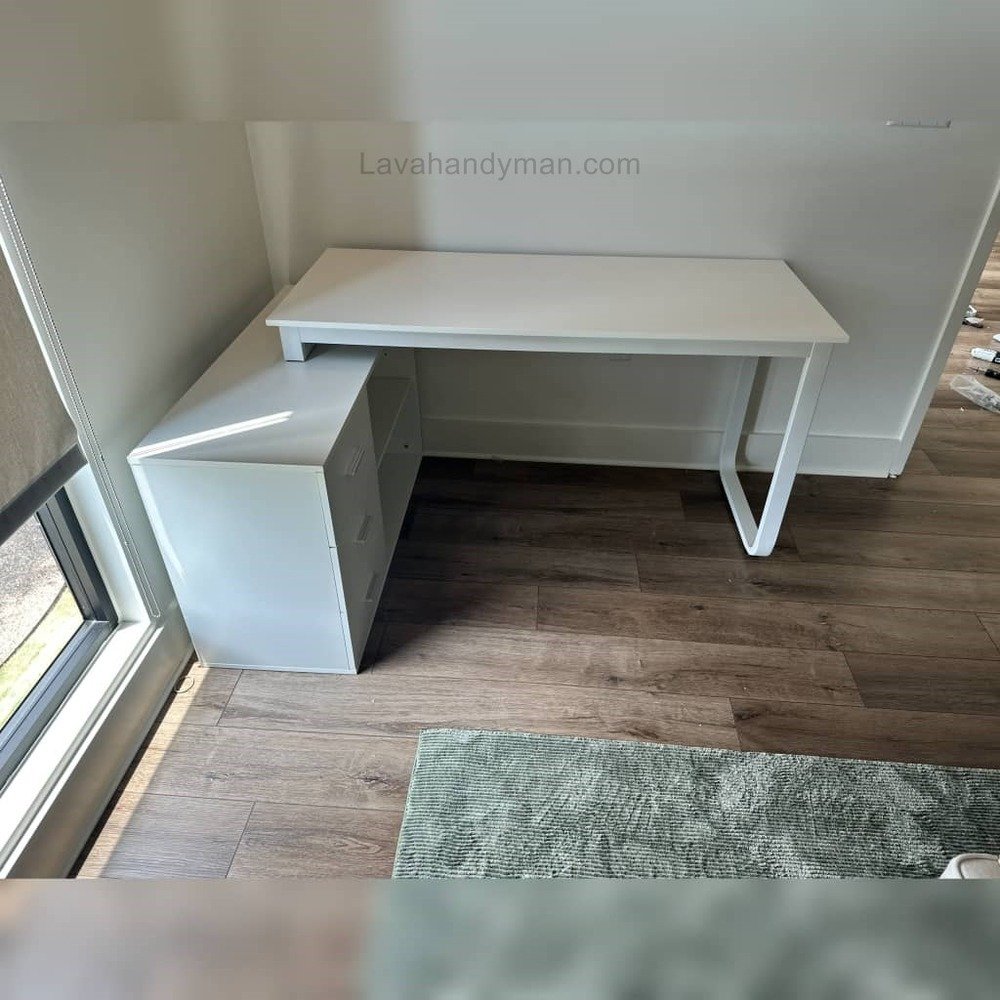
Hardware Installation Equipment
What Is Furniture Assembly
Specialized installation tools are used to mount hinges, drawer slides, handles, connectors, and other furniture accessories.
Quality Inspection Equipment
Inspection tools help manufacturers evaluate dimensions, alignment, surface condition, and selected structural or functional properties.
The selection of furniture assembly equipment should depend on product complexity, production volume, material characteristics, and required manufacturing tolerances.
What Is Furniture Assembly
7. The Role of Quality Control in Furniture Assembly
Furniture assembly quality control is essential for ensuring that finished products meet design specifications and customer expectations.
A reliable inspection system should be implemented throughout the manufacturing process rather than depending only on final product inspection.
Several important factors should be evaluated.
Structural Stability
The assembled furniture should remain stable under its intended conditions of use.
Connections must be appropriately secured, and the product should not exhibit unacceptable movement or instability.
Dimensional Accuracy
The overall dimensions and component positions should match the approved technical drawings and manufacturing specifications.
Incorrect dimensions can create installation problems, particularly in modular furniture and fitted cabinets.
Hardware Functionality
Doors, drawers, hinges, slides, and adjustable mechanisms should operate smoothly.
Inspection should identify unusual friction, loose fittings, incorrect positioning, and other functional defects.
Surface Protection
Assembly operations should not damage decorative laminates, veneer, painted surfaces, edge banding, or other finished areas.
Suitable handling procedures and protective materials can help prevent scratches, dents, and surface damage.
Connection Reliability
Furniture connectors and fastening systems must be suitable for their intended applications and installed according to technical requirements.
Depending on the product category, manufacturers may also conduct appropriate durability, stability, or mechanical performance tests.
8. Common Furniture Assembly Problems and How to Prevent Them
Even with modern machinery and advanced manufacturing systems, furniture assembly can involve different technical challenges.
Identifying these problems early helps manufacturers improve product quality and reduce unnecessary production costs.
Incorrect Furniture Component Dimensions
Dimensional inconsistencies can make it difficult to connect components correctly.
Differences in panel thickness, drilling positions, or machining accuracy may result in gaps, misalignment, or difficult assembly operations.
Manufacturers can reduce these problems by maintaining accurate machining tolerances and inspecting components before assembly.
Misaligned Furniture Connections
Incorrectly positioned connectors can create uneven joints and structural problems.
Using accurate drilling templates, assembly jigs, and positioning fixtures can help prevent these defects.
Incorrect Hardware Selection
Using unsuitable screws, hinges, brackets, or connectors may compromise the performance and durability of furniture.
Manufacturers should establish clear hardware specifications and ensure that each component is matched with the correct accessories.
Over-Tightening and Under-Tightening
Fasteners must be tightened according to their technical requirements.
Over-tightening can damage threads or crush wood-based panels, while under-tightening may result in loose connections.
Torque-controlled tools can help improve fastening consistency where required.
Insufficient Employee Training
Furniture assembly requires practical experience and knowledge of materials, connectors, equipment, and installation techniques.
Regular training and clear work instructions help reduce operator errors and improve production consistency.
Poor Assembly Workstation Organization
Missing components, disorganized tools, unclear instructions, and inefficient material handling can slow down assembly operations.
A well-organized workstation helps reduce unnecessary movement, waiting time, and assembly mistakes.
9. How Technology Is Improving Modern Furniture Assembly
Technology is transforming the furniture manufacturing industry by improving component accuracy, production efficiency, and assembly consistency.
Modern furniture factories increasingly use digital design software, CNC machinery, automated fastening equipment, robotics, and integrated production management systems.
CAD Software in Furniture Design
Computer-Aided Design (CAD) software allows designers and engineers to create detailed furniture models, define component dimensions, and plan connection positions before manufacturing begins.
Accurate digital designs help reduce engineering errors and improve communication between design and production departments.
CNC Machines in Furniture Manufacturing
Computer Numerical Control (CNC) machines are widely used for cutting, drilling, routing, and machining furniture components.
They can produce accurate holes, grooves, and connection positions that support more efficient furniture assembly.
Consistent component machining also helps reduce alignment problems during production.
Automated Furniture Assembly Equipment
Automated assembly systems use specialized machinery to perform repetitive operations such as positioning, fastening, pressing, and selected hardware installation tasks.
These systems can improve production repeatability and reduce dependence on repetitive manual work.
Robotics and Smart Manufacturing
Robotics and machine vision systems are increasingly being used in selected furniture manufacturing applications.
Depending on the production setup, these technologies can support component handling, positioning, inspection, and repetitive assembly operations.
Digital production management systems can also help manufacturers monitor production progress, component availability, and quality performance.
Although not every furniture manufacturer requires advanced automation, selecting suitable technologies can improve productivity and support consistent manufacturing quality.
10. How Furniture Design Affects Assembly Efficiency
Efficient furniture assembly begins during the product design and engineering stages.
Furniture products should be designed not only for appearance and functionality but also for manufacturing, assembly, transportation, installation, and maintenance.
This approach is commonly associated with Design for Assembly (DFA), an engineering method that focuses on simplifying product assembly during the design process.
DFA principles encourage designers to:
- Reduce unnecessary components.
- Standardize furniture connectors and hardware.
- Minimize complex assembly operations.
- Improve access to connection points.
- Reduce the number of specialized tools required.
- Simplify component positioning and alignment.
- Design modular components with compatible connections.
For example, using standardized connectors across different cabinet models can simplify inventory management and reduce the risk of hardware selection errors.
Similarly, designing furniture components with accessible connection points can make installation faster and reduce assembly complexity.
In modular furniture manufacturing, standardized dimensions and compatible connection systems are particularly important because they allow different furniture units to be combined efficiently.
Considering assembly requirements during the design stage can therefore reduce manufacturing complexity and improve overall production efficiency.
11. How to Improve Furniture Assembly Efficiency and Reduce Manufacturing Costs
Manufacturing efficiency is a major priority for furniture companies operating in competitive markets.
An inefficient assembly process can increase production time, labor requirements, material waste, and quality control expenses.
Manufacturers can improve furniture assembly efficiency through several practical strategies.
Standardize Assembly Procedures
Creating clear and standardized work instructions helps operators follow consistent assembly sequences across different production batches.
Optimize Assembly Workstations
Organizing components, hardware, tools, and equipment within easy reach reduces unnecessary movement and improves workflow.
Select Appropriate Furniture Connectors
Choosing suitable fastening systems for each product helps improve connection reliability and reduces assembly complications.
Invest in Suitable Assembly Equipment
Appropriate machinery, pneumatic tools, fixtures, and specialized equipment can improve production speed and consistency.
Train Furniture Assembly Operators
Skilled employees are essential for accurate assembly, proper equipment operation, and effective problem-solving.
Implement Continuous Quality Control
Regular inspections help identify defects early and reduce the need for expensive rework.
Monitor Production Performance
Manufacturers should evaluate assembly time, defect rates, labor productivity, and material waste to identify opportunities for improvement.
An effective furniture assembly strategy should consider the entire production workflow rather than focusing exclusively on the time required to connect individual components.
12. Why Professional Furniture Assembly Matters for Customer Satisfaction
Furniture assembly quality has a direct impact on the customer experience.
Customers expect furniture to be stable, visually attractive, functional, and suitable for everyday use.
Even relatively small assembly defects can create a negative impression and reduce confidence in a furniture brand.
For example, a wardrobe with misaligned doors, a desk with unstable legs, or a drawer that does not slide properly may lead customers to question the overall product quality.
Professional furniture assembly helps ensure that products meet their intended design and functional requirements.
For manufacturers of ready-to-assemble furniture, clear instructions and user-friendly connection systems are particularly important.
Assembly instructions should include:
- Accurate component identification.
- Clear diagrams and illustrations.
- Correct hardware specifications.
- A logical assembly sequence.
- Appropriate fastening instructions.
- Relevant safety recommendations.
For complex furniture products, professional installation services can further improve the customer experience by ensuring that all components are assembled and adjusted correctly.
Consistent assembly quality contributes to customer trust, positive reviews, repeat purchases, and long-term brand reputation.
13. Best Practices for Achieving High-Quality Furniture Assembly
Achieving consistent furniture assembly quality requires a structured manufacturing process supported by suitable equipment, trained employees, and effective quality management.
The following best practices can help furniture manufacturers improve their assembly operations.
Follow Approved Technical Drawings: Every assembly operation should follow the latest engineering drawings and product specifications.
Inspect Components Before Assembly: Check dimensions, drilling positions, surface condition, and hardware compatibility before starting the process.
Use Suitable Assembly Tools: Select equipment according to the materials, fastening systems, and required precision.
Maintain Accurate Component Alignment: Use measuring instruments, fixtures, and positioning systems to ensure that furniture parts are correctly aligned.
Apply Correct Fastening Procedures: Follow the technical requirements for each screw, connector, and fastening system.
Protect Finished Surfaces: Use suitable handling methods and protective materials to prevent scratches and other damage.
Train Assembly Operators: Ensure that employees understand the assembly sequence, equipment requirements, safety procedures, and quality standards.
Implement Regular Quality Inspections: Inspect components during assembly and perform final checks before packaging and delivery.
Monitor and Improve Production Processes: Evaluate defect rates, assembly time, and customer feedback to identify areas that need improvement.
By implementing these practices, furniture manufacturers can establish more reliable assembly processes and achieve consistent production results.
14. Frequently Asked Questions About Furniture Assembly
What Is Furniture Assembly?
Furniture assembly is the process of connecting individual furniture components, including panels, frames, connectors, hinges, and other hardware, to create a complete and functional furniture product.
Why Is Furniture Assembly Important in Manufacturing?
Furniture assembly is important because it affects structural strength, product stability, functionality, appearance, durability, and manufacturing quality. Proper assembly also helps reduce production errors and unnecessary costs.
What Are the Main Types of Furniture Assembly?
The main furniture assembly methods include manual assembly, semi-automatic assembly, automated assembly, and flat-pack furniture assembly. Each method is suitable for different production volumes and furniture designs.
What Equipment Is Used for Furniture Assembly?
Common furniture assembly equipment includes power drills, screwdrivers, pneumatic tools, assembly jigs, clamps, measuring instruments, fastening equipment, and specialized hardware installation tools.
What Are the Most Common Furniture Connectors?
Common furniture connectors include screws, wooden dowels, cam-lock fittings, bolts, nuts, metal brackets, and specialized mechanical fasteners.
How Can Furniture Assembly Quality Be Improved?
Furniture assembly quality can be improved through accurate component preparation, appropriate hardware selection, standardized procedures, employee training, suitable equipment, and regular quality inspections.
What Is the Difference Between Manual and Automated Furniture Assembly?
Manual furniture assembly relies primarily on skilled workers and hand or portable power tools. Automated furniture assembly uses programmed machinery and integrated equipment to perform selected repetitive operations with greater consistency.
How Does Furniture Assembly Affect Product Durability?
Proper assembly helps ensure that connections are secure, components are aligned, and structural loads are transferred appropriately. These factors contribute to better furniture performance and long-term durability.
What Is Design for Assembly in Furniture Manufacturing?
Design for Assembly (DFA) is an engineering approach that focuses on making furniture products easier and more efficient to assemble. It involves simplifying connections, reducing unnecessary components, and standardizing hardware.
Conclusion
Furniture assembly is much more than the process of connecting individual components. It is a fundamental stage in furniture manufacturing that brings together product design, engineering, materials, hardware, and production operations to create a complete and functional product.
The quality of the furniture assembly process directly affects structural stability, product appearance, functionality, durability, manufacturing efficiency, and customer satisfaction.
From component preparation and positioning to fastening, hardware installation, and final inspection, every operation must be performed accurately and according to the relevant technical specifications.
Modern technologies, including CAD software, CNC machinery, automated fastening equipment, and digital quality control systems, are helping furniture manufacturers improve assembly accuracy and production efficiency.
However, technology alone cannot guarantee high-quality results. Successful furniture assembly also depends on appropriate product design, suitable materials, standardized procedures, skilled employees, and effective quality management.
As the furniture industry continues to evolve, manufacturers that invest in better assembly methods and production technologies will be better positioned to reduce costs, minimize defects, improve product reliability, and meet changing customer expectations.
📞 Need Help?
Let us take care of the hard work while you sit back and relax.
📍 Serving: Austin, Round Rock, Cedar Park & more
📱 Call or Text: (737) 420-6992
🌐 Visit: https://lavahandyman.com