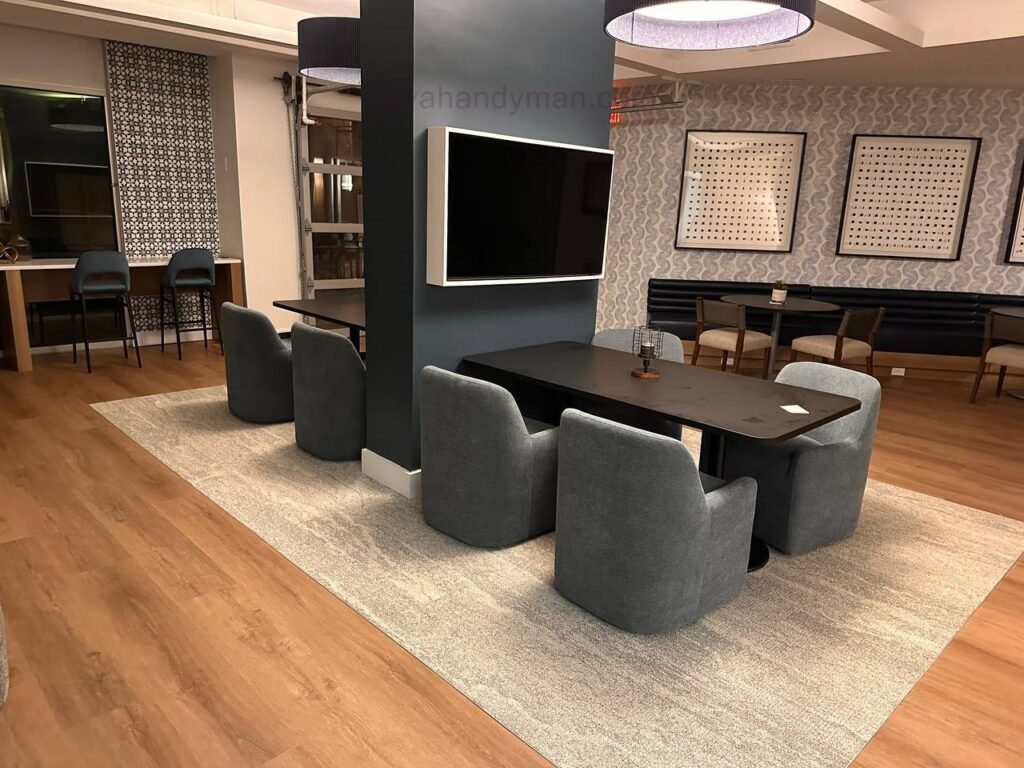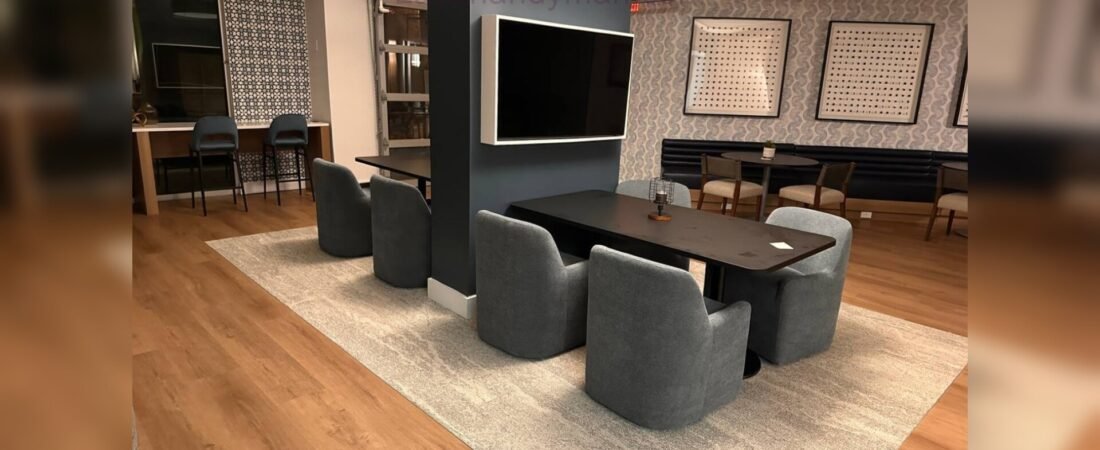
Wall-Mounted TV Installation with Clean and Concealed Cable Management
Wall-mounted TV installation is one of the best ways to create a clean, modern, and organized entertainment space. By mounting your television securely on the wall and concealing visible wires, you can improve the appearance of your living room, bedroom, office, or commercial space while making better use of available floor space.
However, a professional TV wall mounting installation involves more than attaching a bracket to the wall. The process requires careful positioning, compatible mounting hardware, an assessment of the wall structure, and a well-planned cable management solution.
Whether you are upgrading your home entertainment system or installing a television in a new property, choosing the right mounting method and hiding unnecessary cables can make a significant difference to the final result.
Wall-Mounted TV Installation
In this guide, we explain the benefits of wall-mounted TV installation, the different types of TV brackets, the best ways to conceal TV wires, important safety considerations, and when to hire a professional TV installation service.
What Is Wall-Mounted TV Installation?
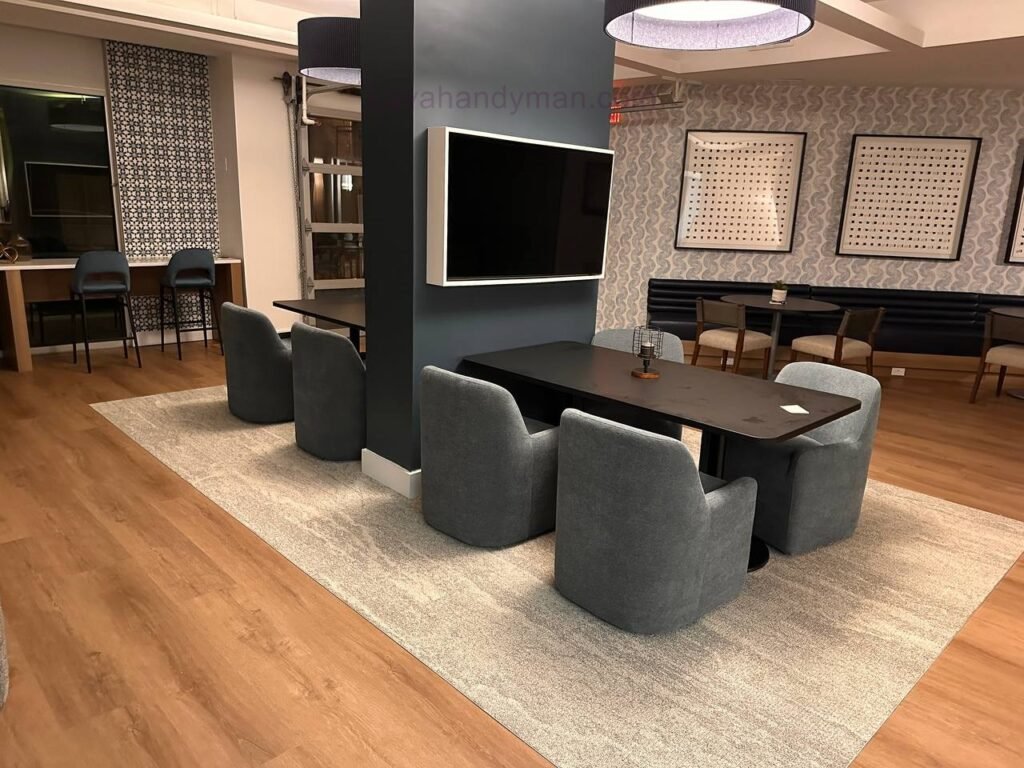
Wall-mounted TV installation is the process of securing a television to a wall using a compatible mounting bracket. Instead of placing the television on a traditional TV stand, the screen is positioned at a suitable height and viewing angle to create a more streamlined entertainment area.
Wall-Mounted TV Installation
A successful installation takes several factors into account, including the television’s size and weight, the wall material, the mounting pattern, the location of electrical outlets, and the position of connected devices.
Professional TV wall mounting typically involves selecting an appropriate bracket, identifying secure fixing points, installing the mounting hardware, positioning the television, and organizing the cables.
When concealed cable management is included, the installer also plans how to route power and signal connections safely while minimizing visible wires.
The result is a television setup that looks organized, uses space efficiently, and supports convenient everyday viewing.
Benefits of Professional Wall-Mounted TV Installation
Wall-Mounted TV Installation
A properly installed wall-mounted television can improve both the appearance and functionality of a room. From saving space to organizing entertainment equipment, there are several reasons homeowners and businesses choose professional TV mounting services.
1. Create a Clean and Modern Look
One of the main benefits of wall-mounted TV installation is its clean and contemporary appearance.
A television mounted neatly on the wall can become the focal point of a room without requiring a bulky entertainment unit. When combined with hidden TV cables, the result is a more polished and minimalist design.
Concealed cable management helps reduce visual clutter caused by dangling power cords, HDMI cables, and other connections.
Wall-Mounted TV Installation
This approach works particularly well in modern living rooms, bedrooms, apartments, meeting rooms, and entertainment areas where a tidy appearance is important.
2. Save Floor Space
Traditional TV stands can take up valuable floor space and limit furniture arrangements.
Wall mounting removes the need for a dedicated television stand, allowing the area beneath the screen to be used for storage, decoration, or a floating media console.
This is especially useful in smaller homes, apartments, bedrooms, and compact offices where efficient space planning matters.
3. Improve Viewing Comfort
Wall-Mounted TV Installation
A wall-mounted television can be positioned to suit the room layout and the viewer’s seating arrangement.
The ideal screen height depends on the television’s dimensions, viewing distance, seating position, and personal comfort. In many living rooms, placing the center of the screen near seated eye level is a useful starting point.
Tilting and full-motion TV mounts can provide additional flexibility when the screen needs to be viewed from different positions.
Careful positioning can help create a more comfortable viewing experience for everyday television, movies, gaming, and streaming.
4. Organize Entertainment Devices
Wall-Mounted TV Installation
Modern entertainment systems often include streaming devices, gaming consoles, soundbars, cable receivers, and network connections.
Without a clear cable management plan, these devices can create unnecessary clutter around the television.
A professional installation can organize the connections, position equipment conveniently, and create a cleaner overall appearance.
Depending on the room, external devices can be placed on a media shelf, inside a suitable cabinet, or in another accessible location.
5. Reduce Cable Clutter
Wall-Mounted TV Installation
Visible wires can distract from an otherwise attractive interior.
TV cable concealment helps keep cables together or out of sight, making the entertainment area look more organized.
The best solution depends on the wall construction, the available power supply, the number of connected devices, and the level of concealment desired.
Concealed Cable Management for Wall-Mounted TVs
Concealed cable management is an important part of creating a professional-looking TV installation.
Wall-Mounted TV Installation
A wall-mounted television may require several connections, including power, HDMI, Ethernet, and audio cables. If these connections are not planned in advance, cables may hang beneath the screen or become tangled behind the television.
The right cable management solution depends on the property, wall material, equipment requirements, and local electrical regulations.
1. In-Wall Cable Concealment
In-wall cable concealment involves routing suitable cables through a wall cavity so they are hidden from view.
Wall-Mounted TV Installation
When the wall construction allows it, this method can provide a particularly clean finish because cables are concealed behind the wall surface.
It is often considered for framed walls where the cavity can be inspected and accessed. However, insulation, fire-blocking, concealed utilities, structural components, and local building requirements must be considered before work begins.
Only cables rated for the intended installation environment should be routed inside walls.
Electrical safety is essential: Do not run an ordinary TV power cord or standard extension cord through a wall cavity. Power must be provided through an approved installation method, such as a properly installed outlet or a listed in-wall power relocation system suitable for the location. Electrical work should be performed by a qualified professional when required by local regulations.
Wall-Mounted TV Installation
2. Surface-Mounted Cable Concealers
Surface-mounted cable concealers are channels that attach to the wall and cover visible cables.
They are a practical option when in-wall wiring is unsuitable, the wall cannot be opened, or the property owner wants to avoid major modifications.
Many cable raceways are available in different sizes and finishes. Some can be painted to match the wall, helping them blend into the surrounding decor.
Although this method does not hide cables inside the wall, it can still create a neat and professional appearance.
Choose a raceway that accommodates the required cables without compressing them and allows access when maintenance is needed.
Wall-Mounted TV Installation
3. Recessed Outlets and Cable Pass-Through Plates
Recessed outlets can reduce the amount of space occupied by connections behind a television, particularly when a low-profile TV mount is used.
Cable pass-through plates can also create neat entry and exit points for suitable low-voltage cables.
These components should be selected according to the television’s connection requirements, the wall construction, and applicable electrical rules.
A low-voltage cable pass-through plate is not automatically suitable for mains-voltage power wiring.
4. Cable Management Behind the Television
Wall-Mounted TV Installation
Some installations can be improved by organizing cables behind the television without routing them through the wall.
Cable clips, suitable sleeves, reusable ties, and compatible mounting accessories can keep wires together and reduce tangling.
This option may work well when the bracket provides enough clearance for the connections.
Care must be taken to avoid pinching cables between the television and the wall, placing excessive pressure on connectors, or creating bends that exceed the cable manufacturer’s recommendations.
Wall-Mounted TV Installation
5. Cable Management with a Media Console
A media console or floating shelf can help conceal external equipment and organize the connections running between devices.
This is useful when the installation includes a gaming console, streaming box, receiver, or soundbar.
A well-planned combination of wall mounting, concealed wiring, and accessible storage can provide a clean appearance without making future upgrades difficult.
Wall-Mounted TV Installation
Choosing the Best TV Wall Mount
Selecting the correct TV wall mount is essential for a secure installation and a good viewing experience.
The bracket must be compatible with the television’s weight, mounting pattern, and specifications. It must also be suitable for the wall structure and the intended screen position.
Fixed TV Wall Mount
A fixed TV wall mount holds the television in a stationary position close to the wall.
It is a good option when the screen will be viewed primarily from one seating area and a low-profile appearance is preferred.
Fixed mounts can work particularly well with concealed cable management because they keep the television close to the wall. However, sufficient clearance must remain for connections and ventilation.
Wall-Mounted TV Installation
Tilting TV Wall Mount
A tilting TV wall mount allows the screen to angle vertically.
This can help improve the viewing angle when the television is installed above the preferred eye level, such as in certain bedrooms or other specialized spaces.
The cable arrangement must allow the screen to tilt without stretching, trapping, or damaging connected wires.
Full-Motion TV Wall Mount
A full-motion TV wall mount allows the screen to swivel and, depending on the model, extend away from the wall.
Wall-Mounted TV Installation
It is useful in rooms where people watch television from multiple seating positions or where the screen needs to face different areas.
Cable management requires extra planning because the television moves. Cables need enough flexibility to accommodate the bracket’s movement without becoming tangled or caught in the mechanism.
Always follow the mount manufacturer’s installation and load requirements.
Preparing for a Professional TV Installation
Wall-Mounted TV Installation
Preparation helps ensure that wall-mounted TV installation is secure, visually appealing, and practical to maintain.
Assess the Wall Structure
The wall material determines which mounting methods and fixings are appropriate.
Common wall types include drywall over timber studs, metal-stud partitions, brick, concrete, and plaster over different supporting structures.
The installer must identify suitable fixing points and choose hardware designed for the particular wall.
For framed walls, the bracket often needs to be secured to appropriate structural members. Masonry walls require compatible masonry fixings.
Before drilling, consider concealed electrical wiring, plumbing, insulation, fire-blocking, and other potential obstructions.
Wall-Mounted TV Installation
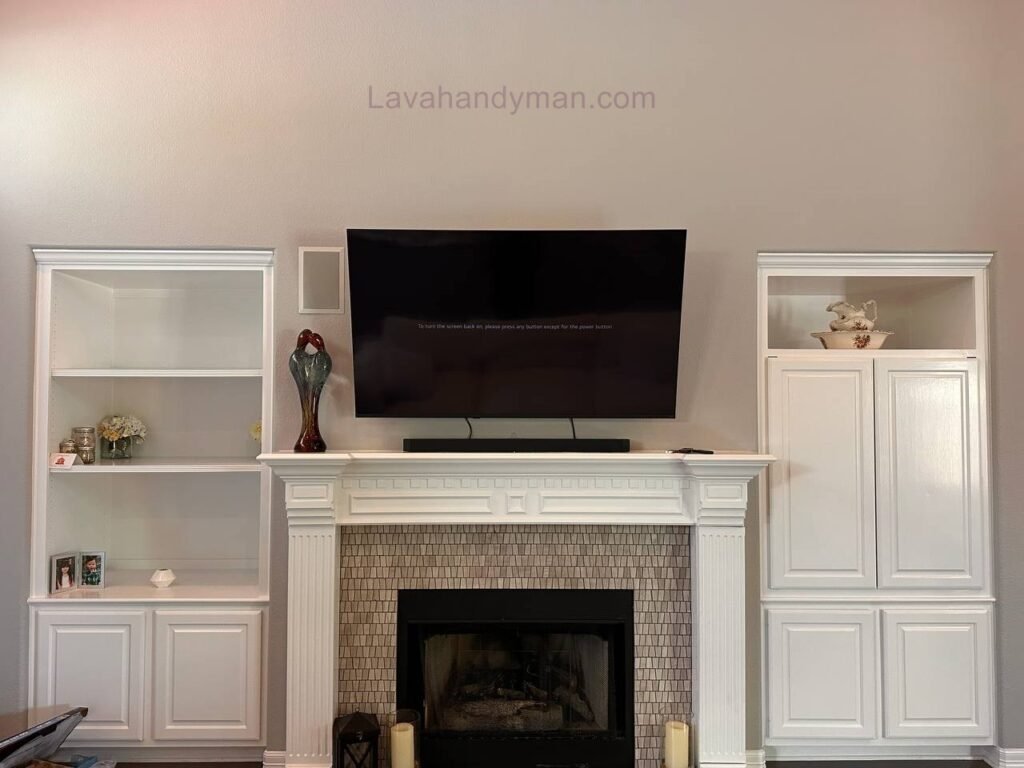
Choose the Correct TV Position
The ideal position depends on the room layout, screen size, viewing distance, seating height, and surrounding furniture.
Measure the proposed position before installing the bracket. Consider windows, glare, nearby doors, lighting, and access to external devices.
Where possible, confirm the screen position with the household or property owner before making permanent holes.
Wall-Mounted TV Installation
Plan Power and Connectivity
Identify how the television and external devices will receive power and communicate with each other.
A typical installation may require HDMI connections, Ethernet, audio connections, or other cables depending on the equipment.
Planning these requirements before mounting the television helps prevent visible cables and reduces the chance of having to reposition the screen later.
If the project requires new electrical outlets or changes to power wiring, arrange the work through a qualified professional where required.
Wall-Mounted TV Installation
Confirm Bracket Compatibility
Check the television’s weight, mounting pattern, and manufacturer instructions before selecting the bracket.
The mounting system must be rated for the television and appropriate for the wall and fixing method.
Screen size alone is not enough to establish compatibility, so review the specifications of both the television and the mount.
Step-by-Step Wall-Mounted TV Installation
The exact process varies according to the television, wall material, mounting bracket, and cable management method. A typical professional installation follows these steps.
Wall-Mounted TV Installation
Step 1: Inspect the Installation Area
The installer evaluates the wall, screen position, available power, cable requirements, and any potential obstacles.
This assessment helps determine the most suitable mounting and cable concealment methods.
Step 2: Measure and Mark the Mounting Position
The proposed bracket location is measured and marked carefully.
The installer checks the alignment, intended viewing height, and relationship between the television and nearby furniture.
Confirming the position before drilling helps prevent unnecessary wall damage.
Wall-Mounted TV Installation
Step 3: Secure the Mounting Bracket
The bracket is installed using appropriate fixings for the wall construction and in accordance with the manufacturer’s instructions.
The installer checks that the bracket is properly secured before the television is lifted into place.
Large or heavy screens may require additional assistance or specialized handling equipment.
Wall-Mounted TV Installation
Step 4: Prepare the Cable Route
The installer plans the cable route according to the selected concealment method.
For in-wall cable routing, the wall cavity must be assessed for utilities, obstructions, and installation suitability.
If concealed routing is impractical, a surface-mounted raceway or another appropriate cable management solution may provide a better result.
Step 5: Route and Organize the Cables
Wall-Mounted TV Installation
Compatible cables are routed and arranged to minimize visible clutter.
They should not be stretched, sharply bent, or trapped behind the television. Connections that may require future access should remain accessible where appropriate.
Electrical and low-voltage wiring must be installed according to applicable requirements.
Step 6: Mount the Television
The television is carefully lifted onto the bracket according to the manufacturer’s instructions.
The installer verifies that the mounting points are correctly engaged and that any required safety locks are secured.
Safe lifting practices are particularly important for large screens.
Wall-Mounted TV Installation
Step 7: Connect and Test the Equipment
The television is connected to the power supply and any external devices.
The installer checks the picture, sound, selected inputs, and relevant network or accessory connections.
The cable arrangement is inspected to ensure that connections are not under excessive tension and that no cables have been trapped.
Step 8: Check the Final Appearance
The completed installation is checked for alignment, stability, cable organization, and overall appearance.
The work area is tidied, and the television is confirmed to be functioning correctly.
Wall-Mounted TV Installation
TV Wall Mounting for Different Wall Types
Different wall materials require different installation techniques. Choosing the right approach helps protect the wall and provides a more secure result.
Drywall and Stud Walls
Drywall is commonly installed over timber or metal framing.
The correct mounting method depends on the framing, television weight, bracket requirements, and manufacturer’s instructions. Ordinary drywall anchors should not be assumed suitable for every television installation.
Framed walls may provide space for suitable low-voltage cable routing, but concealed utilities and internal obstructions must be considered.
Brick Walls
Brick walls can support a wall-mounted television when the structure is suitable and the correct masonry fixings are used.
The installer must assess the condition of the brickwork and select fixings appropriate for the material.
Cable concealment may require a surface-mounted raceway or another carefully planned solution.
Concrete Walls
Concrete installations typically require masonry drilling equipment and fixings designed for the specific material.
Because routing cables through solid concrete can be difficult, surface-mounted cable concealers are often a practical alternative.
The best option depends on the desired appearance, installation complexity, and property requirements.
Plaster and Older Walls
Older walls may have fragile plaster, unusual framing, or concealed services.
Careful inspection is important before drilling or cutting. Where opening the wall could cause unnecessary damage, an external cable management system may be more suitable.
How Much Does TV Wall Mounting Cost?
The cost of wall-mounted TV installation depends on the complexity of the project, the wall material, the mounting hardware, and the cable management method.
A straightforward installation on a suitable wall may require less work than a project involving concealed wiring, masonry drilling, additional outlets, or a large full-motion bracket.
Common factors that influence the price include:
- Television size and weight.
- Wall type and installation difficulty.
- Type of TV mounting bracket.
- In-wall cable concealment or surface-mounted raceways.
- Additional electrical work.
- Number of connected devices.
- Soundbar and accessory installation.
- Access requirements and local installation conditions.
Before booking a TV mounting service, request a clear estimate explaining which materials and services are included.
Ask whether the price covers the mounting bracket, cable management, additional electrical work, installation of accessories, and equipment testing.
A professional assessment can help identify potential complications before installation begins.
DIY TV Mounting vs. Professional TV Installation
Some people prefer to mount their televisions themselves, while others hire a professional TV installation service.
DIY installation may be appropriate for someone with the necessary tools, experience, and a straightforward installation area. However, the process still requires accurate measurements, suitable fixings, safe lifting, and careful cable routing.
Professional installation can be particularly useful for large televisions, challenging wall materials, concealed wiring projects, and installations that require electrical modifications.
Why Choose Professional TV Mounting?
Accurate positioning: Professional planning helps place the television at a suitable height and viewing angle.
Appropriate mounting hardware: The installer can select a compatible bracket and suitable fixing method for the wall.
Cleaner cable management: Cable routes can be planned to minimize visible wires while preserving access and safety.
Careful installation: Appropriate tools, secure fixings, and safe handling practices help reduce the risk of damage.
Equipment testing: The television and connected devices can be checked after installation.
A polished finish: Attention to alignment, accessories, and wire concealment creates a more organized entertainment space.
For electrical work or concealed power installations, use a qualified professional where required by local regulations.
Common TV Wall Mounting Mistakes to Avoid
Even a simple installation can create problems when important details are overlooked.
Mounting the TV Too High
A television installed too high may cause discomfort during extended viewing. Consider the seating position, screen size, and viewing distance before deciding on the final height.
Using the Wrong Wall Fixings
Unsuitable anchors or fasteners can compromise the security of the installation. Always use fixing methods appropriate for the wall structure and mounting system.
Ignoring Hidden Utilities
Drilling without checking for electrical wiring, plumbing, or other concealed services can cause property damage and serious safety risks.
Concealing Power Cords Incorrectly
Ordinary television power cords and extension cords should not simply be run inside a wall. Use an approved power installation method that complies with applicable electrical requirements.
Leaving Cables Too Tight
Insufficient cable slack can place strain on connectors and damage cables when the screen moves or equipment is changed.
Forgetting Future Connections
Consider future devices and connections before completing the installation. Planning ahead can make it easier to add a soundbar, gaming console, streaming device, or network connection later.
Choosing an Unsuitable Mount
Fixed, tilting, and full-motion mounts offer different benefits. Choose a bracket that suits the room, television, wall, and cable requirements.
Maintaining Your Wall-Mounted TV Setup
Routine checks can help keep your television installation organized and in good condition.
Inspect visible cables periodically for signs of damage, pinching, or excessive tension. Clean the screen according to the television manufacturer’s recommendations and avoid pulling on connected wires.
For adjustable mounts, follow the manufacturer’s maintenance instructions and avoid forcing a bracket that feels unusually stiff or loose.
If the television shifts unexpectedly, the wall shows signs of damage, or a cable becomes damaged, arrange an inspection before continuing to use the affected setup where necessary.
Keep ventilation openings clear and provide sufficient space for connected devices to dissipate heat.
If you replace the television or add new equipment, review the bracket compatibility and cable layout before making changes.
Frequently Asked Questions About Wall-Mounted TV Installation
Can all TV cables be hidden inside the wall?
No. Suitable low-voltage cables may be routed inside a wall when the cables and installation method are appropriate. Power wiring requires a compliant installation method. Never simply conceal an ordinary TV power cord or standard extension cord inside the wall.
What is the best way to hide TV wires?
In-wall cable concealment can provide a discreet finish when the wall construction and installation requirements allow it. A paintable surface-mounted cable raceway is a practical alternative when opening the wall is unsuitable.
Can a TV be mounted on any type of wall?
Not every wall is suitable for every mounting system. The wall structure, television weight, mounting bracket, and fixing requirements must be assessed before installation.
Is professional TV wall mounting worth it?
Professional TV mounting can help achieve accurate positioning, secure attachment, organized cables, and a polished finish. It is particularly useful for large televisions, difficult wall types, and projects involving concealed wiring.
How high should a wall-mounted TV be?
The ideal height depends on the television size, seating position, and viewing distance. For many living rooms, placing the center of the screen near seated eye level is a useful starting point.
Can a TV be wall-mounted without visible wires?
Yes. Suitable installations can use in-wall cable concealment or discreet surface-mounted cable channels. The power supply must be installed using an approved method.
Can I mount a TV on a brick or concrete wall?
Yes, provided the wall is suitable and the correct mounting hardware and fixings are used. The installer should assess the wall material and choose a compatible mounting method.
Can a soundbar be installed with a wall-mounted TV?
Yes. A compatible soundbar can be mounted below or near the television. Its dimensions, connection requirements, clearance, and cable routing should be considered during planning.
Should I plan cable management before mounting the TV?
Yes. Planning the power supply, cable route, connected devices, and bracket position before installation helps reduce visible wires and avoids unnecessary adjustments later.
How much does professional TV installation cost?
Pricing depends on the television, wall material, mounting bracket, cable concealment method, and any additional electrical or accessory installation. Request an estimate based on the specific installation requirements.
Book a Professional Wall-Mounted TV Installation Service
A well-planned wall-mounted TV installation combines secure mounting, comfortable viewing, organized connections, and a clean finish.
Professional TV mounting services can help you select a suitable bracket, determine the best screen position, and choose a cable management solution that fits your wall and entertainment equipment.
Whether you need a fixed TV mount, a tilting bracket, a full-motion installation, or concealed cable management, planning the project carefully can help create a more functional and visually appealing space.
If you are ready to upgrade your entertainment area, contact a professional TV installation service to discuss your television, wall type, preferred mounting position, and cable concealment requirements.
📞 Need Help?
Let us take care of the hard work while you sit back and relax.
📍 Serving: Austin, Round Rock, Cedar Park & more
📱 Call or Text: (737) 420-6992
🌐 Visit: https://lavahandyman.com