The Best Methods for Installing Decorative and Ornamental Wall Art with Minimal Drilling While Preserving the Beauty of Your Interior Walls
Introduction
Decorative wall art is one of the most effective ways to enhance the appearance of an interior space. From framed paintings and decorative mirrors to metal wall sculptures and ornamental panels, carefully selected wall decorations can transform plain walls into attractive design features. However, installing decorative wall art often involves drilling holes, using screws, and making permanent changes to interior surfaces.
For homeowners, renters, and interior designers, excessive drilling can be a significant concern. Multiple holes may damage painted walls, affect wallpaper, leave visible marks, and create additional repair work when decorations are removed or repositioned. Fortunately, there are several practical wall art installation methods that reduce the need for drilling while maintaining a secure and attractive finish.
Choosing the right mounting solution depends on several factors, including the weight of the decorative item, wall material, surface condition, and installation location. Adhesive picture hanging strips, removable hooks, picture rails, existing wall fixtures, and specialized mounting systems are among the most popular options.
The Best Methods for Installing Decorative
In this comprehensive guide, we explore the best methods for installing decorative wall art with minimal drilling, explain how to select suitable mounting accessories, and provide practical tips for protecting interior walls. Whether you want to hang a single decorative picture or create an entire gallery wall, understanding these installation techniques will help you achieve a beautiful result without unnecessary wall damage.
1. Why Choose Wall Art Installation Methods with Minimal Drilling?
The Best Methods for Installing Decorative
Traditional wall mounting techniques can be effective, but they are not always the most convenient solution for modern interior spaces. Reducing unnecessary drilling offers several advantages, particularly when decorations need to be changed regularly.
Protecting Painted Walls and Decorative Finishes
Painted walls, wallpaper, textured plaster, and decorative finishes contribute significantly to the overall appearance of a room. Repeated drilling can leave visible holes and damage these surfaces.
When a decorative picture or ornament is removed, the exposed holes may require filling, sanding, and repainting. In some cases, wallpaper or decorative coatings may need more extensive repairs.
Using appropriate no-drill mounting solutions can help preserve the original appearance of interior walls and reduce unnecessary maintenance.
The Best Methods for Installing Decorative
Reducing Installation and Repair Costs
Every additional mounting hole can create future repair work. Wall fillers, matching paint, repair materials, and professional services may become necessary when decorative items are replaced.
By selecting suitable adhesive mounting products or reusable hanging systems, homeowners can reduce installation time and avoid some unnecessary repair expenses.
Making Interior Decoration More Flexible
Interior design preferences often change over time. A framed painting may be replaced with a decorative mirror, or a collection of small pictures may be rearranged to create a gallery wall.
The Best Methods for Installing Decorative
Flexible wall art hanging systems make these changes easier without repeatedly modifying the wall surface.
Protecting Rental Properties
People living in rented apartments often need to avoid permanent changes to walls. Property agreements may restrict drilling or require tenants to repair damage before moving out.
Removable adhesive products, picture rails, and freestanding display systems can offer convenient alternatives, provided they are permitted by the property owner and suitable for the intended decorations.
2. Understanding Different Types of Decorative Wall Art
The Best Methods for Installing Decorative
Before choosing a wall art mounting method, it is important to understand the weight, material, dimensions, and construction of the decorative object.
Different types of wall decorations require different installation techniques.
Framed Paintings and Decorative Pictures
Framed paintings and pictures are among the most common forms of decorative wall art. Their weight depends on the frame material, glass protection, artwork, and overall dimensions.
Lightweight frames may be suitable for compatible adhesive picture hanging strips or removable hooks. Larger frames, particularly those containing glass, may require mechanical fasteners and secure mounting points.
The Best Methods for Installing Decorative
Decorative Mirrors
Decorative mirrors require special attention because they can be heavy and fragile. Even a relatively small mirror may weigh more than an ordinary picture frame.
Some lightweight mirrors are designed for specialized adhesive mounting systems. However, larger mirrors should generally be installed using manufacturer-approved brackets, mechanical fixings, or professional mounting services.
Ordinary adhesive strips should never be assumed suitable for supporting a heavy mirror.
Metal Wall Decorations
The Best Methods for Installing Decorative
Metal wall art includes decorative clocks, geometric sculptures, ornamental signs, and artistic panels.
Although some metal decorations are lightweight, others can be surprisingly heavy. Their weight distribution and mounting points should be evaluated before installation.
Selecting the right wall mounting hardware helps prevent movement, detachment, and damage.
Wooden Decorative Panels
Wooden wall decorations include carved panels, traditional ornaments, decorative signs, and three-dimensional wall art.
The installation method depends on the type of wood, thickness, dimensions, and total weight. Lightweight wooden decorations may be suitable for compatible adhesive mounting systems, while larger panels generally require mechanical support.
The Best Methods for Installing Decorative
Glass and Ceramic Wall Ornaments
Glass and ceramic decorations are often delicate and can break if they fall.
For these items, secure mounting is particularly important. The installation system should support the object’s weight evenly and reduce the risk of accidental detachment.
3. The 7 Best Methods for Installing Decorative Wall Art Without Excessive Drilling
There are several ways to hang decorative wall art while minimizing permanent modifications to interior walls. The most suitable option depends on the characteristics of the decoration and the wall surface.
The Best Methods for Installing Decorative
3.1 Adhesive Picture Hanging Strips
Adhesive picture hanging strips are among the most convenient solutions for hanging lightweight decorative wall art without drilling.
These products typically consist of two interlocking adhesive components. One part attaches to the wall, while the other attaches to the back of the picture frame. When connected, they hold the decorative item in place.
Many removable systems are designed to allow pictures to be taken down without leaving permanent holes.
Main advantages:
- No drilling or screws are required.
- Installation is generally quick and straightforward.
- Selected products allow decorations to be removed and repositioned.
- Different sizes and weight capacities are available.
- Multiple mounting points can help distribute the load.
The Best Methods for Installing Decorative
Important installation considerations:
Before applying adhesive picture hanging strips, make sure the wall surface is clean, dry, and compatible with the product.
Dust, grease, moisture, loose paint, and textured surfaces can reduce adhesion. Always follow the manufacturer’s surface preparation instructions and observe the stated weight limit.
Adhesive strips are generally suitable for lightweight and selected medium-weight framed pictures when the product specifically supports the intended application.
The Best Methods for Installing Decorative
They should not be used for heavy mirrors, valuable fragile objects, or decorations installed above beds and seating areas unless the manufacturer explicitly approves the application.
3.2 Removable Adhesive Wall Hooks
Removable adhesive hooks provide another practical option for hanging lightweight wall decorations.
Unlike flat mounting strips, adhesive hooks create a small hanging point that can support decorative objects with a suitable wire, loop, or bracket.
The Best Methods for Installing Decorative
They are particularly useful for lightweight decorative signs, small framed pictures, and selected ornamental accessories.
To install an adhesive hook correctly, first choose a product with an appropriate weight rating. Check its compatibility with the wall finish, prepare the surface according to the instructions, and allow the adhesive to bond for the recommended period before hanging the decoration.
One of the main advantages of removable hooks is that many products can be removed without drilling.
However, damage-free removal is not guaranteed. Weak paint, wallpaper, and unstable surface coatings may peel away when adhesive products are removed.
The Best Methods for Installing Decorative
3.3 Picture Rails and Wall Art Hanging Systems
Picture rails are an excellent option for people who frequently change their decorative arrangements.
Instead of attaching every picture directly to the wall, a horizontal rail is installed near the ceiling or along a suitable wall section. Adjustable cables, cords, or hooks are then suspended from the rail.
Pictures and decorative objects can be moved horizontally or vertically without creating additional holes.
The Best Methods for Installing Decorative
Benefits of picture rail systems include:
- Reduced need for repeated drilling.
- Flexible positioning of multiple artworks.
- Easy rearrangement of decorative displays.
- A clean and organized appearance.
- Suitable solutions for homes, offices, galleries, and exhibition spaces.
Although the rail itself normally requires secure mechanical installation, it can provide a single reusable system for multiple decorations.
The Best Methods for Installing Decorative
For large collections of framed pictures, this approach can be more practical than installing separate screws and hooks for every item.
The rail must be attached to an appropriate structural support or installed using fixings suitable for the wall construction.
3.4 Reusing Existing Wall Fixtures
Before drilling a new hole, inspect the wall for existing screws, nails, hooks, and mounting brackets.
The Best Methods for Installing Decorative
If an existing fixture is correctly positioned and suitable for the new decorative item, it may be possible to reuse it without making additional modifications.
This is particularly useful when replacing an old picture with another decoration of similar dimensions and weight.
However, existing fixtures should never be assumed safe without inspection. Check their condition, attachment method, and load capacity before using them.
Loose, damaged, or unsuitable fixtures should be replaced with an appropriate mounting solution.
The Best Methods for Installing Decorative
3.5 Over-the-Door Hanging Systems
Over-the-door hooks and hanging supports can provide an alternative to traditional wall mounting.
These products are designed to fit over compatible doors and can support selected lightweight decorative items.
They are useful in rented apartments, temporary display areas, and rooms where drilling is not permitted.
The Best Methods for Installing Decorative
Before using an over-the-door system, check the door thickness, clearance, stability, and maximum load capacity. Make sure the decoration does not interfere with opening or closing the door.
3.6 Freestanding Decorative Display Panels
Freestanding display panels are another useful solution for people who want to avoid drilling altogether.
These structures can be positioned near a wall and used to display framed pictures, decorative panels, and selected ornamental accessories.
The Best Methods for Installing Decorative
They are particularly suitable for rented properties, temporary exhibitions, photography studios, and flexible interior spaces.
Some freestanding systems include adjustable shelves, hanging rails, hooks, or modular display components.
The Best Methods for Installing Decorative
Although they require additional floor space, they provide flexibility and eliminate the need for direct wall installation.
3.7 Specialized Mounting Adhesives
Specialized mounting adhesives are designed for attaching certain decorative materials to compatible surfaces.
Depending on the product, they may be suitable for selected wood, metal, plastic, and decorative panels.
The Best Methods for Installing Decorative
It is important to distinguish between removable mounting products and permanent construction adhesives.
Permanent adhesives may create strong bonds, but removing them can damage paint, wallpaper, plaster, or the decorative item itself.
Always check the manufacturer’s instructions, material compatibility, curing time, and load recommendations before installation.
For valuable, heavy, or fragile decorative objects, professional advice is recommended.
The Best Methods for Installing Decorative
4. How to Choose the Best Wall Art Mounting Method
Choosing the right wall art mounting solution requires more than simply selecting a product that does not require drilling.
The installation system should provide an appropriate balance between safety, durability, convenience, and wall protection.
Consider the Weight of the Decorative Item
The actual weight of the decoration should be measured before installation.
The Best Methods for Installing Decorative
Include the frame, glass, artwork, backing material, and additional mounting components.
Compare the total weight with the manufacturer’s stated capacity. Also follow any requirements regarding the number and positioning of mounting strips or hooks.
Never assume that adding more adhesive strips automatically creates a safe installation.
Identify the Wall Material
Different wall materials require different mounting solutions.
The Best Methods for Installing Decorative
Common interior wall surfaces include:
- Painted plasterboard and drywall.
- Solid plaster.
- Brick.
- Concrete.
- Wallpaper-covered walls.
- Textured decorative finishes.
- Wooden wall panels.
Adhesive products may work well on smooth, stable surfaces but perform poorly on dusty, porous, damp, or uneven materials.
The Best Methods for Installing Decorative
Mechanical mounting systems should also be selected according to the wall construction. For example, drywall may require specialized anchors, while brick and concrete generally require suitable masonry fixings.
Evaluate the Wall Surface Condition
Even a high-quality mounting product may fail if the surface is unsuitable.
The Best Methods for Installing Decorative
Before installation, check for peeling paint, cracks, moisture, dust, grease, loose wallpaper, and damaged plaster.
If the wall coating is unstable, adhesive mounting may cause additional damage.
Preparing the surface correctly is essential for reliable installation.
The Best Methods for Installing Decorative
Consider the Location of the Decoration
The installation location also affects the level of safety required.
A small picture in a hallway presents a different risk from a heavy mirror above a bed or sofa.
Decorations installed above seating areas, beds, children’s spaces, or frequently used walkways require particular attention.
The Best Methods for Installing Decorative
In these situations, suitable mechanical fastening may be more appropriate than adhesive-only mounting.
5. How to Prepare Walls Before Hanging Decorative Wall Art
Proper wall preparation improves installation quality and helps protect interior surfaces.
The Best Methods for Installing Decorative
Clean the Wall Surface
For adhesive mounting systems, remove dust and surface contamination using a cleaning method approved by the manufacturer.
Avoid harsh chemicals that could damage paint or decorative finishes.
The Best Methods for Installing Decorative
Allow the surface to dry completely before attaching adhesive components.
Measure the Installation Area
Accurate measurements help prevent unnecessary repositioning and additional holes.
Use a measuring tape to identify the desired height and horizontal position.
The Best Methods for Installing Decorative
For a single decorative picture, consider its relationship with nearby furniture, lighting, and architectural features.
For multiple pictures, measure the spacing between each item before installation.
Mark the Position Carefully
Use a pencil, removable painter’s tape, and a spirit level to plan the arrangement.
For adhesive products, painter’s tape can help indicate the desired position without creating permanent marks.
The Best Methods for Installing Decorative
Step back and evaluate the composition from different viewing angles before attaching the decoration.
Check for Hidden Electrical Wiring and Pipes
Before drilling, investigate the possibility of electrical cables, water pipes, or other concealed services behind the wall.
Use a suitable detection device and follow its instructions.
Avoid drilling near electrical outlets, switches, and plumbing fixtures unless the area has been checked.
The Best Methods for Installing Decorative
If the wall construction is uncertain, consult a qualified professional.
6. Step-by-Step Guide to Hanging Decorative Wall Art with Minimal Drilling
Following a clear installation process can help reduce mistakes, protect wall surfaces, and achieve a professional result.
Step 1: Inspect the Decorative Item
Examine the back of the frame, mirror, or ornamental panel.
The Best Methods for Installing Decorative
Identify whether it includes hanging wires, mounting holes, hooks, brackets, or flat surfaces suitable for adhesive mounting.
Check the manufacturer’s installation recommendations.
Step 2: Measure the Total Weight
Use a suitable weighing scale to determine the actual weight of the decoration.
Do not estimate the weight based only on appearance or dimensions.
The Best Methods for Installing Decorative
Step 3: Inspect the Wall Material
Identify whether the surface is drywall, plaster, brick, concrete, wallpaper, or another material.
Determine whether it is suitable for adhesive products or requires mechanical fasteners.
Step 4: Select the Appropriate Mounting System
Choose adhesive picture hanging strips or removable hooks for suitable lightweight decorations.
The Best Methods for Installing Decorative
Consider picture rails for multiple artworks.
For heavy or fragile pieces, use an appropriately designed mechanical mounting system.
Step 5: Plan the Layout
Measure the installation area and check alignment.
If you are creating a gallery wall, arrange the pictures on the floor first to test different compositions.
The Best Methods for Installing Decorative
This reduces the need for repeated adjustments after installation.
Step 6: Install the Mounting Components
Follow the manufacturer’s instructions carefully.
Pay attention to surface preparation, installation pressure, curing periods, spacing, and weight restrictions.
Step 7: Position the Decorative Item
The Best Methods for Installing Decorative
Carefully attach the decoration and check that it is properly aligned.
Avoid applying excessive force or adjusting the item before the mounting system is ready.
Step 8: Check Installation Safety
Inspect all mounting points for movement, loose components, or visible signs of failure.
For heavy or valuable decorations, have the installation checked by a qualified professional when necessary.
The Best Methods for Installing Decorative
7. How to Arrange Multiple Wall Decorations Without Extra Drilling
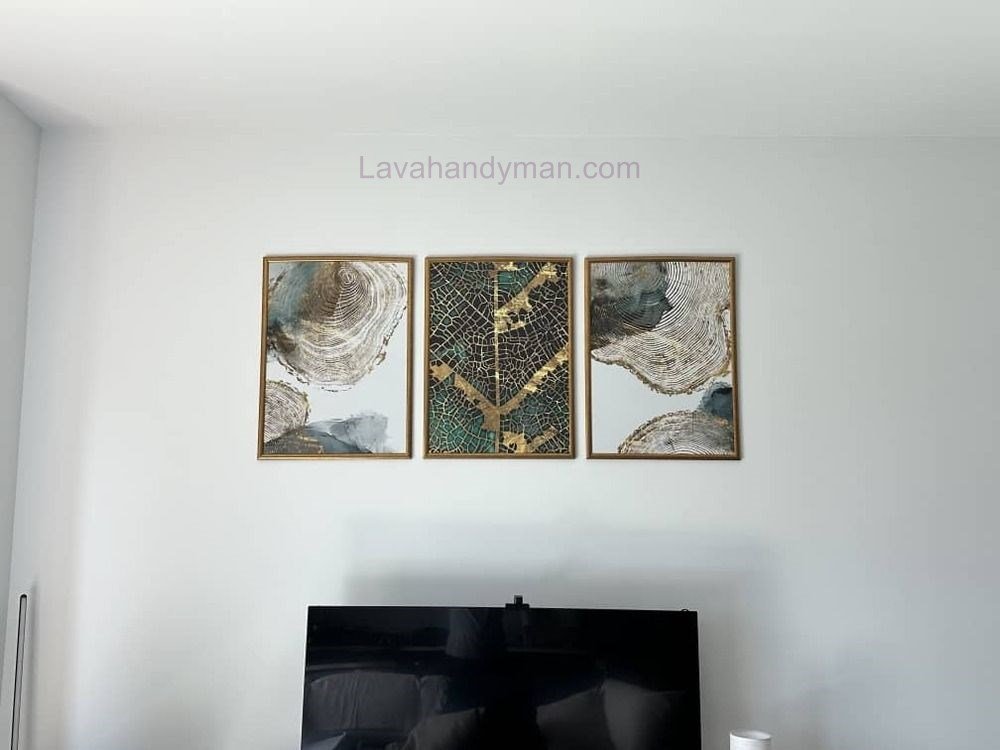
Creating an attractive gallery wall does not require a separate mounting hole for every decorative item.
With proper planning, it is possible to create a balanced arrangement while minimizing wall modifications.
Create a Coordinated Gallery Wall
A gallery wall combines several pictures, photographs, mirrors, and decorative objects into one visual arrangement.
The Best Methods for Installing Decorative
Before installation, plan the entire composition.
Consider using similar frame colors, consistent spacing, a shared design theme, and balanced proportions.
Picture rail systems can be particularly useful because individual decorations can be rearranged without repeatedly modifying the wall.
Use a Central Alignment Strategy
The Best Methods for Installing Decorative
Choose a horizontal or vertical reference line and arrange the decorative objects around it.
This technique is especially effective when displaying frames of different dimensions.
A balanced arrangement creates a cleaner and more professional appearance.
Maintain Consistent Spacing
Uneven gaps can make a gallery wall appear disorganized.
The Best Methods for Installing Decorative
Measure the distance between frames before installation and maintain consistent spacing wherever possible.
Consider Furniture and Room Proportions
Decorative wall art should complement the furniture and architectural features of the room.
For example, a large painting above a sofa should relate proportionally to the width of the furniture.
A decorative mirror in an entrance hall should be positioned where it does not interfere with doors, lighting, or normal movement.
The Best Methods for Installing Decorative
8. Comparing Different Wall Art Installation Methods
Choosing the right installation system becomes easier when the main options are compared.
| Mounting Method | Drilling Required | Best Application | Main Consideration |
|---|---|---|---|
| Adhesive picture strips | No | Lightweight framed pictures | Surface compatibility |
| Removable adhesive hooks | No | Lightweight ornaments | Product weight rating |
| Picture rails | Usually limited | Multiple artworks | Secure rail installation |
| Existing wall fixtures | Not if reusable | Replacement decorations | Inspect existing fixings |
| Over-the-door hooks | No wall drilling | Selected lightweight items | Door compatibility |
| Freestanding display panels | No | Multiple decorations | Stability and floor space |
| Specialized mounting adhesives | No | Compatible decorative panels | Removal may be difficult |
| Screws and wall anchors | Yes | Heavy decorative items | Correct wall fixings |
The Best Methods for Installing Decorative
No single installation method is suitable for every decorative object. The final choice should depend on the object’s weight, wall material, installation location, and manufacturer recommendations.
9. Common Mistakes to Avoid When Installing Wall Art
Even simple wall art installation projects can result in damaged surfaces or unstable decorations if important details are overlooked.
Exceeding Adhesive Weight Limits
The Best Methods for Installing Decorative
Using adhesive products beyond their recommended capacity is one of the most common installation mistakes.
Always check the product rating and follow the required installation configuration.
Applying Adhesives to Dirty Walls
Dust, grease, and moisture can reduce adhesive performance.
Clean and prepare the surface before installing adhesive mounting products.
The Best Methods for Installing Decorative
Ignoring Paint and Wallpaper Compatibility
Some adhesives may remove paint or damage wallpaper during installation or removal.
Check product compatibility and test an inconspicuous area when appropriate.
Installing Decorations Without Measuring
Poor measurements often lead to unnecessary repositioning.
Plan the layout before making permanent modifications.
The Best Methods for Installing Decorative
Choosing Appearance Over Safety
A mounting system may look attractive but still be unsuitable for the weight of the decorative item.
Always prioritize secure installation over appearance.
Ignoring Environmental Conditions
Humidity, temperature changes, and direct sunlight may affect adhesive performance.
The Best Methods for Installing Decorative
Use products specifically approved for the environmental conditions of the installation area.
Removing Adhesive Products Incorrectly
Pulling adhesive strips directly away from the wall may damage paint or plaster.
Follow the manufacturer’s removal instructions and avoid using sharp tools against the wall surface.
The Best Methods for Installing Decorative
10. Best Wall Art Installation Methods for Different Rooms
The ideal mounting solution may vary depending on the room, its function, and environmental conditions.
Living Rooms
Living rooms often feature large decorative paintings, framed photographs, mirrors, and artistic panels.
The Best Methods for Installing Decorative
Picture rails can be useful when several decorations need to be rearranged regularly.
Heavy decorative pieces should be installed with suitable mechanical fixings, particularly above sofas and seating areas.
Bedrooms
Bedrooms commonly feature framed pictures, decorative mirrors, and wall art above beds or bedside furniture.
The Best Methods for Installing Decorative
Because falling objects can cause serious injuries, adhesive-only mounting should be avoided for heavy decorations in these locations.
Choose a secure mounting method that is suitable for the wall construction and the object’s weight.
Hallways and Entrance Areas
Hallways are suitable for smaller framed pictures, decorative signs, and lightweight mirrors.
Careful positioning is important to ensure that decorations do not interfere with movement or door operation.
Offices and Commercial Spaces
Professional environments often benefit from picture rails and modular display systems.
These solutions allow artwork, certificates, and decorative panels to be rearranged without repeatedly drilling into walls.
Kitchens and Bathrooms
Moisture and temperature changes can affect adhesive performance.
Only use mounting products specifically approved for the conditions in these rooms.
Heavy, valuable, or fragile decorations should receive appropriate mechanical support.
11. How to Maintain Decorative Wall Art and Mounting Systems
Installation is not the final step. Regular inspection helps maintain the safety and appearance of decorative wall art.
Check mounting points periodically for movement, separation, corrosion, or deterioration.
For adhesive systems, follow the manufacturer’s recommendations regarding inspection and replacement.
Do not hang additional decorations from an existing hook unless its load capacity and installation instructions explicitly allow it.
Clean decorative objects using appropriate methods that do not weaken their mounting components.
If a decoration begins to move or detach, remove it safely and inspect the mounting system before reinstalling it.
12. How to Remove Wall Art Without Damaging Interior Walls
Removing decorative items requires as much care as installing them.
The correct removal technique depends on the mounting system.
Removing Adhesive Picture Hanging Strips
Follow the manufacturer’s removal instructions.
Many removable systems use a stretch-release mechanism that requires pulling a designated tab slowly in a particular direction.
Do not force the strip outward or use sharp tools against painted surfaces.
Removing Adhesive Hooks
Some hooks include removable adhesive tabs, while others use permanent adhesives.
Check the product instructions before attempting removal.
If the hook is permanently bonded, removing it may require professional assistance to avoid damaging the wall.
Repairing Small Screw Holes
When mechanical fasteners have been used, small holes can often be repaired using a suitable wall filler.
The general process includes:
- Remove the screw and any loose wall material.
- Clean dust and debris from the hole.
- Apply an appropriate wall filler.
- Allow it to dry according to the manufacturer’s instructions.
- Sand gently if necessary.
- Apply compatible primer and matching paint.
For larger holes, damaged plaster, or decorative wall finishes, professional repair may provide a better result.
13. Safety Tips for Hanging Heavy Decorative Wall Art
Although minimizing drilling is desirable, installation safety should never be compromised.
Some decorative objects are too heavy, fragile, or valuable to be supported by ordinary adhesive products.
Large mirrors, stone decorations, heavy wooden panels, and substantial metal sculptures generally require appropriately designed mechanical support.
Before drilling, identify the wall construction and select the correct fasteners.
For plasterboard walls, the appropriate anchor must be selected according to the board, stud location, and expected load.
For brick and concrete, use suitable masonry fixings.
For particularly heavy or valuable decorations, professional installation is recommended.
Also consider the consequences of mounting failure. A decoration installed above a bed, sofa, desk, or children’s play area may present a greater risk than the same object installed in an unused section of wall.
14. The Benefits of Professional Wall Art Installation Services
Professional installers can help homeowners select suitable mounting systems and avoid unnecessary drilling.
They can identify wall materials, locate appropriate structural supports, evaluate the weight of decorative objects, and recommend suitable mounting hardware.
Professional assistance is particularly useful when installing:
- Large decorative mirrors.
- Heavy framed paintings.
- Oversized wooden wall panels.
- Metal wall sculptures.
- Fragile glass decorations.
- Valuable ornamental objects.
An experienced installer can also plan the arrangement of multiple decorative pieces to reduce mounting points and improve the overall appearance.
For complex projects, professional advice can help prevent costly repairs and reduce safety risks.
15. Expert Tips for a Professional Decorative Wall Finish
A successful wall art installation combines secure mounting with careful visual planning.
The following recommendations can help achieve a professional result:
Choose the mounting system before preparing the wall. This helps prevent unnecessary work and determines the correct installation procedure.
Use a spirit level. Accurate alignment creates a clean and balanced appearance.
Plan the complete arrangement. When installing multiple decorations, determine the final layout before making permanent modifications.
Reuse suitable existing fixtures. This can reduce unnecessary drilling when replacing old decorations.
Follow manufacturer instructions. Adhesive products and mechanical fasteners have different installation requirements.
Check wall compatibility. Every mounting system should be suitable for the wall material and surface finish.
Consider future changes. Choose systems that make it easier to replace or rearrange decorations.
Never exceed weight limits. Safety must always come before convenience.
16. Frequently Asked Questions About Decorative Wall Art Installation
How Can I Hang Decorative Wall Art Without Drilling Holes?
Lightweight decorative wall art can often be installed using compatible adhesive picture hanging strips, removable hooks, or specialized mounting systems. For multiple artworks, picture rails are another practical solution. Heavy or fragile decorations may require mechanical fixings.
What Is the Best Way to Hang Pictures Without Damaging Walls?
For suitable lightweight frames, removable adhesive picture hanging strips can be a convenient option. Choose products designed for your wall surface, follow the stated weight limits, and use the correct removal technique.
Can Adhesive Hooks Hold Heavy Decorative Wall Art?
Some heavy-duty adhesive hooks have higher weight ratings, but their suitability depends on the product, wall surface, installation conditions, and actual load. Heavy mirrors and valuable decorations should generally use appropriate mechanical mounting systems.
How Can I Hang Multiple Pictures Without Drilling Multiple Holes?
Picture rails are an effective solution for displaying multiple framed pictures without drilling a separate hole for every frame. They allow artwork to be repositioned using adjustable cables or hooks.
Do Adhesive Picture Hanging Strips Damage Paint?
Some removable adhesive strips are designed to minimize paint damage when removed correctly. However, results depend on the paint quality, wall condition, product compatibility, and removal technique.
Are No-Drill Wall Mounting Methods Suitable for All Wall Types?
No. Adhesive products may not work reliably on textured, dusty, damp, porous, or damaged surfaces. Always check the manufacturer’s instructions and select a mounting system suitable for your specific wall material.
How Do I Choose the Right Wall Art Mounting System?
Consider the weight, dimensions, and material of the decoration, along with the wall construction, surface condition, and installation location. The manufacturer’s recommendations should always guide the final decision.
Is It Better to Use Adhesive Strips or Wall Hooks?
Adhesive strips are often suitable for lightweight flat-backed frames, while adhesive hooks are useful for decorations with hanging wires or loops. The best option depends on the design and weight of the decorative item.
How Can I Protect Wallpaper When Hanging Decorative Wall Art?
Wallpaper can be sensitive to adhesive products. Before installation, check the manufacturer’s compatibility instructions. For delicate wallpaper, consider a picture rail or another mounting system that does not rely on adhesive applied directly to the wallpaper.
Can I Hang a Decorative Mirror Without Drilling?
Some lightweight mirrors are designed for specialized adhesive mounting systems. However, larger or heavier mirrors should generally use suitable mechanical supports or professional installation to reduce the risk of falling.
Conclusion
Installing decorative wall art does not always require extensive drilling or permanent modifications to interior walls. With careful planning and suitable mounting accessories, homeowners and interior designers can create attractive decorative arrangements while minimizing unnecessary holes and preserving the appearance of painted walls, wallpaper, plaster, and other interior finishes.
Adhesive picture hanging strips and removable hooks can provide convenient solutions for suitable lightweight decorations. Picture rails offer greater flexibility for displaying multiple artworks, while existing fixtures and freestanding display systems can reduce the need for additional wall modifications.
However, selecting the right installation method is essential. The weight, material, dimensions, wall construction, and location of each decorative item should be considered before installation. Heavy mirrors, fragile ornaments, and large wall sculptures may require appropriately designed mechanical fixings to ensure long-term safety.
Preparing the wall, measuring accurately, checking surface compatibility, and following manufacturer instructions are equally important steps.
Ultimately, the goal is not simply to avoid drilling at all costs. It is to find the right balance between safety, durability, convenience, and visual appeal.
By choosing suitable wall art installation methods and avoiding unnecessary modifications, you can enjoy beautiful decorative spaces while keeping your interior walls clean, attractive, and easier to maintain.
سپیده ایرانسل:
📞 Need Help?
Let us take care of the hard work while you sit back and relax.
📍 Serving: Austin, Round Rock, Cedar Park & more
📱 Call or Text: (737) 420-6992
🌐 Visit: https://lavahandyman.com