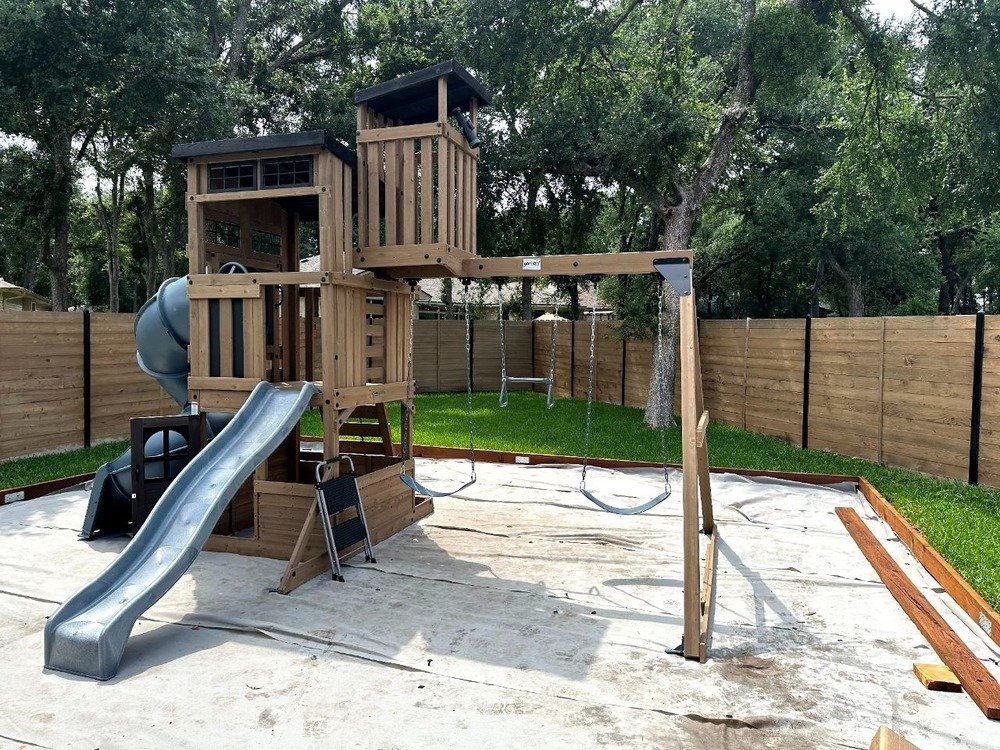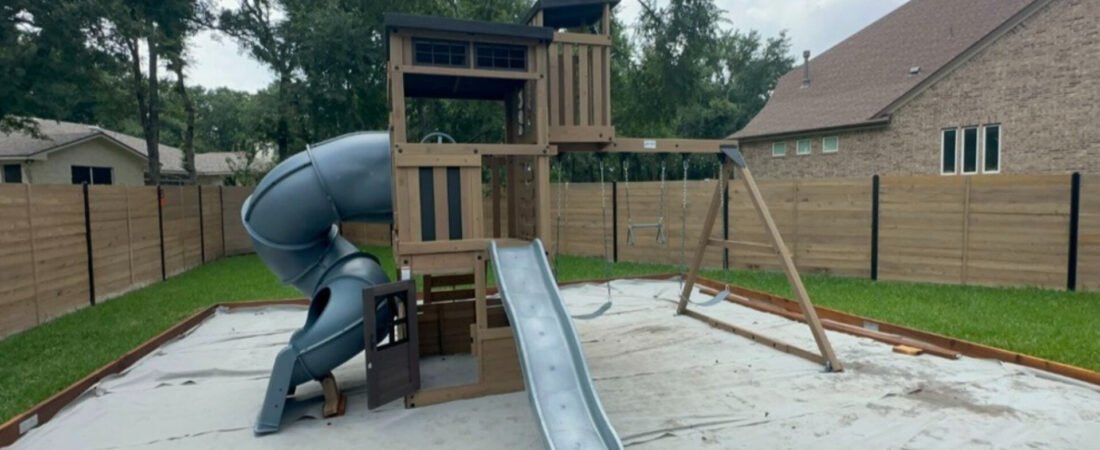
Professional Installation and Assembly of Children’s Playground Equipment with Full Compliance with Safety Principles
Professional playground equipment installation is one of the most important steps in creating a safe, durable, and enjoyable play environment for children. Even the highest-quality playground equipment can become unsafe when it is incorrectly assembled, poorly anchored, or installed without considering safety zones and protective surfacing.
For schools, nurseries, childcare centers, public parks, residential communities, hotels, and recreational facilities, choosing professional playground installation services is an investment in children’s safety as well as the long-term performance of the equipment.
A professional installation process involves much more than assembling playground components. It includes site assessment, equipment assembly, foundation preparation, secure anchoring, protective surfacing installation, safety inspections, and compliance with applicable playground safety standards.
In this guide, we explain everything you need to know about professional playground equipment installation, from the initial site assessment to final inspection and ongoing maintenance.
Professional Installation and Assembly
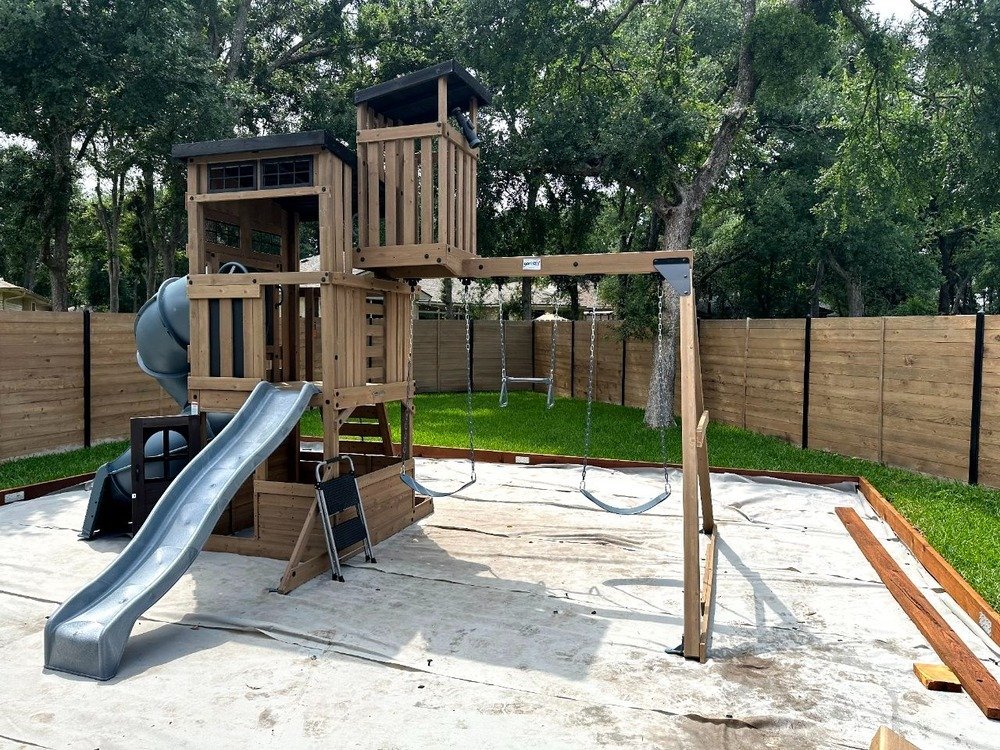
Why Professional Playground Equipment Installation Is Important
Children’s playground equipment is designed to withstand frequent use and different types of physical activity. Swings, slides, climbing frames, platforms, bridges, and other structures are exposed to repeated movement and loads every day.
Professional Installation and Assembly
When playground equipment is not installed correctly, even a small mistake can create a serious safety risk.
Incorrect installation may result in:
- Unstable or moving structures
- Loose bolts and fasteners
- Insufficient fall protection
- Unsafe equipment spacing
- Entrapment hazards
- Sharp edges and dangerous protrusions
- Poor drainage
- Premature equipment deterioration
- Inadequate impact protection
Professional playground equipment installation minimizes these risks by ensuring that every component is assembled and positioned according to the manufacturer’s specifications and applicable safety requirements.
Professional Installation and Assembly
The U.S. Consumer Product Safety Commission (CPSC) identifies equipment installation, protective surfacing, layout, fall hazards, entrapment, sharp edges, protrusions, and maintenance as important elements of playground safety.
For this reason, professional installation should be considered an essential part of every playground project rather than an optional service.
What Does Professional Playground Installation Include?
Professional playground installation is a complete process that begins before the equipment is assembled.
Depending on the project, professional installation services may include:
- Site assessment
- Playground layout planning
- Ground preparation
- Foundation and anchoring work
- Playground equipment assembly
- Installation of slides and climbing equipment
- Swing installation
- Protective surfacing installation
- Safety-zone verification
- Hardware and connection inspection
- Final safety inspection
- Installation documentation
- Maintenance recommendations
Professional Installation and Assembly
The exact process depends on the type of equipment, site conditions, manufacturer requirements, and local regulations.
Step 1: Playground Site Assessment
The first stage of professional playground equipment installation is evaluating the installation site.
Before any equipment is assembled, installers should determine whether the site is suitable for the planned playground.
Important factors include:
Available Space
The site must provide enough space for the equipment itself as well as the required safety and use zones.
Playground equipment should not be installed too close to buildings, fences, trees, benches, lighting poles, roads, or other obstacles.
Professional Installation and Assembly
Ground Conditions
The condition of the ground can directly affect the stability of playground equipment.
Installers should consider soil type, ground strength, slope, underground conditions, and foundation requirements before installation begins.
Drainage
Effective drainage is essential for maintaining a safe and durable playground.
Standing water can damage equipment, reduce the performance of some surfacing materials, and create slippery or unsuitable play areas.
Accessibility
The installation team should also consider how children, parents, staff, and maintenance personnel will access the playground.
Professional Installation and Assembly
A well-planned site makes the playground easier to use, inspect, clean, and maintain.
Step 2: Reviewing Playground Equipment Specifications
Before assembly begins, professional installers should carefully review the manufacturer’s installation documentation.
This documentation may include:
- Assembly instructions
- Installation drawings
- Component lists
- Anchoring requirements
- Foundation specifications
- Fastener requirements
- Recommended tools
- Surfacing requirements
- Maintenance instructions
- Safety warnings
Professional Installation and Assembly
Every component should be identified before installation.
Using an incorrect bolt, connector, bracket, panel, or structural component can compromise the integrity of the entire playground.
Professional installers should therefore follow the manufacturer’s instructions rather than relying on general construction experience or assumptions.
Step 3: Professional Playground Equipment Assembly
Once the site and documentation have been reviewed, the playground equipment can be assembled.
Playground assembly requires precision because different components are designed to work together as a complete system.
Depending on the playground design, installation may involve:
Professional Installation and Assembly
- Steel or aluminum posts
- Platforms
- Slides
- Climbing walls
- Ladders
- Ramps
- Bridges
- Roofs
- Guardrails
- Barriers
- Swing frames
- Panels
- Interactive play elements
Each component must be installed in the correct position and orientation.
Fasteners should also be correctly installed and secured according to manufacturer specifications.
Improperly tightened bolts can loosen during use, while over-tightening certain components can damage materials or connections.
For this reason, professional playground assembly requires both appropriate tools and practical experience.
Professional Installation and Assembly
Step 4: Secure Anchoring and Foundation Installation
One of the most critical aspects of playground equipment installation is structural anchoring.
Playground equipment must remain stable while children climb, swing, slide, jump, and move across different parts of the structure.
The appropriate anchoring system depends on the playground design and site conditions.
Common installation methods may include:
- Concrete foundations
- Embedded posts
- Ground anchors
- Manufacturer-specific anchoring systems
- Engineered foundation systems
Professional Installation and Assembly
The anchoring method should always follow the equipment manufacturer’s specifications and applicable safety requirements.
Poor anchoring can cause movement, tilting, structural stress, and potentially dangerous instability.
Professional installers therefore pay close attention to foundation dimensions, anchor positioning, alignment, and curing requirements where concrete is used.
Step 5: Installing Protective Playground Surfacing
Protective surfacing is a fundamental component of playground safety.
Children can fall from platforms, climbing structures, swings, and other elevated equipment. Properly selected and installed impact-attenuating surfacing can reduce the severity of injuries caused by falls.
Professional Installation and Assembly
Depending on the project, playground surfacing may include:
- Engineered wood fiber
- Rubber mulch
- Poured-in-place rubber
- Rubber tiles
- Sand
- Pea gravel
- Other approved impact-attenuating materials
The correct surfacing solution depends on equipment height, fall height, site conditions, usage, maintenance requirements, and applicable standards.
A playground should never be installed over a hard surface such as concrete or asphalt without an appropriate protective surfacing system.
The protective surface must also cover the required use zones around the equipment.
Professional Installation and Assembly
Playground Use Zones and Safety Clearance
Correct playground layout is essential for preventing collisions and reducing fall-related risks.
Every piece of playground equipment requires an appropriate use zone around it.
For example, swings require additional space because the seats move backward and forward. Slides need an appropriate area around the exit, while climbing equipment requires sufficient fall-protection space around elevated areas.
Professional installers should verify that safety zones do not overlap in a way that creates additional hazards.
Professional Installation and Assembly
Equipment should also be positioned away from:
- Walls
- Fences
- Trees
- Benches
- Buildings
- Lighting fixtures
- Roads
- Hard surfaces
- Other playground structures
Correct spacing is an important part of professional playground installation and should be verified before the playground is opened.
Preventing Playground Entrapment Hazards
Professional Installation and Assembly
Entrapment is another important playground safety concern.
Children can potentially become trapped when openings are incorrectly designed or when installation creates unsafe gaps.
Potential problem areas include:
- Guardrails
- Platforms
- Ladders
- Bridges
- Climbing structures
- Protective barriers
- Enclosed play areas
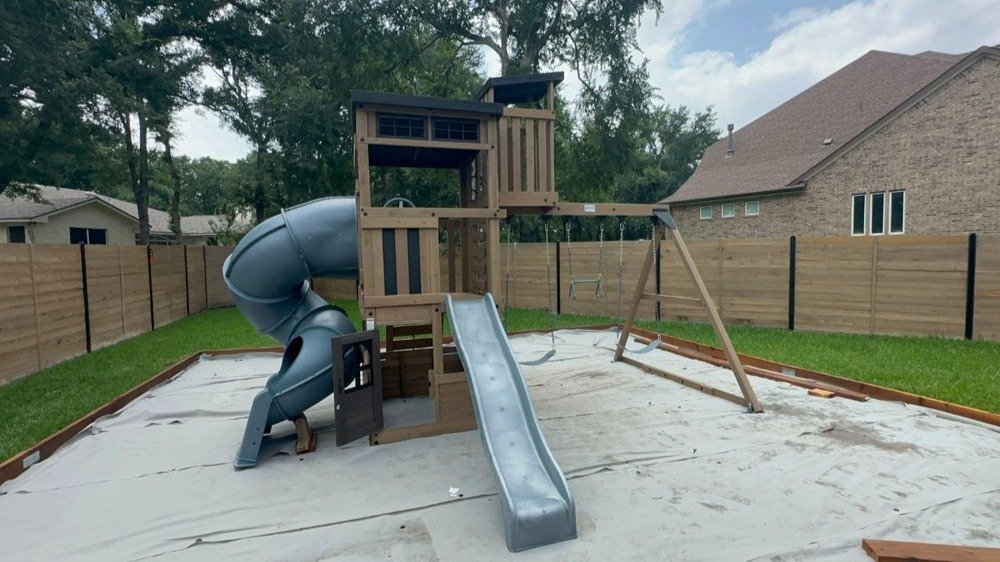
Professional Installation and Assembly
Professional installers should carefully inspect openings and connections throughout the playground.
A structure can be manufactured correctly but still become unsafe if components are incorrectly positioned during assembly.
This is one reason why professional installation and post-installation inspection are so important.
Eliminating Sharp Edges and Protruding Hardware
Children frequently touch, climb, sit, and slide across playground equipment.
Any accessible sharp edge or protruding component can therefore become a potential injury hazard.
Professional Installation and Assembly
During installation, professionals should inspect the equipment for:
- Sharp metal edges
- Sharp corners
- Exposed bolts
- Protruding screws
- Damaged protective caps
- Rough surfaces
- Splintered wooden components
- Damaged plastic parts
Hardware should be properly secured and protected where required.
Protective caps should also be installed correctly and replaced if they are missing or damaged.
Preventing Clothing and Hair Entanglement
Professional Installation and Assembly
Entanglement hazards can occur when clothing, hair, cords, or other materials become caught in playground equipment.
Areas requiring particular attention include:
- Hooks
- Chains
- Ropes
- Gaps
- Protruding hardware
- Moving components
- Unapproved attachments
Playground equipment should not be modified by adding ropes, cords, swings, or other accessories unless those additions are specifically approved by the manufacturer.
Parents and playground operators should also be informed about the risks associated with attaching personal items to playground equipment.
Professional Installation and Assembly
Professional Swing Installation
Swing installation requires special attention because swings are dynamic pieces of equipment.
A professionally installed swing system should be correctly aligned, securely connected, and positioned within the appropriate use zone.
Installers should inspect:
- Swing hangers
- Chains
- Seats
- Connectors
- Frame stability
- Clearance
- Spacing
- Protective surfacing
Professional Installation and Assembly
The area beneath and around swings should receive particular attention because it experiences frequent impact and high levels of foot traffic.
Final Playground Safety Inspection
Completing the physical installation does not mean the playground is ready for use.
A final inspection should be performed before children are allowed to access the equipment.
The inspection should verify:
Professional Installation and Assembly
- Correct assembly
- Secure anchoring
- Properly installed fasteners
- Correct equipment configuration
- Appropriate protective surfacing
- Adequate use zones
- No sharp edges
- No dangerous protrusions
- No unacceptable entrapment hazards
- Correct operation of moving components
- Proper drainage
- No trip hazards
- No missing components
A qualified inspector should assess the completed playground before it is opened.
This final step provides an additional layer of protection and can identify installation issues that may not be obvious during assembly.
Professional Installation and Assembly
Playground Safety Standards and Compliance
Safety compliance should be an integral part of playground installation.
Depending on the country and project type, different standards and regulations may apply.
In the United States, ASTM playground standards and CPSC guidance are commonly referenced for public playground safety. In Europe and many international markets, EN 1176 is an important standard for playground equipment and surfacing.
However, compliance should always be evaluated according to the specific location, equipment type, project requirements, and applicable regulations.
Professional playground installation companies should understand these requirements and incorporate them into the installation process.
Following safety standards is not simply about meeting regulatory requirements. It also helps create a safer, more reliable, and more durable playground environment.
Professional Installation and Assembly
Common Playground Installation Mistakes
Several installation mistakes can compromise playground safety.
Incorrect Equipment Positioning
Installing equipment too close to other structures can create collision hazards.
Inadequate Anchoring
Weak or incorrectly positioned anchors can affect structural stability.
Incorrect Protective Surfacing
Using unsuitable surfacing or insufficient depth can reduce protection against falls.
Professional Installation and Assembly
Ignoring Manufacturer Instructions
Every playground system has specific assembly and installation requirements. Ignoring them can create structural and safety problems.
Poor Drainage
Inadequate drainage can lead to water accumulation and deterioration of the playground environment.
Skipping the Final Inspection
A playground should not be opened simply because assembly appears complete. A professional inspection is an essential final step.
Why Choose Professional Playground Installation Services?
Professional Installation and Assembly
Hiring a professional playground installer offers several important advantages.
Improved Safety
Experienced installers understand how to identify and prevent common installation hazards.
Better Equipment Performance
Correct assembly and anchoring help the equipment perform as intended.
Longer Equipment Life
Proper installation can reduce unnecessary stress and premature wear.
Compliance Support
Professional Installation and Assembly
Professional installers can help ensure that the project follows applicable safety requirements and manufacturer specifications.
Better Long-Term Maintenance
A correctly installed playground is easier to inspect, repair, and maintain.
Reduced Installation Errors
Professional experience reduces the likelihood of incorrect assembly, missing components, and structural problems.
Playground Installation for Schools, Parks, and Commercial Facilities
Professional Installation and Assembly
Professional playground installation is suitable for a wide range of environments.
Schools and Childcare Centers
Schools and childcare facilities require playgrounds that can withstand frequent daily use while maintaining a high level of safety.
Public Parks
Public playgrounds often experience heavy traffic and therefore require durable equipment, appropriate surfacing, and professional installation.
Residential Developments
Apartment complexes, housing developments, and communities can benefit from professionally installed playgrounds designed for safe recreational use.
Professional Installation and Assembly
Hotels and Resorts
Hotels and resorts increasingly provide dedicated play areas for families. Professional installation helps ensure that these recreational facilities are safe, attractive, and durable.
Commercial Playgrounds
Commercial playgrounds require careful planning because they may accommodate large numbers of children and different age groups.
Playground Installation and Long-Term Maintenance
Professional installation is only the first step in playground safety.
After installation, playground owners should establish a regular inspection and maintenance program.
Maintenance should include checking for:
Professional Installation and Assembly
- Loose bolts
- Missing parts
- Rust
- Corrosion
- Cracks
- Broken components
- Damaged plastics
- Splintered wood
- Worn moving parts
- Damaged surfacing
- Displaced loose-fill material
- Trip hazards
- Vandalism
- Unauthorized modifications
High-use playgrounds may require more frequent inspections.
Protective surfacing should receive particular attention because it can become displaced in areas where children frequently land or walk.
Regular maintenance allows small problems to be corrected before they develop into major safety or structural issues.
Professional Installation and Assembly
How to Choose a Professional Playground Installer
Choosing the right installation company is an important part of any playground project.
Before hiring an installer, consider:
- Experience with children’s playground equipment
- Knowledge of playground safety standards
- Familiarity with manufacturer specifications
- Qualified installation personnel
- Experience with playground surfacing
- Foundation and anchoring expertise
- Quality-control procedures
- Post-installation inspection services
- Documentation
- Maintenance support
Professional Installation and Assembly
A reliable playground installation company should be able to explain the installation process clearly and demonstrate how safety requirements will be addressed.
Price is important, but it should not be the only factor.
An inexpensive installation that results in safety problems, premature equipment damage, or expensive repairs may ultimately cost much more than professional installation from the beginning.
Conclusion
Professional playground equipment installation is essential for creating a safe, durable, and reliable play environment for children.
From the initial site assessment to equipment assembly, anchoring, protective surfacing, safety-zone verification, and final inspection, every stage of the installation process plays an important role in playground safety.
Following manufacturer instructions and applicable playground safety standards helps reduce risks associated with falls, entrapment, entanglement, sharp edges, unstable structures, and inadequate protective surfacing.
However, playground safety does not end when installation is complete. Regular inspections, preventive maintenance, and timely repairs are equally important for maintaining a safe playground throughout its service life.
Whether the project is a school playground, childcare facility, public park, residential community, hotel, or commercial recreation area, working with an experienced professional playground installation company can provide greater confidence in the safety, quality, and long-term performance of the equipment.
A professionally installed playground is more than a collection of slides, swings, and climbing structures. It is a carefully planned recreational environment designed to support children’s physical activity, social development, exploration, and enjoyment while putting safety first.
Frequently Asked Questions About Playground Equipment Installation
How long does playground equipment installation take?
The installation time depends on the size and complexity of the playground, site conditions, foundation requirements, equipment type, and surfacing system. Small playgrounds may be completed relatively quickly, while large commercial playgrounds can require a more extensive installation process.
Why should playground equipment be professionally installed?
Professional installation helps ensure that equipment is correctly assembled, securely anchored, appropriately positioned, and installed with the required protective surfacing and safety zones.
What surface is safest under playground equipment?
The appropriate protective surfacing depends on the equipment, fall height, location, and applicable safety requirements. Impact-attenuating materials such as engineered wood fiber, rubber surfacing, and other approved systems may be used.
Does playground equipment need to be inspected after installation?
Yes. A completed playground should be inspected before it is opened for use. Regular inspections should also continue throughout the playground’s service life.
What are the most common playground installation hazards?
Common hazards include unstable structures, inadequate protective surfacing, insufficient safety zones, sharp edges, protruding hardware, entrapment openings, entanglement hazards, and improperly installed components.
Is playground maintenance necessary after professional installation?
Yes. Even a professionally installed playground requires regular inspection and maintenance to remain safe and functional over time.
What playground safety standards apply to installation?
The applicable standards depend on the project location and type of playground. Examples include CPSC guidance and ASTM standards in the United States and EN 1176 in many European and international markets. Always verify the requirements applicable to your specific project.
📞 Need Help?
Let us take care of the hard work while you sit back and relax.
📍 Serving: Austin, Round Rock, Cedar Park & more
📱 Call or Text: (737) 420-6992
🌐 Visit: https://lavahandyman.com