Professional Assembly of Modern, Classic, and Contemporary Sofas Using Specialized Tools and Techniques
Furniture plays an important role in creating a comfortable, functional, and attractive home. Whether you have purchased a new sofa, an elegant classic furniture set, or a modern modular cabinet, proper installation is essential for stability, appearance, and everyday use. Professional furniture assembly services help homeowners assemble furniture correctly while reducing the risk of damage caused by incorrect installation.
Assembling furniture at home requires more than basic tools. The process involves understanding furniture components, following manufacturer instructions, choosing suitable fasteners, and ensuring that every connection is secure. Different furniture styles also require different techniques. Upholstered sofas need careful handling, classic wooden furniture requires attention to decorative finishes, and modern flat-pack furniture often depends on accurate panel alignment and specialized connectors.
In this guide, you will learn how to assemble comfortable, classic, and modern furniture at home, which tools are required, how to avoid common assembly mistakes, and when professional furniture assembly services may be the best option.
Professional Assembly
What Is Professional Furniture Assembly?
Professional furniture assembly is the process of putting furniture components together according to the manufacturer’s instructions and recommended installation methods. It may include unpacking, identifying components, assembling the main structure, attaching legs and supports, adjusting moving parts, and performing a final safety inspection.
Professional Assembly
Furniture assembly services are useful for many household items, including sofas, beds, wardrobes, dining tables, shelving units, cabinets, and modular furniture systems.
The exact assembly process depends on the furniture’s design, materials, size, and fastening system. Some products are designed for straightforward do-it-yourself assembly, while others require specialized tools, additional assistance, or professional experience.
A careful installation process helps ensure that furniture is assembled as intended and is ready for normal use.
Types of Furniture Assembly Services
Professional Assembly
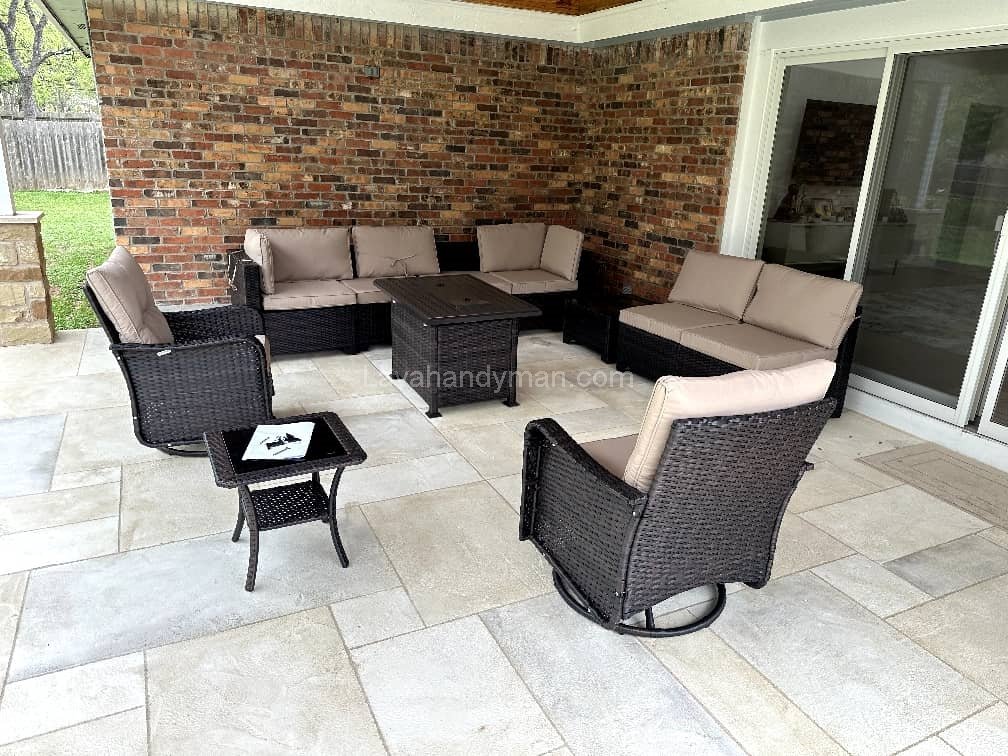
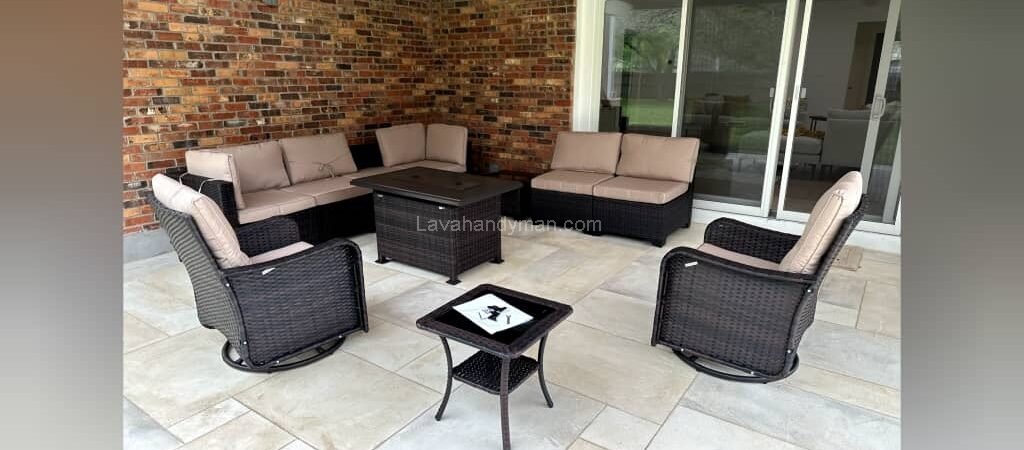
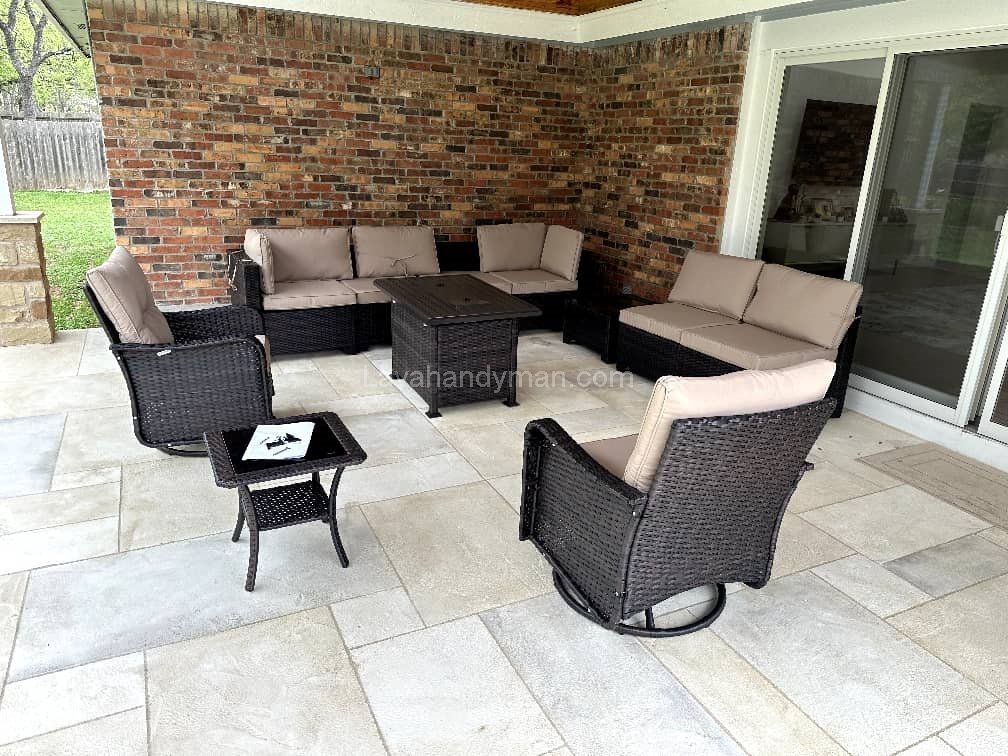
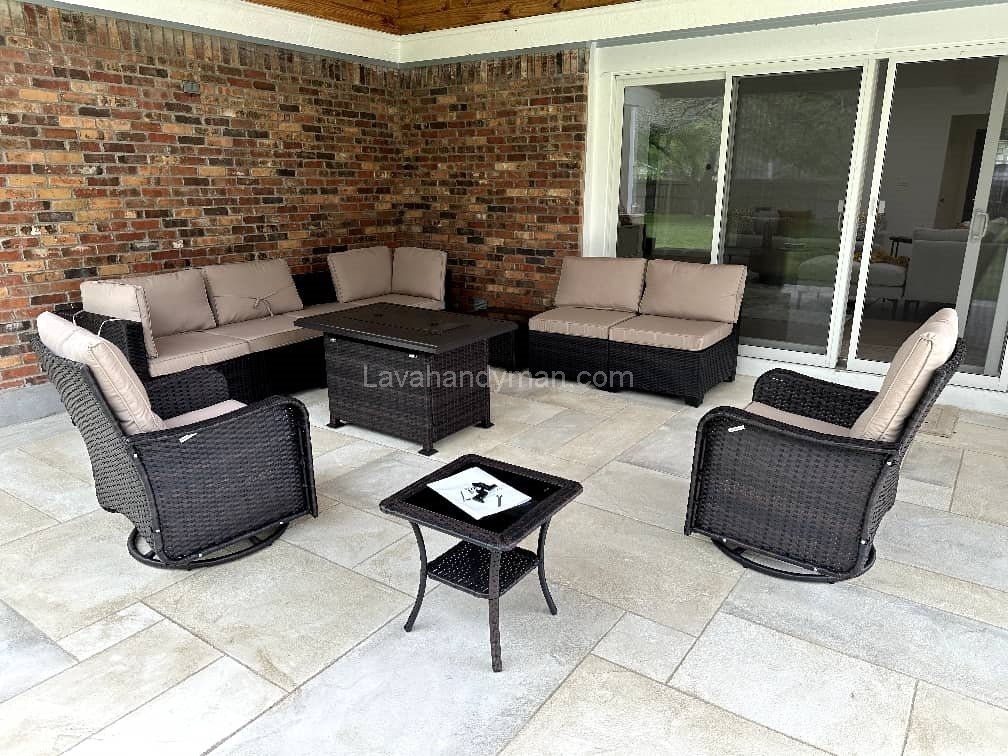
1. Comfortable Sofa and Upholstered Furniture Assembly
Comfortable furniture includes sofas, sectional couches, recliners, armchairs, and other upholstered seating products. These items commonly contain wooden or metal frames, fabric or leather upholstery, foam cushions, support brackets, and sometimes moving mechanisms.
Sofa assembly may involve attaching legs, connecting armrests and backrests, joining sectional pieces, or installing manufacturer-supplied support components.
Before assembling an upholstered sofa, protect the fabric and cushions from sharp tools, dirt, and excessive pressure. Place the components on a clean, padded surface and check that the correct hardware is available.
Professional Assembly
For sectional sofas, make sure the connecting brackets or clips are correctly aligned and fully engaged. If the sections do not fit together, check their orientation rather than forcing them into position.
Reclining sofas require additional care because their mechanical components must be installed correctly. Follow the product instructions and keep hands away from moving parts during testing.
2. Classic Wooden Furniture Assembly
Classic furniture is known for traditional designs, decorative details, carved wood, elegant finishes, and timeless shapes. Examples include classic dining tables, traditional cabinets, wooden display units, ornate furniture sets, and decorative bedroom furniture.
Professional Assembly
Assembling classic furniture requires careful handling because polished surfaces, veneers, carvings, and decorative moldings can be damaged by unsuitable tools or excessive pressure.
Use a protective mat when positioning wooden components. Check the alignment of joints and mounting holes before tightening screws or bolts. If the furniture uses dowels, specialized joints, or adhesive, follow the manufacturer’s instructions for the appropriate installation method.
Avoid forcing decorative pieces into place. If a component does not fit, inspect its orientation and connection points before continuing.
Antique or restored furniture may require specialist assessment because its existing joints and finishes can be fragile. In such cases, a furniture restoration professional may be more appropriate than a general assembly service.
Professional Assembly
3. Modern and Modular Furniture Assembly
Modern furniture often features minimalist designs, clean lines, multifunctional storage, and modular construction. Common examples include flat-pack wardrobes, contemporary shelving units, modern beds, modular cabinets, and compact furniture for smaller homes.
Many products use cam locks, dowels, bolts, brackets, and concealed connectors. These systems require accurate positioning because incorrect assembly can cause uneven panel gaps, misaligned doors, or unstable structures.
Professional Assembly
Organize all panels and fasteners before starting. Check the orientation of finished edges and pre-drilled holes against the assembly manual.
A cordless screwdriver can make installation faster, but excessive torque may damage engineered wood or strip screw holes. Use suitable torque settings and tighten sensitive connections manually when necessary.
Tall cabinets, wardrobes, and shelving units should be secured according to the manufacturer’s anti-tip instructions and the requirements of the wall structure.
Professional Assembly
Essential Tools for Furniture Assembly at Home
Using the right furniture assembly tools can improve accuracy, reduce installation time, and help prevent unnecessary damage.
Screwdrivers and Cordless Screwdrivers
Flathead and Phillips screwdrivers are useful for tightening screws, attaching brackets, and securing small components. The screwdriver tip must match the fastener to prevent slipping or damaging the screw head.
Professional Assembly
Cordless screwdrivers can speed up the assembly of cabinets, bed frames, and flat-pack furniture. Adjustable torque settings are especially useful when working with engineered wood and delicate components.
Allen Keys and Hex Keys
Allen keys are commonly used for furniture that contains hexagonal socket bolts. They are particularly useful for assembling tables, beds, metal frames, and many modern furniture products.
Always use the correct key size to avoid rounding the socket or damaging the fastener.
Professional Assembly
Measuring Tape and Spirit Level
A measuring tape helps confirm furniture dimensions, room clearances, and the position of larger pieces. A spirit level helps identify uneven installation and can be useful when adjusting cabinets, shelving units, and tables.
Rubber Mallet
A rubber mallet can help position components that are designed to fit together with gentle pressure. Use protective padding when appropriate and never strike a component that appears misaligned.
Professional Assembly
Wrenches, Pliers, and Socket Sets
These tools are useful for installing nuts, bolts, metal brackets, and structural connections. Select the correct size and avoid applying excessive force to finished surfaces or delicate fasteners.
Protective Equipment
Floor blankets, padded mats, suitable gloves, safety glasses, and small containers for hardware can help create a safer and more organized workspace.
The required tools vary by product, so the manufacturer’s instructions should always guide the selection and use of equipment.
Professional Assembly
Step-by-Step Furniture Assembly Process
Step 1: Prepare the Workspace
Choose a clean, dry, and well-lit area with enough space to arrange the furniture components. Protect the floor with a suitable mat or blanket.
Measure doorways, hallways, staircases, and the final installation area when assembling large furniture. This helps avoid difficulties moving the completed item into position.
Professional Assembly
Step 2: Inspect All Furniture Components
Compare the supplied components with the manufacturer’s parts list. Check for missing hardware, damaged panels, cracked frames, bent brackets, and upholstery defects.
Professional Assembly
If a structural component is damaged or a required fastener is missing, contact the manufacturer or retailer before proceeding.
Step 3: Organize the Hardware
Separate screws, bolts, washers, dowels, and connectors according to their size and type. Do not assume that similar-looking fasteners are interchangeable.
Using the wrong screw length or connector may damage the furniture or prevent the connection from working correctly.
Professional Assembly
Step 4: Follow the Assembly Instructions
Read the manual and identify the correct assembly sequence. Locate orientation markings, diagrams, warnings, and instructions for moving mechanisms or wall anchoring.
If the instructions are unclear, consult the manufacturer instead of guessing.
Step 5: Assemble the Main Structure
Professional Assembly
Connect the main panels, rails, frame sections, or supports according to the specified sequence.
Where appropriate, leave fasteners slightly loose until the main structure is aligned. Follow any instructions that require a different tightening sequence.
Step 6: Attach Legs and Support Components
Install the legs, brackets, rails, and other structural components using the specified hardware. Check that mounting points line up correctly and that each part is installed in the intended orientation.
Professional Assembly
Do not force screws into misaligned holes or drill new holes unless the product instructions permit it.
Step 7: Install Finishing Components
Attach handles, decorative elements, shelves, backrests, cushions, and other finishing parts.
Protect polished wooden surfaces and upholstery during this stage. For modular furniture, verify that panel edges and visible gaps are aligned correctly.
Professional Assembly
Step 8: Perform a Final Inspection
Check accessible fasteners, furniture alignment, leg stability, drawer movement, door operation, and any mechanical features.
Secure furniture to the wall where required by the manufacturer. Do not use furniture with unresolved structural defects or unstable connections.
Common Furniture Assembly Mistakes to Avoid
Professional Assembly
Even simple furniture can be damaged by incorrect installation. Avoiding common mistakes helps protect the furniture and reduces the need for repairs.
Using the wrong tools: Incorrect screwdriver sizes or unsuitable wrenches can damage fasteners and surfaces.
Overtightening screws: Excessive force may strip threads, crack panels, or damage wooden connections.
Ignoring the assembly sequence: Installing parts in the wrong order can make later connections difficult or cause misalignment.
Professional Assembly
Forcing components together: A part that does not fit may be incorrectly positioned, damaged, or paired with the wrong fastener.
Skipping the final inspection: Furniture can appear complete while still containing loose connections or improperly engaged brackets.
Failing to secure tall furniture: Wardrobes and tall shelving units may require anti-tip restraints to reduce the risk of tipping.
Following the manufacturer’s instructions and checking each assembly stage can help prevent these problems.
Professional Assembly
Benefits of Professional In-Home Furniture Assembly
Professional in-home furniture assembly can be a convenient option for homeowners who want assistance with large, complicated, or delicate furniture.
Time and Convenience
An experienced assembler can organize the components, follow the instructions, and complete the required installation steps efficiently. This is especially useful for large wardrobes, sectional sofas, beds, and modular storage systems.
Professional Assembly
Careful Handling
Suitable tools and protective materials help reduce the risk of scratches, upholstery damage, and broken fasteners during assembly.
Accurate Installation
Proper alignment and correctly installed connectors contribute to the furniture’s intended stability and functionality.
Assistance With Complex Furniture
Professional Assembly
Some products include moving mechanisms, concealed fasteners, or complicated modular systems. Professional assistance may be useful when the installation requirements exceed the homeowner’s experience or available tools.
Support During Furniture Relocation
Some furniture must be partially disassembled before moving and reassembled at the destination. A suitable service can help with these tasks when the product is designed to be disassembled.
Professional assembly cannot correct every manufacturing defect, so damaged components and missing hardware should still be reported to the supplier.
Professional Assembly
How Much Do Furniture Assembly Services Cost?
The cost of furniture assembly depends on the size, design, complexity, and installation requirements of the product. There is no single price that applies to every furniture item.
Common pricing factors include:
- Furniture type and dimensions.
- Number of components and fasteners.
- Assembly time and complexity.
- Accessibility of the installation location.
- Whether disassembly or reassembly is required.
- Additional wall anchoring or specialized installation.
- Travel distance and the service provider’s pricing policy.
Professional Assembly
A simple table may require less work than a large wardrobe or reclining sofa. To receive an accurate quote, provide the service provider with the furniture model, dimensions, photographs, and assembly instructions when available.
Before booking, confirm whether unpacking, packaging removal, final adjustments, and additional installation tasks are included in the quoted price.
Furniture Safety and Maintenance After Assembly
Correct assembly is only one part of maintaining furniture. Regular care helps preserve its appearance and functionality.
Professional Assembly
Follow the manufacturer’s recommendations for checking fasteners and maintaining moving parts. Avoid repeatedly tightening connections without a reason, as excessive force can damage the materials.
Clean upholstered furniture using products and methods suitable for the fabric. Protect wooden furniture from excessive moisture, heat, and abrasive cleaning materials.
Keep cabinets and shelving within their recommended load limits. Secure tall furniture according to the manufacturer’s instructions and use appropriate wall fixings for the wall construction.
For reclining or electrically powered furniture, follow the specified operating and maintenance instructions. Stop using any item that becomes unstable or develops a structural fault until the problem has been addressed.
Professional Assembly
Advanced Furniture Assembly Techniques for Safe and Accurate Installation
Professional furniture assembly involves more than connecting individual parts. Understanding furniture materials, planning the installation area, checking structural alignment, and organizing the assembly process are all important steps toward achieving reliable results. These techniques are particularly useful when assembling modern furniture, classic wooden pieces, and upholstered furniture at home.
Understanding Different Furniture Materials
Professional Assembly
Choosing the correct furniture assembly method starts with identifying the materials used in the product. Solid wood, plywood, medium-density fiberboard (MDF), particleboard, and metal each require appropriate handling and fastening techniques.
Solid wood furniture may contain natural variations in grain and density. During assembly, components should be aligned carefully to prevent unnecessary stress on joints and connections. Engineered wood furniture often uses pre-drilled holes, dowels, and cam-lock fasteners, making accurate positioning essential.
Metal furniture frames require particular attention to bolt alignment and support brackets. Before tightening the fasteners, check that the frame is straight and that the components fit together according to the manufacturer’s instructions.
Understanding these material differences helps improve furniture assembly accuracy and reduces the risk of damaging panels, joints, or finished surfaces.
Professional Assembly
Furniture Assembly in Small Apartments and Limited Spaces
Assembling furniture in a small apartment presents practical challenges, especially when installing large wardrobes, beds, desks, or modular storage units.
Before starting, measure the available floor space and check doorways, hallways, and access routes. Make sure there is enough room to position the furniture components and use assembly tools safely.
For compact living spaces, modular furniture can provide practical storage and flexible room layouts. However, each unit must still be assembled according to its instructions, including any requirements for wall anchoring or structural support.
Professional Assembly
Whenever possible, position large furniture near its intended location before completing the final assembly steps. Avoid blocking exits, damaging walls, or creating hazards while moving heavy components.
Careful preparation makes in-home furniture assembly more manageable and helps reduce unnecessary handling.
How to Check Furniture Stability After Assembly
Furniture stability is an essential part of a successful installation. A wardrobe that rocks, a table with uneven legs, or a sofa with loose connections may indicate an assembly problem that needs attention.
After assembling furniture, inspect the main joints, support rails, legs, brackets, and accessible fasteners. Check whether the item sits evenly on the floor and whether its components align correctly.
Professional Assembly
For cabinets and drawers, test their movement and confirm that doors open and close without unnecessary resistance. If the furniture includes adjustable feet, use them according to the manufacturer’s instructions.
Tall furniture, including bookcases and wardrobes, should be secured using the recommended anti-tip hardware and suitable wall fixings. Never assume that a heavy piece is safe simply because it stands upright.
If you identify a damaged joint, cracked panel, or unstable frame, stop using the furniture until the problem has been properly addressed.
Organizing Furniture Assembly for Multiple Rooms
When installing furniture throughout a home, planning the order of work can improve efficiency and keep the installation area organized.
Begin by reviewing the instructions for each furniture item. Separate screws, bolts, brackets, and other hardware into clearly labeled groups to prevent components from being mixed between products.
Consider assembling essential items first, such as beds, dining tables, and seating. Secondary storage units and decorative furniture can follow once the most important areas are functional.
After completing each item, perform a final inspection before moving on to the next. Keep tools and packaging away from finished furniture, and dispose of packaging materials safely.
An organized furniture assembly process reduces confusion, helps prevent missing components, and makes it easier to identify problems early.
When to Hire Professional Furniture Assembly Services
Some furniture products can be assembled easily by following the manufacturer’s instructions. Others may require additional experience, specialized tools, or help handling large and heavy components.
Professional furniture assembly services can be useful for complex wardrobes, modular furniture systems, upholstered sofas, and furniture with moving mechanisms. An experienced assembler can assess the components, follow the specified installation sequence, and check the completed structure.
Before booking a service, provide the furniture model, dimensions, photographs, and assembly instructions when available. Ask which tasks are included in the price and whether additional services, such as disassembly, reassembly, or wall anchoring, are available.
Choosing an appropriate service can make furniture installation more convenient while helping protect the product during handling and assembly.
Frequently Asked Questions About Furniture Assembly Services
How long does furniture assembly take?
Assembly time depends on the furniture’s size, design, number of components, and the clarity of the instructions. A small table may take considerably less time than a large wardrobe or modular sofa.
Can I assemble furniture without professional help?
Many simple furniture products are designed for DIY assembly. You will need suitable tools, adequate workspace, and the ability to follow the manufacturer’s instructions. Large or complex items may require additional assistance.
What tools are needed for sofa assembly?
Common tools include screwdrivers, Allen keys, suitable wrenches, and protective materials. The exact requirements depend on the sofa model and its supplied hardware.
Why is my furniture unstable after assembly?
Possible causes include uneven flooring, incorrectly installed legs, loose fasteners, misaligned components, or damaged parts. Inspect the furniture according to the manufacturer’s instructions and resolve the cause before use.
Can furniture be disassembled and reassembled after moving?
Some furniture is designed to be disassembled and reassembled, but repeated assembly may affect certain joints or fasteners. Check the manufacturer’s guidance before taking the furniture apart.
How do I choose a furniture assembly service?
Look for relevant experience, clear pricing, suitable tools, careful handling practices, and familiarity with your furniture type. Confirm which tasks are included before booking.
Book Professional Furniture Assembly Services for Your Home
Whether you need help assembling a comfortable sofa, a classic wooden furniture set, or a modern modular system, careful installation makes a difference to the finished result.
Professional furniture assembly services can help with component assembly, structural alignment, installation of supplied hardware, and final checks in accordance with the manufacturer’s instructions.
Before arranging a service, prepare the furniture model, product dimensions, photographs, and assembly manual if available. This information helps the service provider understand the work required and provide a more accurate estimate.
Conclusion
Furniture assembly at home requires suitable tools, careful preparation, and attention to the manufacturer’s instructions. Comfortable sofas need careful handling of upholstery and support mechanisms, classic furniture requires protection for decorative finishes and wooden joints, and modern furniture depends on accurate alignment and correct use of connectors.
By following a systematic assembly process, avoiding common mistakes, and checking the finished structure, homeowners can reduce the risk of avoidable damage and installation problems.
When furniture is large, complex, delicate, or difficult to assemble, professional in-home furniture assembly may offer a convenient alternative. Choosing a service with relevant experience, suitable equipment, and clear pricing can make the installation process easier and help ensure that the furniture is assembled according to its intended design.
📞 Need Help?
Let us take care of the hard work while you sit back and relax.
📍 Serving: Austin, Round Rock, Cedar Park & more
📱 Call or Text: (737) 420-6992
🌐 Visit: https://lavahandyman.com