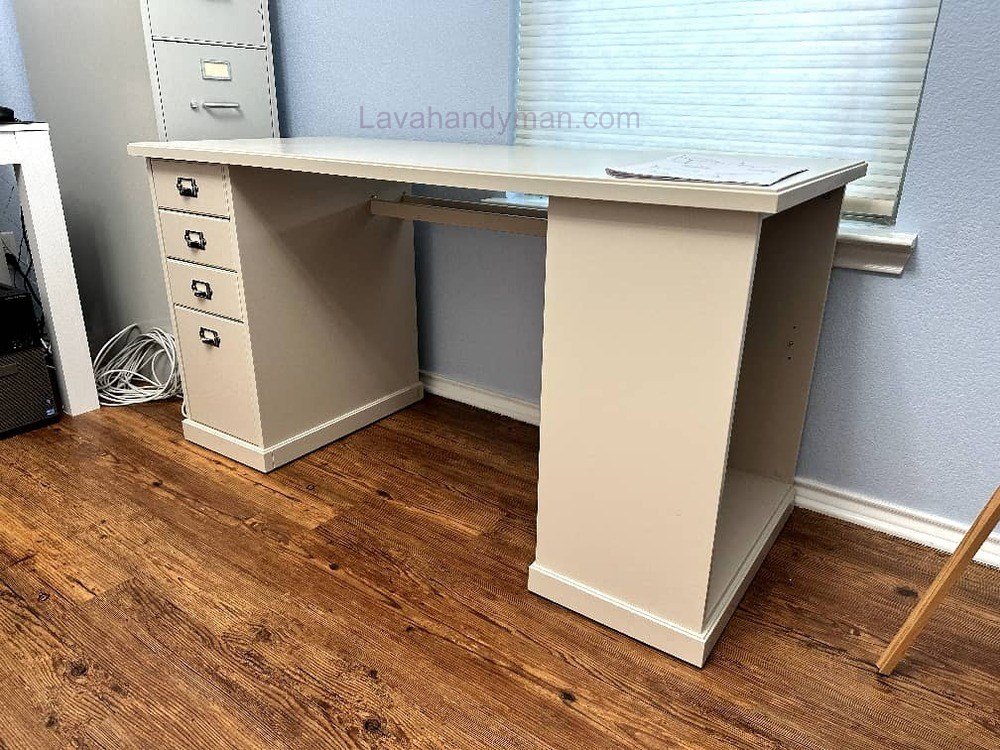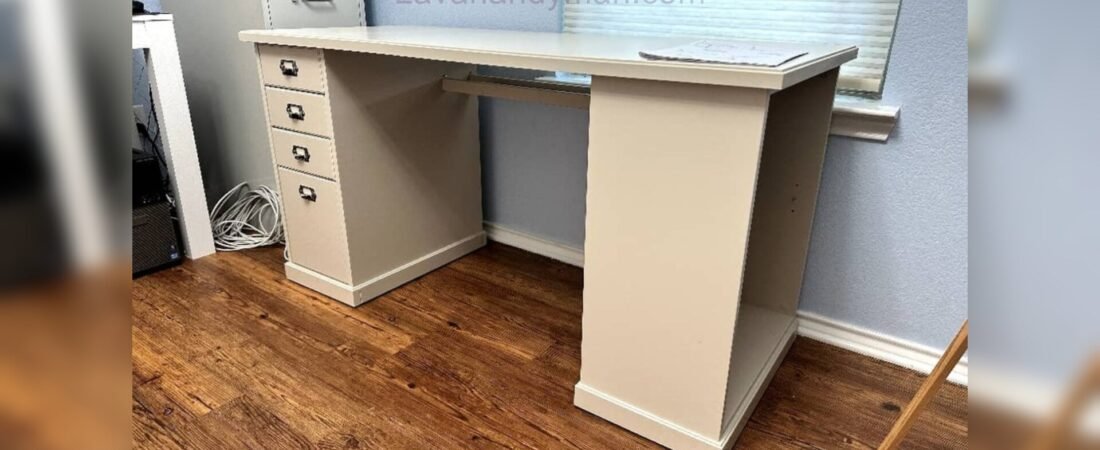
Precision Wood Assembly: Quality Craftsmanship from Components to Final Installation
Precision wood assembly is one of the most important stages in the construction and installation of wooden products and structures. The quality of the assembly process has a direct impact on the strength, durability, appearance, and performance of the final structure. Even when high-quality wood materials and advanced equipment are used, improper assembly of components and joints can negatively affect the final result.
Professional wood assembly is not simply about placing different components together. The process begins with wood component preparation and dimensional inspection and includes selecting the appropriate joining method, dry fitting, gluing, clamping, squaring and leveling, finishing, and final quality control.
In this article, we take a comprehensive look at the stages of precision wood assembly and explain the key principles that should be followed to achieve a professional, durable, and high-quality result.
Precision Wood Assembly
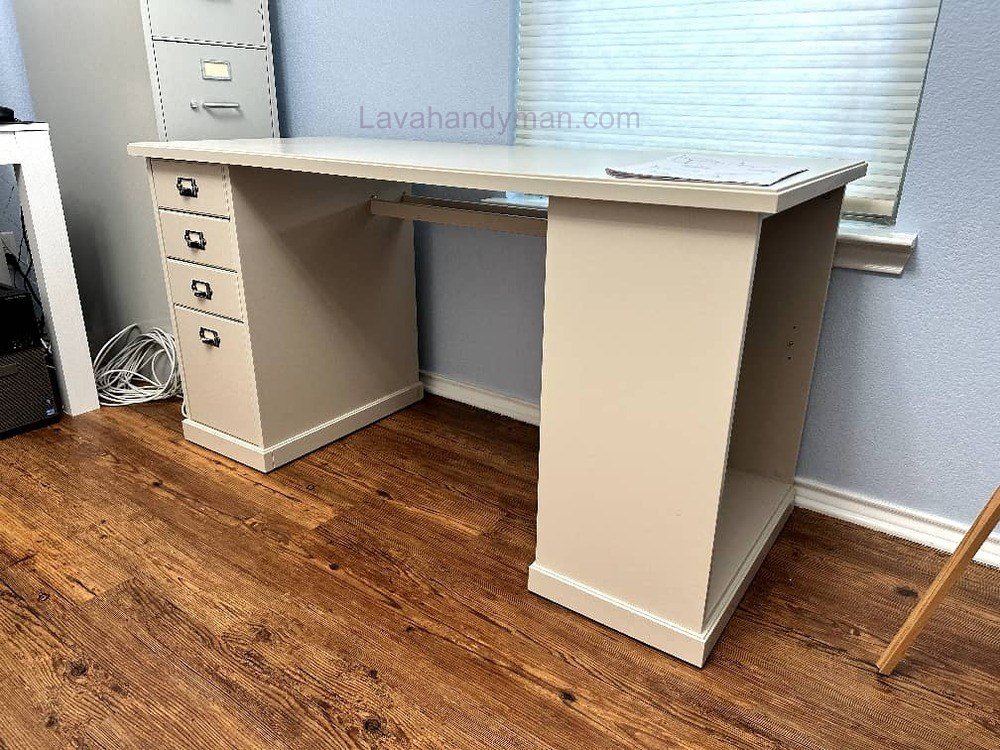
What Is Precision Wood Assembly?
Precision wood assembly is the process of positioning different wooden components according to a specific design, drawing, and set of dimensions and joining them together using wood joints, adhesives, screws, or other fastening methods to create a unified structure.
This process is used in the manufacturing of a wide range of products and structures, including:
- Wooden furniture
- Tables and chairs
- Cabinets and wardrobes
- Wooden doors and windows
- Wooden partitions
- Decorative wooden structures
- Custom wood products
- Interior building components
- Lightweight wooden structures
Precision Wood Assembly
The appropriate assembly method depends on factors such as the type of wood, component dimensions, structural design, applied loads, and environmental conditions.
Why Is Precision Wood Assembly Important?
Assembly accuracy is one of the main factors determining the quality of a wooden product. A small error in measuring, cutting, or positioning a component can lead to larger problems during later stages of production.
Professional wood assembly provides several important benefits, including:
- Increased structural strength
- Improved durability and service life
- Strong and stable joints
- Reduced component movement and looseness
- Proper alignment and squareness
- Improved overall appearance
- Reduced risk of component deformation
- Fewer installation errors
- Better finishing and painting results
Precision Wood Assembly
For this reason, assembly should be considered a critical part of the manufacturing process rather than simply a final step for putting components together.
Stages of Precision Wood Assembly
To achieve professional results, wooden structures should ideally be assembled through a clearly defined, step-by-step process.
1. Selecting and Inspecting Wooden Components
The first stage of precision wood assembly is selecting and inspecting the components. The quality of the wood used can have a direct impact on the final result.
Before assembly begins, components should be checked for:
- Warping
- Twisting
- Significant cracks
- Damaged edges
- Unsuitable knots
- Signs of decay
- Unusual discoloration
- Transportation damage
- Differences in thickness or dimensions
Precision Wood Assembly
Wood components with excessive warping or twisting may create unwanted pressure within joints during assembly.
2. Checking Component Dimensions
After the initial inspection, the dimensions of all components should be checked against the project drawings or specifications.
The length, width, and thickness of each component should be verified, and any necessary corrections should be completed before assembly begins.
Accurate measurement is extremely important because even a small dimensional error can result in gaps, misalignment, or loss of squareness during assembly.
For precision projects, it is recommended to verify measurements more than once.
Precision Wood Assembly
3. Controlling Wood Moisture Content
One of the important factors in wooden structure assembly is controlling the moisture content of the wood.
Wood responds to changes in environmental humidity by absorbing or releasing moisture. This process can cause dimensional changes in the material.
For this reason, wood should be allowed to acclimate to the environmental conditions of the location where it will be used.
A wood moisture meter can be useful for checking the condition of the material.
It is important to note that there is no single moisture-content value that is suitable for every project. The appropriate range depends on factors such as wood species, component thickness, climate, and the intended application.
Precision Wood Assembly
4. Preparing Wooden Components for Assembly
After selecting and inspecting the wood, the components need to be properly prepared for wood assembly.
This stage may include:
- Cutting the components
- Flattening surfaces
- Planing
- Bringing components to their final dimensions
- Creating joint locations
- Drilling
- Preliminary sanding
- Labeling components
Labeling components is particularly useful in large or complex projects. Numbering each component makes it easier to identify its correct position and reduces the risk of assembly errors.
Precision Wood Assembly
5. Considering Wood Grain Direction
In high-quality wooden products, component dimensions are not the only important consideration. The direction and visual pattern of the wood grain should also be taken into account.
For visible surfaces, components should ideally be arranged next to one another before final assembly so that the overall grain pattern can be evaluated.
This improves the appearance of the finished product and allows the arrangement to be adjusted before permanent joints are made.
6. Selecting the Right Wood Joint Method
One of the most important parts of precision wood assembly is selecting an appropriate joining method.
Depending on the project, various joining techniques can be used, including:
- Mortise and tenon joints
- Tongue-and-groove joints
- Mitre joints
- Dowel joints
- Screw fastening
- Mechanical fasteners
- Adhesive joints
- A combination of several joining methods
Precision Wood Assembly
The joining method should be selected according to the type of wood, component thickness, expected loads, structural design, and desired appearance.
For example, the appropriate joint for a lightweight decorative product may be very different from the joint required for a load-bearing wooden structure.
7. Dry Fitting the Components
One of the most important stages of professional wood assembly is dry fitting.
During this stage, the components are assembled without applying adhesive or creating permanent connections.
The purpose of dry fitting is to check:
Precision Wood Assembly
- Component compatibility
- Overall dimensions
- Joint locations
- Assembly sequence
- Structural squareness
- Surface alignment
- Screw and fastener locations
- Accessibility during final assembly
Dry fitting is one of the simplest and most effective ways to identify problems before applying adhesive or making permanent connections.
8. Determining the Assembly Sequence
In multi-component projects, the order in which components are assembled is extremely important.
Before beginning the work, it should be determined:
- Which component should be installed first?
- Which joints need to be completed before the structure is closed?
- Where should clamps be positioned?
- Where should adhesive application begin?
- Will installing one component restrict access to other areas?
Precision Wood Assembly
Establishing the correct assembly sequence can make the process faster, more efficient, and less prone to errors.
9. Selecting the Appropriate Wood Adhesive
Adhesives are widely used in many wood joints.
The appropriate adhesive should be selected based on the requirements of the project. Factors such as wood species, application location, environmental humidity, expected loads, and required curing time should be considered.
The amount of adhesive should also be appropriate for the specific joint.
Using too much adhesive can result in excessive squeeze-out and surface contamination, while using too little may reduce the quality of the bond.
10. Proper Adhesive Application
Before applying adhesive, the joining surfaces should be clean, properly prepared, and free from contaminants that could interfere with bonding.
Precision Wood Assembly
The adhesive should be distributed evenly across the appropriate surface. Once the components are positioned correctly, they should be held securely with controlled pressure.
One of the main advantages of dry fitting is that the assembler already knows the exact assembly sequence before applying adhesive, reducing confusion during the adhesive’s working time.
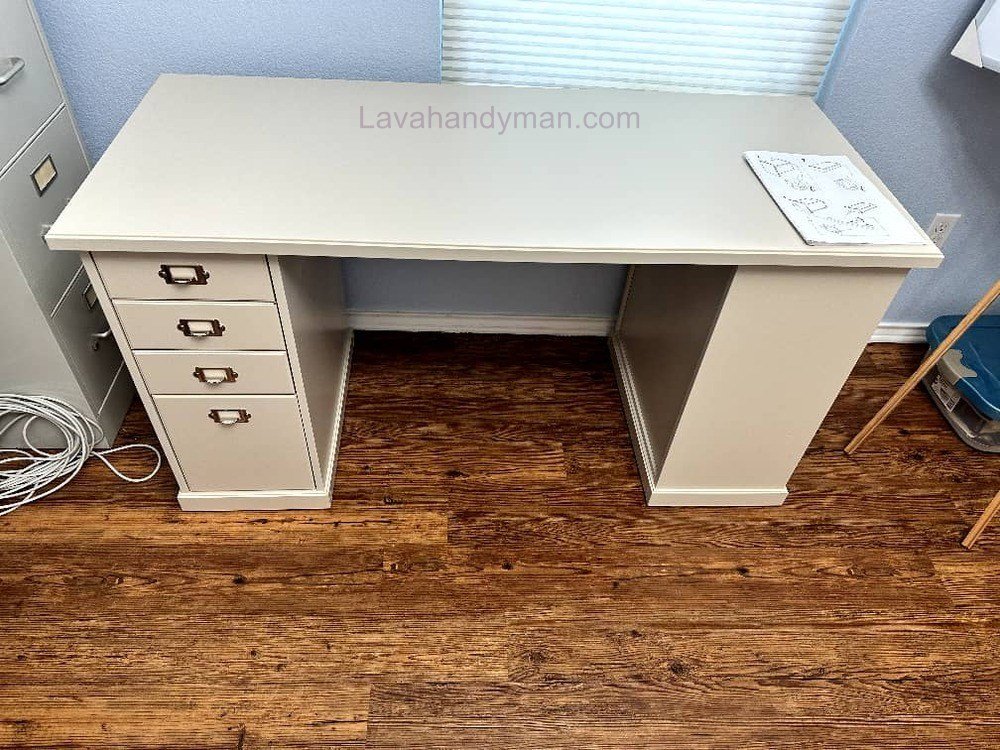
11. Proper Clamping During Wood Assembly
After adhesive application, the components should be secured in their correct positions using suitable clamps.
Clamps should provide enough pressure to maintain the joint, but excessive pressure does not necessarily create a stronger connection.
Where necessary, protective blocks can be placed between the clamp and the wood surface to prevent damage.
Precision Wood Assembly
It is important to remember that clamps should not be used to compensate for major cutting or dimensional errors. Components should already fit properly before clamping begins.
12. Checking Squareness and Level
Once the components have been positioned, the geometric accuracy of the structure should be checked.
For rectangular assemblies, comparing the two diagonal measurements can help determine whether the structure is square. Similar diagonal measurements generally indicate better squareness, although the required tolerance depends on the project.
The following should also be checked:
- Component perpendicularity
- Surface level
- Edge alignment
- Structural straightness
- Correct joint positioning
These checks should be performed before the assembly is fully secured so that adjustments can still be made.
13. Removing Excess Adhesive
After assembly, some adhesive may squeeze out from the joints.
Excess adhesive should be removed using an appropriate method because adhesive residue left on the surface can create problems during sanding, finishing, and painting.
At the same time, cleaning should be performed carefully to avoid damaging the wood surface.
The appropriate timing and cleaning method depend on the type of adhesive being used and the manufacturer’s instructions.
Precision Wood Assembly
14. Sanding and Final Surface Preparation
Once the joints have fully stabilized, the finishing process can begin.
Proper sanding helps remove tool marks, minor surface irregularities, and small differences between components.
Important considerations include:
- Choosing the appropriate sandpaper grit
- Sanding with the direction of the wood grain
- Avoiding deep scratches
- Maintaining consistent surface preparation
- Removing adhesive residue
- Paying special attention to edges and corners
The final sanding process should be selected according to the type of wood and the intended finish.
15. Preparing for Paint and Final Finishing
Before applying paint, oil, lacquer, or other protective finishes, the surface should be thoroughly cleaned and free of dust.
For certain projects, it may be more practical to apply a preliminary finish to some components before final assembly, especially when certain areas will become difficult to access afterward.
However, surfaces that will be bonded with adhesive must be prepared according to the requirements of the adhesive being used.
16. Final Quality Control of Wood Assembly
Wood assembly quality control should be carried out throughout the entire production process. However, a complete final inspection is essential before the product is delivered.
Visual Inspection
The following should be checked during visual inspection:
- Surface finishing quality
- Surface consistency
- Absence of noticeable scratches
- Joint quality
- Cleanliness of assembly areas
- Component alignment
- Final coating quality
Technical Inspection
Technical inspection should include:
- Joint strength
- Absence of looseness
- Structural stability
- Proper operation of moving components
- Leveling
- Squareness
Dimensional Inspection
The final dimensions of the product should also be compared with the project drawings or specifications.
Common Mistakes in Wooden Structure Assembly
Several common mistakes can negatively affect the quality of wood assembly.
Skipping the Dry-Fit Stage
One common mistake is applying adhesive immediately without performing a test assembly. This increases the possibility of problems during final assembly.
Ignoring Wood Moisture
Wood that has not properly acclimated to its environment may experience dimensional changes over time.
Applying Excessive Clamping Pressure
Excessive pressure does not necessarily create a better joint and may damage components or surfaces.
Incorrect Measurements
Measurement errors can result in gaps, misalignment, and uneven joints.
Choosing the Wrong Joint Method
Different structures require different joining methods. The joint should always be selected according to the application’s requirements.
Ignoring Wood Grain Direction
Natural wood movement and grain direction should be considered during both design and assembly.
Poor Surface Preparation Before Finishing
Insufficient sanding or adhesive residue can become more visible after the final finish is applied.
Tools Required for Precision Wood Assembly
The right tools can significantly improve the accuracy and efficiency of the assembly process.
Common tools include:
- Measuring tapes and precision measuring tools
- Squares
- Levels
- Wood moisture meters
- Various types of clamps
- Drills and drilling equipment
- Cutting tools
- Sanding equipment
- Surface protection accessories
However, professional tools alone cannot guarantee high-quality assembly. Proper technique, accurate measurements, appropriate design, and a systematic workflow are equally important.
Wood Assembly vs. MDF and Engineered Wood Panels
The wood assembly process should always be adapted to the type of material being used.
Natural wood responds to environmental humidity differently from materials such as MDF, particleboard, and plywood. Each material has its own characteristics and therefore requires appropriate fastening, drilling, and jointing methods.
For example, a joining technique suitable for solid wood may not be the most appropriate solution for the edge of an MDF panel.
The Role of Design in Precision Wood Assembly
Professional assembly begins at the design stage.
If a product is designed in a way that makes screws, clamps, adhesives, or other joints difficult to access, achieving accurate assembly becomes more challenging.
Good assembly-oriented design should consider:
- Assembly sequence
- Joint locations
- Access to connection points
- Component tolerances
- Natural wood movement
- Repairability
- Component replacement
- Load distribution
Therefore, precision wood assembly should not be treated as a separate stage from design and manufacturing. It should be considered from the very beginning of the product development process.
How Can Wood Assembly Quality Be Improved?
For consistently high-quality results, the assembly process should follow a clear workflow:
Wood selection → Component inspection → Moisture control → Accurate measurement → Component preparation → Joint preparation → Dry fitting → Correction of defects → Adhesive application or final fastening → Clamping → Squareness and level checks → Stabilization → Sanding and finishing → Final quality control
Following these steps systematically helps identify problems early and prevents them from being carried into later stages.
Why Are Professional Wood Assembly Services Important?
For complex, custom, or multi-component projects, the experience and technical skills of the installer can make a significant difference.
An experienced wood assembly professional can identify potential problems related to dimensions, joints, assembly sequence, and material conditions before the work begins.
The combination of suitable equipment, technical knowledge, accurate measurements, and proper execution can significantly improve the quality of the final product.
For projects where precision, appearance, structural strength, and durability are important, professional wood assembly and installation services can provide an effective solution.
Frequently Asked Questions About Precision Wood Assembly
What is precision wood assembly?
Precision wood assembly is the process of accurately preparing, positioning, and joining wooden components using suitable joining and fastening methods to create a strong and high-quality finished product.
Why is dry fitting important before applying adhesive?
Dry fitting allows the assembler to check component compatibility, joint positioning, assembly sequence, and structural squareness before making permanent connections.
Does wood moisture affect assembly quality?
Yes. Wood responds to changes in environmental humidity and can experience dimensional changes. Proper material conditioning and moisture control are therefore important before assembly.
What is the best method for joining wooden components?
There is no single joining method that is ideal for every project. The appropriate method depends on the wood species, component dimensions, structural requirements, expected loads, and environmental conditions.
Can natural wood and MDF be assembled using the same method?
Not necessarily. Natural wood, MDF, plywood, and other engineered wood products have different physical properties and require joining methods appropriate to each material.
What is the most important factor in professional wood assembly?
Consistency and precision throughout the entire process are essential. Accurate preparation, measurement, joint selection, dry fitting, clamping, alignment, and final quality control all contribute to a high-quality assembly.
Conclusion: Precision Wood Assembly as the Foundation of a High-Quality Product
Precision wood assembly is a multi-stage process that begins with selecting and preparing the right material and continues through final quality control.
Achieving professional results requires careful consideration of component dimensions, wood condition, moisture content, grain direction, joint selection, and assembly sequence. Dry fitting, proper adhesive application, controlled clamping, accurate alignment, and appropriate finishing are also essential parts of the process.
Ultimately, the quality of a wooden structure does not depend solely on the type of wood or equipment used. It is the result of coordination between design, material preparation, cutting, wood joints, assembly, finishing, and quality control.
The more carefully and systematically the assembly process is performed, the greater the potential for the finished product to achieve high standards of strength, durability, appearance, and performance.
📞 Need Help?
Let us take care of the hard work while you sit back and relax.
📍 Serving: Austin, Round Rock, Cedar Park & more
📱 Call or Text: (737) 420-6992
🌐 Visit: https://lavahandyman.com