Power Outlet Location for Wall-Mounted TVs: A Small Detail with a Big Impact
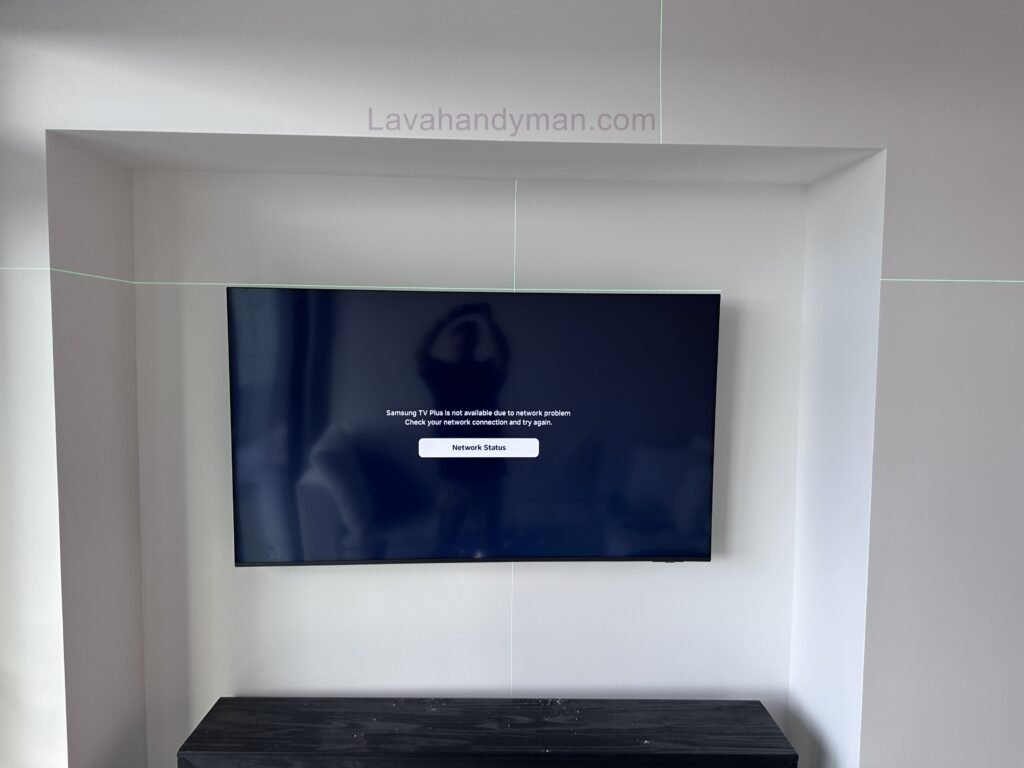
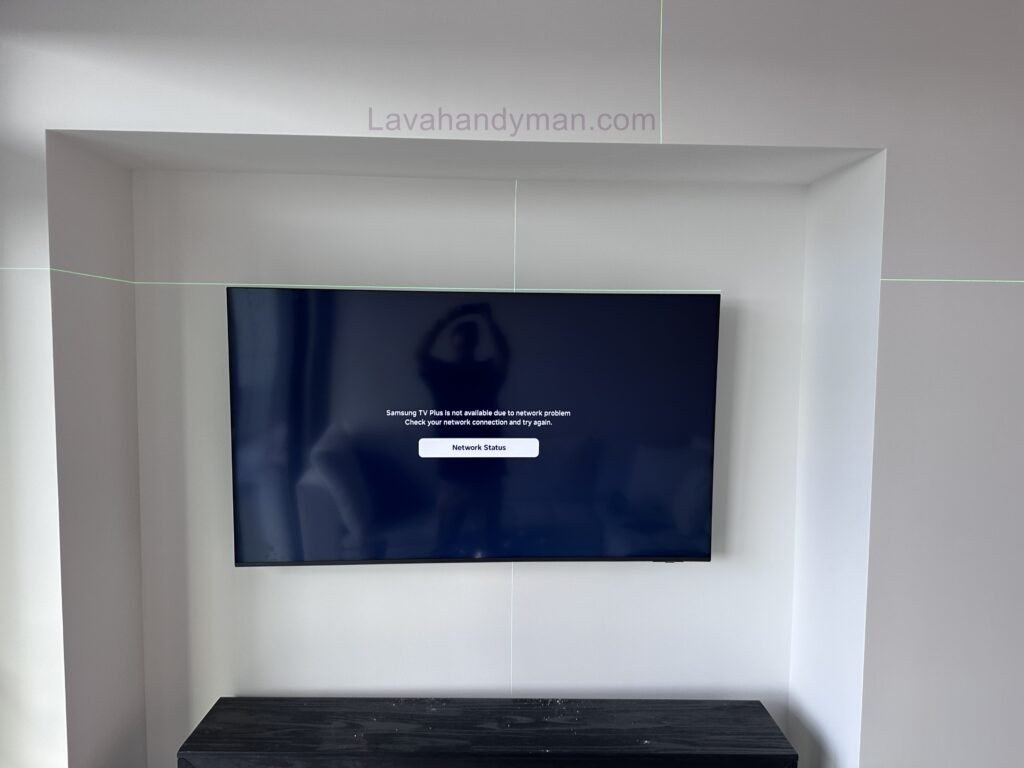
Today, wall-mounted TV installation has become one of the most popular trends in modern interior design. While many homeowners focus on choosing the right television, wall mount, installation height, and lighting, they often overlook one critical detail: the location of the power outlet behind the TV.
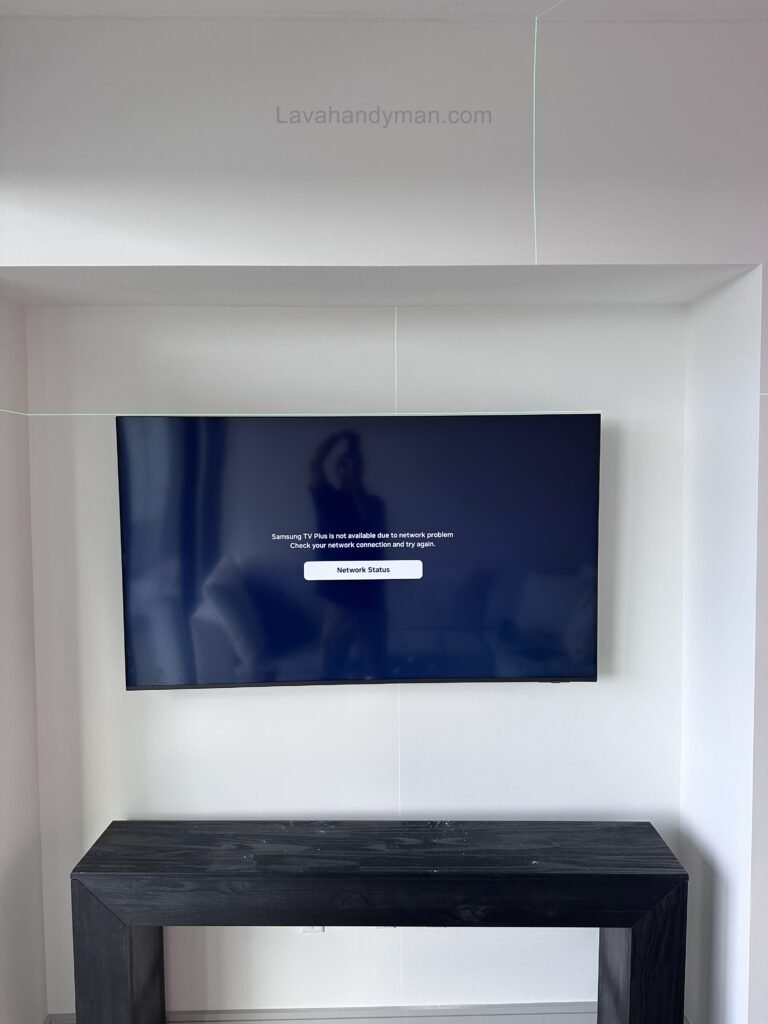
Proper outlet placement can make the difference between a professional-looking installation and a cluttered, unattractive setup. Even if you invest in the best television and the most expensive wall mount, visible cables and poorly positioned outlets can diminish the overall appearance of your living space.
If you’re aiming for a cable-free TV installation and a sleek, modern TV wall, planning the outlet location should be one of the first steps in the project.
Why Is Power Outlet Placement Important for Wall-Mounted TVs?
Power Outlet Location
One of the key factors in a successful TV wall installation is proper planning for electrical connections and cable routing.
Modern televisions are often connected to multiple devices, including:
- Power cables
- HDMI connections
- Internet and network cables
- Gaming consoles
- Soundbars
- Cable boxes or digital receivers
Without proper planning, these cables can quickly become one of the biggest design flaws in your entertainment area.
Power Outlet Location
Benefits of Proper Outlet Placement
- Hidden cables
- A cleaner and more attractive TV wall
- Reduced visual clutter
- Improved safety
- Easier access to connections
- Less reliance on extension cords and power strips
The Most Common Mistake in TV Wall Installation
One of the biggest mistakes homeowners make is mounting the television first and worrying about electrical outlets later.
As a result:
- Power cords hang below the TV.
- Extension cords become necessary.
- HDMI cables remain visible.
- The wall-mounted TV looks unprofessional.
This issue is especially common with large TVs, such as 75-inch and 85-inch models.
Power Outlet Location
The Best Location for a TV Power Outlet
Professional TV installers generally recommend placing the power outlet directly behind the television.
This approach offers several advantages:
- Complete concealment of the power cable
- A cleaner and more modern appearance
- Elimination of unnecessary visible wiring
- Easier equipment management
- Increased aesthetic value of the room
In professional installations, power outlets are often accompanied by HDMI, antenna, and Ethernet connections behind the TV.
Power Outlet Location
How Outlet Placement Affects TV Wall Design
One of the main reasons people mount TVs on walls is to create a sleek, minimalist look.
However, visible cables can:
- Make the wall appear cluttered
- Distract from the overall design
- Reduce the luxurious feel of the space
- Diminish the visual impact of the television
For this reason, interior designers consider cable management just as important as selecting the television itself.
Power Outlet Location
The Importance of Cable Management in Wall-Mounted TV Installations
One of the defining features of modern TV walls is the complete concealment of cables.
Common methods include:
Running Cables Inside the Wall
This is the most professional and aesthetically pleasing solution.
Benefits include:
- A clean, seamless appearance
- No visible wires
- Enhanced interior design
Using Cable Raceways
For homes where in-wall cable routing isn’t practical, cable raceways provide an alternative.
Benefits include:
- Lower installation costs
- Quick implementation
- Minimal wall modification
Power Outlet Location
TV Wall Wiring: A Detail You Should Never Ignore
Before mounting a TV, consider the following:
Number of Required Outlets
Many homeowners use additional devices such as:
- Gaming consoles
- Soundbars
- Apple TV
- Android TV boxes
- Internet routers
As a result, a single outlet is often insufficient.
Network Connections
For smart TVs, a wired Ethernet connection can provide a more stable internet experience than Wi-Fi.
HDMI Routing
Professional TV wall installations typically include pre-planned HDMI pathways for future flexibility.
Power Outlet Location
Safety Risks of Poor Outlet Placement
Improper outlet placement is not just an aesthetic issue—it can also create safety concerns.
Potential problems include:
- Excessive stress on cables
- Damaged connectors
- Overuse of power strips
- Increased risk of electrical faults
- Potential damage to expensive electronics
For this reason, TV wall wiring should always be performed according to electrical safety standards.
Power Outlet Location
Why Outlet Placement Matters Even More for Large TVs
The larger the television, the more difficult it becomes to access the area behind it.
This is particularly true for:
- 65-inch TVs
- 75-inch TVs
- 85-inch TVs
- 98-inch TVs
Correct outlet placement from the beginning can save significant time, money, and effort later.
Power Outlet Location
Wall-Mounted TV Installation Checklist
Before installing your television, make sure to review the following:
✔ Determine the exact TV location
✔ Calculate the optimal TV mounting height
✔ Position power outlets behind the TV
✔ Plan HDMI connections
✔ Include Ethernet connections if needed
✔ Select the appropriate wall mount bracket
✔ Design cable routing pathways
✔ Evaluate wall construction and support
✔ Implement a cable management solution
Power Outlet Location
Frequently Asked Questions
Where should a power outlet be placed for a wall-mounted TV?
The ideal location is behind the television and outside the wall mount bracket area to ensure cables remain hidden.
Power Outlet Location
Can a power outlet be relocated after the TV is mounted?
Yes, but it typically requires additional electrical work and can increase installation costs.
How can I hide TV cables?
The most effective solutions are in-wall cable routing or decorative cable raceways.
Is it okay to use a power strip behind a wall-mounted TV?
While it can be done safely when installed correctly, a professionally planned electrical setup is always the preferred solution.
Where Is the Best Location for a Power Outlet Behind a Wall-Mounted TV?
One of the most common questions homeowners ask when planning a wall-mounted TV installation is: Where should the power outlet be located? Many people realize only after mounting their TV that the outlet is poorly positioned, forcing them to use extension cords, power strips, or cable covers.
This mistake not only reduces the visual appeal of a room but also creates cable clutter, complicates cable management, and may even affect the safety of electronic equipment. For this reason, planning the power outlet location for a wall-mounted TV should always be done before installing the wall bracket or drilling into the wall.
If you’re designing a modern, cable-free TV wall, this guide will help you choose the ideal outlet location.
Power Outlet Location
Why Is Power Outlet Placement Important for a Wall-Mounted TV?
The primary goal of a wall-mounted TV setup is to create a clean, minimalist, and modern living space. However, if the outlet is poorly positioned, visible power cords can ruin the appearance of the entire TV wall.
Proper outlet placement offers several advantages:
- Complete cable concealment
- A cleaner and more attractive TV wall
- Reduced need for extension cords and power strips
- Improved safety
- Better cable management
- Easier access to connections
This is why professional TV installers always evaluate outlet placement before mounting a television.
Power Outlet Location
The Best Location for a TV Power Outlet
The ideal location for a power outlet is behind the television and outside the wall mount bracket area.
Many homeowners assume the outlet should be positioned directly in the center of the TV, but this can interfere with the mounting bracket. In professional installations, the outlet is usually placed in a section behind the screen that:
- Is completely covered by the TV
- Does not interfere with the wall mount
- Provides enough space for plugs and connectors
- Allows cables to bend naturally without excessive pressure
This approach ensures that no cables are visible and that the installation maintains a clean, professional appearance.
Power Outlet Location
Standard Outlet Placement Behind a TV
In professional TV installations, the power outlet is typically positioned in one of the following locations:
Upper Rear Section of the TV
This is one of the most popular options for large-screen televisions and provides convenient access to cables and connections.
Right Side Behind the TV
Many televisions have power and connection ports located on the right side. Placing the outlet nearby can simplify cable routing and management.
Left Side Behind the TV
In certain setups, positioning the outlet on the left side provides more room for accessories and additional devices.
The final outlet location should always be determined based on the TV model, wall mount type, and overall wall design.
Power Outlet Location
Best Outlet Location for 65-Inch, 75-Inch, and 85-Inch TVs
As larger televisions become increasingly popular, proper TV outlet placement becomes even more important.
Large TVs:
- Are heavier
- Are harder to access once installed
- Often require more connected devices
For 65-inch, 75-inch, and 85-inch televisions, professionals typically recommend:
- At least two power outlets
- HDMI pass-through connections
- Ethernet (LAN) ports
- Pre-planned cable routing pathways
This preparation prevents future upgrades from requiring wall modifications or rewiring.
Power Outlet Location
Should the Outlet Be Directly Behind the TV?
Yes—but not directly behind the center of the wall mount.
One of the most common mistakes in TV electrical wiring is installing the outlet exactly where the mounting bracket will sit.
This can cause several problems:
- Interference with the wall mount
- Limited space for plugs
- Pressure on power cables
- Installation difficulties
Professional installers generally determine the bracket position first and then place the outlet accordingly.
What Is the Ideal Height for a TV Power Outlet?
A common question is: What is the standard height for a TV outlet?
The answer is simple:
The TV mounting height should be determined first, and the outlet location should then be planned around it.
This is because the ideal TV height depends on factors such as:
- Screen size
- Viewing distance
- Seating height
- Room design
There is no universal outlet height that works for every installation.
Power Outlet Location
The Role of Recessed TV Wall Boxes
Modern TV wall designs often use recessed media boxes instead of a simple power outlet.
These boxes typically include:
- Power outlets
- HDMI ports
- Antenna connections
- Ethernet ports
- Cable management pathways
Benefits of recessed media boxes include:
- Professional cable organization
- Cleaner aesthetics
- Increased property value
- Easier access to connections
Power Outlet Location
Common Mistakes in TV Outlet Placement
Installing the Outlet Below the TV
This often results in visible power cords and reduces the overall appearance of the TV wall.
Positioning the Outlet Behind the Bracket
This can interfere with the wall mount and complicate installation.
Using Only One Outlet
Modern entertainment systems often include multiple devices, making a single outlet insufficient.
Ignoring Future Expansion
Many homeowners fail to plan for future additions such as gaming consoles, soundbars, or streaming devices.
Power Outlet Location
Is a Power Outlet Alone Enough for a Smart TV?
No.
A professional TV wall setup should also consider:
- Ethernet (LAN) connections
- HDMI routing
- Antenna outlets
- Audio cables
- Future cable pathways
Planning for these connections in advance helps avoid costly wall modifications later.
Power Outlet Location
Frequently Asked Questions About TV Power Outlet Placement
Where should a power outlet be placed for a wall-mounted TV?
Behind the television and outside the wall mount bracket area, ensuring all cables remain hidden.
Can a power outlet be relocated after mounting a TV?
Yes, but doing so is usually more expensive than planning the location beforehand.
How many outlets are recommended for a 75-inch TV?
Depending on connected devices, two to four power outlets are typically recommended.
Is a recessed media box necessary?
Power Outlet Location
While not required, it is one of the best solutions for achieving a clean, professional installation with excellent cable management.
Conclusion
Power outlet placement for a wall-mounted TV is one of the most overlooked yet essential aspects of a successful installation. It affects not only the appearance of your TV wall but also its safety, functionality, and long-term usability.
📞 Need Help?
Let us take care of the hard work while you sit back and relax.
📍 Serving: Austin, Round Rock, Cedar Park & more
📱 Call or Text: (737) 420-6992
🌐 Visit: https://lavahandyman.com