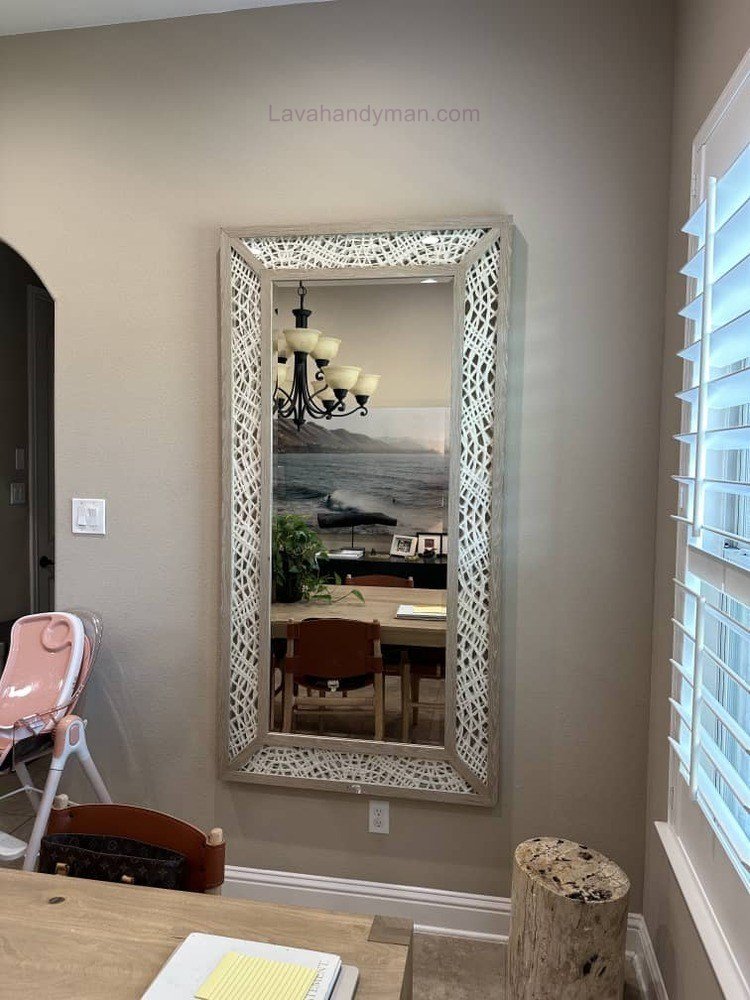
How to Install a Mirror on a Wall: Complete Guide to the Best Installation Methods, Essential Tools
Installing a mirror on a wall is one of the most practical ways to improve the appearance and functionality of a home, office, store, or other interior space. However, to ensure that a mirror is installed securely, evenly, and safely, the installation method should be selected based on the mirror’s weight, size, and the type of wall.
There are several ways to install a mirror, including using mirror adhesive, clips, brackets, mounting hardware, and mechanical fasteners. Each method is suitable for specific situations, and choosing the wrong installation method can cause the mirror to become loose, damage the wall, or even break.
In this complete guide, we will explain the different methods of installing a mirror on a wall and discuss the best options for drywall, concrete walls, tile surfaces, and large or heavy mirrors.
Install a Mirror on a Wall
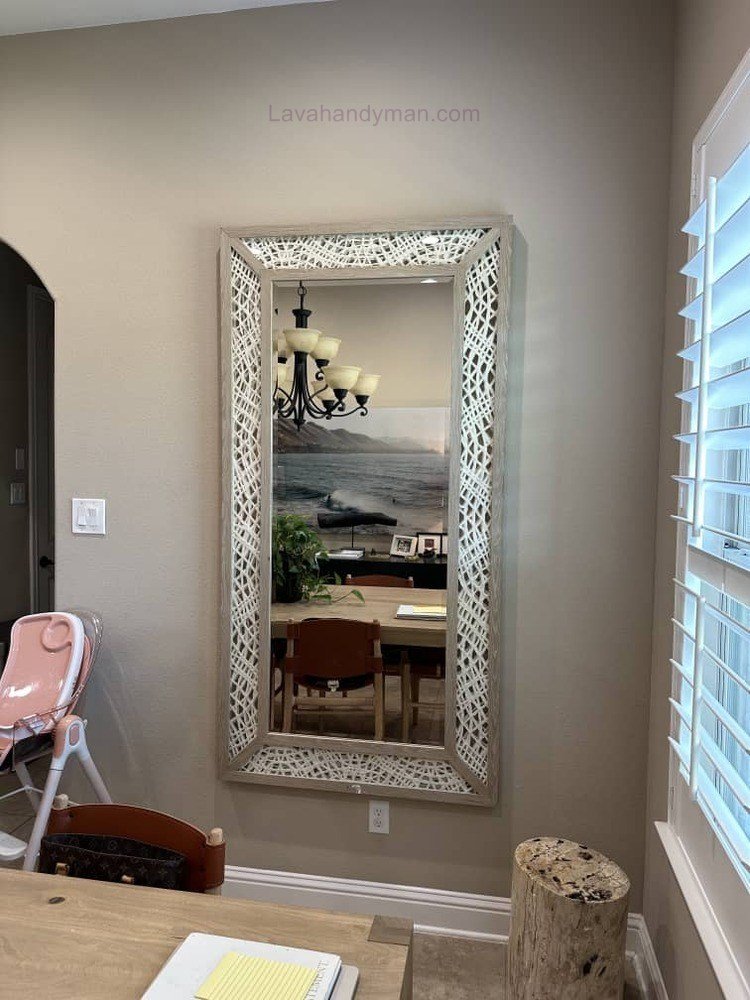
What Is the Best Way to Install a Mirror on a Wall?
The best mirror installation method depends on several important factors:
Install a Mirror on a Wall
- The weight and size of the mirror
- The type and structure of the wall
- The location where the mirror will be installed
- The humidity level of the environment
- The type and thickness of the mirror
- Whether drilling into the wall is possible
- The available mounting hardware and tools
For lightweight mirrors, mirror adhesive may be suitable in certain situations. For larger and heavier mirrors, however, using proper clips, brackets, mounting hardware, or mechanical fasteners is generally more important.
There is no single installation method that works best for every mirror. The mirror’s weight and the wall conditions should be evaluated before choosing the appropriate installation method.
Tools Needed to Install a Mirror on a Wall
Install a Mirror on a Wall
Before starting the installation, it is best to prepare all the necessary tools. The exact tools will depend on the installation method, but the following items are commonly useful:
- Measuring tape
- Pencil for marking
- Spirit level
- Drill
- Drill bit suitable for the wall material
- Appropriate screws and wall anchors
- Screwdriver
- Mirror clips or brackets
- Mirror adhesive
- Protective gloves
- Safety glasses
- Clean cloth
If you are installing a large mirror, it is recommended to have another person help with moving and holding it during installation.
Install a Mirror on a Wall
How to Install a Mirror on a Wall Step by Step
For a professional-looking result, follow the mirror installation process step by step.
Step 1: Choose the Right Location for the Mirror
The first step is choosing a suitable location. The mirror should not be installed in a place where it is likely to be hit or bumped frequently.
Consider the wall size, lighting, furniture, walking paths, and other decorative elements when selecting the installation location.
For decorative mirrors, also consider what the mirror will reflect. Positioning a mirror where it reflects natural light or an attractive part of the room can improve the overall appearance of the space.
Install a Mirror on a Wall
Step 2: Measure the Installation Area
After choosing the location, use a measuring tape to determine the exact position of the mirror.
If the mirror is going to be centered on a wall, first find the center of the wall and then position the mirror accordingly.
Using a spirit level is especially important at this stage. Even if your measurements are accurate, the mirror may appear slightly tilted if the level is not checked.
Step 3: Check the Wall Type
Before choosing an installation method, determine what type of wall you are working with.
Installing a mirror on drywall is different from installing one on a concrete wall or tiled surface. The type of wall anchor, screw, and drilling tool should be selected according to the wall material.
Install a Mirror on a Wall
If you are not familiar with the structure of the wall, take precautions before drilling to avoid hitting electrical wires or plumbing.
Step 4: Choose the Installation Method
Once the mirror’s weight and the wall type have been evaluated, choose the appropriate installation method.
Common options include:
- Installing the mirror with mirror adhesive
- Installing the mirror with clips or mounting brackets
- Installing the mirror with brackets
- Using mechanical fasteners
- Combining different mounting methods when appropriate
Step 5: Prepare the Surface
Install a Mirror on a Wall
The wall surface should be clean, dry, and free from dust, grease, loose particles, and other contaminants.
Surface preparation is especially important when using adhesive. Dust or moisture can affect the performance and bonding strength of the adhesive.
Step 6: Mount and Level the Mirror
Carefully place the mirror in the marked position and use a spirit level to check that it is properly aligned.
For large mirrors, it is recommended to have another person help hold and adjust the mirror during installation.
Step 7: Secure the Mirror
After the mirror has been installed, allow the mounting system to fully secure it. If adhesive is being used, follow the manufacturer’s recommended curing and drying time.
Install a Mirror on a Wall
Installing a Mirror with Mirror Adhesive
Installing a mirror with adhesive is a commonly used method for certain interior design applications.
However, it is important to understand that not every type of adhesive is suitable for mirrors. The product should be specifically designed for mirror installation or confirmed to be compatible with the backing of the mirror.
How to Install a Mirror with Adhesive
First, clean and completely dry the wall surface. Then mark the exact location where the mirror will be installed.
Apply the appropriate mirror adhesive according to the product instructions. Carefully position the mirror on the wall and adjust it as necessary.
The mirror should not be moved, pressed, or subjected to additional weight until the adhesive has sufficiently cured.
Install a Mirror on a Wall
Is Installing a Mirror with Adhesive Alone Safe?
This depends on the mirror’s weight, the type of adhesive, the wall material, and the installation conditions.
For lightweight mirrors, a suitable adhesive may be sufficient in some situations. For large and heavy mirrors, however, the installation method should be selected based on the weight capacity and safety requirements of the installation location.
How to Install a Mirror Without Drilling the Wall
One of the most common questions is: Can you install a mirror without drilling into the wall?
In some situations, yes. Adhesive-based installation methods can allow a mirror to be installed without drilling.
Install a Mirror on a Wall
However, this method is not suitable for every mirror.
Before choosing a no-drill installation method, consider:
- Mirror weight
- Mirror dimensions
- Wall material
- Wall surface condition
- Type of adhesive
- Environmental conditions
For large and heavy mirrors, avoiding drilling should not be the only consideration. The most important factors are safety and the ability of the mounting method to support the mirror’s weight.
Install a Mirror on a Wall
Installing a Mirror with Clips and Mounting Brackets
Mirror clips and mounting brackets are common options for securing mirrors to walls.
With this method, clips are installed at specific points on the wall, and the mirror is positioned within the clips.
One major advantage of this method is that properly selected mounting hardware can provide reliable support for the mirror.
For proper installation, the location of every clip should be measured carefully and checked with a spirit level.
Install a Mirror on a Wall
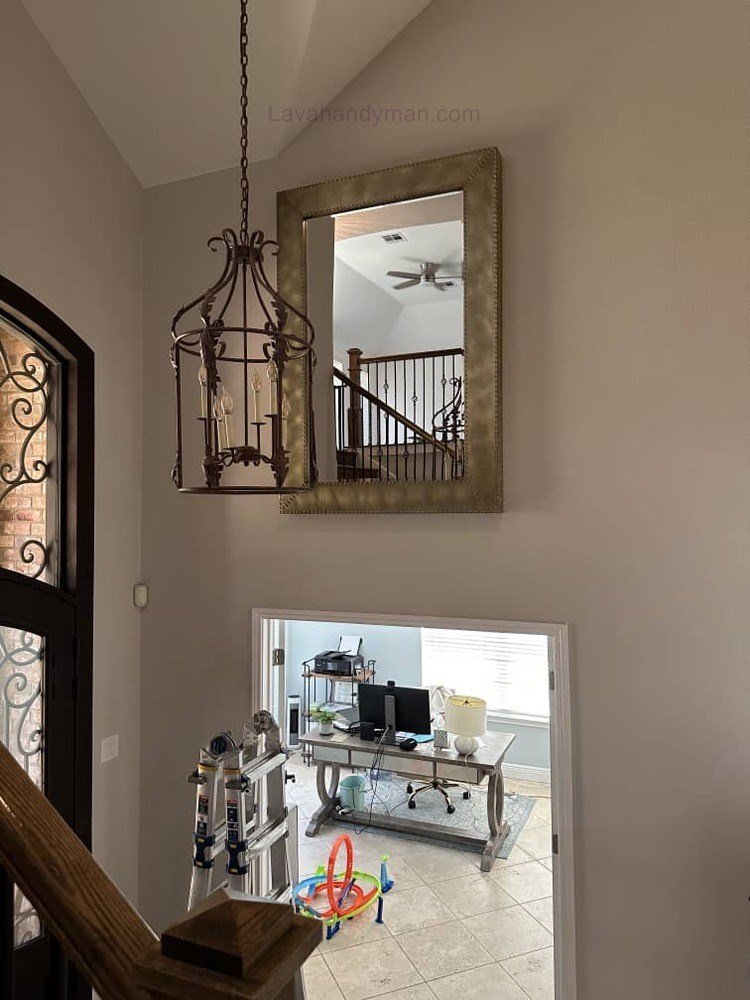
Installing a Mirror with Brackets
Brackets are used to provide additional support and hold a mirror securely against the wall. The correct bracket should be selected according to the mirror’s weight and the wall material.
For large mirrors, the number and placement of mounting points are especially important. The brackets must also be securely attached to an appropriate structural part of the wall.
Install a Mirror on a Wall
How to Install a Mirror on Drywall
Installing a mirror on drywall requires additional attention because not every point on a drywall surface is capable of supporting the weight of a heavy mirror.
For lightweight mirrors, depending on the wall structure, adhesive or suitable mounting hardware may be an option.
For heavy mirrors, however, the mounting location and wall structure should be evaluated carefully. Where possible, attaching the mounting hardware to an appropriate structural support behind the drywall can provide additional strength.
For this reason, the load-bearing capacity of the mounting location should be considered before installing a heavy mirror on drywall.
Install a Mirror on a Wall
How to Install a Mirror on a Concrete Wall
Concrete walls can provide a strong surface for mechanical mounting, but the tools and hardware should still be selected according to the wall and mirror.
First, mark the drilling locations using a measuring tape and spirit level. Then drill the holes using the appropriate drill bit and install suitable wall anchors and screws.
Before drilling, always consider the possibility of electrical wiring or plumbing inside the wall.
Install a Mirror on a Wall
How to Install a Mirror on Tile
Installing a mirror on tile requires care because improper drilling can damage or crack the tile.
If a mechanical mounting method is used, appropriate tools should be selected and excessive pressure should be avoided during drilling.
In some situations, adhesive installation may be an option, provided that the tile surface and adhesive are suitable for the application.
What Is the Best Way to Install a Heavy Mirror?
Installing a heavy mirror requires more careful planning than installing a lightweight mirror. You should not rely solely on the appearance of mounting hardware or the claimed strength of an adhesive.
Install a Mirror on a Wall
First, determine the approximate weight of the mirror. Then evaluate the wall material and the load-bearing capacity of the mounting location.
For heavy mirrors, the mounting system should be selected based on the mirror’s actual weight and the characteristics of the wall.
It is also recommended to:
- Avoid moving a heavy mirror by yourself.
- Use a spirit level during installation.
- Measure mounting points carefully.
- Select hardware according to the mirror’s weight.
- Check the wall before drilling.
- Seek professional assistance if the wall structure or installation method is unclear.
Install a Mirror on a Wall
How to Level a Mirror on the Wall
A tilted mirror is one of the most common installation problems.
To prevent this, establish a reference line on the wall and carefully mark the mounting points based on accurate measurements.
After positioning the mirror, use a spirit level to check its alignment.
With large mirrors, even a small difference in level can be noticeable. Therefore, check the alignment before completing the final installation.
What Is the Best Height for Installing a Mirror?
Install a Mirror on a Wall
The ideal mirror height depends on the type and purpose of the mirror.
For example, a full-length mirror should be positioned so that there is enough space to see the user comfortably. Decorative mirrors, on the other hand, can be positioned according to the wall design and surrounding décor.
Instead of using one fixed height for every mirror, consider the purpose of the mirror, user height, mirror dimensions, and installation location.
Installing a Mirror in the Living Room
A mirror in the living room can serve both a functional and decorative purpose.
When choosing the installation location, consider what the mirror will reflect. Reflecting natural light, a window, or an attractive part of the room can enhance the overall appearance of the space.
Install a Mirror on a Wall
For large living-room mirrors, the wall’s load-bearing capacity and the appropriate mounting method should also be evaluated before installation.
Installing a Mirror in a Hallway
A mirror can be both practical and decorative in a hallway. For narrow hallways, it is important to select a mirror that fits the available wall space.
The mirror should not be installed in a position where it is likely to be hit by people passing through the hallway.
Installing a Mirror in a Bedroom
A bedroom mirror can be installed near a wardrobe, on a wall, or in another suitable location.
If you are installing a large mirror, both its appearance and the strength of the mounting system should be considered.
Install a Mirror on a Wall
Installing a Mirror in a Bathroom
Humidity is an important consideration when installing a mirror in a bathroom.
In addition to selecting an appropriate mounting method, make sure that the adhesive, mounting hardware, and other materials are suitable for the environmental conditions.
Common Mistakes When Installing a Mirror on a Wall
Using the Wrong Adhesive
Not every adhesive is suitable for mirrors. Using an inappropriate product may damage the mirror backing or reduce the strength of the bond.
Install a Mirror on a Wall
Ignoring the Mirror’s Weight
The installation method should always be selected based on the actual weight of the mirror.
Installing Without a Level
Failing to use a spirit level can result in a mirror that looks uneven or poorly aligned.
Drilling Without Checking the Wall
Before drilling, consider the wall structure and the possible location of electrical wires or plumbing.
Installing a Large Mirror Alone
Large mirrors can be difficult to control because of their size and weight. Having another person assist with installation can make the process safer.
Rushing the Adhesive Curing Process
If adhesive is used, allow sufficient time for the product to cure according to the manufacturer’s instructions.
Install a Mirror on a Wall
Safety Tips for Installing a Mirror on a Wall
Safety should always be a priority when installing a mirror on a wall.
When moving a large mirror, have another person assist you and use appropriate protective equipment.
Avoid applying concentrated pressure to the mirror surface, and do not install a damaged or cracked mirror without having it properly assessed.
If drilling is required, take appropriate precautions to avoid electrical wires and plumbing located inside the wall.
Install a Mirror on a Wall
How Much Does It Cost to Install a Mirror on a Wall?
The cost of mirror installation depends on the specific project, so there is no single price that applies to every installation.
Factors that can affect the cost include:
- Mirror size
- Mirror weight
- Wall type
- Installation method
- Number of mounting points
- Type of mounting hardware
- Drilling requirements
- Installation height
- Overall difficulty of the job
Large and heavy mirrors generally require more time, equipment, and labor to install properly.
Install a Mirror on a Wall
When Should You Hire a Professional Mirror Installer?
If the mirror is small and lightweight and the installation method is simple, you may be able to install it yourself with the appropriate tools.
However, professional assistance is recommended when:
- The mirror is very large.
- The mirror is heavy.
- The wall is drywall or has an unknown structure.
- The installation location is high.
- Drilling is required.
- The mirror has multiple sections or a special design.
- The mirror cannot be safely moved or positioned by one person.
In these situations, professional installation can help reduce the risk of damage to the mirror and wall.
Install a Mirror on a Wall
Frequently Asked Questions About Installing a Mirror on a Wall
Can I Install a Mirror Without Drilling Into the Wall?
Yes, in some situations, a suitable mirror adhesive can be used. However, the mirror’s weight, wall material, and adhesive specifications should be evaluated before choosing this method.
What Is the Best Way to Install a Heavy Mirror?
A heavy mirror should be installed using a mounting system capable of safely supporting its weight. Clips, brackets, mounting hardware, or other mechanical fastening systems should be selected according to the mirror and wall type.
Can I Use Any Adhesive to Install a Mirror?
Install a Mirror on a Wall
No. The adhesive should be specifically suitable for mirrors or confirmed to be compatible with the mirror backing. Using an unsuitable adhesive may damage the mirror or reduce the strength of the installation.
Can a Mirror Be Installed on Drywall?
Yes, but the installation method should be selected according to the drywall structure and the weight of the mirror. For heavy mirrors, the mounting location and load-bearing capacity should be carefully evaluated.
How Can I Make Sure the Mirror Is Level?
Accurate measurements and a spirit level can help ensure that the mirror is properly aligned. Check the level again before completing the final installation.
How Many People Are Needed to Install a Large Mirror?
For large mirrors, it is recommended that at least two people work together to move and install the mirror safely.
Install a Mirror on a Wall
Conclusion: Choosing the Best Way to Install a Mirror on a Wall
Installing a mirror on a wall requires more than simply placing the mirror in the desired location. The installation method should be selected according to the mirror’s weight and dimensions, the type of wall, and the conditions of the installation area.
For lightweight mirrors, a suitable mirror adhesive may be an option in certain situations. Larger and heavier mirrors, however, generally require more secure mounting hardware, such as clips, brackets, or other mechanical fastening systems.
Before installation, carefully measure the location, identify the wall type, select the appropriate tools and hardware, and make sure the mirror is properly level. When installing large or heavy mirrors, avoid doing the job alone.
📞 Need Help?
Let us take care of the hard work while you sit back and relax.
📍 Serving: Austin, Round Rock, Cedar Park & more
📱 Call or Text: (737) 420-6992
🌐 Visit: https://lavahandyman.com