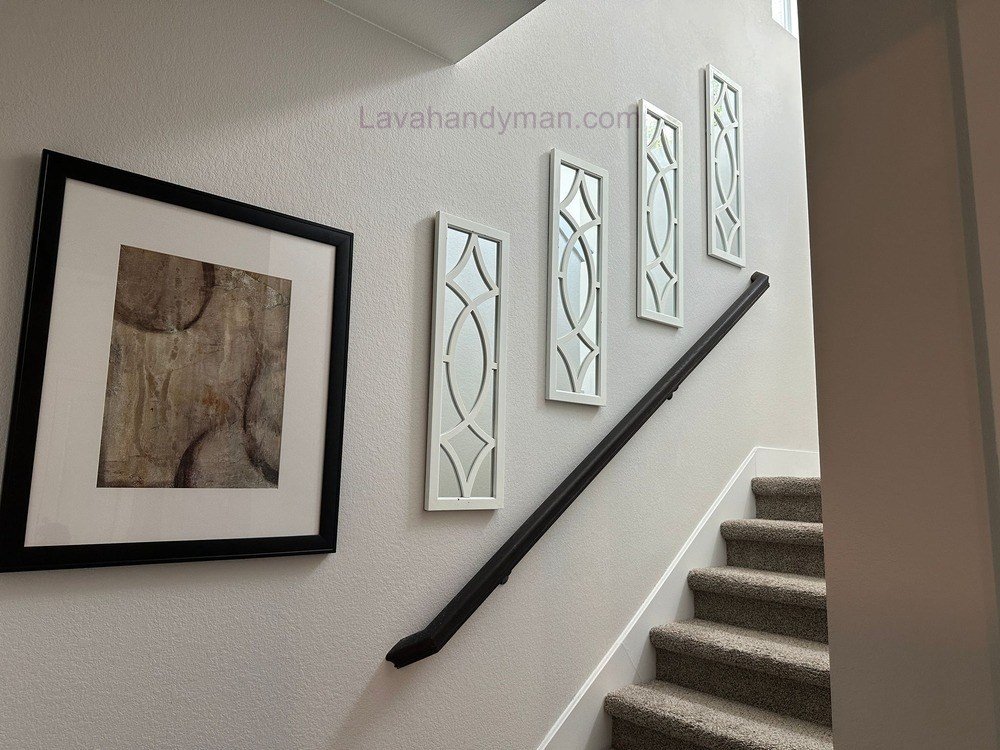
How to Hang a Painting on the Wall: Essential Tips for Safe, Beautiful, and Professional Installation
Hanging a painting on the wall may seem like a simple task, but doing it properly requires more than just putting a nail into the wall. Choosing the right location, determining the appropriate height, selecting the correct mounting hardware, considering the wall type, and creating a balanced arrangement can all make a significant difference in the final result.
A properly installed painting can become an attractive focal point and enhance the overall appearance of a home, office, gallery, or any other interior space. On the other hand, improper installation can cause the painting to hang unevenly, damage the wall, or even cause the artwork to fall.
In this complete guide, we will explain how to hang a painting on the wall, including the best installation methods, recommended height, required tools, how to hang heavy paintings, how to install artwork on different types of walls, and important tips for creating a professional and attractive display.
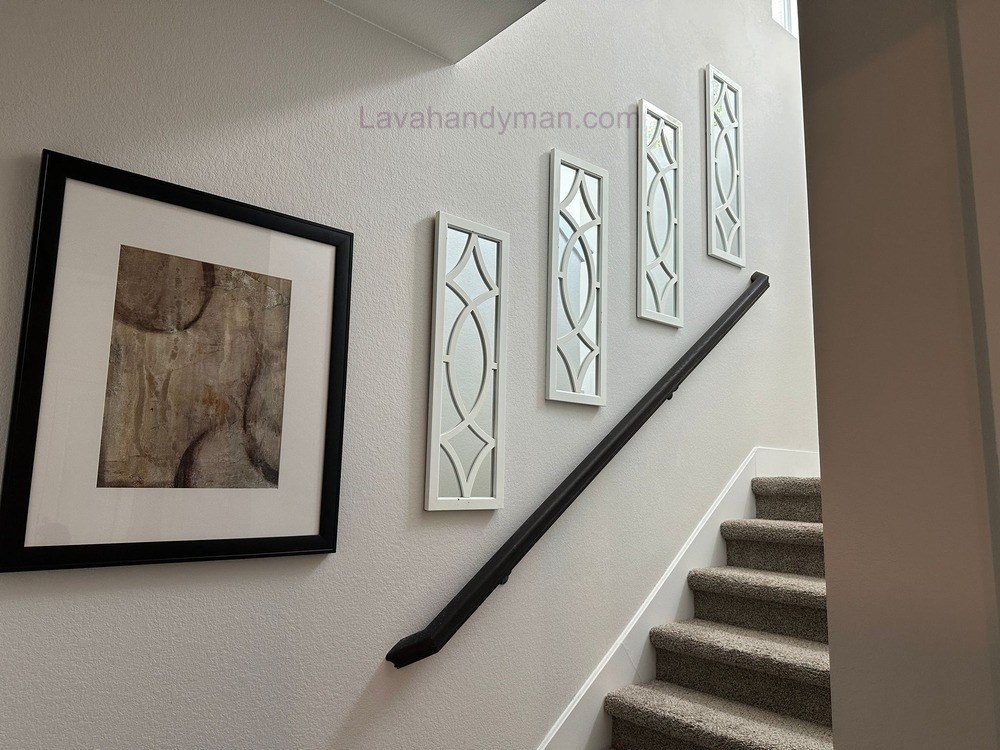
How to Hang a Painting on the Wall
Why Is Proper Painting Installation Important?
Wall art is one of the most important decorative elements in interior design. A well-chosen painting can become the focal point of a room and complement furniture, lighting, and other decorative elements.
However, even a beautiful painting may not look its best if it is installed at the wrong height or in an unsuitable location.
Proper installation has several benefits. First, it reduces the risk of the artwork falling or getting damaged. Second, it helps the painting look more balanced with the surrounding furniture. Third, it creates a more organized and professional appearance.
For this reason, you should consider not only the artwork itself but also the overall layout of the room before installing it.
What Should You Consider Before Hanging a Painting?
Before installing a painting, there are several important factors to consider.
Choose the Right Location
How to Hang a Painting on the Wall
The first step is choosing the right place for your artwork. Consider the furniture and other elements around the wall, including sofas, consoles, beds, televisions, windows, lamps, and shelves.
The painting should complement the surrounding elements rather than compete with them.
Consider the Weight and Size of the Painting
The weight and dimensions of the painting determine which mounting method you should use.
A small, lightweight painting can usually be installed with simple hardware, while a large or heavy artwork requires stronger screws, wall anchors, brackets, or other suitable mounting systems.
Determine the Proper Height
Choosing the right height is one of the most important aspects of hanging wall art.
In many situations, the center of the painting should be positioned approximately at eye level. A commonly used guideline is to place the center of the artwork around 57 to 60 inches (145–155 cm) from the floor.
However, this is not a strict rule. The appropriate height depends on the room, furniture, ceiling height, and the size of the artwork.
How to Hang a Painting on the Wall
Tools Needed for Hanging a Painting
Depending on the painting and wall type, you may need some or all of the following tools:
- Measuring tape
- Pencil
- Spirit level or laser level
- Screws
- Wall anchors
- Hammer
- Drill
- Appropriate drill bit
- Screwdriver
- Picture hooks or mounting brackets
- Cleaning cloth
How to Hang a Painting on the Wall
Always make sure that the hardware you choose is suitable for the weight of the painting and the type of wall.
Step-by-Step Guide to Hanging a Painting
Step 1: Measure the Installation Area
Start by measuring the wall and determining exactly where you want the painting to be placed.
How to Hang a Painting on the Wall
Measure the width and height of the painting as well as the distance between the hanging points on the back of the frame.
Step 2: Mark the Hanging Points
Use a pencil to mark the exact locations where the screws, hooks, or brackets will be installed.
Double-check your measurements before drilling any holes.
Step 3: Choose the Right Screws and Wall Anchors
The type of screw and wall anchor should depend on the wall material and the weight of the painting.
Using the wrong hardware can reduce stability and increase the risk of the artwork falling.
Step 4: Install the Painting and Check the Level
Once the mounting hardware is installed, carefully hang the painting.
Use a spirit level to make sure the artwork is perfectly straight. If necessary, adjust the hanging position until the painting is properly aligned.
What Is the Best Height for Hanging a Painting?
How to Hang a Painting on the Wall
One of the most common questions about wall art installation is how high a painting should be hung.
As a general guideline, the center of the artwork should be approximately at eye level. However, the ideal height changes depending on where the painting is being installed.
For example, the correct height for a painting above a sofa is different from the ideal height for artwork in a hallway or bedroom.
When installing artwork above furniture, you should consider both the height from the floor and the distance between the painting and the furniture below it.
How to Hang a Painting on the Wall
How to Hang Paintings on Different Types of Walls
Different wall materials require different installation methods.
How to Hang a Painting on a Drywall
Drywall requires appropriate anchors and mounting hardware. Lightweight artwork can often be installed using relatively simple mounting solutions.
For heavier paintings, however, stronger anchors or attachment to the wall structure may be necessary.
How to Hang a Painting on the Wall
If you are unsure about the strength of the wall or the appropriate mounting method, consulting a professional is the safest option.
How to Hang a Painting on a Concrete Wall
Concrete walls are generally strong, but drilling into concrete requires the appropriate drill and bit.
After marking the desired location, drill a suitable hole and install the correct wall anchor and screw.
For particularly heavy or valuable artwork, use a reliable mounting system designed to support the weight of the piece.
How to Hang a Painting on a Brick Wall
When hanging artwork on a brick wall, you should choose the drilling location carefully and use mounting hardware appropriate for both the brick and the weight of the artwork.
Avoid relying on unsuitable screws or anchors simply because they are easily available.
How to Hang a Painting on the Wall
How to Hang a Heavy Painting on the Wall
Heavy paintings require additional attention because they place greater pressure on the mounting points.
Before installation, determine the weight of the artwork and identify the type of wall you are working with.
Choose screws, wall anchors, hooks, or brackets that are specifically appropriate for the weight and wall material.
For large or valuable artwork, using two or more mounting points can help distribute the weight and provide greater stability.
How to Hang a Painting on the Wall
If you do not have sufficient experience installing heavy artwork, it is better to ask a professional for assistance.
How to Hang a Painting Without Nails or Drilling
If you want to avoid drilling holes into the wall, there are mounting alternatives available for lightweight artwork.
Adhesive strips, specialized hanging systems, and other no-drill solutions may work for certain lightweight paintings.
How to Hang a Painting on the Wall
However, these methods are not suitable for every type of artwork. Before using them, check the weight capacity of the product and make sure it is compatible with the wall surface.
Heavy paintings should generally be installed using a more secure mechanical mounting system.
The Best Way to Hang a Painting Above a Sofa
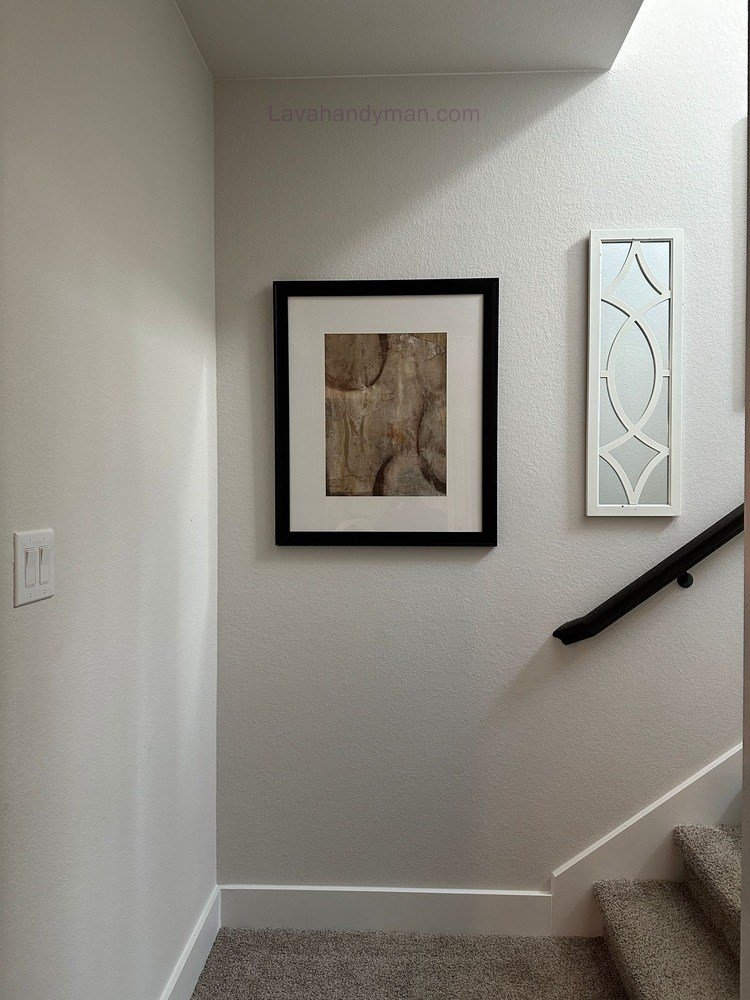
Hanging artwork above a sofa is one of the most popular ways to decorate a living room.
The size of the artwork should be proportional to the sofa. A painting that is too small may look lost on the wall, while an excessively large artwork can make the space feel visually unbalanced.
How to Hang a Painting on the Wall
For a balanced composition, the artwork or group of artworks should generally occupy a substantial portion of the sofa’s width without overwhelming it.
How Much Space Should Be Between a Painting and Furniture?
The distance between a painting and the furniture underneath it is also important.
If the painting is installed too high, it may appear disconnected from the furniture. If it is too low, it can make the area look crowded.
The ideal distance depends on the size of the artwork, the furniture, and the overall room design. Before drilling, it can be helpful to hold the painting against the wall and view it from different distances.
How to Arrange Multiple Paintings on One Wall
There are many ways to arrange several paintings on the same wall.
How to Hang a Painting on the Wall
You can create a symmetrical horizontal arrangement, a vertical composition, or a gallery wall using artworks of different sizes.
When creating a gallery wall, try to maintain some visual connection between the pieces. Similar frame colors, complementary artwork styles, or a consistent color palette can help create a cohesive appearance.
Common Mistakes When Hanging Paintings
Some common mistakes can affect both the appearance and safety of wall art installation.
How to Hang a Painting on the Wall
These include:
- Hanging the painting too high
- Using screws or wall anchors that cannot support the artwork’s weight
- Ignoring the type of wall
- Not using a level
- Failing to measure the installation area
- Ignoring the surrounding furniture
- Drilling holes before confirming the exact position
- Using unsuitable adhesive for heavy artwork
- Installing artwork where it is exposed to excessive direct sunlight
Avoiding these mistakes can make the installation safer and more visually appealing.
How to Hang a Painting on the Wall
Safety Tips Before Drilling Into a Wall
Before drilling into a wall, make sure there are no electrical wires, pipes, or other hidden utilities in the area.
Measure the installation location carefully and confirm the position before making any holes.
If you are unsure about what may be behind the wall, use an appropriate detection tool or ask a qualified professional for help.
Safety should always be a priority, especially when installing large or heavy artwork.
How to Make Sure a Painting Is Straight
Using a level is one of the easiest ways to make sure your artwork is straight.
After installing the mounting hardware, hang the painting and place the level along the top edge or another appropriate section of the frame.
How to Hang a Painting on the Wall
If the painting is slightly tilted, adjust the hanging points or mounting hardware until it is level.
This becomes even more important when hanging several paintings together because even small differences in height can become noticeable.
Tips for Hanging Paintings in a Modern Interior
Modern interior design usually emphasizes simplicity, clean lines, and visual balance.
A large painting with a simple frame can work well as a focal point on an otherwise minimal wall.
Another option is to arrange several artworks with similar styles and consistent spacing.
Avoid overcrowding the wall so that the artwork remains the main visual element.
Hanging Paintings in a Classic Interior
In classic interiors, the frame can play an important role in the overall appearance of the artwork.
How to Hang a Painting on the Wall
Wooden, decorative, or detailed frames can complement traditional furniture and architectural elements.
The frame color, painting size, furniture, curtains, and other decorative elements should work together to create a cohesive interior.
Important Tips for Hanging Paintings in a Bedroom
Artwork can be used to create a calm and attractive atmosphere in a bedroom.
One of the most common locations is the wall above the bed. In this situation, safety is especially important.
The painting should be securely mounted, and the mounting hardware must be strong enough to support its weight.
The artwork should also be positioned at a height that creates a balanced relationship with the bed and surrounding furniture.
How to Hang a Painting on the Wall
Hanging Paintings in an Office
Artwork can also enhance an office environment. Paintings, abstract art, and other decorative pieces can be used in reception areas, meeting rooms, hallways, and private offices.
Large artworks can create a strong focal point in a meeting room or reception area, while smaller pieces may work better in compact spaces.
In an office environment, consistency is often important, so try to maintain similar heights and spacing when installing multiple artworks.
How to Hang a Painting on the Wall
How to Protect and Maintain a Painting After Installation
Proper installation is only the beginning. You should periodically check the mounting hardware, especially when the artwork is large or heavy.
Keep the frame and artwork clean using an appropriate cleaning method. Avoid harsh cleaning products that could damage delicate surfaces.
How to Hang a Painting on the Wall
You should also consider protecting artwork from excessive humidity, direct heat, and prolonged exposure to sunlight.
For valuable or sensitive artwork, proper environmental conditions can play an important role in long-term preservation.
How to Hang a Painting on the Wall Step by Step
The installation process becomes much easier when you plan each step before drilling or attaching anything to the wall.
Step 1: Choose the Right Location
How to Hang a Painting on the Wall
Start by deciding where the artwork will have the greatest visual impact. Consider the furniture and architectural features around the wall.
A painting above a sofa, console table, fireplace, or bed should relate visually to the furniture underneath it. In an empty hallway, you may have more flexibility with the position and arrangement.
Avoid placing valuable artwork where it will be exposed to excessive moisture, heat, or direct sunlight for long periods.
Step 2: Measure the Painting and Wall
Measure the height and width of the painting. If the frame has D-rings, a hanging wire, or another mounting system on the back, measure the distance between the mounting points as well.
Next, measure the available wall space. This helps you determine whether the artwork is appropriately sized for the area.
How to Hang a Painting on the Wall
For large paintings, leave enough empty space around the artwork so that it does not overwhelm the room.
Step 3: Determine the Correct Height
One of the most important parts of wall art installation is choosing the right height.
A common guideline is to position the center of the artwork approximately at eye level. In many interiors, this means placing the center of the painting around 57 to 60 inches, or approximately 145 to 155 cm, above the floor.
This measurement is only a guideline. The ideal height changes when artwork is installed above furniture.
Step 4: Mark the Mounting Point
Once you have determined the position, carefully mark the location of the hook, screw, or bracket.
Do not rely on visual estimation alone. Use a measuring tape and pencil to make accurate marks.
How to Hang a Painting on the Wall
For artwork with two mounting points, measure the exact distance between them before transferring the measurements to the wall.
Step 5: Select the Correct Mounting Hardware
The mounting hardware should be selected according to the weight of the painting and the type of wall.
Lightweight artwork may require only a small picture hook or suitable adhesive hanging system. Heavier artwork may require screws, wall anchors, D-rings, brackets, or multiple mounting points.
How to Hang a Painting on the Wall
Never assume that one type of hardware is suitable for every painting.
Step 6: Install and Level the Painting
After installing the mounting hardware, carefully hang the artwork.
Use a spirit level to check whether the painting is perfectly straight. If the frame is slightly tilted, adjust the hanging position until it is level.
For large or valuable artwork, check the stability of the mounting system before considering the installation complete.
How to Hang a Painting on the Wall
What Tools Do You Need to Hang a Painting?
The tools required depend on the size of the artwork and the wall material.
Common tools include:
- Measuring tape
- Pencil
- Spirit level
- Drill
- Appropriate drill bits
- Screwdriver
- Screws
- Wall anchors
- Picture hooks
- D-rings
- Stud finder
- Cleaning cloth
You may not need every tool on this list. A small lightweight painting may require only a measuring tape, pencil, level, and suitable hanging hardware.
For heavy artwork or difficult wall surfaces, additional tools may be necessary.
How to Hang a Painting on the Wall
How High Should You Hang a Painting?
The correct height is one of the most frequently asked questions about hanging artwork.
As a general rule, artwork should be positioned so that its center is close to average eye level. A measurement of approximately 57 to 60 inches from the floor to the center of the artwork is commonly used in galleries and interior design.
How to Hang a Painting on the Wall
However, furniture changes the equation.
How High Should a Painting Be Above a Sofa?
When hanging artwork above a sofa, the painting should visually connect with the furniture rather than appearing isolated near the ceiling.
The artwork should generally be positioned relatively close to the sofa while still leaving enough clearance between the frame and furniture.
How to Hang a Painting on the Wall
The exact distance depends on the sofa height, painting dimensions, and overall composition.
How High Should Artwork Be Above a Console Table?
Artwork above a console table should be positioned so that the two elements appear connected.
If the painting is placed too high, the wall may look disconnected. If it is too low, the artwork may compete with decorative objects placed on the console.
How High Should a Painting Be Above a Bed?
A painting above a bed should be positioned carefully to create visual balance while maintaining a secure installation.
The artwork should not appear excessively high compared with the headboard or bed frame.
Because artwork above a bed is located in an area where people may be underneath it, secure mounting is especially important.
How to Hang a Painting on the Wall
How to Choose the Right Wall Mount for a Painting
Choosing the right mounting system is essential for both safety and appearance.
Picture Hooks
Picture hooks are suitable for many lightweight and medium-weight artworks. Their load capacity varies, so always check the manufacturer’s specifications.
Wall Anchors
Wall anchors are useful when there is no suitable structural support at the desired installation point.
Different anchors are designed for different wall materials and weight ranges. Choosing the correct type is essential.
How to Hang a Painting on the Wall
D-Rings
D-rings are commonly attached to the back of framed artwork. Using two D-rings can provide additional stability for wider paintings.
Hanging Wire
Hanging wire is another common system used on framed artwork. When using wire, remember that the actual hanging point may be lower than the top of the frame.
How to Hang a Painting on the Wall
This should be taken into account when calculating the final height of the painting.
Heavy-Duty Mounting Systems
Large or heavy artwork may require stronger mounting solutions. The appropriate system depends on the artwork’s weight, frame construction, and wall material.
How to Hang a Heavy Painting Safely
Heavy artwork requires more planning than lightweight wall decor.
First, determine the exact weight of the painting. Then identify the wall material and choose mounting hardware designed to support that weight.
For large paintings, two or more mounting points can help distribute the load and reduce movement.
The mounting hardware should also be securely attached to the frame. A strong wall anchor is not enough if the hardware attached to the frame is weak.
For very heavy, valuable, or oversized artwork, professional installation may be the safest option.
How to Hang a Painting on the Wall
How to Hang a Painting on Drywall
Drywall requires appropriate anchors because a standard nail may not provide enough support for heavier artwork.
For lightweight paintings, specialized drywall hooks or suitable picture-hanging systems may be sufficient.
For heavier pieces, use an anchor designed specifically for drywall or attach the mounting hardware to an appropriate structural support when possible.
Always check the weight rating of the mounting system before installing the artwork.
How to Hang a Painting on a Plaster Wall
Plaster walls can be more delicate than modern drywall, particularly in older buildings.
How to Hang a Painting on the Wall
Before drilling, check the condition of the plaster around the intended installation area. Cracks or loose sections may need to be repaired first.
Use mounting hardware appropriate for plaster and the weight of the artwork. Avoid unnecessary drilling because repairing damaged plaster can be more complicated than repairing a modern painted wall.
How to Hang a Painting on a Concrete Wall
Concrete provides a strong mounting surface but usually requires specialized drilling equipment.
A suitable drill and masonry bit may be necessary to create the mounting hole. The correct wall anchor should then be selected based on the weight of the artwork.
For heavy artwork, make sure the mounting system is rated for the actual load rather than choosing hardware based only on appearance.
How to Hang a Painting on a Brick Wall
How to Hang a Painting on the Wall
Brick walls can provide strong support, but the location of the mounting point matters.
Depending on the wall construction and the type of brick, different anchors or screws may be appropriate.
Before drilling, identify the safest location and make sure the chosen hardware is compatible with the wall material.
How to Hang a Painting on the Wall
How to Hang a Painting on a Tile Wall
Tile requires extra care because drilling incorrectly can crack the surface.
If drilling is necessary, use equipment designed for the tile material and work carefully.
For lightweight artwork, a suitable no-drill mounting system may sometimes be an alternative. However, the adhesive must be compatible with the surface and strong enough to support the artwork.
How to Hang a Painting on the Wall
Frequently Asked Questions About Hanging Paintings
What is the best height for hanging a painting?
The ideal height depends on the size of the artwork and its location. As a general guideline, the center of the painting should be close to eye level. When hanging artwork above furniture, the distance from the furniture should also be considered.
Can I hang a painting without drilling into the wall?
Yes, lightweight paintings can sometimes be installed using adhesive strips or specialized no-drill hanging systems. However, these solutions are not suitable for every artwork, especially heavy paintings.
What is the best way to hang a heavy painting?
The best method depends on the weight of the painting and the type of wall. Use screws, anchors, hooks, or brackets designed to safely support the artwork. For valuable or very heavy paintings, professional installation may be the safest choice.
How to Hang a Painting on the Wall
How high should a painting be hung above a sofa?
The ideal height depends on the size of the sofa and the artwork. The painting should not be so high that it looks disconnected from the sofa, nor so low that the space feels crowded.
Is it a good idea to hang multiple paintings together?
Yes. A carefully planned gallery wall can create a beautiful focal point. Pay attention to the size, spacing, frame style, and overall visual balance of the artworks.
Final Thoughts
Hanging a painting on the wall involves more than simply attaching artwork to a surface. A successful installation requires careful consideration of the location, height, artwork size, weight, wall type, mounting hardware, and overall interior design.
How to Hang a Painting on the Wall
For lightweight paintings, simple mounting solutions may be sufficient, while heavy or valuable artworks require stronger and more secure installation systems.
The height of the artwork, its distance from furniture, the arrangement of multiple paintings, and appropriate lighting can also have a significant impact on the final appearance.
📞 Need Help?
Let us take care of the hard work while you sit back and relax.
📍 Serving: Austin, Round Rock, Cedar Park & more
📱 Call or Text: (737) 420-6992
🌐 Visit: https://lavahandyman.com