How to Hang Paintings Without Drilling or Damaging Walls: Practical Installation Methods for Different Surfaces
Introduction
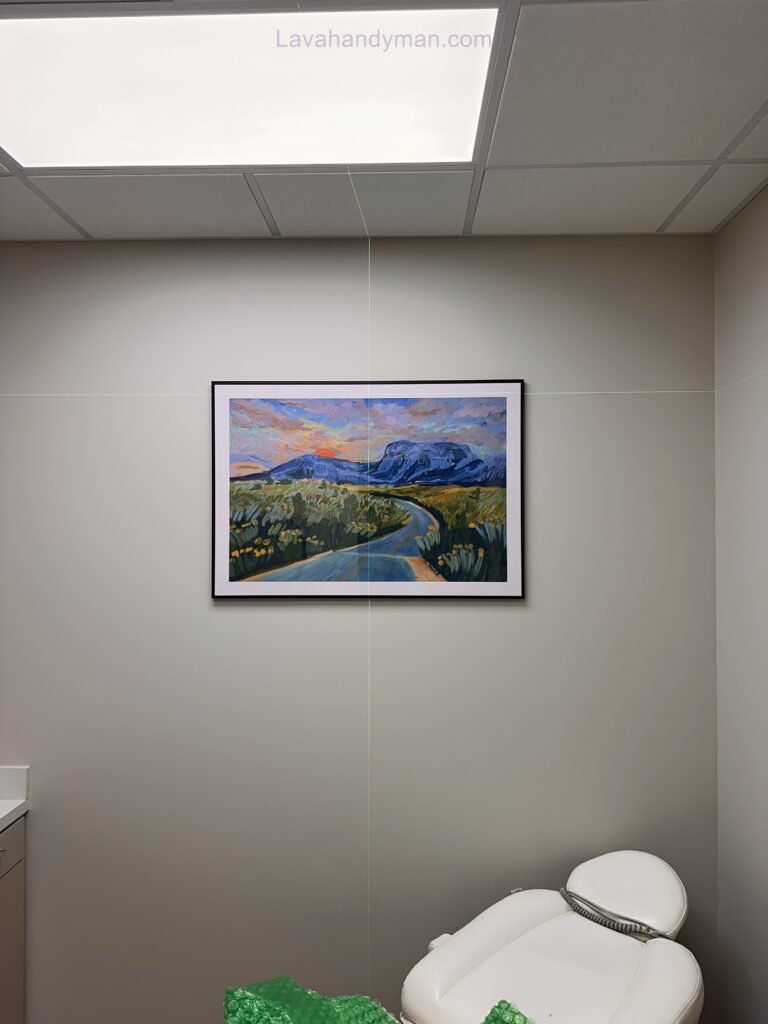
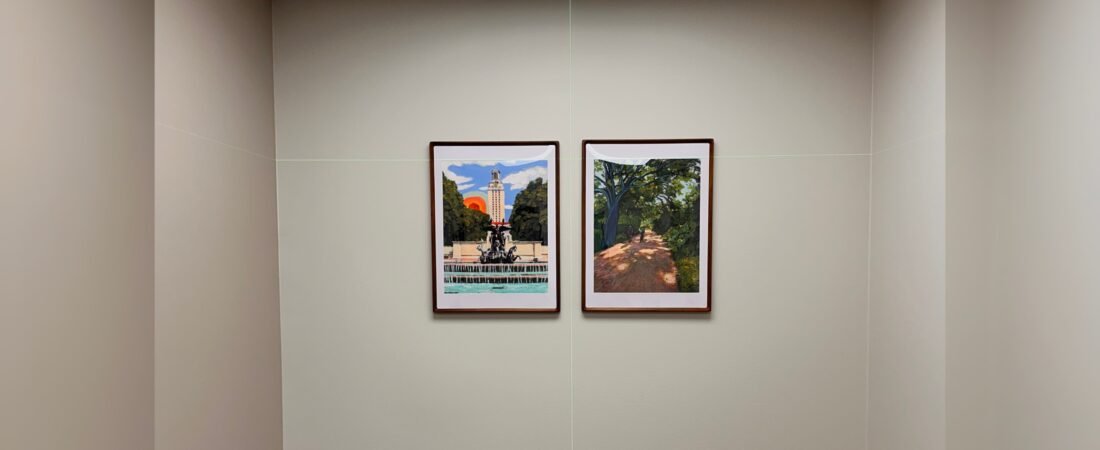
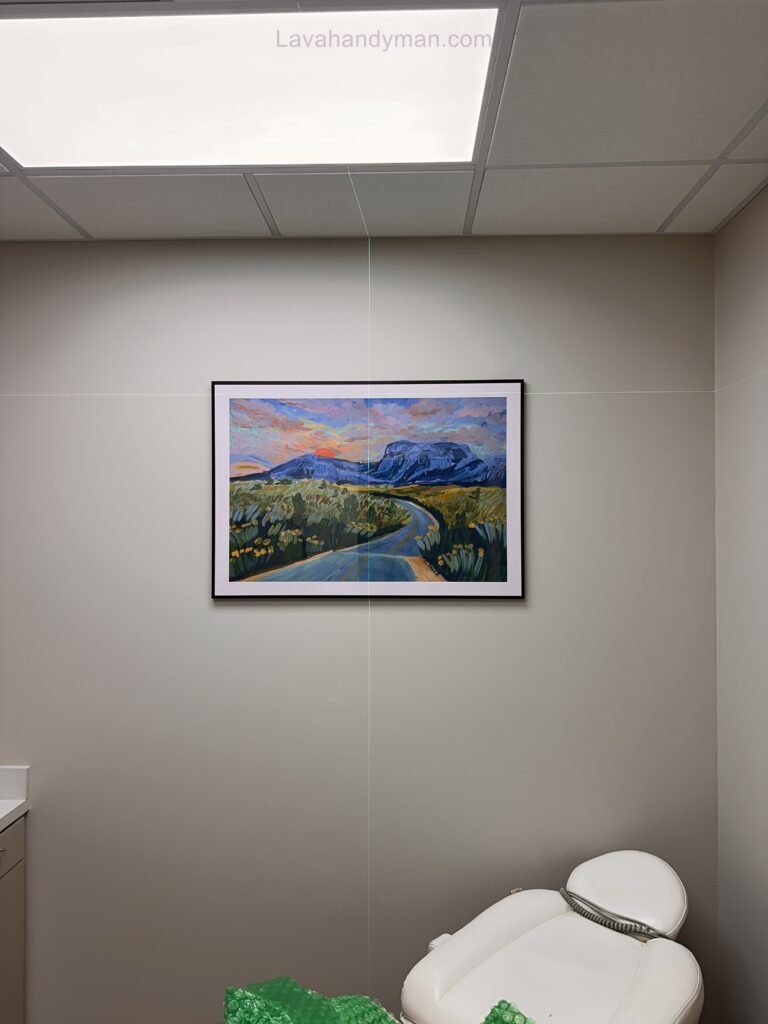
Learning how to hang paintings without drilling is an effective way to decorate your home without leaving permanent holes or damaging your walls. Whether you live in a rental apartment, want to protect freshly painted surfaces, or prefer a flexible approach to interior design, there are several ways to display artwork without using nails, screws, or power tools.
The best no-drill picture hanging method depends on several factors, including the painting’s weight, the type of wall, the condition of the surface, and how long you want the artwork to remain in place. Adhesive picture hanging strips and removable hooks can work well on compatible, smooth surfaces, while leaning frames, freestanding easels, and furniture-based displays offer alternatives for brick, wallpaper, textured plaster, and other delicate surfaces.
Hang Paintings Without Drilling
However, not every damage-free hanging product works on every wall. Some adhesives can peel paint, damage wallpaper, or lose their grip when exposed to moisture or unsuitable temperatures. Heavy or valuable paintings also require more careful planning than lightweight decorative prints.
In this comprehensive guide, you will discover how to hang paintings without drilling, compare practical installation methods, choose the right solution for different wall surfaces, and remove adhesive hangers with less risk of damage. By understanding the advantages and limitations of each method, you can create an attractive wall art display while protecting your interior finishes.
Why Choose No-Drill Picture Hanging Methods?
Traditional picture hanging often involves nails, screws, wall anchors, and drilling. Although these methods can provide reliable support, they are not always suitable for every home or decorating project.
Hang Paintings Without Drilling
No-drill picture hanging methods offer several practical benefits.
1. Protect Walls From Permanent Holes
Drilling and hammering can leave holes, cracks, chipped paint, and visible marks. Damage-free picture hanging products are designed to reduce these problems when used correctly on compatible surfaces.
However, removable does not necessarily mean completely risk-free. Adhesive products may pull away weak paint or damage delicate finishes during removal. Choosing the correct product is essential.
2. Make Decorating Easier for Renters
Hang Paintings Without Drilling
Renters often want to personalize their homes without making permanent alterations. Adhesive picture hanging strips, removable hooks, and freestanding displays can provide practical alternatives to conventional mounting hardware.
Before choosing a method, check your rental agreement and consider the condition of the walls. Even removable products may leave marks or damage certain finishes.
3. Rearrange Artwork More Easily
If you frequently update your interior design, no-drill picture hanging methods can make rearranging artwork more convenient. Some adhesive systems allow frames to be removed and repositioned without installing new screws or nails.
Furniture-based displays and freestanding easels are especially useful for people who enjoy changing their artwork regularly.
4. Avoid Power Tools
Hang Paintings Without Drilling
Many lightweight picture hanging solutions require only basic household items, such as a measuring tape, pencil, level, and cleaning cloth. This makes them convenient for quick decorating projects.
5. Display Artwork on Difficult Surfaces
Tile, finished wood, and some delicate wall surfaces can be difficult or undesirable to drill into. Depending on the surface and the artwork’s weight, a compatible adhesive system or freestanding display may provide a suitable alternative.
Best Ways to Hang Pictures Without Nails or Drilling
There is no single solution for every painting. The most appropriate method depends on the wall material, the frame design, the artwork’s weight, and the manufacturer’s installation requirements.
Hang Paintings Without Drilling
1. Adhesive Picture Hanging Strips
Adhesive picture hanging strips are among the most popular options for displaying lightweight and medium-weight framed artwork without nails. Many systems use interlocking strips that attach to the back of the frame and the wall.
When installed according to the manufacturer’s instructions, these products can provide a secure mounting solution while allowing removal without conventional nail holes.
Hang Paintings Without Drilling
Best for:
- Lightweight and medium-weight framed paintings
- Smooth painted drywall in good condition
- Certain compatible finished surfaces
- Small gallery wall arrangements
How to install adhesive picture hanging strips:
- Weigh the complete painting, including the frame and any attached hardware.
- Select a product rated for the painting’s weight and the intended wall surface.
- Clean the installation area using the recommended cleaning method.
- Allow the wall to dry completely.
- Attach the strips to the frame according to the manufacturer’s instructions.
- Position the frame carefully and press the adhesive against the wall as directed.
- Apply the required pressure for the specified amount of time.
- Follow any instructions about temporarily removing the frame or pressing the wall-mounted strips again.
- Wait for the recommended bonding period before rehanging the painting.
Hang Paintings Without Drilling
The required waiting time varies by product. Some systems specify approximately one hour, while others may have different requirements. Always follow the instructions for the exact product you use.
Important: Never exceed the stated weight limit. Adding extra strips does not automatically make an unsuitable installation safe, particularly on an incompatible or damaged wall.
2. Removable Adhesive Picture Hooks
Removable adhesive hooks provide another way to hang pictures without nails. These products usually consist of an adhesive backing and a hook designed to support compatible picture hardware.
Hang Paintings Without Drilling
They may be suitable for lightweight framed artwork, small canvases, or frames with an appropriate hanging wire or loop.
Best for:
- Lightweight framed pictures
- Small decorative canvases with compatible hardware
- Temporary displays
- Smooth surfaces approved by the manufacturer
Installation tips:
- Choose a hook with a suitable weight rating.
- Check that it supports your frame’s hanging mechanism.
- Clean and dry the wall as directed.
- Mark the desired position using a measuring tape and level.
- Apply the hook according to the product instructions.
- Allow the adhesive to bond for the recommended period.
- Hang the picture carefully and confirm that it is supported securely.
Hang Paintings Without Drilling
Avoid using ordinary adhesive hooks on rough brick, fragile paint, or wallpaper unless the product specifically allows that application.
For heavy, valuable, or irreplaceable artwork, use a more appropriate support system instead of relying on a small adhesive hook.
3. Leaning Paintings Against a Wall
Leaning artwork is one of the simplest ways to decorate without drilling, nails, or wall adhesives. Instead of attaching the painting to the wall, place it on a stable surface such as a console table, mantel, bookcase, or sturdy shelf.
This approach works particularly well in contemporary, minimalist, and eclectic interiors.
Hang Paintings Without Drilling
Best for:
- Medium and large framed paintings
- Decorative canvas artwork
- Artwork that is frequently rearranged
- Rental properties where wall modifications are restricted
To create a safe arrangement, select a level surface with sufficient depth, position the frame securely, and use suitable non-slip pads if needed.
For tall, heavy, or valuable paintings, consider an appropriate anti-tip restraint attached to a suitable structural point. Avoid placing unstable frames in high-traffic areas or where children and pets could knock them over.
Leaning artwork eliminates the need for wall attachment, but it does not eliminate the risk of tipping or falling.
Hang Paintings Without Drilling
4. Freestanding Easels and Art Display Stands
A freestanding easel or art display stand allows you to showcase a painting without attaching anything to the wall.
This method is useful for canvas artwork, decorative prints, creative studios, and temporary exhibitions.
Best for:
- Canvas paintings
- Lightweight framed artwork
- Temporary displays
- Artwork that needs to be moved frequently
Hang Paintings Without Drilling
Choose a stand designed for the painting’s dimensions and weight. Position it on a stable, level floor and keep it away from doorways or areas where it could easily be knocked over.
For large or heavy artwork, use a purpose-built stand with a suitable load rating rather than an ordinary decorative easel.
5. Freestanding Shelves and Furniture-Based Displays
A console table, bookcase, cabinet, or freestanding shelving unit can provide a convenient place to display artwork without drilling into the wall.
This method is particularly useful when you want to display multiple paintings or create a layered gallery-style arrangement.
Hang Paintings Without Drilling
Place larger frames toward the back and smaller pieces in front to create depth. Combine different frame sizes while maintaining enough space for each piece to remain stable.
Remember that a conventional wall-mounted picture ledge generally requires screws, nails, or another wall attachment. If you want to avoid drilling completely, choose a freestanding alternative.
6. Tension-Based Hanging Systems
Tension-based hanging systems can work in specific spaces where a suitable rod or support can be secured between opposing surfaces. However, ordinary curtain rods and basic tension rods are not automatically suitable for paintings.
Hang Paintings Without Drilling
Before using a tension system, verify its load rating, the stability of the supporting surfaces, and its compatibility with the hanging accessories.
This method is generally more suitable for lightweight decorative displays than for heavy framed artwork. If the rod can slip or collapse, choose a more stable alternative.
How to Hang Paintings Without Drilling on Different Wall Surfaces
Choosing the right no-drill hanging method starts with understanding the wall. Surface texture, paint condition, moisture, and material composition can all affect adhesive performance.
How to Hang Pictures on Painted Drywall Without Nails
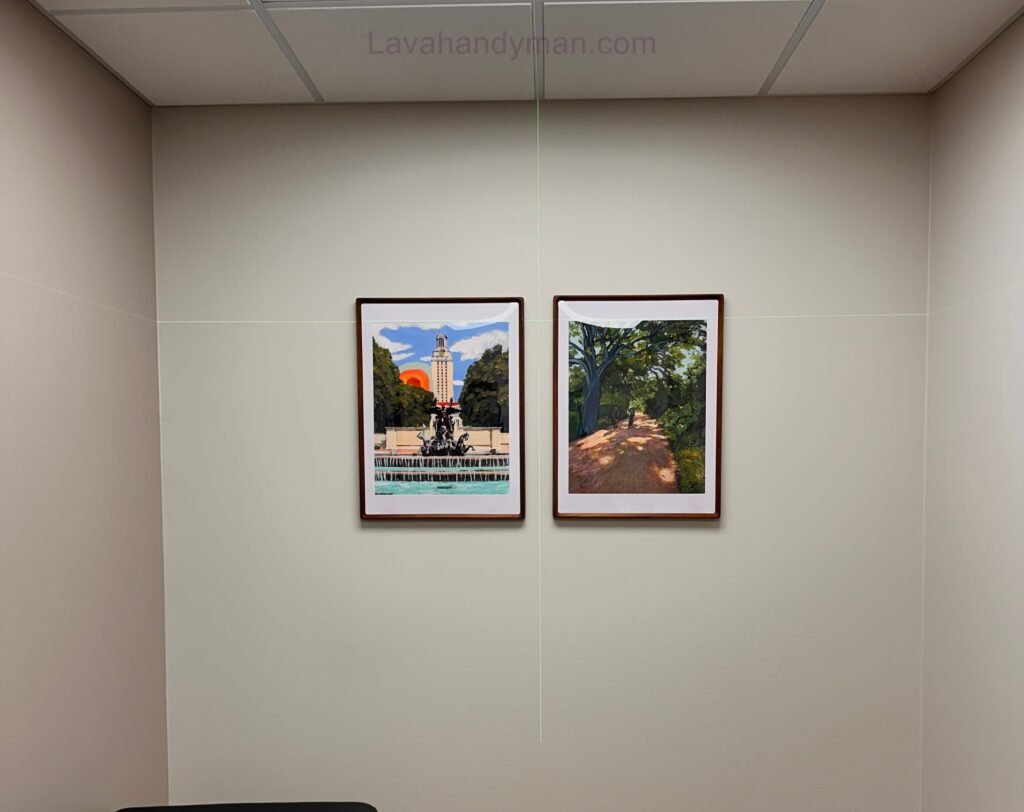
Painted drywall is often suitable for adhesive picture hanging products when the surface is smooth, clean, dry, and in good condition.
Hang Paintings Without Drilling
Recommended methods:
- Compatible adhesive picture hanging strips
- Removable adhesive hooks
- Leaning paintings on furniture
- Freestanding easels
Before installation, inspect the wall for peeling paint, cracks, moisture, or loose areas. Adhesive products should not be applied over unstable finishes.
Hang Paintings Without Drilling
Clean the surface according to the manufacturer’s instructions and allow it to dry completely. Avoid using adhesive strips on newly painted walls until the paint has cured for the period specified by the product manufacturer.
Some products recommend waiting at least seven days after painting, but requirements vary. Follow the instructions for your chosen adhesive and paint system.
For heavy paintings, use only a mounting solution specifically rated for the artwork’s full weight and the intended surface.
Hang Paintings Without Drilling
How to Hang Pictures on Plaster Walls Without Drilling
Plaster walls require extra attention because older finishes can be cracked, powdery, or poorly bonded to the underlying surface.
Recommended methods:
- Compatible adhesive strips on smooth, stable plaster finishes
- Removable hooks approved for the surface
- Leaning frames on suitable furniture
- Freestanding art displays
Inspect the plaster carefully before installing anything. If it is flaking, damp, cracked, or powdery, avoid adhesive mounting until the underlying issue has been addressed.
Hang Paintings Without Drilling
Even products marketed as removable can pull away fragile paint or plaster. If preserving an old or delicate finish is a priority, a freestanding display is often the more cautious choice.
How to Display Paintings on Brick Walls Without Drilling
Brick walls are challenging because they are usually rough and porous. Standard adhesive picture hanging strips generally need a smooth surface and may not bond reliably to exposed brick or mortar.
Recommended methods:
- Leaning paintings on a console table or mantel
- Freestanding easels
- Furniture-based displays
- Specialized mounting systems explicitly approved for the specific brick surface
Hang Paintings Without Drilling
If you want to decorate an exposed brick wall without drilling, position a sturdy piece of furniture against it and lean the painting securely on the furniture.
Specialized brick clips may be suitable for certain brick shapes and exposed edges, but they are not universally compatible and may leave marks. Check the product requirements before use.
For heavy or valuable paintings, avoid relying on generic adhesive products on rough brick.
How to Hang Art on Concrete Walls Without Drilling
Hang Paintings Without Drilling
Concrete walls can be difficult to decorate without drilling because they may be hard, porous, textured, or dusty. Standard adhesive picture strips are not necessarily suitable for unfinished concrete.
Recommended methods:
- Leaning artwork on furniture
- Freestanding easels
- Freestanding display panels
- Specialized adhesives approved for the specific concrete finish
First, determine whether the concrete is smooth and sealed or rough and unfinished. Products intended for smooth indoor surfaces may not adhere properly to porous concrete.
Hang Paintings Without Drilling
If the manufacturer does not explicitly approve the wall finish, choose a freestanding option rather than risking a failed installation.
A freestanding display panel or room divider can also create a dedicated art display without modifying the concrete wall.
How to Hang Pictures on Tile Without Drilling
Smooth tile can be suitable for certain adhesive hooks and picture hanging products, provided the tile is stable and the product is approved for that surface.
Recommended methods:
Hang Paintings Without Drilling
- Tile-compatible adhesive hooks
- Adhesive picture hanging systems rated for tile
- Freestanding displays near tiled walls
Clean the tile using a suitable method that does not leave residue, and allow it to dry completely before applying adhesive.
Avoid placing adhesive over grout lines unless the product specifically supports that application. Grout is generally more porous and uneven than the tile itself.
Do not apply pressure to loose or cracked tiles, and be careful when removing adhesive because delicate finishes can still be damaged.
For bathrooms and kitchens, check that the mounting product is suitable for the room’s humidity and temperature conditions.
Hang Paintings Without Drilling
How to Display Paintings on Wood Paneling Without Nails
Finished wood paneling may support certain adhesive products if the surface is smooth, clean, dry, and compatible with the adhesive.
Recommended methods:
- Adhesive picture hanging strips approved for finished wood
- Removable hooks rated for the frame’s weight
- Leaning paintings on furniture or shelves
Hang Paintings Without Drilling
The correct approach depends on whether the wood is painted, varnished, stained, unfinished, or covered with a delicate coating.
Avoid applying adhesive to waxed, oily, dusty, or unfinished wood unless the product instructions explicitly allow it.
For antique or decorative paneling, a furniture-based display may be preferable to avoid damaging the finish.
How to Hang Pictures on Wallpaper Without Damaging It
Wallpaper is one of the most delicate surfaces for no-drill picture hanging. Even when an adhesive hook appears secure, removing it may tear the paper or lift the decorative layer from the wall.
Hang Paintings Without Drilling
Recommended methods:
- Leaning paintings on a console table
- Freestanding easels
- Bookcases and freestanding shelves
- Floor-standing display panels
Do not assume that a removable adhesive product is safe for wallpaper. Check the manufacturer’s surface restrictions carefully.
If preserving the wallpaper is important, use a display method that does not attach directly to it.
Hang Paintings Without Drilling
How to Hang Heavy Pictures Without Drilling
Hanging heavy artwork without drilling requires more caution than displaying small decorative frames. Adhesive products have specific weight limits, and their actual performance depends on the surface, environmental conditions, frame design, and installation quality.
Before choosing a method, weigh the complete painting and check whether the mounting product is specifically rated for that weight and wall surface.
Consider these alternatives:
- Heavy artwork on furniture: Place the painting on a sturdy console or cabinet that can support its weight.
- Freestanding display stands: Choose a stand designed for the artwork’s dimensions and load.
- Purpose-built freestanding panels: Use a stable display panel designed for framed artwork.
- Compatible adhesive mounting systems: Consider these only when the manufacturer explicitly supports the artwork’s weight, frame type, and wall surface.
Hang Paintings Without Drilling
Do not rely on ordinary double-sided tape, decorative putty, or generic adhesive hooks for heavy or valuable paintings.
Adding more adhesive strips does not automatically make an installation safe. If a suitable no-drill solution is unavailable, a properly installed conventional mounting system may be necessary. Safety should take priority over avoiding holes.
Step-by-Step Guide to Hanging Paintings Without Drilling
Once you have selected an appropriate product, follow these steps to improve installation accuracy and reduce the risk of wall damage.
Step 1: Measure and Weigh the Painting
Hang Paintings Without Drilling
Measure the frame’s height and width, then weigh the complete artwork if possible. Include the frame, glazing, backing, and attached hardware.
These measurements help you choose an appropriate mounting product and determine where the painting should sit.
Step 2: Select the Right Wall Location
Choose a location where the artwork can be viewed comfortably and will not be frequently bumped.
Avoid areas exposed to excessive moisture, heat, or other environmental conditions that may affect the adhesive or the artwork.
Step 3: Identify the Wall Surface
Hang Paintings Without Drilling
Determine whether the wall is painted drywall, plaster, brick, concrete, tile, wood, or wallpaper.
Inspect the finish for dust, grease, peeling paint, cracks, and other problems. If the product is not approved for the surface, select a different method.
Step 4: Prepare the Surface
Clean the wall using the method recommended by the manufacturer. Some products recommend isopropyl alcohol, but this is not appropriate for every surface or finish.
Do not use a cleaning product that could damage the wall, and allow the area to dry completely before applying the adhesive.
Hang Paintings Without Drilling
Step 5: Plan the Position
Use a measuring tape and level to mark the desired location. If you are creating a gallery wall, arrange the frames on the floor first to test the composition and spacing.
For multiple paintings, keep the overall arrangement visually balanced rather than positioning each frame independently.
Step 6: Install the Hanging Hardware
Attach the adhesive strips or hook exactly as directed. Follow the specified orientation, pressure, component placement, and waiting period.
Do not substitute ordinary tape for hardware designed to support framed artwork.
Hang Paintings Without Drilling
Step 7: Allow the Adhesive to Bond
Wait for the full recommended period before hanging the painting. Adhesive systems may require time to develop their intended holding strength.
Never assume that an adhesive is ready simply because it feels secure immediately after application.
Step 8: Hang the Painting and Check Stability
Position the painting carefully and ensure that all components are engaged correctly.
Hang Paintings Without Drilling
Confirm that the frame is level and that its weight is distributed as intended. Do not pull or jerk the painting to test the adhesive.
Step 9: Inspect the Installation Regularly
Check periodically for slipping, separation, loose components, or changes in the wall finish.
If the mounting system begins to fail, remove the painting carefully and replace the hardware with a suitable alternative rather than waiting for it to fall.
How to Remove Adhesive Picture Hanging Strips Without Damaging Walls
Hang Paintings Without Drilling
Removing adhesive picture hanging strips correctly is essential when you want to preserve your walls.
For stretch-release products, follow the manufacturer’s instructions. Many systems require you to remove the frame from the strip first, expose the release tab, and slowly stretch the tab straight down along the wall.
Keep the strip close to the wall while stretching it. Do not pull it outward toward yourself, and avoid using excessive force.
If the adhesive does not release as expected, stop and consult the product instructions rather than prying it away with a knife or screwdriver.
Other adhesive hooks may use different removal methods, so do not assume that every product can be removed by stretching a tab.
After removing the hardware, inspect the wall for marks, adhesive residue, or changes in the finish. Even carefully removed adhesive products cannot guarantee damage-free results on weak paint, fragile plaster, or wallpaper.
Hang Paintings Without Drilling
Common No-Drill Picture Hanging Mistakes to Avoid
Even the best mounting product can fail when it is used incorrectly. Avoid these common mistakes to improve the safety and reliability of your installation.
Using Adhesive Products on Incompatible Surfaces
Standard picture hanging strips are not suitable for every type of wall. Rough brick, unfinished concrete, wallpaper, and heavily textured surfaces may prevent proper adhesion.
Hang Paintings Without Drilling
How to avoid it: Check the manufacturer’s approved surface list before purchasing or applying the product.
Ignoring the Painting’s Weight
A frame that exceeds the mounting product’s weight limit may detach from the wall, even if it initially appears secure.
How to avoid it: Weigh the complete painting and select a system with an appropriate rating for the intended surface.
Applying Adhesive to Fresh Paint
Paint that has not fully cured may separate from the wall during installation or removal.
How to avoid it: Follow the paint curing and waiting-period requirements specified by the adhesive manufacturer.
Skipping Surface Preparation
Dust, grease, moisture, and cleaning residue can weaken the adhesive bond.
How to avoid it: Prepare the wall using the recommended cleaning method and allow it to dry completely.
Hanging Artwork Too Soon
Some adhesive systems require a specific waiting period before the painting can be attached.
How to avoid it: Follow the manufacturer’s instructions instead of rushing the installation.
Removing Adhesive Strips Incorrectly
Pulling a stretch-release strip outward can damage paint or the underlying finish.
How to avoid it: Use the exact removal procedure designed for the product.
Using No-Drill Methods for Every Painting
Not all artwork can be mounted safely without drilling. Heavy frames, valuable paintings, and incompatible wall surfaces may require a different support system.
How to avoid it: Choose the method based on safety, weight, surface compatibility, and the value of the artwork.
Safety Tips for Damage-Free Wall Art Installation
Protecting your walls is important, but keeping people and artwork safe is equally essential.
- Never exceed the mounting product’s stated weight capacity.
- Avoid placing heavy artwork above beds, cribs, or frequently occupied seating areas when the mounting system is not designed for that risk.
- Keep paintings away from places where children or pets could pull them down.
- Use stable furniture and appropriate anti-tip measures for leaning frames.
- Avoid using ordinary tape, putty, or untested adhesives for heavy or valuable artwork.
- Check mounting systems periodically for signs of slipping or failure.
- Choose products rated for the temperature and humidity conditions of the room.
- Address dampness, loose paint, and other wall problems before installation.
For valuable, fragile, or irreplaceable artwork, prioritize a stable, properly assessed support system over convenience.
Frequently Asked Questions
Can I hang a painting without drilling holes?
Yes. Depending on the painting’s weight and the wall surface, you may be able to use adhesive picture hanging strips, removable hooks, a freestanding easel, or a furniture-based display. The safest choice depends on the product’s specifications and the condition of the wall.
What is the best way to hang pictures without nails?
For lightweight and medium-weight frames on compatible, smooth surfaces, purpose-designed adhesive picture hanging strips can be a practical option. For wallpaper, rough brick, or delicate finishes, leaning artwork on furniture or using a freestanding stand may be more suitable.
Do adhesive picture hanging strips damage paint?
They are designed to reduce wall damage when used correctly on approved surfaces. However, damage is possible if the paint is weak, the wall is textured, the paint has not cured, or the adhesive is removed incorrectly.
How can I hang heavy pictures without drilling?
Use only a mounting system specifically rated for the complete artwork’s weight and the intended wall surface. If no suitable product is available, consider a sturdy furniture-based display or a purpose-built freestanding support.
Can I hang pictures on brick walls without drilling?
Standard adhesive picture hanging strips generally do not work reliably on rough, porous brick. Leaning a painting on a console table, using a freestanding easel, or choosing a specialized system approved for the particular brick surface may be more appropriate.
How do I hang pictures on tile without drilling?
A tile-compatible adhesive hook or picture hanging system may work if the tile is clean, dry, stable, and approved by the product manufacturer. Avoid damaged tiles and check whether the adhesive is suitable for the room’s humidity conditions.
Can I hang paintings on wallpaper without damaging it?
Adhesive products may tear wallpaper or lift its surface during removal. If you want to preserve the wallpaper, consider a freestanding easel, bookcase, console table, or other display that does not attach directly to the paper.
How long should I wait before hanging a painting after applying adhesive strips?
The waiting period depends on the product. Some systems specify approximately one hour, while others have different requirements. Always follow the instructions printed on the packaging.
How do I remove picture hanging strips without damaging the wall?
For stretch-release strips, remove the frame as instructed and slowly stretch the exposed tab straight down along the wall. Avoid pulling outward. Other adhesive products may require different removal procedures.
Are no-drill picture hanging methods suitable for renters?
Yes, they can be useful for renters who want to avoid permanent holes. However, removable adhesives may still damage paint or wallpaper, so check the rental agreement and select a method appropriate for the wall’s condition.
Can I hang a canvas painting without nails?
Yes. A lightweight canvas may be suitable for a compatible adhesive hanger or picture hanging system, depending on its weight and design. A freestanding easel or stable furniture-based display is another option.
Conclusion
Learning how to hang paintings without drilling or damaging walls can help you decorate your home while preserving your existing finishes. Adhesive picture hanging strips and removable hooks may work well on compatible smooth surfaces, while leaning frames, freestanding easels, and furniture-based displays provide alternatives when adhesives are unsuitable.
The most effective no-drill picture hanging method depends on the wall material, the painting’s weight, the condition of the surface, and the manufacturer’s requirements. Painted drywall, certain finished wood surfaces, and smooth tile may support suitable adhesive products, whereas wallpaper, rough brick, unfinished concrete, and fragile plaster often require a different approach.
Before installing artwork, inspect the wall, check the product’s weight rating, prepare the surface correctly, and follow the recommended installation and removal procedures. For heavy, valuable, or irreplaceable paintings, prioritize stability and safety over avoiding holes at all costs.
With careful planning and the right installation method, you can create an attractive wall art display, update your interior design, and minimize unnecessary damage to your walls.
📞 Need Help?
Let us take care of the hard work while you sit back and relax.
📍 Serving: Austin, Round Rock, Cedar Park & more
📱 Call or Text: (737) 420-6992
🌐 Visit: https://lavahandyman.com