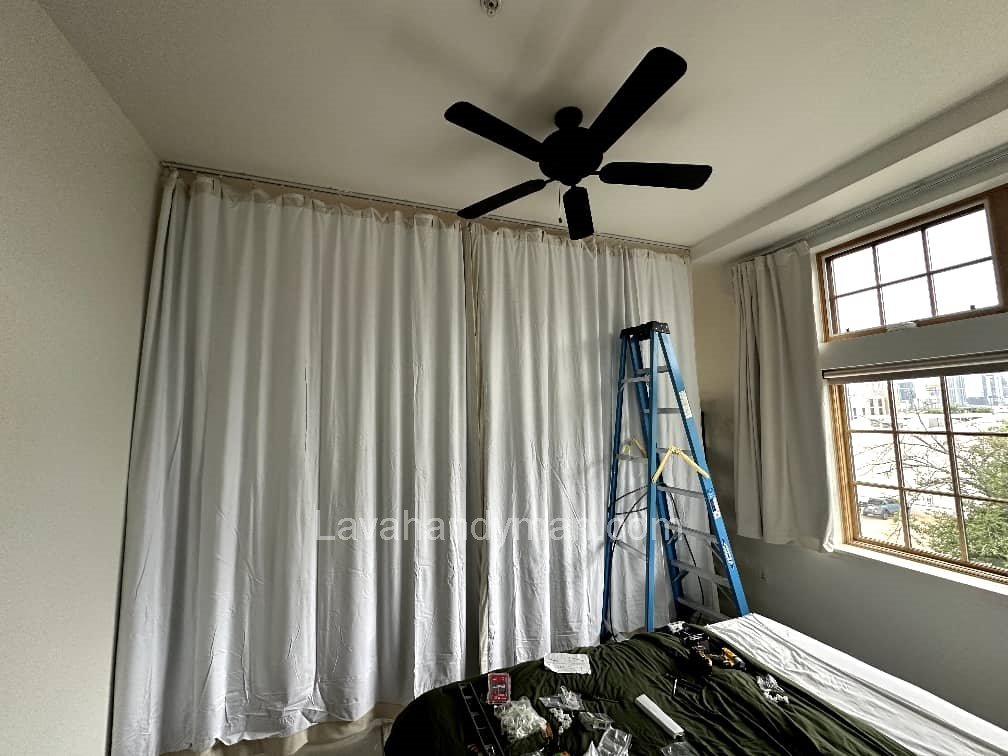
A Complete Guide to Sunshade Curtain Installation: Choosing the Right Model and Professional Installation Techniques
Introduction
Sunshade curtain installation is an effective way to improve indoor comfort, control natural light, reduce solar heat gain, and protect furniture from prolonged exposure to sunlight. Whether you are upgrading your home, furnishing a modern office, or improving a commercial building, choosing the right sunshade curtains and installing them correctly can make a significant difference in the appearance and functionality of your windows.
Modern sunshade curtains are available in a wide range of designs, materials, colors, and operating systems. From roller sunshade curtains and zebra blinds to vertical shades and motorized window coverings, each option offers different benefits depending on the window size, sunlight exposure, privacy requirements, and interior design.
However, purchasing the right curtain is only the first step. Proper window measurements, suitable mounting hardware, accurate bracket positioning, and professional installation techniques are equally important for achieving long-lasting performance.
Guide to Sunshade Curtain Installation
In this complete guide to sunshade curtain installation, we will explore the different types of window sunshades, explain how to select the best model, provide step-by-step installation instructions, and discuss professional installation techniques. You will also learn about installation costs, common mistakes, maintenance requirements, and the advantages of hiring an experienced curtain installer.
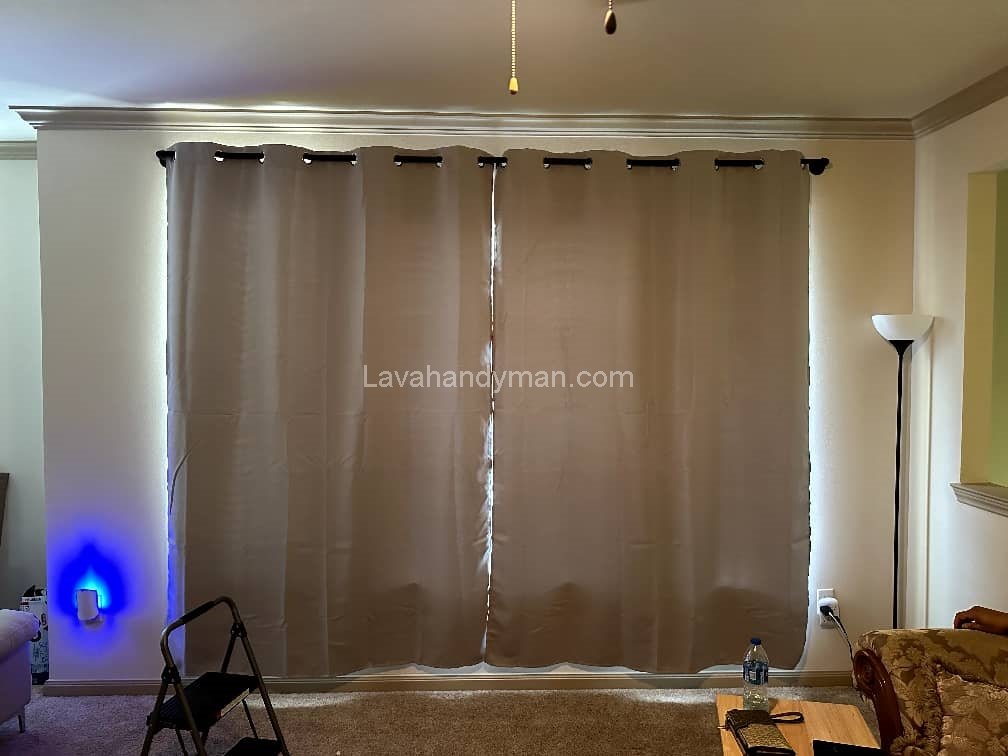
1. What Is Sunshade Curtain Installation?
Guide to Sunshade Curtain Installation
Sunshade curtain installation refers to the process of measuring, mounting, and fitting specialized window coverings designed to control sunlight and improve indoor comfort.
Unlike traditional decorative curtains, sunshade curtains are often manufactured using technical fabrics that filter daylight, reduce glare, and limit unwanted solar heat. Depending on their construction and transparency, they can provide different levels of shading, visibility, and privacy.
These window coverings are commonly installed in residential properties, commercial buildings, offices, hotels, restaurants, educational facilities, and other spaces with significant window exposure.
A properly installed sunshade curtain should fit the window correctly, operate smoothly, remain securely mounted, and provide the intended level of light control.
Guide to Sunshade Curtain Installation
The installation method depends on several factors, including:
- Window dimensions and frame design
- Type and weight of the curtain
- Mounting surface and available installation depth
- Manual or motorized operating mechanism
- Fabric transparency and shading requirements
- Indoor design and functional preferences
Understanding these factors before purchasing a product can help prevent installation problems and unnecessary expenses.
2. Benefits of Installing Sunshade Curtains
Guide to Sunshade Curtain Installation
Sunshade curtains offer several practical benefits that make them a popular choice for modern homes and commercial environments.
2.1. Better Natural Light Control
One of the main reasons people choose sunshade curtains is the ability to control incoming daylight.
Excessive sunlight can create uncomfortable brightness, screen reflections, and glare, especially in rooms with large windows. Properly selected window shades help regulate the amount of light entering the room while maintaining a comfortable indoor atmosphere.
This feature is particularly useful in offices, bedrooms, living rooms, and conference rooms.
Guide to Sunshade Curtain Installation
2.2. Reduced Solar Heat Gain
Direct sunlight can increase indoor temperatures, particularly during warmer months.
Certain sunshade fabrics are designed to reduce the amount of solar energy entering through windows. Depending on their material, color, openness, and installation configuration, these products may help maintain more comfortable indoor temperatures.
Reducing solar heat gain can also lower the cooling demand of air-conditioning systems in suitable buildings.
For improved thermal performance, consider products with verified solar-control specifications rather than relying only on their appearance.
Guide to Sunshade Curtain Installation
2.3. Protection Against UV Exposure
Prolonged exposure to ultraviolet radiation can contribute to fading and deterioration of furniture, flooring, carpets, artwork, and decorative materials.
Sunshade curtains with appropriate UV-filtering properties can reduce the amount of ultraviolet radiation entering through windows.
This makes them a useful addition to rooms containing valuable furniture, wooden surfaces, and sensitive decorative materials.
Guide to Sunshade Curtain Installation
2.4. Improved Privacy
Depending on their fabric density and construction, sunshade curtains can reduce visibility from outside while allowing natural light to enter.
They are particularly useful in homes, offices, and commercial environments where occupants want to maintain a balance between daylight and privacy.
However, privacy performance varies according to lighting conditions. Some solar-screen fabrics provide limited privacy at night when indoor lights are switched on.
Guide to Sunshade Curtain Installation
2.5. Modern Interior Appearance
Sunshade curtains are available in various colors, textures, and styles, making them suitable for different interior designs.
Minimalist roller shades, elegant Roman curtains, contemporary zebra blinds, and motorized systems can all improve the visual appearance of a room.
Guide to Sunshade Curtain Installation
Their clean and organized appearance makes them especially popular in modern residential and commercial properties.
3. Different Types of Sunshade Curtains for Windows
Choosing the right sunshade curtain is one of the most important decisions before installation. Different curtain systems have different operating mechanisms, fabric characteristics, and mounting requirements.
3.1. Roller Sunshade Curtains
Guide to Sunshade Curtain Installation
Roller sunshade curtains are among the most widely used window-covering systems.
They consist of a fabric panel attached to a cylindrical tube that rolls upward or downward using a chain, spring mechanism, or electric motor.
Roller shades are available in different fabric options, including light-filtering, sunscreen, translucent, and blackout materials.
Main advantages:
Guide to Sunshade Curtain Installation
- Simple and modern appearance
- Easy operation and maintenance
- Space-saving installation
- Suitable for residential and commercial spaces
- Available in manual and motorized versions
- Different levels of light filtration
Roller sunshade curtains are ideal for bedrooms, living rooms, offices, kitchens, and large window openings.
3.2. Zebra Sunshade Curtains
Guide to Sunshade Curtain Installation
Zebra curtains, also known as dual-layer roller blinds, feature alternating transparent and opaque horizontal fabric bands.
By adjusting the alignment of these layers, users can control incoming daylight and privacy without completely raising the curtain.
Zebra curtains are popular in modern apartments and offices because they combine practical light control with an attractive appearance.
During installation, accurate alignment of the fabric layers is essential for smooth operation and consistent visual results.
Guide to Sunshade Curtain Installation
3.3. Vertical Sunshade Curtains
Vertical curtains consist of individual fabric panels suspended from a horizontal track.
The panels can rotate to control sunlight and move sideways to open or close the window.
They are especially suitable for:
Guide to Sunshade Curtain Installation
- Large glass windows
- Sliding doors
- Office partitions
- Commercial buildings
- Wide window openings
- Conference rooms
Vertical sunshade curtains require careful track alignment and correct spacing between the individual fabric panels.
3.4. Roman Sunshade Curtains
Guide to Sunshade Curtain Installation
Roman curtains use fabric panels that fold into horizontal sections when raised.
They combine the decorative appearance of traditional curtains with a structured lifting mechanism.
Roman shades are frequently installed in bedrooms, living rooms, dining areas, and interiors where appearance is an important consideration.
Professional installation helps ensure that the fabric folds evenly and that the lifting mechanism functions correctly.
Guide to Sunshade Curtain Installation
3.5. Motorized Sunshade Curtains
Motorized sunshade curtains use an electric motor to raise, lower, or adjust the window covering.
Depending on the model, they can be controlled using a remote control, wall switch, smartphone application, or compatible smart-home system.
Main advantages:
- Convenient operation
- Suitable for large or hard-to-reach windows
- Compatibility with home automation
- Improved accessibility
- Programmable opening and closing schedules
- Reduced need for manual operation
Guide to Sunshade Curtain Installation
Motorized sunshade installation requires additional attention to motor compatibility, mounting strength, power connections, and control configuration.
4. How to Choose the Best Sunshade Curtains for Your Windows
Selecting the right sunshade curtain requires more than choosing an attractive color. You should consider the window’s location, sunlight exposure, fabric properties, operating system, and installation requirements.
4.1. Consider Window Orientation
The direction a window faces can influence the amount of direct sunlight entering a room.
Guide to Sunshade Curtain Installation
In many Northern Hemisphere locations, south-facing and west-facing windows may experience substantial solar exposure during certain periods of the day.
East-facing windows generally receive stronger morning sunlight, while north-facing windows often receive less direct sunlight.
Understanding the orientation of your windows helps determine the most suitable shading level and fabric type.
4.2. Choose the Appropriate Fabric Openness
Guide to Sunshade Curtain Installation
Fabric openness refers to the proportion of open space within a solar-screen fabric.
Common solar-screen fabric classifications include:
- 1% openness: Provides relatively strong screening and limited outward visibility.
- 3% openness: Offers a balance between daylight, visibility, and solar control.
- 5% openness: Allows more natural light and outward visibility.
- 10% openness: Provides greater daylight transmission and visibility but generally offers less solar screening.
These percentages are general product classifications. Actual performance depends on fabric construction, color, coating, and manufacturer specifications.
Guide to Sunshade Curtain Installation
4.3. Select the Right Fabric Color
Fabric color affects both the appearance and functional performance of sunshade curtains.
Light-colored fabrics often reflect more visible and solar radiation, depending on their construction. Darker fabrics may reduce perceived glare and provide clearer outward visibility.
For this reason, consider the room’s orientation, lighting conditions, interior decoration, and privacy requirements before making a final decision.
Guide to Sunshade Curtain Installation
4.4. Decide Between Manual and Motorized Systems
Manual sunshade curtains are generally more affordable and straightforward to operate.
Motorized systems provide additional convenience and are particularly useful for large windows, high ceilings, and smart-home environments.
Before purchasing a motorized model, check the availability of compatible motors, power supplies, remote controls, and replacement components.
4.5. Check Material Quality and Durability
Guide to Sunshade Curtain Installation
High-quality sunshade curtains should have durable fabrics and reliable operating components.
Important product specifications include:
- UV resistance
- Colorfastness
- Fabric durability
- Ease of cleaning
- Moisture resistance where necessary
- Quality of the roller or track mechanism
- Manufacturer warranty
Choosing reliable materials can help reduce maintenance requirements and improve long-term performance.
Guide to Sunshade Curtain Installation
5. Tools and Materials Needed for Sunshade Curtain Installation
Preparing the correct tools and mounting accessories before beginning the installation process can make the work faster, safer, and more accurate.
Common tools include:
- Measuring tape
- Pencil or marking tool
- Spirit level
- Electric drill
- Suitable drill bits
- Screwdriver
- Screws and wall plugs
- Mounting brackets
- Ladder or stable working platform
- Safety glasses
- Stud finder, where appropriate
Guide to Sunshade Curtain Installation
The required mounting accessories depend on the installation surface and curtain weight.
For example, concrete, brick, plasterboard, timber, and metal window frames require different fixing methods.
Always select mounting hardware according to the manufacturer’s instructions, the substrate material, and the expected load.
6. How to Measure Windows for Sunshade Curtain Installation
Accurate measurements are essential for successful sunshade curtain installation.
Incorrect measurements can cause light gaps, poor window coverage, restricted movement, and unnecessary modifications.
There are two main mounting methods: inside mount and outside mount.
Guide to Sunshade Curtain Installation
6.1. Inside Mount Measurements
Inside mounting involves installing the curtain within the window recess or frame.
This method creates a clean, integrated appearance and is commonly used in modern residential and commercial interiors.
Follow these steps:
- Measure the window recess width at the top, middle, and bottom.
- Record all three measurements.
- Use the smallest width as the reference, subject to the manufacturer’s fitting allowance.
- Measure the height at the left, center, and right.
- Use the largest height when full coverage is required.
- Check the available recess depth to ensure that the curtain mechanism fits properly.
Guide to Sunshade Curtain Installation
The required measurement deductions vary according to the curtain model and manufacturer.
Always follow the product’s measuring instructions before ordering.
6.2. Outside Mount Measurements
Outside mounting involves installing the curtain above or around the window frame.
Guide to Sunshade Curtain Installation
This method can provide greater coverage and help reduce light gaps around the edges.
Follow these steps:
- Measure the full width of the window.
- Determine the desired additional coverage on both sides.
- Measure the required installation height.
- Check the position of window handles and nearby obstacles.
- Confirm that the curtain can move freely.
- Make sure the selected mounting area can support the curtain.
Outside mounting is particularly useful when the window recess is too shallow or irregular for an inside installation.
Guide to Sunshade Curtain Installation
7. Step-by-Step Guide to Sunshade Curtain Installation
Although the exact process varies according to the curtain system, most standard installations follow a similar sequence.
Step 1: Inspect the Installation Area
Guide to Sunshade Curtain Installation
Start by examining the window, frame, wall, or ceiling where the curtain will be installed.
Look for cracks, loose plaster, uneven surfaces, and possible obstructions.
Check for concealed electrical cables and plumbing before drilling.
For large or heavy curtain systems, identify suitable structural fixing points before proceeding.
Step 2: Mark the Mounting Bracket Positions
Guide to Sunshade Curtain Installation
Use the manufacturer’s measurements to determine the correct bracket locations.
Hold each bracket in its intended position and mark the screw holes using a pencil.
Use a spirit level to ensure that the brackets will be aligned horizontally.
Accurate bracket positioning helps prevent uneven movement and unnecessary mechanical stress.
Guide to Sunshade Curtain Installation
Step 3: Drill the Mounting Holes
Choose a drill bit suitable for the installation surface and the selected fixing hardware.
Drill carefully at the marked positions.
For concrete and brick, use appropriate masonry drill bits and compatible anchors.
For plasterboard, use a suitable hollow-wall fixing system or locate structural framing when necessary.
Avoid drilling near electrical wiring, plumbing, or other hidden services.
Step 4: Install the Mounting Brackets
Position each bracket over the drilled hole and secure it with the appropriate screws.
Tighten the screws firmly without damaging the bracket or mounting surface.
Check the alignment once again before attaching the curtain.
Step 5: Attach the Sunshade Curtain
The attachment method depends on the curtain design.
For roller curtains, place the roller tube into the mounting brackets according to the manufacturer’s instructions.
For zebra curtains, ensure that the fabric layers are correctly positioned.
For vertical curtains, secure the headrail and attach the individual fabric vanes.
Guide to Sunshade Curtain Installation
For motorized systems, check the motor position and electrical requirements before final installation.
Never force a curtain mechanism into the brackets.
Step 6: Test the Operating Mechanism
After installing the curtain, raise and lower it several times.
Check for:
- Uneven movement
- Fabric twisting
- Unusual noise
- Loose brackets
- Obstructions around the window
- Problems with the control chain or motor
Guide to Sunshade Curtain Installation
If the curtain does not operate smoothly, inspect the alignment and mounting components before regular use.
Step 7: Complete the Final Adjustments
Make the necessary adjustments to the curtain position, fabric alignment, and operating mechanism.
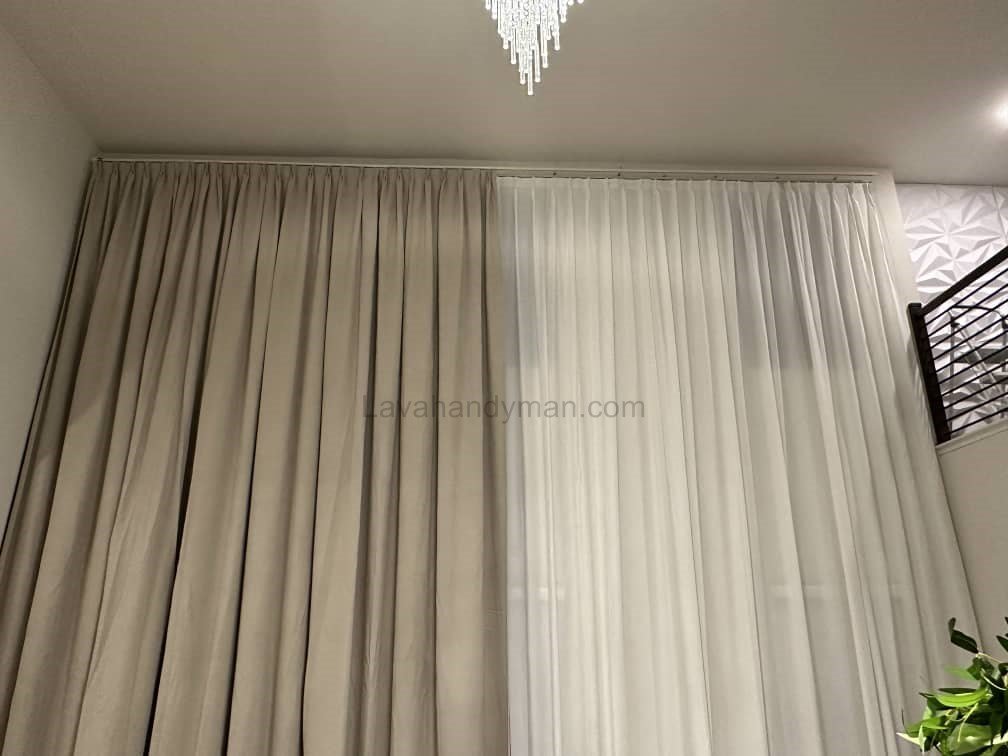
Confirm that the curtain provides the intended window coverage and that all mounting components are secure.
Guide to Sunshade Curtain Installation
Finally, clean the installation area and remove drilling dust and packaging materials.
8. Professional Sunshade Curtain Installation Techniques
Professional installation involves more than attaching a curtain to a wall or window frame.
Experienced installers consider structural conditions, product specifications, mounting hardware, operating mechanisms, and long-term durability.
Guide to Sunshade Curtain Installation
8.1. Accurate Leveling and Alignment
Proper alignment is essential for smooth curtain operation.
Even a small installation error can cause roller curtains to move unevenly, create fabric wrinkles, or place unnecessary pressure on mechanical components.
Guide to Sunshade Curtain Installation
Professional installers use accurate measuring tools and leveling equipment to maintain proper alignment.
8.2. Selecting the Correct Mounting Hardware
Different installation surfaces require different mounting solutions.
For example:
- Concrete generally requires suitable masonry anchors.
- Brick requires compatible plugs and screws.
- Timber frames can accommodate appropriate wood screws.
- Plasterboard may require specialized hollow-wall anchors or structural support.
- Metal frames require compatible fasteners and careful drilling procedures.
Using unsuitable mounting hardware can weaken the installation and increase the risk of bracket failure.
Guide to Sunshade Curtain Installation
8.3. Correct Fabric Alignment and Tension
Some sunshade systems require specific adjustments to maintain consistent fabric movement.
Guide to Sunshade Curtain Installation
The fabric should remain aligned and should not rub against nearby surfaces or interfere with the operating mechanism.
Guide to Sunshade Curtain Installation
For roller curtains, correct roller and bracket installation helps prevent uneven winding and fabric damage.
8.4. Installing Large and Heavy Sunshade Curtains
Large windows may require wider roller tubes, longer tracks, and additional mounting support.
Installers should consider:
Guide to Sunshade Curtain Installation
- Total curtain weight
- Window width and height
- Bracket capacity
- Mounting surface strength
- Manufacturer’s maximum recommended dimensions
- Operating mechanism requirements
The number and position of mounting brackets should follow the product manufacturer’s specifications.
Guide to Sunshade Curtain Installation
8.5. Professional Installation of Motorized Systems
Motorized sunshade curtains require additional technical preparation.
The installation process may include:
- Checking motor compatibility
- Planning power connections
- Installing suitable electrical accessories
- Configuring remote controls
- Setting opening and closing limits
- Testing the motorized mechanism
- Integrating the system with compatible smart-home devices
Electrical connections should be handled by a qualified professional when required by local regulations.
Guide to Sunshade Curtain Installation
9. Common Sunshade Curtain Installation Mistakes to Avoid
Avoiding common installation mistakes can help improve the appearance, safety, and durability of sunshade curtains.
9.1. Incorrect Window Measurements
Measuring a window only once or using incorrect reference points can result in curtains that are too narrow, too wide, or unsuitable for the mounting location.
Always measure carefully and verify dimensions before ordering.
Guide to Sunshade Curtain Installation
9.2. Poor Bracket Alignment
Uneven bracket positioning can cause roller curtains to move incorrectly and may increase mechanical stress.
Use a spirit level and check all measurements before drilling.
9.3. Using the Wrong Screws and Anchors
Guide to Sunshade Curtain Installation
Different mounting surfaces require different fixing accessories.
Using unsuitable screws or wall plugs can cause brackets to loosen, particularly when curtains are operated frequently.
Always match the hardware to the installation surface and expected load.
Guide to Sunshade Curtain Installation
9.4. Ignoring Window Handles and Other Obstacles
Window handles, radiators, ventilation systems, and nearby furniture can interfere with curtain movement.
Inspect the complete operating area before selecting the mounting position.
9.5. Incorrect Motorized Curtain Installation
Motorized systems may not work correctly if motor orientation, electrical connections, or travel limits are configured incorrectly.
Follow manufacturer instructions and use professional assistance when necessary.
10. DIY vs. Professional Sunshade Curtain Installation
Homeowners often wonder whether they should install sunshade curtains themselves or hire a professional installer.
Both options have advantages, but the right choice depends on the curtain type, available tools, installation surface, and level of technical experience.
DIY Sunshade Curtain Installation
DIY installation can be suitable for simple and lightweight curtain systems.
Advantages include:
- Lower labor costs
- Flexible installation scheduling
- Greater control over the process
- A practical project for people with basic installation skills
However, DIY installation requires accurate measurements, suitable tools, and an understanding of mounting requirements.
Incorrect installation may result in damaged window frames, loose brackets, or poor curtain operation.
Professional Sunshade Curtain Installation
Professional installation is generally recommended for large windows, complex mounting conditions, heavy curtains, and motorized systems.
Main advantages include:
- Accurate window measurements
- Correct selection of mounting hardware
- Professional bracket alignment
- Reduced risk of installation mistakes
- Proper adjustment of operating mechanisms
- Time savings
- Assistance with final inspection and testing
Although professional installation may involve additional labor costs, it can help prevent expensive problems caused by incorrect mounting.
11. How Much Does Sunshade Curtain Installation Cost?
The cost of sunshade curtain installation depends on several factors. There is no single price that applies to every window or curtain system.
Understanding the main cost factors can help homeowners and businesses plan their budgets more effectively.
11.1. Type of Sunshade Curtain
Different curtain systems require different installation methods.
Standard roller curtains generally have simpler installation requirements than motorized, vertical, or more complex dual-layer systems.
11.2. Window Dimensions
Large windows require more fabric and may need stronger mounting hardware or additional brackets.
Wide curtain systems can also require more installation time.
11.3. Installation Surface
The type of wall, frame, or ceiling affects the tools and fixing materials required.
Installing a curtain on a standard timber frame may be simpler than working with concrete, brick, metal, or plasterboard.
11.4. Motorized Components
Motorized sunshade curtains may involve additional expenses for electric motors, remote controls, power accessories, and system configuration.
11.5. Number of Windows
The total number of windows can influence labor requirements and the final project cost.
Some installation companies offer different pricing structures for multiple-window projects.
11.6. Additional Installation Services
Removing old curtains, repairing mounting surfaces, modifying brackets, and installing smart-home controls may increase the final price.
For an accurate quotation, provide the installer with window dimensions, curtain specifications, installation location, and any additional requirements.
12. Sunshade Curtain Maintenance and Care Tips
Proper maintenance helps preserve the appearance, functionality, and durability of sunshade curtains.
Although cleaning requirements vary according to the fabric and operating mechanism, several general practices can help extend their service life.
12.1. Clean the Fabric Regularly
Remove dust using a soft brush or vacuum cleaner with a suitable attachment.
For stains, follow the manufacturer’s cleaning instructions.
Avoid aggressive chemicals or excessive moisture unless the fabric is specifically designed to withstand them.
12.2. Inspect the Mounting Brackets
Periodically check the brackets and screws to ensure that they remain secure.
If you notice movement, looseness, or unusual noise, inspect the installation before continuing regular operation.
12.3. Operate the Curtains Carefully
Avoid pulling chains or operating mechanisms excessively.
For motorized systems, do not force the curtain manually unless the product is designed for manual operation.
12.4. Keep the Operating Mechanism Clean
Keep chains, cords, tracks, and other moving components free from dust and obstructions.
For motorized curtains, follow the manufacturer’s recommendations for maintenance and electrical safety.
12.5. Follow Manufacturer Recommendations
Different fabrics and mechanisms have different maintenance requirements.
Always consult the product documentation before using cleaning products or replacement components.
13. Safety Tips for Sunshade Curtain Installation
Safety should always be a priority during window curtain installation.
Before beginning the work, consider these precautions:
- Use a stable ladder or suitable working platform.
- Wear safety glasses when drilling.
- Check for concealed electrical wiring and plumbing.
- Use the correct drill bits and mounting hardware.
- Do not exceed the load capacity of brackets or anchors.
- Keep children and pets away from the installation area.
- Follow the manufacturer’s operating instructions.
- Ensure that cords and chains have appropriate child-safety devices.
Corded window coverings can present a strangulation hazard to young children.
Where possible, consider cordless or motorized systems and follow applicable child-safety standards.
Electrical installation work should be performed by qualified professionals when required.
14. How to Choose a Professional Sunshade Curtain Installer
Choosing an experienced installer is an important part of achieving a reliable and attractive result.
Before hiring a service provider, consider the following factors.
14.1. Experience and Technical Knowledge
Choose an installer with experience in the specific curtain system you intend to purchase.
Different products have different mounting, adjustment, and operating requirements.
14.2. Quality of Installation Materials
Ask whether the installation service uses suitable brackets, anchors, screws, and other mounting accessories.
The quality of these components can directly affect installation stability and durability.
14.3. Previous Projects and Customer Reviews
Reviewing previous projects can help you evaluate the installer’s workmanship and technical experience.
Customer feedback may also provide useful information about communication, punctuality, and service quality.
14.4. Warranty and After-Sales Support
Ask whether installation work includes a warranty and whether the provider offers assistance with future adjustments or maintenance.
Clear service conditions help prevent misunderstandings.
14.5. Transparent Installation Pricing
A reliable installer should explain labor costs, additional materials, and possible extra charges before beginning the project.
Requesting a detailed quotation can make it easier to compare service providers.
15. Frequently Asked Questions About Sunshade Curtain Installation
15.1. How Do You Install Sunshade Curtains?
Sunshade curtains are generally installed by measuring the window, marking the mounting bracket positions, drilling suitable holes, securing the brackets, and attaching the curtain system. The exact procedure depends on the curtain type and mounting surface.
15.2. What Is the Best Type of Sunshade Curtain for Windows?
Roller sunshade curtains are popular because of their simple design and easy operation. Zebra curtains provide adjustable light control, vertical shades are suitable for large windows, and motorized curtains offer additional convenience.
15.3. How Much Does Professional Sunshade Curtain Installation Cost?
Installation costs depend on curtain type, window dimensions, mounting surface, labor requirements, and additional accessories. Motorized systems generally require a larger budget than standard manual curtains.
15.4. Can Sunshade Curtains Be Installed Without Drilling?
Some products support adhesive brackets, tension mounts, or specialized clip-on fittings. However, these methods are not suitable for every curtain system. Always check compatibility and load capacity before installation.
15.5. Are Sunshade Curtains Suitable for Double-Glazed Windows?
Yes. Many sunshade curtain systems can be installed on or around double-glazed windows, provided that the mounting method is compatible with the window frame. Avoid drilling into the glazing unit itself.
15.6. How Long Does Sunshade Curtain Installation Take?
Installation time depends on the number of windows, curtain design, mounting surface, and operating mechanism. Simple manual systems generally require less time than large or motorized installations.
15.7. Do Sunshade Curtains Reduce Indoor Heat?
Yes. Depending on fabric properties, color, window orientation, and installation conditions, sunshade curtains can reduce solar heat gain and improve indoor comfort.
15.8. Are Motorized Sunshade Curtains Worth Installing?
Motorized curtains can be useful for large windows, high ceilings, and smart homes. They provide convenient operation and may support automated schedules, although their initial cost is generally higher than manual alternatives.
15.9. Should I Choose Inside Mount or Outside Mount?
Inside mounting provides a clean and integrated appearance when sufficient window recess depth is available. Outside mounting can offer greater window coverage and is often suitable for shallow or irregular recesses.
15.10. How Often Should Sunshade Curtains Be Cleaned?
Cleaning frequency depends on the environment, fabric type, and dust exposure. Regular light dust removal and occasional deeper cleaning according to manufacturer instructions are generally recommended.
Conclusion
Sunshade curtain installation is an important investment in indoor comfort, light control, privacy, and interior design. However, achieving the best results requires more than selecting an attractive window covering.
Choosing the right curtain type, taking accurate window measurements, using suitable mounting hardware, and following professional installation techniques are all essential for a reliable and long-lasting result.
From roller and zebra curtains to vertical shades and motorized systems, each option offers different advantages depending on the property’s design and functional requirements.
While simple curtain systems may be suitable for DIY installation, large windows, heavy products, and motorized systems often require professional installation to ensure proper alignment, secure mounting, and smooth operation.
By understanding the available sunshade curtain options and following the correct installation procedures, homeowners and businesses can create more comfortable, functional, and visually appealing indoor spaces.
Whether you are installing new window coverings or upgrading an existing system, investing in quality materials and professional installation can help you achieve better results and enjoy the benefits of sunshade curtains for years to come.
📞 Need Help?
Let us take care of the hard work while you sit back and relax.
📍 Serving: Austin, Round Rock, Cedar Park & more
📱 Call or Text: (737) 420-6992
🌐 Visit: https://lavahandyman.com