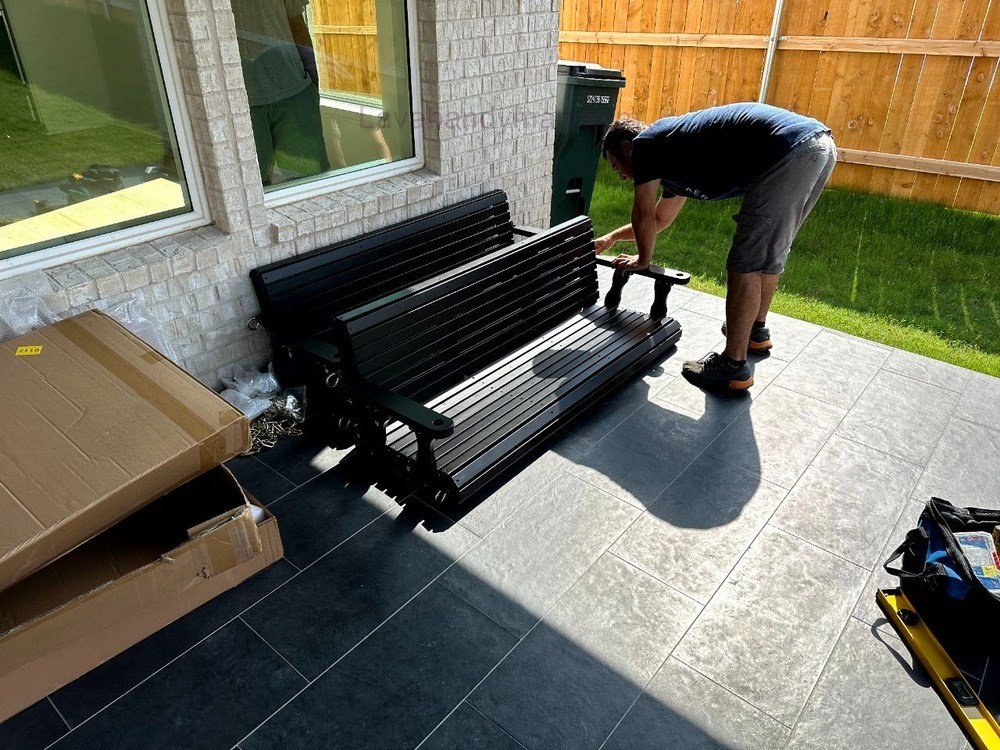
Comprehensive Guide to Bench Swing Assembly: Technical Considerations and Steps for Proper Installation
A bench swing is one of the most commonly used pieces of playground and outdoor equipment in parks, children’s play areas, kindergartens, schools, recreational facilities, and some residential outdoor spaces. This type of swing typically features a bench-style seat designed for two users, making it a practical and comfortable option for a variety of outdoor environments.
However, bench swing assembly is not simply a matter of putting several metal components together. Proper assembly of the frame, correct installation of the swing seat, accurate attachment of chains or suspension systems, leveling the structure, and securely fixing the frame to the ground all play an important role in the performance and safety of the swing.
In this comprehensive guide, we will explain the main stages of bench swing assembly and installation, along with important technical considerations that should be taken into account when installing a standard bench swing.
Comprehensive Guide to Bench Swing Assembly
What Is a Bench Swing?
Comprehensive Guide to Bench Swing Assembly
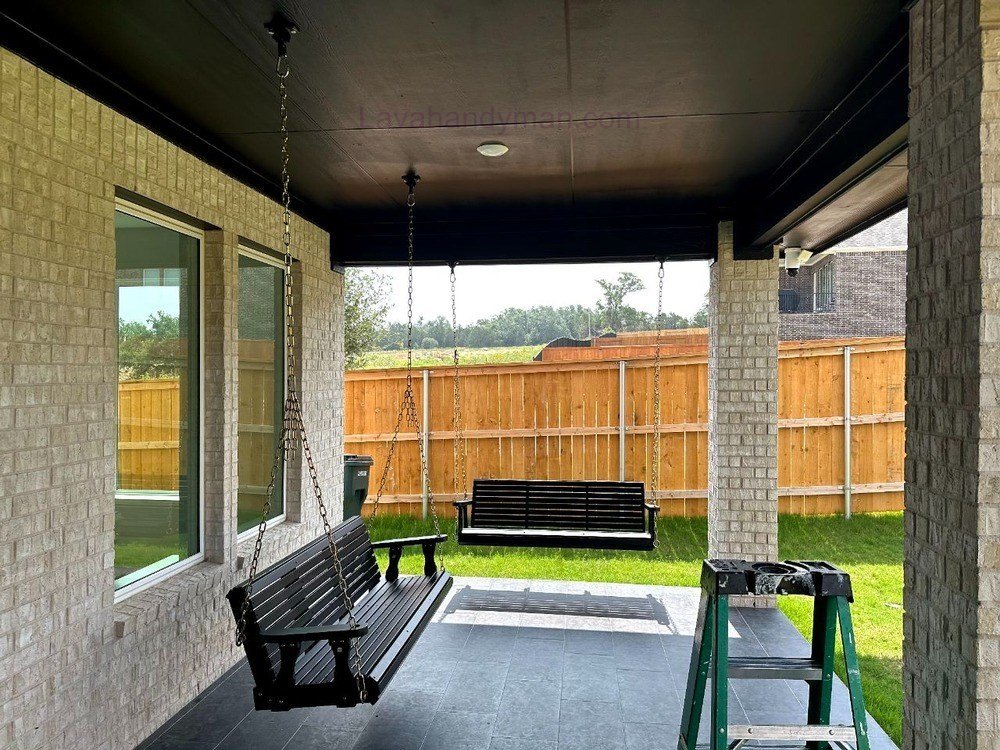
A bench swing is a type of swing that features an elongated seat, typically designed for two people, which is suspended from a metal frame using chains, cables, or specially designed suspension components.
Depending on its intended application, a bench swing may vary in terms of size, materials, weight capacity, seat design, suspension system, and installation method.
A typical metal bench swing consists of several main components, including:
Comprehensive Guide to Bench Swing Assembly
- Main metal frame and support legs
- Top horizontal beam
- Bench-style swing seat
- Chains or suspension system
- Hooks and connection brackets
- Bolts, nuts, and washers
- Ground anchoring or fixing components
- Protective parts and surface coatings
Understanding these components is the first step toward proper bench swing assembly.
Comprehensive Guide to Bench Swing Assembly
Why Is Proper Bench Swing Assembly Important?
Proper assembly is essential because the swing structure must withstand more than just the static weight of the users. The back-and-forth movement of the swing also creates dynamic forces that are transferred through the seat, suspension system, top beam, and support frame.
If one of the components is incorrectly installed or the frame is not properly aligned, problems such as loosened connections, uneven movement, structural instability, or premature wear may occur over time.
Comprehensive Guide to Bench Swing Assembly
Proper bench swing assembly can help:
- Improve structural stability
- Provide smoother swing movement
- Reduce uneven stress on connections
- Minimize looseness in the frame
- Extend the service life of the equipment
- Make maintenance and inspection easier
- Improve overall user safety
For this reason, the swing should always be assembled according to the manufacturer’s instructions, technical drawings, and product specifications.
Tools Required for Bench Swing Assembly
The tools required for bench swing installation and assembly depend on the design of the product. However, several common tools are frequently used.
These may include:
Comprehensive Guide to Bench Swing Assembly
- Combination or open-end wrenches
- Ring wrenches
- Allen keys
- Adjustable wrench
- Appropriate screwdrivers
- Measuring tape
- Spirit level
- Suitable tightening tools
- Protective equipment such as gloves and safety footwear
For larger swing structures, additional assistance may be required to move or hold heavy components during assembly.
Comprehensive Guide to Bench Swing Assembly
Using the correct tools is important because inappropriate tools may damage bolts, nuts, fasteners, or protective coatings.
Inspecting the Components Before Assembly
One of the most important stages of bench swing assembly is inspecting all components before starting the installation process.
Comprehensive Guide to Bench Swing Assembly
The following items should be checked carefully.
Inspecting the Metal Frame
Comprehensive Guide to Bench Swing Assembly
All support legs, beams, brackets, and other structural components should be checked for bending, cracks, corrosion, deformation, or visible damage.
Inspecting the Swing Seat
The bench seat should be in good condition and free from cracks, sharp edges, broken sections, or other visible defects.
Inspecting Chains and Suspension Components
Chains, hooks, brackets, and other suspension components should be inspected for damage and checked against the product specifications.
Comprehensive Guide to Bench Swing Assembly
Checking Bolts and Nuts
The quantity, size, and type of bolts, nuts, and washers should match the manufacturer’s assembly instructions.
Using replacement hardware without verifying its technical specifications is not recommended.
Comprehensive Guide to Bench Swing Assembly
Bench Swing Assembly Steps
The exact bench swing assembly process may vary depending on the design of the product. However, the general process usually includes preparing the installation area, assembling the main frame, installing the top beam, attaching the suspension system, installing the seat, and performing a final inspection.
Comprehensive Guide to Bench Swing Assembly
1. Preparing the Installation Area
Before assembling the swing, the installation area should be carefully inspected and prepared.
The surface should be as stable and level as possible, and sufficient space must be provided for the swing’s movement.
There should be no obstacles such as walls, trees, columns, other playground equipment, or hard objects within the swing’s required movement area.
Comprehensive Guide to Bench Swing Assembly
For public playgrounds, the surrounding space should also comply with the relevant safety requirements and applicable playground equipment standards.
2. Assembling the Bench Swing Frame
At this stage, the main support legs and structural components are positioned according to the assembly instructions.
It is generally better to initially tighten the connections only enough to hold the components in place. The frame should then be checked for alignment and level before the final tightening process.
This makes it easier to correct the position of any component if necessary.
3. Installing the Top Beam
The top beam is one of the most important components of a bench swing because the suspension system and seat are supported by this part of the structure.
The beam should be positioned correctly and aligned with the support legs. A significantly uneven or misaligned top beam may lead to uneven load distribution and irregular swing movement.
4. Installing the Suspension System
Once the main frame has been assembled, the chains or suspension components can be installed.
Comprehensive Guide to Bench Swing Assembly
At this stage, the length of the chains, attachment points, hooks, and symmetry of both sides should be carefully checked.
The chains should be installed without excessive twisting, abnormal tension, or improper contact with other components.
5. Installing the Bench Swing Seat
The bench seat should be positioned centrally within the frame, with the suspension connections on both sides properly aligned.
If the chains have different lengths, the seat may become tilted. Therefore, the seat should be checked from both the front and side after installation.
6. Final Tightening of the Connections
After all components have been correctly positioned and aligned, the bolts and nuts should be tightened according to the manufacturer’s specifications.
Over-tightening or under-tightening connections can negatively affect the performance of the assembly. For professional equipment, the recommended tightening specifications provided by the manufacturer should be followed.
Comprehensive Guide to Bench Swing Assembly
Bench Swing Installation and Ground Anchoring
One of the most important parts of bench swing installation is securely fixing the frame to the ground.
The appropriate anchoring method depends on the swing design, installation surface, environment, and type of support legs.
Bench swings installed in parks and public playgrounds generally require a suitable anchoring system to prevent unwanted movement of the structure during use.
The following factors should be checked during installation:
- Stability of the installation surface
- Proper alignment of the support legs
- Secure anchoring of the frame
- Absence of excessive movement or looseness
- Correct positioning of the support legs
- Sufficient clearance from surrounding obstacles
- Compliance with the manufacturer’s installation instructions
Comprehensive Guide to Bench Swing Assembly
If the swing is intended for public use or children’s playgrounds, professional installation is strongly recommended.
Important Technical Considerations for Bench Swing Assembly

A high-quality bench swing assembly requires attention to several technical details.
Keeping the Frame Level
The main structural components should be properly aligned and level. Using a spirit level can help identify uneven support legs or an incorrectly positioned top beam.
Maintaining Symmetry in the Suspension System
Comprehensive Guide to Bench Swing Assembly
The suspension chains and their attachment points should be properly aligned. Differences in chain length may cause the bench seat to tilt or move unevenly.
Using Appropriate Fasteners
Bolts, nuts, washers, hooks, and other connection components should comply with the specifications of the swing. Using unsuitable replacement components may compromise the connection.
Checking for Loose Connections
After completing the assembly, all connection points should be inspected. Any looseness in the support legs, top beam, seat, or suspension system should be corrected before the swing is used.
Inspecting the Metal Coating
For metal bench swings, the quality of the protective surface coating is also important. Damage to the coating may increase the risk of corrosion, especially when the equipment is installed outdoors or in humid environments.
Comprehensive Guide to Bench Swing Assembly
Appropriate Bench Swing Seat Height
The seat height is an important factor in swing design and installation. The appropriate height depends on the product design, intended age group, applicable safety requirements, and manufacturer specifications.
There is no single seat height that is suitable for every bench swing because products vary in design, dimensions, and intended use.
Therefore, when installing a bench swing, the manufacturer’s technical specifications should be used as the primary reference.
Required Space for Bench Swing Installation
One important consideration when installing a bench swing is the available movement area around the structure.
A swing occupies more space while moving than it does when stationary. Therefore, sufficient clearance should be provided in front of and behind the swing.
Comprehensive Guide to Bench Swing Assembly
The surrounding area should also be free of obstacles such as:
- Walls
- Trees
- Columns
- Other playground equipment
- Sharp objects
- Hard structures
The exact safety clearance should be determined according to the applicable standards and the manufacturer’s installation instructions.
Common Mistakes During Bench Swing Assembly
Several common mistakes can reduce the quality and safety of the installation.
Fully Tightening Bolts Before Aligning the Frame
If all bolts are completely tightened before the frame has been properly aligned, correcting the position of the components may become more difficult.
Comprehensive Guide to Bench Swing Assembly
Using Incorrect Hardware
Using bolts, nuts, hooks, or other fasteners that do not match the product specifications may negatively affect the performance of the connection.
Installing Unequal Suspension Chains
A difference in chain length can cause the bench seat to become tilted and may result in uneven movement.
Installing the Swing on an Unsuitable Surface
The installation surface must be suitable for the design of the swing and capable of maintaining the stability of the structure.
Using the Swing Without a Final Inspection
After completing the bench swing assembly, all structural components, suspension systems, and connections should be inspected before the equipment is used.
Comprehensive Guide to Bench Swing Assembly
Inspecting the Bench Swing After Assembly
A complete inspection should be performed after installation.
The following components should be checked:
- Bolts and nuts
- Frame connections
- Support legs
- Top beam
- Chains
- Hooks
- Swing seat
- Frame alignment
- Sharp edges
- Ground anchoring
- Clearance from surrounding obstacles
Comprehensive Guide to Bench Swing Assembly
Inspection should not be limited to the initial installation. Bench swings that are regularly used should also be inspected and maintained periodically.
Maintenance and Servicing of a Bench Swing
Proper maintenance can help extend the service life of a bench swing.
Metal components should be inspected regularly for corrosion, surface damage, or deterioration of protective coatings. Bolts and structural connections should also be checked periodically.
Chains and suspension components require particular attention because they are exposed to continuous movement during use. These components should be inspected for excessive wear, deformation, or damage.
Comprehensive Guide to Bench Swing Assembly
If serious damage, cracks, deformation, significant corrosion, or other structural problems are detected, the swing should not be used until the issue has been properly inspected and resolved.
Can a Bench Swing Be Assembled On-Site?
Some bench swing models are designed to be assembled directly at the installation site. However, the bench swing assembly process should always follow the specific instructions provided for that product.
For larger structures or bench swings intended for public use, professional assembly and installation are recommended.
Proper installation involves more than simply connecting the components. The structure must also be correctly aligned, securely anchored, and inspected before being put into service.
Comprehensive Guide to Bench Swing Assembly
Bench Swing Assembly vs. Single Swing Installation
A bench swing generally has a larger seat and is often designed to accommodate two users at the same time. As a result, the frame and suspension system must be designed according to the intended user capacity and maximum load.
When selecting a bench swing, the permitted load capacity should be verified through the manufacturer’s technical specifications rather than estimated based solely on the appearance or size of the swing.
Safety Tips After Bench Swing Installation
Once the bench swing assembly and installation have been completed, following the product’s usage instructions is equally important.
Comprehensive Guide to Bench Swing Assembly
Users should remain within the specified capacity of the swing and avoid using the equipment in ways that are outside its intended design.
For children’s playground equipment, appropriate supervision should also be provided based on the age and circumstances of the users.
If any damage is found in the frame, seat, chains, hooks, or other components, use of the swing should be stopped until the problem has been inspected and resolved.
Comprehensive Guide to Bench Swing Assembly
How to Choose a Standard Bench Swing
When purchasing a bench swing, appearance should not be the only consideration. The quality of construction and technical specifications are equally important.
Before purchasing a product, consider the following factors:
- Frame material
- Welding quality
- Metal surface coating
- Seat quality
- Suspension system
- Chain and hook quality
- Maximum load capacity
- Overall dimensions
- Installation method
- Assembly instructions
- Intended application
- Manufacturer support and after-sales service
Comprehensive Guide to Bench Swing Assembly
Choosing a suitable product together with proper bench swing assembly and installation can contribute to better performance, durability, and long-term usability.
The Impact of Material Quality on Bench Swing Assembly
One of the most important factors to consider during bench swing assembly is the quality of the materials and components used in its construction. A bench swing is typically installed outdoors, which means its components are exposed to moisture, sunlight, dust, and temperature changes.
Using suitable materials and high-quality protective coatings can help increase the durability of a metal bench swing. In addition to the type of metal, the quality of welds, profile thickness, connection points, and overall component quality can also affect the final performance of the swing.
Therefore, during bench swing installation and assembly, it is important not only to focus on connecting the components but also to inspect the condition and quality of each individual part.
Comprehensive Guide to Bench Swing Assembly
The Importance of Bolts and Nuts in Bench Swing Assembly
Bolts and nuts are among the most important fastening components used in the construction and installation of a bench swing. Each fastener should be installed in its designated position according to the manufacturer’s instructions.
Using unsuitable bolts or replacing the original fasteners with non-standard alternatives may negatively affect the stability of the structure. Since bench swings are often used repeatedly, their connections should also be inspected periodically.
If loose, damaged, or corroded fasteners are found during an inspection, the issue should be addressed before the equipment is used again.
Comprehensive Guide to Bench Swing Assembly
The Impact of Weather Conditions on Bench Swing Installation
The installation environment is an important factor in determining the service life of a bench swing. Outdoor playground equipment is exposed to different environmental conditions, including moisture, direct sunlight, rain, and temperature fluctuations.
For example, in humid environments, greater attention should be paid to the condition of metal coatings and the prevention of corrosion. In hot and sunny areas, inspecting the paint and protective coating can also be an important part of routine maintenance.
For this reason, environmental conditions should be considered when selecting a location for bench swing installation. Choosing a suitable location and maintaining an appropriate distance from water sources can help improve the durability of the equipment.
Comprehensive Guide to Bench Swing Assembly
The Role of Packaging and Transportation in Bench Swing Quality
The bench swing assembly process does not begin only when the equipment arrives at the installation site. Proper packaging and transportation can also affect the final quality of the product.
During transportation, metal components may develop scratches, deformation, or damage to their protective coating if they are handled improperly. Therefore, all components should be inspected before assembly begins.
If any component has been damaged during transportation, identifying the problem before installation can help prevent complications during later stages. This is particularly important in projects where multiple bench swings are being installed.
Comprehensive Guide to Bench Swing Assembly
Inspecting Moving Components During Bench Swing Assembly
One of the main characteristics of a bench swing is the presence of moving components. Therefore, during assembly, attention should be given not only to the structural stability of the swing but also to the proper operation of its moving parts.
Moving components should have sufficient clearance and should not make unnecessary contact with fixed parts of the structure during operation. Irregular movement, unusual friction, or unexpected noise may indicate that the connections or moving components need to be inspected.
As a result, checking the operation of moving parts should be considered an important stage of bench swing assembly and installation.
Comprehensive Guide to Bench Swing Assembly
The Importance of Proper Alignment During Installation
Proper alignment of the main structure and support posts is another important consideration during bench swing installation. Installing the structure on an unsuitable or uneven surface may result in uneven load distribution across different parts of the equipment.
For this reason, the installation area should be prepared before assembly begins. The surface should be prepared according to the type of equipment and the manufacturer’s installation instructions.
For professional playground projects, installation should preferably be carried out by individuals who are familiar with playground equipment and the technical instructions provided for the product. This can help reduce the possibility of installation errors.
Comprehensive Guide to Bench Swing Assembly
Bench Swing Maintenance and Servicing
Even a high-quality metal bench swing requires regular inspection and maintenance to maintain proper performance. Periodic inspections can help identify potential problems at an early stage and prevent them from becoming more serious.
Routine maintenance may include inspecting the frame, fasteners, support posts, metal coating, seating area, and moving components.
If a bench swing is installed in a public environment such as a park, school, kindergarten, or playground, regular inspections become even more important because the equipment may be used frequently.
Comprehensive Guide to Bench Swing Assembly
Why Professional Bench Swing Assembly Matters
Proper bench swing assembly is not only important for the appearance of the product. It is also directly related to the equipment’s performance, durability, and safe operation.
During a proper assembly process, each component is positioned correctly so that the structure can perform as intended by its original design.
For this reason, when purchasing a bench swing, buyers should consider more than just the price and appearance. Factors such as build quality, material type, installation requirements, after-sales service, and the availability of assembly instructions should also be evaluated.
A product with clear technical specifications and detailed installation instructions can make the bench swing assembly and installation process easier and more manageable.
Comprehensive Guide to Bench Swing Assembly
Important Factors When Choosing a Bench Swing
Before purchasing or ordering a bench swing, several factors should be considered to make a suitable choice. Build quality, user capacity, material type, paint and protective coating, structural design, and installation requirements are among the most important considerations.
It is also recommended to choose a product with clearly presented technical information. Specifications such as dimensions, weight, materials, and installation requirements can make the purchasing and installation process much easier.
For outdoor playground projects, the quality of a metal bench swing is particularly important because the equipment should be designed to withstand regular use and different environmental conditions.
Comprehensive Guide to Bench Swing Assembly
Conclusion: The Importance of Proper Bench Swing Assembly
Bench swing assembly is an important stage in preparing this type of playground and outdoor equipment for use. Proper installation of the support legs, top beam, suspension system, and bench seat helps maintain structural stability and reliable performance.
For a standard bench swing installation, the components should first be inspected, followed by assembly and alignment of the main frame. The suspension system and seat should then be installed correctly, and all connections, support legs, chains, and surrounding areas should be inspected before use.
Comprehensive Guide to Bench Swing Assembly
In addition to assembly quality, the quality of the materials, structural design, connection system, and installation environment also have a significant impact on the final performance of the swing.
For professional applications such as parks, schools, kindergartens, and recreational facilities, using high-quality equipment and having the swing installed by qualified professionals is particularly important.
Ultimately, proper design, high-quality construction, accurate assembly, and professional installation are four key factors in achieving reliable performance from a bench swing.
📞 Need Help?
Let us take care of the hard work while you sit back and relax.
📍 Serving: Austin, Round Rock, Cedar Park & more
📱 Call or Text: (737) 420-6992
🌐 Visit: https://lavahandyman.com