Is Acoustic Foam Suitable for Soundproofing Apartment Walls? Applications, Limitations, and Alternative Solutions
Introduction
Noise from neighboring apartments can make everyday life uncomfortable. Conversations through shared walls, loud televisions, music, footsteps, and other unwanted sounds can interfere with sleep, concentration, and relaxation. For people looking for an affordable solution, acoustic foam for soundproofing apartment walls may seem like an attractive option.
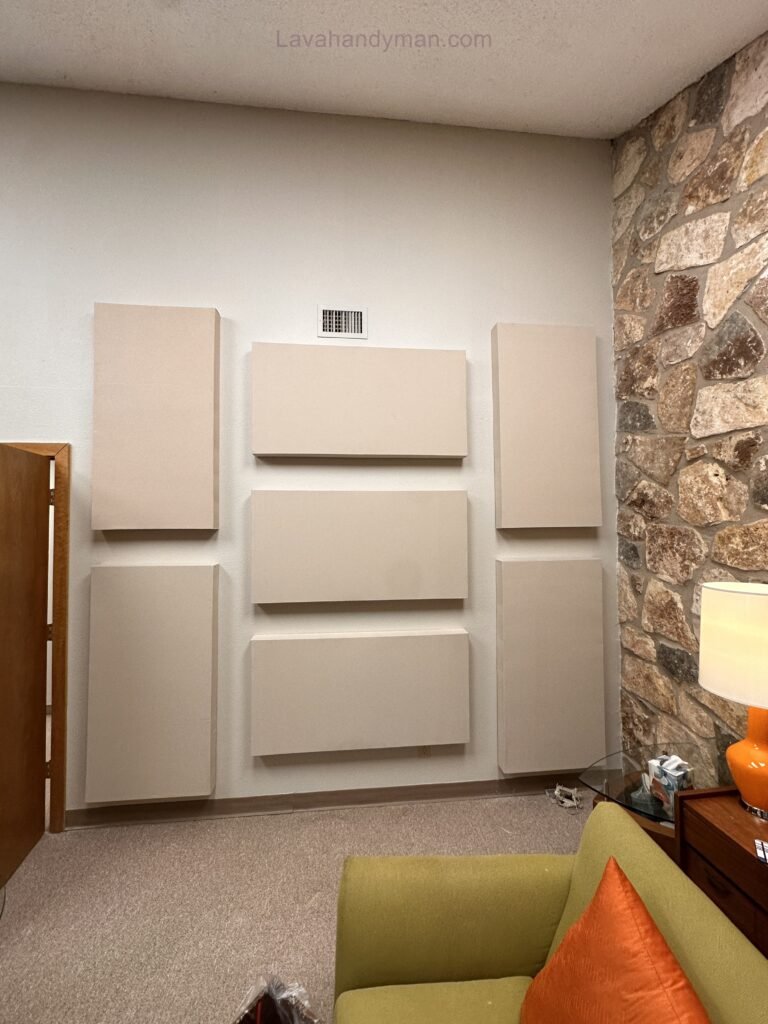
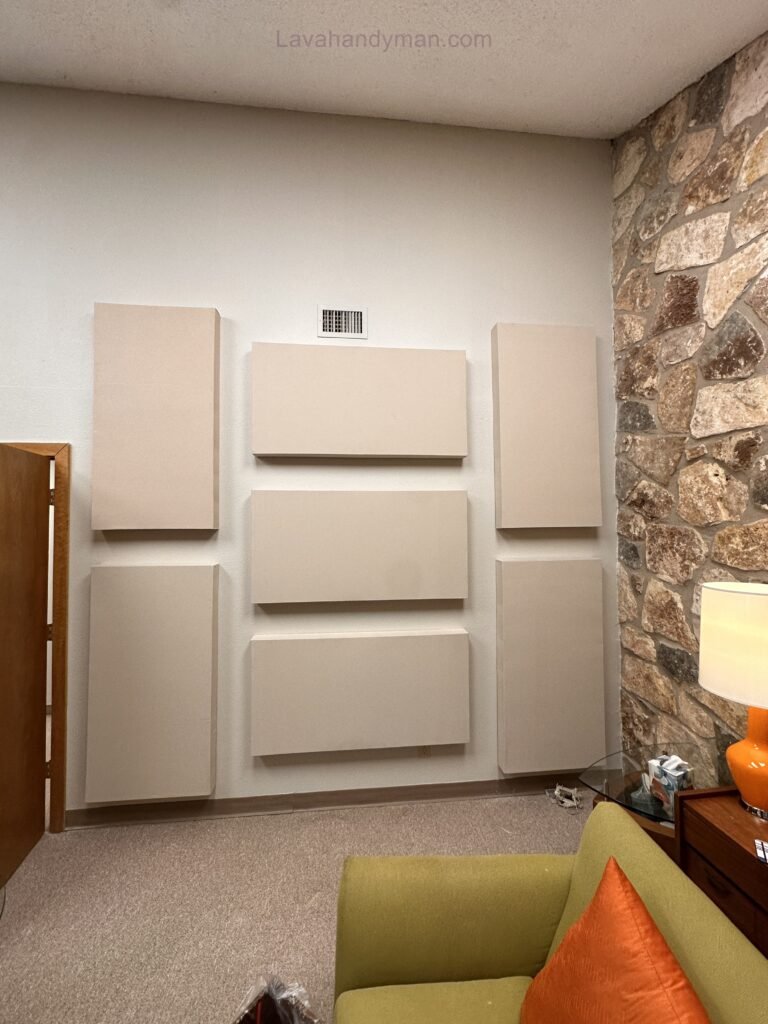
Acoustic foam is lightweight, easy to install, and widely used in recording studios, home theaters, offices, and music rooms. However, before purchasing acoustic panels, it is important to understand what they can and cannot do.
The main difference is that acoustic foam absorbs sound reflections inside a room, while soundproofing aims to reduce sound transmission between rooms. These are two different acoustic functions, and confusing them can lead to disappointing results.
Acoustic Foam Suitable for Soundproofing
So, is acoustic foam good for soundproofing apartment walls? In most cases, acoustic foam alone is not an effective solution for blocking noise from neighbors. It can improve room acoustics, but reducing sound transmission through a shared wall usually requires a properly designed sound insulation system.
In this guide, you will learn how acoustic foam works, its limitations, the best alternatives for apartment wall soundproofing, and how to choose the right solution for your noise problem.
What Is Acoustic Foam?
Acoustic foam is a porous sound-absorbing material commonly made from polyurethane foam, melamine foam, or other specialized materials. Its open-cell structure allows sound waves to enter the material, where some of their energy is dissipated through friction and other physical processes.
Acoustic Foam Suitable for Soundproofing
This helps reduce sound reflections, reverberation, and echo within an enclosed space.
Acoustic foam is available in several forms, including:
- Flat acoustic foam panels
- Wedge-shaped sound-absorbing panels
- Pyramid acoustic foam
- Egg-crate foam panels
- Specialized acoustic treatment panels
Different designs and thicknesses offer different acoustic properties. Performance depends on factors such as material composition, thickness, mounting method, frequency range, and the amount of wall coverage.
Acoustic foam is commonly used in recording studios, podcast rooms, home offices, gaming rooms, home theaters, and music practice spaces.
Acoustic Foam Suitable for Soundproofing
However, acoustic foam designed to improve sound quality inside a room should not automatically be considered suitable for soundproofing apartment walls.
How Does Acoustic Foam Work?
To understand whether acoustic foam can reduce noise from neighbors, it helps to understand how sound travels.
When a sound source produces noise, sound waves travel through the air and interact with surfaces such as walls, ceilings, floors, windows, and furniture. Hard surfaces tend to reflect sound, which can create echoes and increase reverberation.
Acoustic foam absorbs some of this reflected sound energy. By reducing repeated reflections, it can make a room sound less echoey and improve speech clarity.
Acoustic Foam Suitable for Soundproofing
For example, installing acoustic foam in a home office may improve the quality of video calls. In a recording studio, acoustic foam can help control reflections that affect voice recordings.
However, when sound travels through a shared apartment wall, the problem is different. The sound may pass through the wall structure or travel through gaps, electrical outlets, ceiling junctions, floors, and other connected building elements.
A thin layer of acoustic foam does not significantly increase the wall’s mass or create the structural separation needed for effective sound isolation.
This explains why acoustic foam may improve the sound inside your apartment without noticeably reducing the voices or music coming from your neighbor’s apartment.
Acoustic Foam vs. Soundproofing: What Is the Difference?
Acoustic Foam Suitable for Soundproofing
Understanding the difference between sound absorption and soundproofing is essential when choosing materials for apartment wall sound insulation.
Sound absorption
Sound absorption reduces sound reflections within a room. It is useful when an interior space has excessive echo or poor speech clarity.
Common sound-absorbing materials include acoustic foam, fabric-wrapped acoustic panels, mineral wool absorbers, and certain fiberglass panels.
These materials can improve the acoustic comfort of a room, but their ability to absorb sound does not automatically mean they can block noise from another apartment.
Soundproofing and sound insulation
Soundproofing generally refers to reducing the transmission of unwanted sound from one space to another. In buildings, this is achieved through a combination of construction methods and materials.
Acoustic Foam Suitable for Soundproofing
Effective apartment wall soundproofing may involve:
- Increasing the mass of the wall assembly
- Separating wall layers to reduce vibration transmission
- Using suitable cavity insulation
- Applying appropriate damping systems
- Sealing gaps and openings
- Addressing sound that travels through adjacent structures
The best results usually come from combining several techniques rather than relying on one material.
The key takeaway: Acoustic foam helps control sound inside a room, while a sound-isolating wall system is designed to reduce noise passing through a building partition.
Can Acoustic Foam Reduce Noise From Neighbors?
Acoustic Foam Suitable for Soundproofing
The effectiveness of acoustic foam depends on the type of noise you want to control.
1. Voices and conversations
If you can hear your neighbors talking through a shared wall, acoustic foam is unlikely to provide a significant reduction in transmitted speech.
It may reduce reflections inside your room, but it does not substantially improve the sound isolation of the existing wall.
A properly designed secondary wall, additional wall layers, suitable cavity insulation, or carefully sealed gaps may provide better results.
2. Television and music noise
Television sound and music contain a wide range of frequencies. Some higher-frequency reflections may be absorbed by acoustic foam, but noise transmitted through a wall generally requires a different solution.
Acoustic Foam Suitable for Soundproofing
If television noise remains clearly audible after acoustic panels are installed, the main issue is likely sound transmission rather than room echo.
3. Bass and low-frequency noise
Low-frequency sound from subwoofers and music systems is particularly difficult to control.
Thin acoustic foam generally has limited effectiveness at low frequencies. Specialized bass traps can help manage bass buildup inside a room, but they are not equivalent to soundproofing a shared wall.
Reducing bass transmission may require a properly designed wall assembly, structural isolation, or treatment of other transmission paths.
4. Traffic and outdoor noise
Acoustic Foam Suitable for Soundproofing
If traffic noise enters your apartment, the weakest point may be a window, an external wall, a ventilation opening, or a poorly sealed joint.
Installing acoustic foam on an interior wall is unlikely to solve the problem if sound is entering primarily through the windows.
The most effective solution is to identify the actual transmission path and improve the component responsible for the noise.
5. Footsteps and impact noise
Footsteps, dropped objects, and furniture movement can transmit vibrations through floors, ceilings, and connected structural elements.
Acoustic Foam Suitable for Soundproofing
Acoustic foam attached to a wall is not designed to isolate these structural vibrations.
Where impact noise is the main concern, treating the floor at the source or improving the relevant floor-ceiling assembly may be more effective.
Main Limitations of Acoustic Foam for Apartment Wall Soundproofing
Although acoustic foam has useful applications, it has several limitations when used to reduce noise transmission between apartments.
Limited sound-blocking performance
Acoustic Foam Suitable for Soundproofing
Acoustic foam is lightweight and porous. These properties help absorb sound reflections but do not provide the mass or structural separation usually required to block significant airborne noise.
Covering an entire wall with foam does not automatically create a soundproof barrier.
Poor performance against many low-frequency problems
Thin acoustic foam is generally more effective at absorbing certain mid- and high-frequency reflections than at controlling low-frequency sound.
Bass noise often requires specialized room treatment or improvements to the building’s sound-isolating construction, depending on whether the problem is internal resonance or sound transmission.
Acoustic Foam Suitable for Soundproofing
Inability to eliminate sound leaks
Sound can travel through gaps around outlets, pipes, doors, windows, and wall junctions.
Acoustic foam does not reliably address these weaknesses unless a separate, appropriate sealing method is used.
Limited protection against structural vibration
Noise can travel through connected floors, ceilings, columns, and other building elements. This is known as flanking sound transmission.
Treating only the visible wall surface may leave these alternative paths unchanged.
Acoustic Foam Suitable for Soundproofing
Product quality and fire safety
Not all acoustic foam products have the same acoustic performance or fire characteristics.
Before installation, check the manufacturer’s technical data, fire classification, intended use, and installation instructions. Also verify the applicable building and fire safety requirements.
A product’s sound absorption rating does not establish that it provides effective sound isolation or is suitable for every residential application.
Best Alternatives to Acoustic Foam for Soundproofing Apartment Walls
Acoustic Foam Suitable for Soundproofing
If your goal is to reduce noise coming through a shared wall, consider the following alternatives.
1. Adding an extra layer of drywall
Adding another layer of gypsum board, commonly known as drywall, can increase the mass of a wall assembly and potentially improve airborne sound insulation.
For better results, the system may incorporate multiple layers, staggered joints, and suitable acoustic sealant around the perimeter.
However, the improvement depends on the existing wall, the installation method, and whether sound travels through adjacent structures.
2. Installing mineral wool or rock wool insulation
Acoustic Foam Suitable for Soundproofing
Mineral wool and rock wool are porous insulation materials frequently used inside sound-insulating wall assemblies.
They help absorb sound energy within the wall cavity and reduce cavity resonance when combined with suitable wall layers.
Mineral wool alone is not usually a complete soundproofing solution. Its performance depends on the design of the entire assembly.
3. Building a secondary wall
A secondary wall installed in front of the existing wall can improve sound isolation when designed correctly.
This system may include a separate stud frame, cavity insulation, one or more layers of drywall, and appropriate perimeter sealing.
Acoustic Foam Suitable for Soundproofing
Some systems also use resilient mounting or structural separation to reduce vibration transfer.
A secondary wall takes up additional room space and requires careful detailing, but it can be more effective than attaching acoustic foam directly to the existing surface.
4. Using resilient channels or acoustic mounting systems
Resilient channels and specialized acoustic mounting components can reduce direct vibration transfer between the original structure and the new wall lining.
Their performance depends on the complete assembly and correct installation. Incorrect fasteners or rigid connections can undermine the intended acoustic separation.
Acoustic Foam Suitable for Soundproofing
5. Sealing gaps and openings
Before undertaking a major renovation, inspect the wall and surrounding areas for sound leaks.
Potential problem areas include gaps around pipes, electrical penetrations, skirting boards, wall junctions, and door frames.
Suitable acoustic sealants can help close certain gaps, but larger openings and fire-rated penetrations may require specialized systems.
Never block required ventilation openings or compromise fire safety measures.
6. Improving windows and doors
Acoustic Foam Suitable for Soundproofing
If noise comes from outside or a shared corridor, the windows or doors may be the weakest part of the building envelope.
Depending on the situation, improvements may include replacing worn seals, adjusting door closures, upgrading glazing, or installing an appropriate secondary glazing system.
The correct solution depends on where the noise enters the room.
Acoustic Foam vs. Other Soundproofing Materials
| Material or system | Main function | Best application |
|---|---|---|
| Acoustic foam | Absorbs sound reflections | Studios, offices, and echo control |
| Fabric-wrapped acoustic panels | Controls room reflections | Offices, home theaters, and meeting rooms |
| Mineral wool | Absorbs sound within a wall cavity | Properly designed wall assemblies |
| Additional drywall | Adds mass to a wall assembly | Selected apartment wall upgrades |
| Resilient mounting systems | Reduces vibration transfer | Compatible sound-isolating constructions |
| Secondary wall | Improves sound isolation | Persistent airborne noise through shared walls |
| Acoustic sealant | Seals suitable gaps | Air leaks and weak wall junctions |
| Acoustic glazing | Improves window sound insulation | Traffic and outdoor noise entering through windows |
Acoustic Foam Suitable for Soundproofing
These comparisons are general guidelines, not guaranteed performance ratings. Actual results depend on construction details, workmanship, frequency range, and sound transmission paths.
How to Choose the Best Soundproofing Solution for Your Apartment
Choosing the right solution begins with identifying the source and type of noise.
Step 1: Identify where the noise originates. Determine whether it comes through a shared wall, floor, ceiling, door, or window.
Step 2: Determine the type of noise. Conversations and television sound are generally airborne noise, while footsteps and dropped objects often involve impact noise. Low-frequency bass may involve both airborne transmission and structural vibration.
Step 3: Assess the existing wall. Brick, concrete, timber framing, and lightweight plasterboard partitions have different acoustic characteristics.
Acoustic Foam Suitable for Soundproofing
Step 4: Consider your renovation restrictions. Tenants may need permission before changing wall construction, electrical fittings, or building services.
Step 5: Compare complete wall systems. Ask contractors how their proposed solution addresses the noise source, wall structure, sound leaks, and flanking transmission.
Step 6: Seek professional advice when necessary. If the noise is severe or the transmission path is unclear, a qualified acoustic consultant can help identify the most appropriate intervention.
Frequently Asked Questions About Acoustic Foam and Apartment Soundproofing
Is acoustic foam good for soundproofing apartment walls?
Acoustic foam is generally not effective as a standalone solution for soundproofing apartment walls. It absorbs sound reflections inside a room but usually does not provide enough sound isolation to block noise from neighbors.
Can acoustic foam stop neighbors’ voices?
Acoustic foam usually cannot significantly block voices transmitted through a shared wall. Improving the wall assembly, sealing relevant gaps, or addressing flanking transmission may provide better results.
Does thicker acoustic foam block more noise?
Thicker foam can improve sound absorption at certain frequencies, but thickness alone does not determine sound isolation. A porous absorber is not automatically an effective barrier against sound transmission.
Is rock wool better than acoustic foam for wall soundproofing?
Rock wool is often more suitable for use inside a sound-insulating wall cavity, while acoustic foam is commonly used to control reflections inside a room. Neither material guarantees effective soundproofing when used alone.
What is the best way to soundproof an apartment wall?
The best approach depends on the existing construction and the type of noise. Potential solutions include additional drywall layers, mineral wool within a suitable cavity, resilient mounting systems, secondary walls, and appropriate gap sealing.
Can I soundproof an apartment wall without removing it?
In some cases, a new wall lining or secondary wall can be installed in front of the existing wall. The design must account for available space, structural connections, electrical services, fire safety, and the actual noise transmission path.
Does acoustic foam reduce bass noise?
Thin acoustic foam generally has limited effectiveness at low frequencies. Bass traps may help manage bass inside a room, but reducing bass transmitted from a neighboring apartment usually requires a more comprehensive sound-isolation strategy.
Is acoustic foam safe for apartment use?
Safety depends on the product, its fire classification, the installation method, and local building regulations. Always check the manufacturer’s documentation before installation.
Conclusion: Is Acoustic Foam Worth It for Apartment Wall Soundproofing?
Acoustic foam can be a useful choice for reducing echo and improving sound quality inside a room. It is especially suitable for home offices, recording studios, entertainment rooms, and other spaces where controlling sound reflections is important.
However, acoustic foam for soundproofing apartment walls is usually not the right standalone solution for reducing noise from neighbors. Its main purpose is sound absorption rather than sound isolation.
For better results, consider additional drywall layers, mineral wool within a suitable wall assembly, resilient mounting systems, secondary walls, and appropriate sealing of sound leaks. If noise enters through windows, ceilings, floors, or structural connections, those paths may also require attention.
The most effective strategy is to identify the source of the noise, evaluate the existing construction, and choose a solution designed for the specific sound transmission problem.
If you are planning an apartment soundproofing project, consult a qualified professional when necessary to determine which wall system can provide the most appropriate balance of acoustic performance, cost, and available space.
📞 Need Help?
Let us take care of the hard work while you sit back and relax.
📍 Serving: Austin, Round Rock, Cedar Park & more
📱 Call or Text: (737) 420-6992
🌐 Visit: https://lavahandyman.com