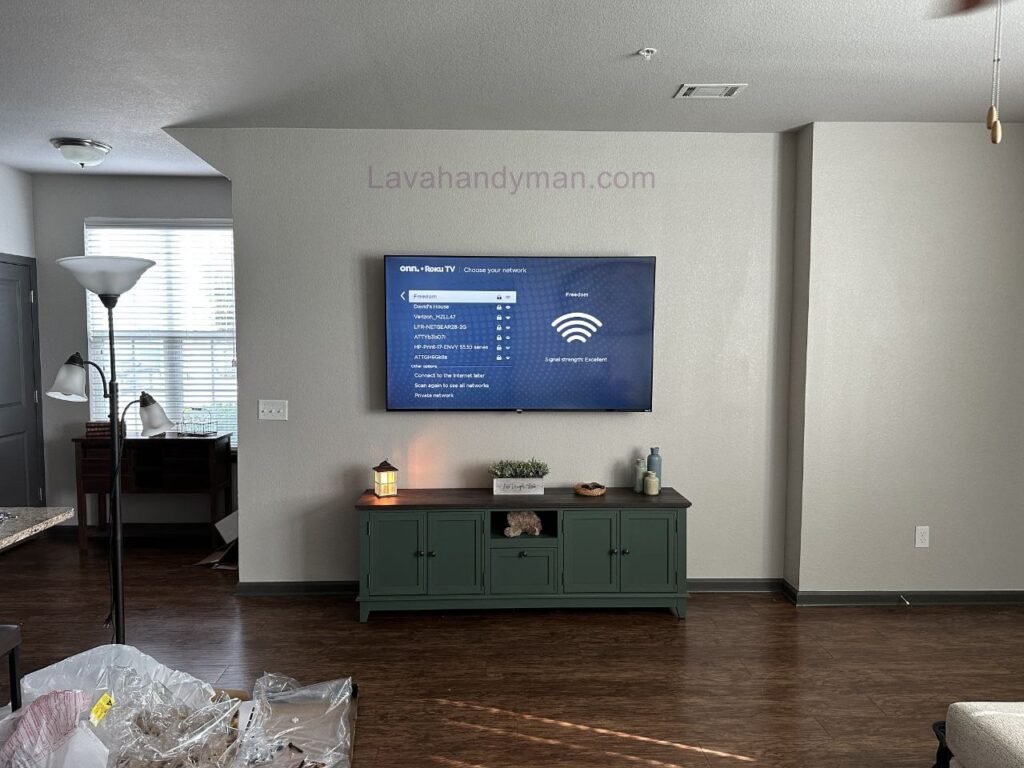
Wall-Mounted vs. Stand-Mounted TV: Which Is Better?
After purchasing a television, one of the most common questions is:
Is tabletop TV installation better, or should you mount your TV on the wall?
The installation method you choose directly impacts safety, interior design, space management, viewing comfort, and even the lifespan of your TV. In this comprehensive guide, we compare tabletop vs. wall-mounted TV installation to help you make the best decision for your home.
Wall-Mounted vs. Stand-Mounted TV
What Is Tabletop TV Installation?
In tabletop TV installation, the television is placed on its original factory stand and positioned on a TV cabinet or console. This is the most traditional way to set up a television and remains popular in many homes.
Advantages of Tabletop TV Installation
✔ Quick and easy setup without drilling
✔ Lower cost compared to wall mounting
✔ Ideal for rental homes
✔ Easy to move when rearranging furniture
✔ Suitable for weak walls (drywall or plasterboard)
Disadvantages of Tabletop TV Installation
✖ Takes up more floor space
✖ Cable management is more visible
✖ Less modern appearance
✖ Higher risk of tipping if bumped or pulled
In small living spaces, a TV stand can occupy valuable room area.
Wall-Mounted vs. Stand-Mounted TV
What Is Wall-Mounted TV Installation?
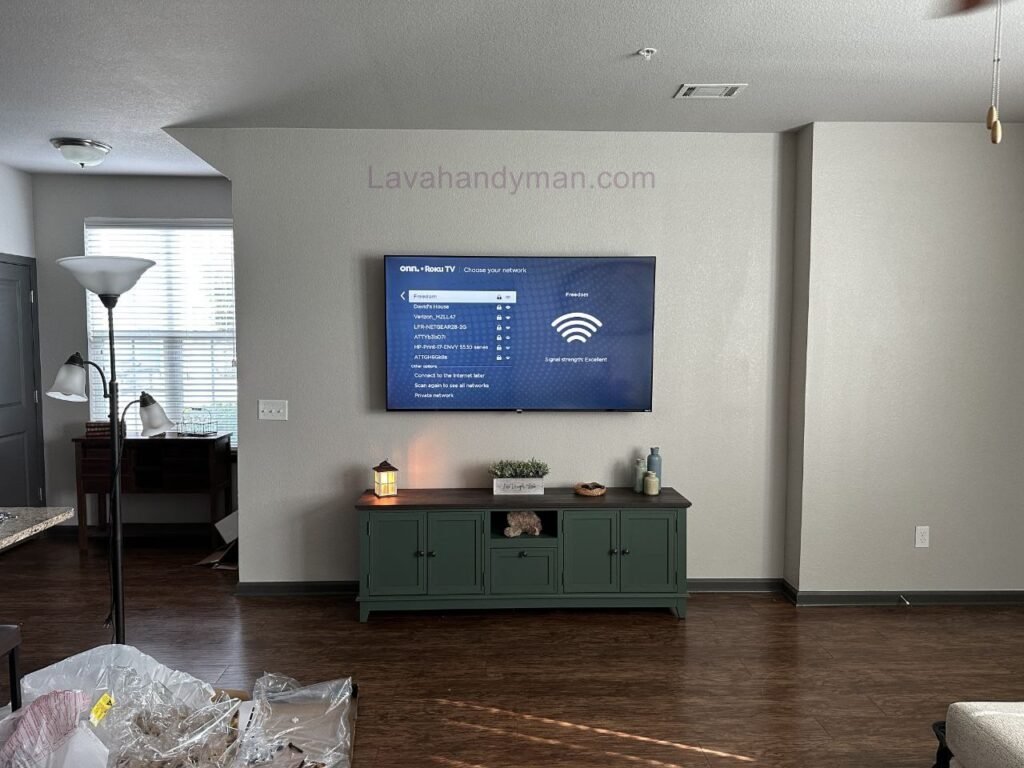
In wall-mounted TV installation, the television is secured to the wall using a standard mounting bracket. This method has become increasingly popular due to its modern look and space-saving benefits.
Advantages of Wall-Mounted TV Installation
1. Saves Space
Mounting the TV on the wall eliminates the need for a large TV stand, freeing up floor space.
2. Modern and Minimalist Appearance
A wall-mounted TV provides a sleek and professional interior design style.
3. Improved Safety (When Installed Properly)
When installed using a high-quality bracket, wall mounting can significantly improve TV safety.
4. Proper Viewing Height Adjustment
Wall mounting allows you to position the TV at the ideal eye-level height.
Wall-Mounted vs. Stand-Mounted TV
5. Better Cable Management
Cables can be hidden inside wall conduits for a cleaner appearance.
Disadvantages of Wall-Mounted TV Installation
✖ Requires drilling into the wall
✖ More difficult to relocate later
✖ Additional cost for bracket and installation
✖ Requires tools or professional expertise
Improper installation can increase the risk of the TV falling.
Comparing Tabletop vs. Wall-Mounted TV Installation
1. Cost Comparison
- Tabletop installation: More budget-friendly
- Wall-mounted installation: Includes bracket cost and possible professional fees
If you have a limited budget, tabletop installation is generally more economical.
Wall-Mounted vs. Stand-Mounted TV
2. Safety Comparison
For large TVs (55 inches and above), properly executed wall mounting is typically safer.
In homes with small children, a professionally installed wall-mounted TV reduces tipping hazards.
3. Interior Design Comparison
- Modern interiors → Wall-mounted TV
- Traditional interiors → Tabletop TV
Wall mounting creates a cleaner, more contemporary look.
4. Viewing Comfort Comparison
With wall mounting, you can maintain the standard TV mounting height and adjust the viewing angle properly.
With tabletop installation, the viewing height depends on the height of the furniture, which may not always be ideal.
Wall-Mounted vs. Stand-Mounted TV
5. Space Management Comparison
In small apartments or compact living rooms, wall-mounted TVs help maximize usable space.
Which Installation Method Is Better for Large TVs?
If your TV is 55 inches or larger, choosing the right installation method becomes even more important.
Wall mounting is better if:
- Your space is limited
- You prefer a modern design
- Child safety is a priority
- You have a strong concrete or brick wall
Tabletop installation is better if:
- You live in a rental property
- Drilling is not allowed
- You move frequently
- Your wall cannot support heavy weight
Wall-Mounted vs. Stand-Mounted TV
Pros and Cons of Wall-Mounted TV Installation | Complete Guide to Mounting a TV on the Wall
Wall-mounted TV installation has become one of the most popular methods for setting up televisions in modern homes. After purchasing a TV—especially models 55 inches and larger—many homeowners ask whether wall mounting is the right choice.
In this guide, we’ll take a detailed look at the advantages and disadvantages of wall-mounted TV installation so you can make an informed decision.
Advantages of Wall-Mounted TV Installation
1. Space Saving and Improved Room Layout
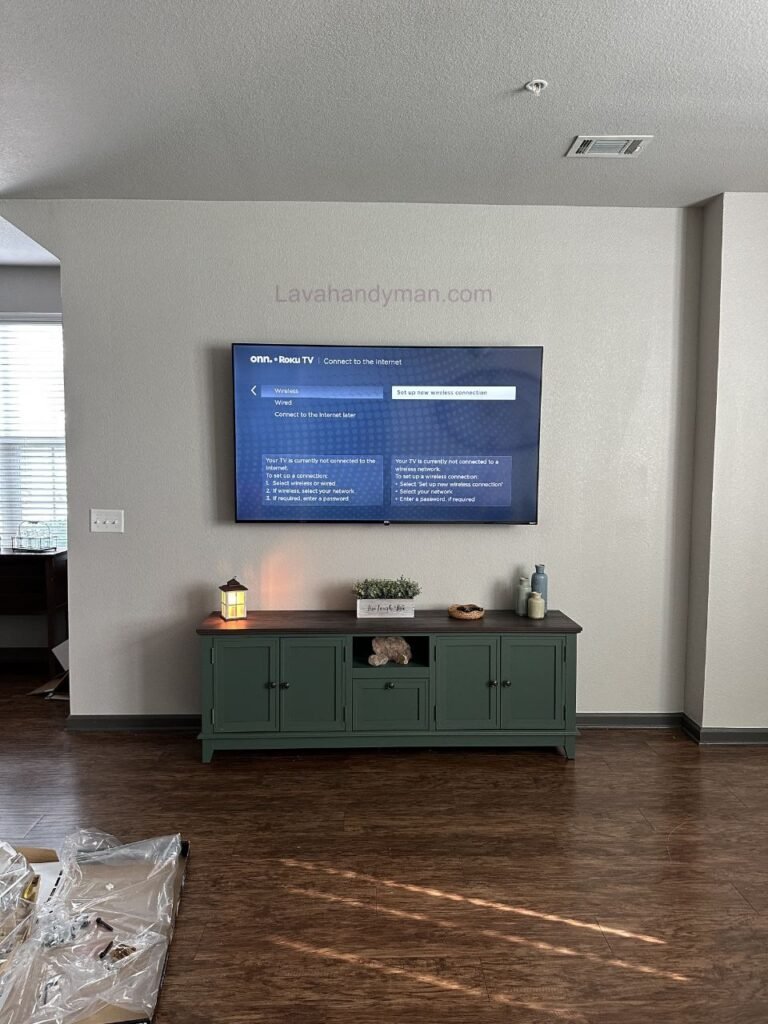
One of the biggest benefits of mounting a TV on the wall is eliminating the need for a TV stand. This frees up valuable floor space, which is especially important in small apartments or compact living rooms. A wall-mounted TV creates a more open and organized environment.
Wall-Mounted vs. Stand-Mounted TV
2. Modern and Professional Appearance
Wall mounting provides a sleek, minimalist look that enhances interior design. In modern home décor, a wall-mounted television is often considered a central design feature.
3. Improved TV Safety
When a high-quality TV mounting bracket is used and installation is done professionally, wall mounting offers excellent safety.
In homes with small children, mounting a TV on the wall significantly reduces the risk of tipping or accidental falls.
4. Proper Viewing Height Adjustment
With wall mounting, you can position the television at the standard TV mounting height, aligned with eye level. This reduces neck strain and improves overall viewing comfort.
5. Better Cable Management and Cleaner Appearance
Using wall cable conduits or in-wall routing allows you to hide wires completely. This improves both safety and aesthetics by keeping the space neat and clutter-free.
Wall-Mounted vs. Stand-Mounted TV
6. Option to Use Adjustable Mounts
Adjustable or full-motion wall mounts allow you to change the viewing angle. This is especially useful in larger rooms or spaces with multiple seating areas.
Disadvantages of Wall-Mounted TV Installation
1. Requires Drilling Into the Wall
Installing a wall mount requires drilling holes. This can be problematic in rental properties or in homes with drywall or weaker wall structures.
2. Higher Cost Compared to Tabletop Installation
Purchasing a quality mounting bracket and paying for professional installation increases the overall cost compared to placing the TV on a stand.
Wall-Mounted vs. Stand-Mounted TV
3. More Difficult to Relocate
Once installed, moving the TV to another position is more complicated. Additionally, drill holes may remain visible on the wall.
4. Risk If Installed Improperly
If the wall cannot support the TV’s weight or if the mount is not secured properly, there is a risk of the TV falling. For this reason, professional installation is strongly recommended.
5. Limited Access to Ports
After installation, accessing HDMI or USB ports can be more difficult—especially when using a fixed (non-adjustable) wall mount.
Wall-Mounted vs. Stand-Mounted TV
When Is Wall-Mounted TV Installation the Best Choice?
Wall mounting is ideal if:
Your TV is 55 inches or larger
Your living space is limited
You prefer a modern interior design
Child safety is a priority
You have a strong concrete or brick wall
Wall-Mounted vs. Stand-Mounted TV
Pros and Cons of Tabletop TV Installation | Is Placing Your TV on a Stand the Right Choice?
Tabletop TV installation is one of the most common and straightforward ways to set up a television at home. In this method, the TV is placed on its original factory stand and positioned on a TV table or media console.
Despite the growing popularity of wall-mounted TVs, many people still prefer tabletop installation due to its lower cost and greater flexibility.
In this article, we will thoroughly examine the advantages and disadvantages of tabletop TV installation to help you make the right decision.
What Is Tabletop TV Installation?
In tabletop installation, the television is placed on a TV stand or cabinet without the need for a wall mount or drilling. This method is especially suitable for renters or homeowners who prefer not to damage their walls.
Wall-Mounted vs. Stand-Mounted TV
Advantages of Tabletop TV Installation
1. Easy Installation Without Drilling
One of the biggest advantages of tabletop TV installation is that it does not require specialized tools or technical expertise. You simply attach the TV’s base and place it on the stand.
2. Lower Cost Compared to Wall Mounting
There is no need to purchase a wall bracket or hire a professional installer. As a result, tabletop installation is generally more budget-friendly.
3. Ideal for Rental Homes
If you live in a rental property where drilling is not allowed, tabletop installation is the best option.
Wall-Mounted vs. Stand-Mounted TV
4. Easy Relocation and Flexibility
If you rearrange your furniture or move frequently, tabletop installation provides greater flexibility. You can easily reposition the TV whenever needed.
5. Easy Access to Ports and Cables
With tabletop installation, accessing HDMI, USB, and other ports is much easier. This is especially important for users who connect gaming consoles, streaming devices, or external receivers.
6. No Wall Damage
Since no drilling is required, there are no holes or visible marks left on the wall.
Wall-Mounted vs. Stand-Mounted TV
Disadvantages of Tabletop TV Installation
1. Takes Up More Floor Space
Using a TV stand occupies additional floor space. In small apartments, this may limit available room.
2. Less Modern Appearance Compared to Wall Mounting
Compared to wall-mounted TVs, tabletop setups may look more traditional and less minimalist.
3. Reduced Safety in Certain Situations
One of the main disadvantages of tabletop TV installation is the risk of tipping if the TV is bumped or cables are pulled. This concern is especially important in homes with small children.
4. Limited Height Adjustment
In this method, the TV’s height depends entirely on the height of the stand. It may not always align with the ideal eye-level viewing height, which can cause neck strain during long viewing sessions.
Wall-Mounted vs. Stand-Mounted TV
5. More Visible Cable Management
Cables are often more exposed in tabletop setups, which may create visual clutter in your living space.
When Is Tabletop TV Installation the Best Choice?
Tabletop installation is a good option if:
You need quick and easy access to ports
You have a limited budget
You live in a rental property
You move frequently
Your wall cannot support the TV’s weight
Wall-Mounted vs. Stand-Mounted TV
Final Verdict: Tabletop or Wall-Mounted TV?
There is no one-size-fits-all answer. The best option depends on your home layout, wall type, budget, and lifestyle.
If you want a modern appearance, better space efficiency, and improved safety, wall-mounted TV installation is the better choice.
If you prioritize lower cost, easy relocation, and no wall damage, tabletop TV installation may be more suitable.
No matter which option you choose, always follow proper safety guidelines and ensure the correct TV mounting height for the best viewing experience.
Wall-Mounted vs. Stand-Mounted TV
- 📞 Need Help?Let us take care of the hard work while you sit back and relax.
- 📍 Serving: Austin, Round Rock, Cedar Park & more
- 📱 Call or Text: (737) 420-6992
- 🌐 Visit: https://lavahandyman.com