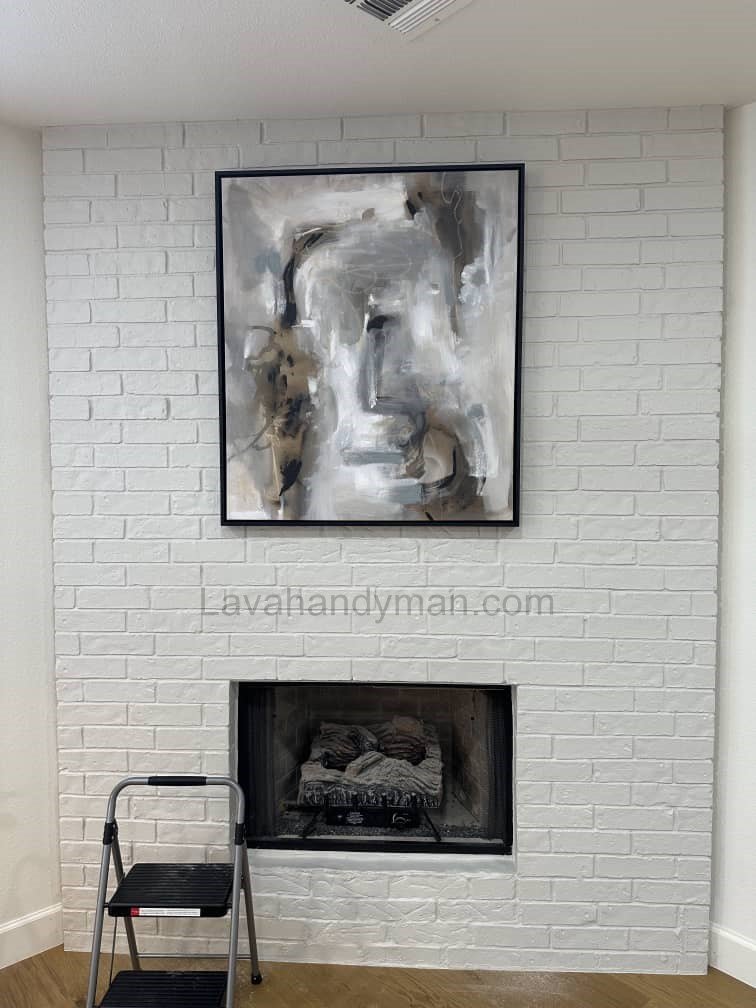
Best Methods to Hang Paintings on Plaster, Brick, or Concrete Walls Without Nails
Introduction
If you’re looking for a way to hang your artwork without drilling holes or using nails, this guide is for you. In modern interior design, wall aesthetics are essential, and traditional nail-and-hammer methods are becoming outdated. In this article, you’ll learn how to use adhesive strips, sticky hooks, and hanging rails to install paintings cleanly, safely, and professionally—without damaging your walls.
Why Hang Paintings Without Nails?
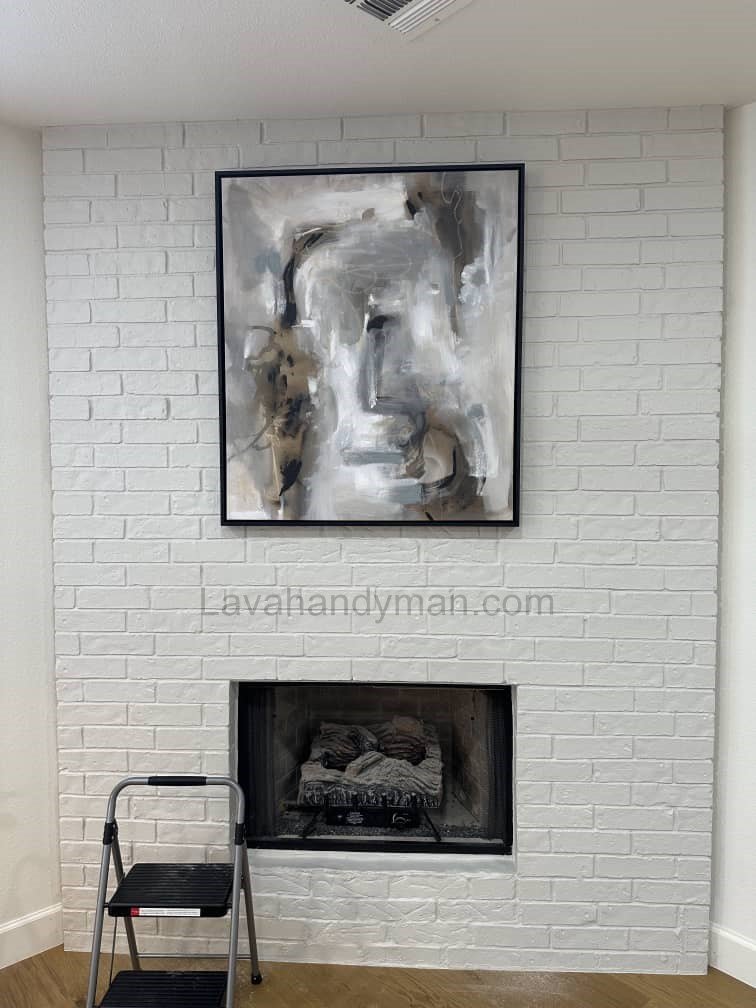
1. Preserve the Wall’s Appearance
No more cracks, holes, or chipped paint. Using a nail-free hanging method keeps your wall perfectly smooth, and you can easily move the painting later without leaving marks.
Best Methods to Hang Paintings
2. Perfect for Rental Homes
For renters, adhesive mounting is a smart choice. When it’s time to move out, simply remove the adhesive—your walls stay as good as new.
3. Quick and Hassle-Free Installation
Modern wall-mounting systems are faster, safer, and cleaner. No need for drills, hammers, or wall plugs—just a few minutes and your art is up.
4. Clean and Modern Look
Adhesive hooks and strips are invisible behind the frame, leaving your walls looking tidy and gallery-like.
Best Methods to Hang Paintings
Popular Methods for Hanging Paintings Without Nails
1. Strong Double-Sided Mounting Tape
The most common solution for lightweight and medium-weight artwork is heavy-duty double-sided tape, such as Command or Tesa. These tapes can hold frames securely yet remove easily without residue.
Advantages:
- No tools or drilling needed
- Clean, quick installation
- Safe removal without damage
Pro Tip: When shopping online, search for no-nail picture hanging tape to find reliable brands.
Best Methods to Hang Paintings
2. Adhesive Hooks
Sticky hooks are perfect for medium-weight frames. They stick directly onto the wall and can handle more weight than tape alone.
How to Use:
- Clean and dry the wall thoroughly.
- Peel off the protective layer.
- Press the hook firmly onto the wall.
- Wait a few minutes before hanging your picture.
3. Picture Hanging Strips
These interlocking adhesive strips hold both the frame and wall side together. They’re ideal for small photo frames and art prints.
Features:
- Perfectly level and stable placement
- No drilling required
- Easy to remove or reposition
Best Methods to Hang Paintings
4. Gallery Hanging Rails
For a professional, gallery-style setup, picture rails are the best option. A slim metal rail is fixed to the top of the wall, and paintings hang from adjustable cords or hooks.
Benefits:
- Easily move or rearrange frames
- Ideal for multiple artworks
- Sleek, modern appearance
Choosing the Right Method for Your Wall Type
| Wall Type | Recommended Method | Notes |
|---|---|---|
| Painted or plaster wall | Double-sided tape / Hanging strips | Ensure the surface is clean and dry |
| Brick or concrete wall | Picture rails or heavy adhesive hooks | Adhesive may not grip rough surfaces |
| Glass or tile wall | Transparent adhesive tape | Great for modern interiors or kitchens |
Best Methods to Hang Paintings
Step-by-Step: How to Hang a Painting Without Nails
Step 1: Choose the Right Spot
Pick a visible, well-lit location. Ideally, the center of the painting should be about 150 cm (59 in) above the floor—eye level.
Step 2: Clean the Surface
Use a dry cloth or rubbing alcohol to remove dust and grease. Adhesive won’t stick to dirty walls.
Step 3: Apply the Adhesive or Hook
Press the tape or hook firmly for at least 30 seconds to ensure strong bonding.
Step 4: Mount the Painting
Align the frame and press gently against the adhesive. Use a level tool or mobile app to ensure it’s perfectly straight.
Best Methods to Hang Paintings
Maintenance and Safety Tips
- Use two or more hooks for frames heavier than 3 kg (6 lb).
- Choose water-resistant adhesives for humid areas like kitchens or bathrooms.
- Inspect and replace adhesive strips every few months.
- For valuable or heavy artwork, hire a professional installer.
Common Mistakes to Avoid
❌ Attaching to damp or newly painted walls
❌ Using cheap, low-quality adhesives
❌ Hanging heavy frames with weak tape
❌ Forgetting to check alignment and level
Best Methods to Hang Paintings
How Much Does Nail-Free Picture Hanging Cost?
The cost of nail-free painting installation varies depending on the wall type, frame weight, and tools used—typically $5 – $15 USD per frame (or about 100,000 – 400,000 IRR in Iran).
Hiring a professional picture hanger ensures your artwork is installed safely, straight, and securely.
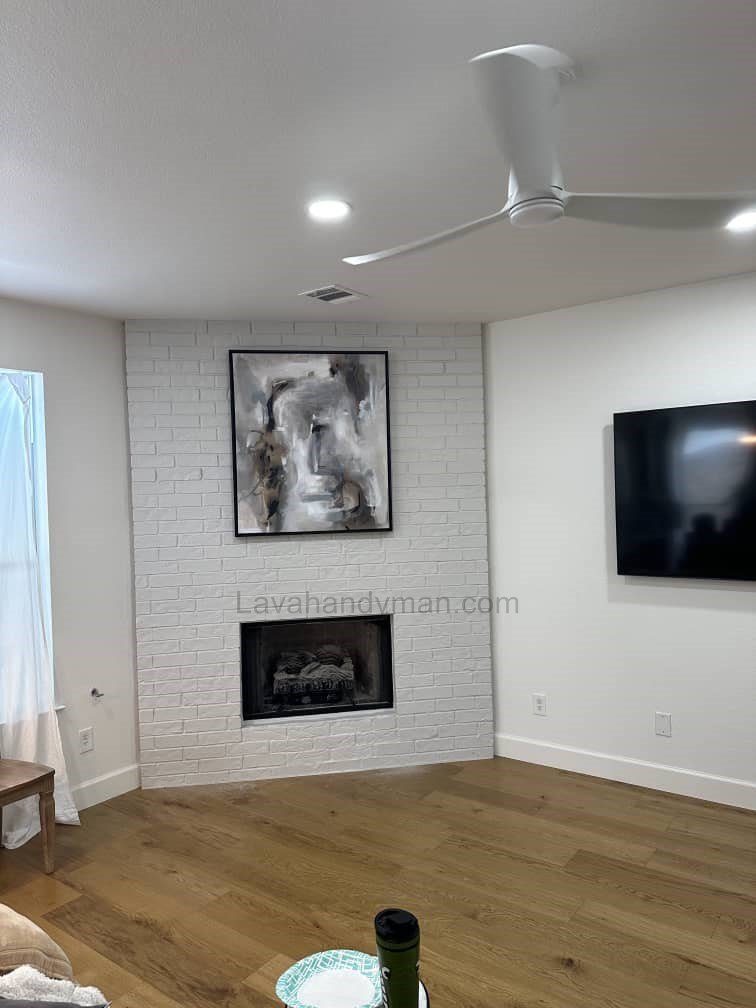
Why Hire a Professional Picture Hanging Service?
Although hanging a small painting yourself is easy, for large or valuable artwork it’s best to call a pro. A professional:
- Chooses the right adhesive and mounting system
- Ensures perfect alignment and spacing
- Uses high-quality materials for lasting results
Best Methods to Hang Paintings
Step-by-Step Guide to Hanging a Painting Without Nails
Hanging a painting can completely transform the look of your home or office. With modern no-nail hanging methods, you can display your artwork safely, professionally, and without damaging your walls. Here’s a complete step-by-step guide for hanging paintings without nails.
Step 1: Choose the Right Location
- Pick a visible spot with good lighting.
- Standard height: place the center of the painting approximately 150 cm (59 in) from the floor (eye-level for an average adult).
- If hanging multiple paintings together, maintain a distance of 5–10 cm (2–4 in) between frames for a neat and professional layout.
Best Methods to Hang Paintings
Step 2: Prepare the Wall Surface
- Clean the wall with a dry cloth or rubbing alcohol to remove dust, grease, or moisture.
- Make sure the wall is flat and dry so that adhesive strips or sticky hooks adhere properly.
Step 3: Choose the Right Hanging Method
- Lightweight paintings: use double-sided tape or sticky hooks.
- Medium-weight paintings: strong adhesive hooks or specialized mounting strips are recommended.
- Heavy or large paintings: consider using gallery rails or hiring a professional picture hanging service to ensure safety and level alignment.
Best Methods to Hang Paintings
Step 4: Install Adhesive or Hooks
- Place the adhesive or hook on the wall and remove the protective backing.
- Apply firm pressure for at least 30 seconds to ensure a strong bond.
- If using mounting strips, attach both sides—one to the frame and one to the wall—according to the instructions.
Step 5: Hang the Painting
- Carefully place the painting on the adhesive or hooks.
- Use a level to make sure the painting is perfectly straight.
- For heavy paintings, ensure the weight is evenly distributed across two or more hooks.
Best Methods to Hang Paintings
Step 6: Check and Secure
- Press the painting lightly to ensure the adhesive fully bonds.
- Make sure the painting does not move and is securely attached to the wall.
- If using removable adhesive, the frame should be easy to reposition without damaging the wall.
Step 7: Maintenance and Care
- Check the strength of the adhesive or hooks every few months.
- In humid environments, use water-resistant picture hanging adhesive.
- When relocating the painting, remove the adhesive according to instructions and clean the wall surface again.
Best Methods to Hang Paintings
Benefits of Hanging Paintings Without Nails
Allows easy rearrangement without wall damage
Preserves wall appearance and paint
Ideal for rental homes
Quick and easy installation
Types of Brackets for Hanging Paintings on the Wall
1. Standard Wall Mount Brackets
- Made of durable metal or plastic.
- Suitable for light to medium-weight paintings.
- Can be installed using screws, wall plugs, or strong adhesives.
- Common shapes: L-shaped, U-shaped, or flat.
Best Methods to Hang Paintings
2. Hook Brackets
- Ideal for no-nail installations or modern décor.
- Usually attached to the wall using double-sided tape or specialized picture hanging strips.
- Weight capacity: light to medium paintings (typically 5–7 kg / 11–15 lbs).
- Available in simple hooks, adhesive hooks, and removable versions.
3. Picture Rail Brackets
- Designed for heavy paintings or hanging multiple artworks on one wall.
- A thin rail is mounted at the top of the wall, and paintings are hung with adjustable cords or hooks.
- Allows repositioning without damaging the wall.
- Commonly used in galleries, offices, and modern interiors.
Best Methods to Hang Paintings
4. Heavy-Duty (T or Z-Shaped) Brackets
- For heavy or large framed paintings.
- Usually secured to the wall with screws and wall plugs.
- Made of strong metal to safely support heavy weight.
5. Easel-Style or Floor Brackets
- For paintings that lean on the floor or furniture instead of being attached to the wall.
- Require no drilling or adhesives.
- Suitable for large artworks, exhibitions, or art spaces.
Best Methods to Hang Paintings
Key Tips for Choosing the Right Bracket
Ease of relocation: If you plan to move the painting frequently, adhesive or rail brackets are the best choice.
Weight of the painting: The bracket should support at least twice the weight of the painting.
Wall material: Drywall, concrete, brick, or tile → each wall type may require a specific bracket.
Frame type: Heavy frames need metal or rail brackets, while lightweight frames can use adhesive hooks.
Best Methods to Hang Paintings
Conclusion
With modern no-nail picture hanging methods, you can decorate your walls beautifully—without cracks, holes, or mess. Adhesive tapes, hooks, and rails let you install paintings securely and stylishly.
If you’d like your paintings installed perfectly straight, safely, and without wall damage, our expert team is ready to help.
✅ Fast, professional service
✅ No drilling or nails required
✅ High-quality adhesive systems
📞 Need Help?
Let us take care of the hard work while you sit back and relax.
📍 Serving: Austin, Round Rock, Cedar Park & more
📱 Call or Text: (737) 420-6992
🌐 Visit: https://lavahandyman.com