Understanding the Function and Internal Design of TV Tuners (Digital and Analog)
Introduction
The TV tuner system is a vital hardware component in modern televisions, responsible for receiving and converting broadcast signals into displayable video and audio. Depending on the type of television, the tuner can support analog or digital signals. Understanding how the tuner works is essential, especially for those involved in TV installation and setup.
Understanding the Function and Internal Design of TV Tuners (Digital and Analog)
Main Components of a TV Tuner
A typical TV tuner consists of several hardware stages working together:
- RF Input (Antenna Port)
This is where the tuner receives raw broadcast signals from an antenna or cable. - Tuning Circuit
This part selects a specific frequency (channel) from the wide RF spectrum and filters out unwanted signals. - Demodulator
After selecting the frequency, the signal is demodulated.- Analog tuners use AM or FM demodulation.
- Digital tuners use more advanced formats like QAM, COFDM, or ATSC.
- Decoder
In digital systems, the signal is still compressed. The decoder converts formats such as MPEG-2 or H.264 into video and audio for the screen.
Understanding the Function and Internal Design of TV Tuners (Digital and Analog)
Analog vs. Digital TV Tuners
Analog tuners are largely obsolete today. They relied on continuous wave signals and offered limited quality, high noise levels, and no support for additional metadata like subtitles or EPG (Electronic Program Guide).
Digital tuners, by contrast, are built to handle compressed data and modern transmission standards like DVB-T/T2 (Europe), ATSC (North America), or ISDB (Japan). They provide high-definition image and sound, multiple channels over a single frequency (multiplexing), and extra services such as program guides and subtitles.
Internal Design of a Digital Tuner
Modern digital TV tuners are typically integrated directly into the TV’s mainboard and include:
- SoC (System on Chip) architectures that combine tuning, demodulation, and decoding
- Shielded module design to minimize electromagnetic interference
- Signal filters to block out interference from LTE or nearby electronic devices
- Multi-standard support in a single chip, useful for global TV compatibility
Understanding the Function and Internal Design of TV Tuners (Digital and Analog)
Performance Challenges and Optimization
To ensure optimal tuner performance, manufacturers address several engineering challenges:
- Signal interference in noisy environments
- Heat management to prevent overheating during prolonged use
- Software compatibility for fast channel scanning and firmware updates
Professional TV Installation Services
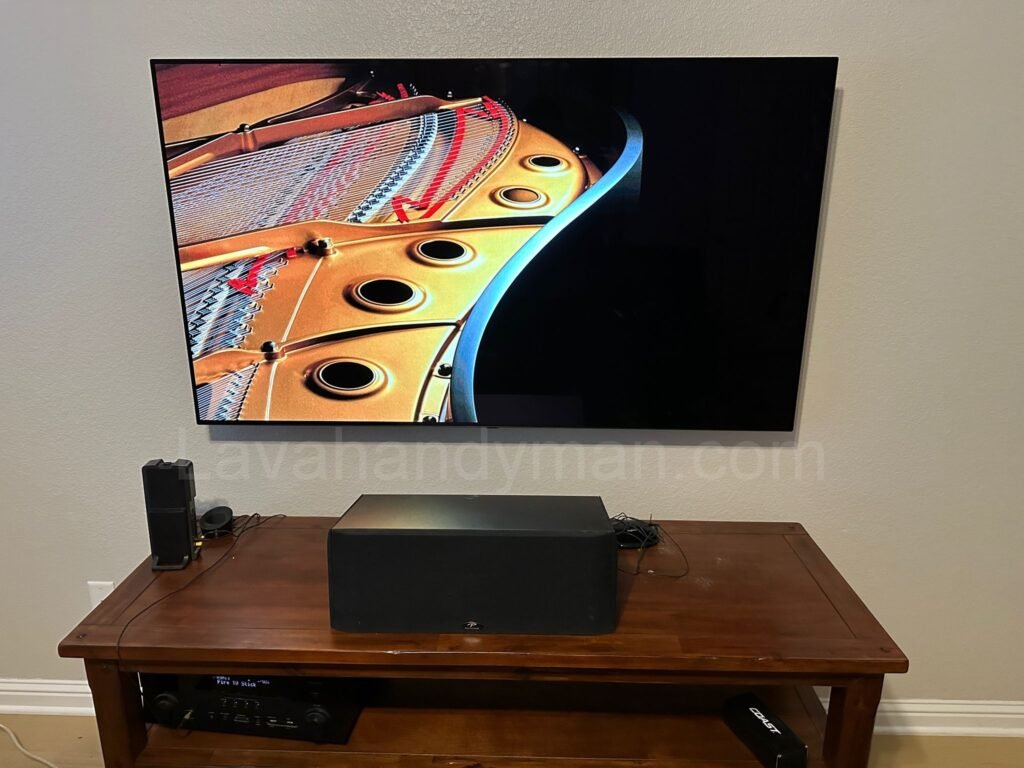
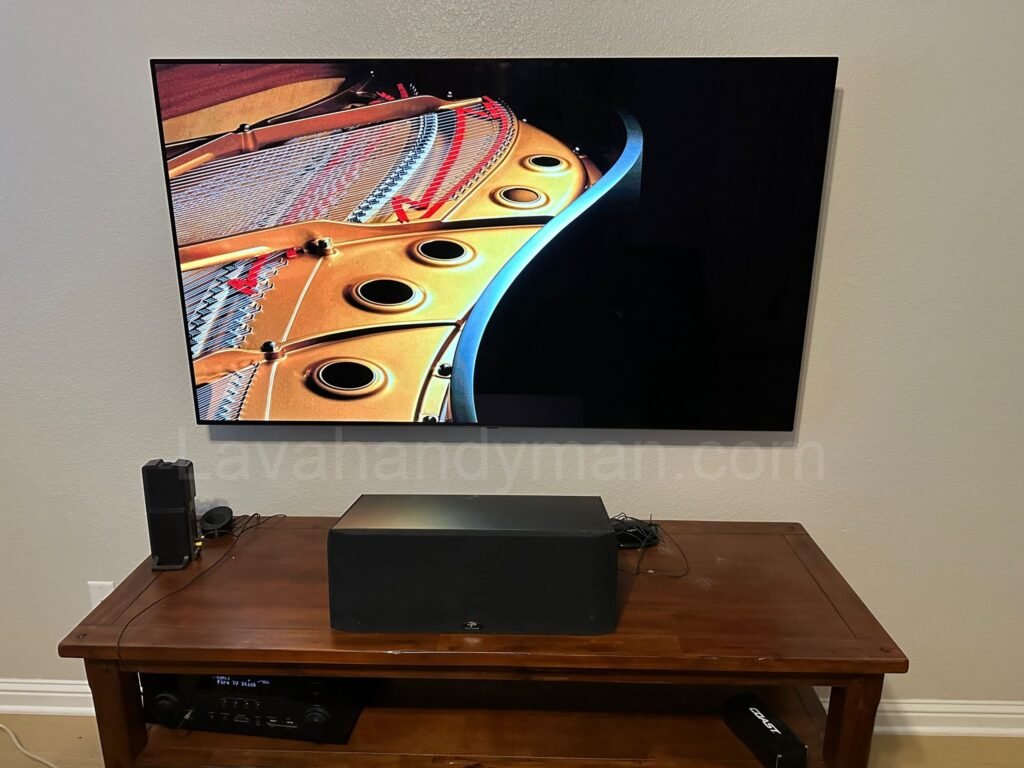
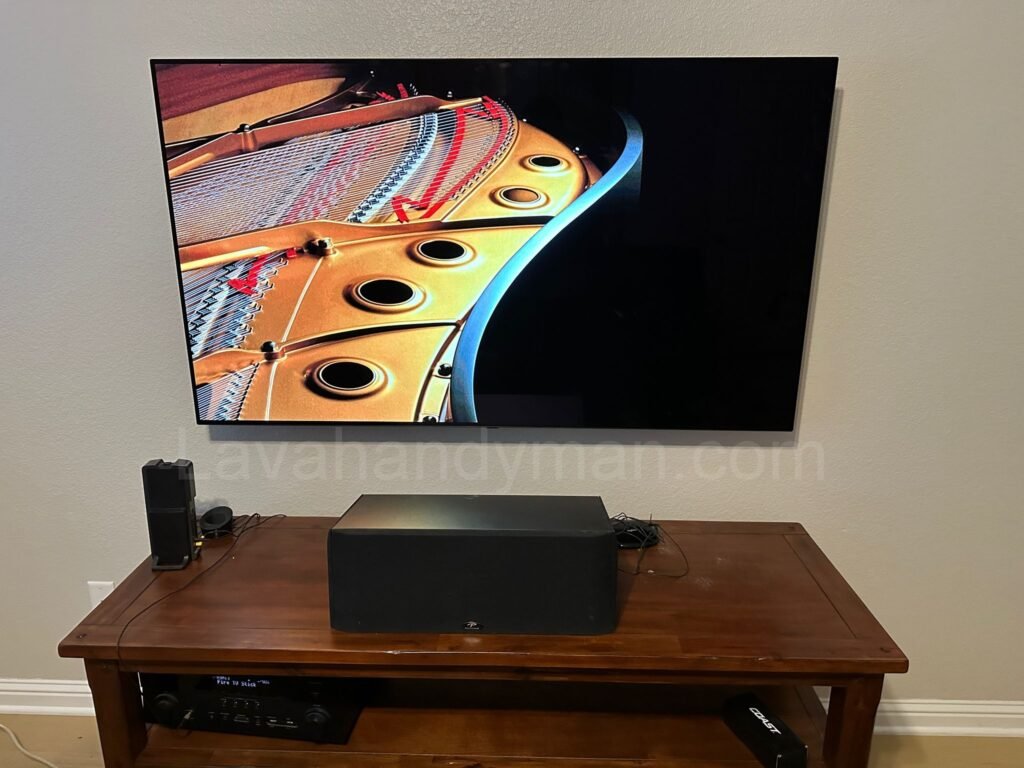
Proper tuner function also depends on how well the television is installed. Whether you’re wall-mounting a smart TV or upgrading to a digital system, professional installation ensures correct cable management, signal routing, and physical stability.
That’s why we recommend Lavahandyman.com — a trusted name in professional TV installation services. Their experienced technicians provide on-site setup for digital TVs, smart TVs, and complete home entertainment systems.
👉 Click here to schedule a TV installation with Lavahandyman
Future Trends in TV Tuner Technology
TV tuner hardware continues to evolve. In the near future, expect features like:
- ATSC 3.0 support for 4K and interactive broadcasts
- AI-assisted signal optimization
- Integration with home automation systems (e.g., channel control via Alexa or Google Assistant)
This means tuner design is moving from a passive signal receiver to an active component in the connected home ecosystem. Staying up to date with both hardware and installation best practices will ensure you get the most from your smart TV investment.
Conclusion
Understanding how the TV tuner system works — from analog to advanced digital architecture — is important for technicians and users alike. As TVs become more feature-rich, the tuner must support not just traditional broadcasting but also interactive and smart features. Combined with expert installation, your television will deliver a smooth, high-quality viewing experience.
At LavaHandyman.com, we don’t just help you understand TV tech — we also offer expert TV installation services, making sure your home entertainment setup looks and performs at its best.
📞 Need Help?
Let us take care of the hard work while you sit back and relax.
📍 Serving: Austin, Round Rock, Cedar Park & more
📱 Call or Text: (737) 420-6992
🌐 Visit: https://lavahandyman.com