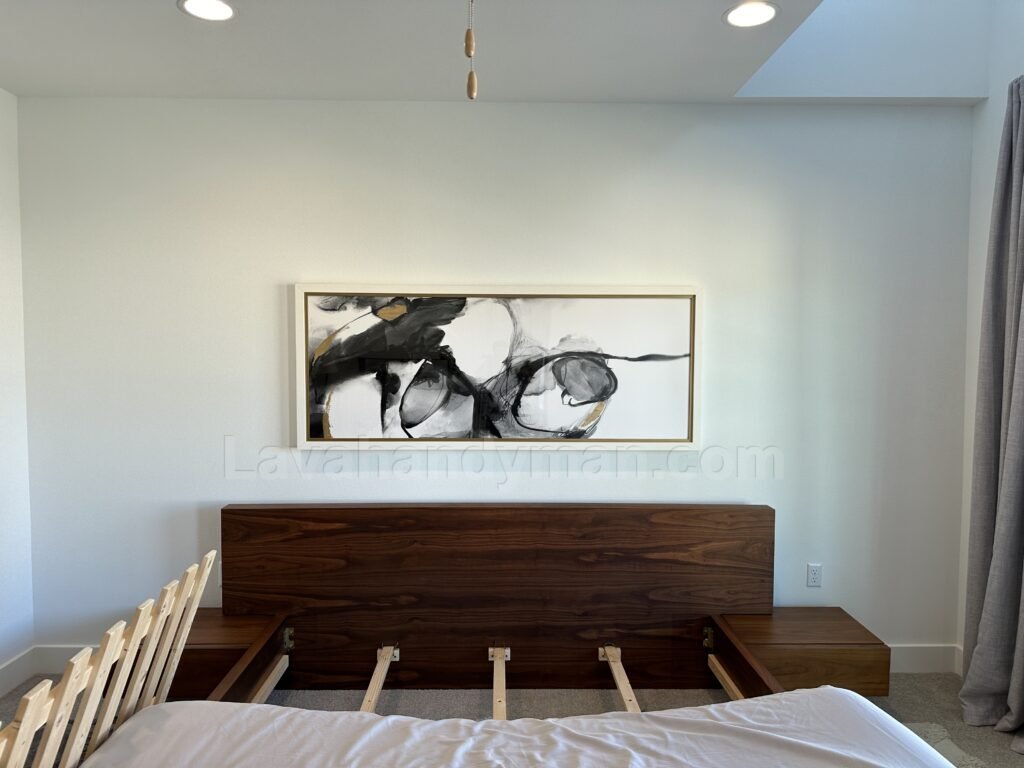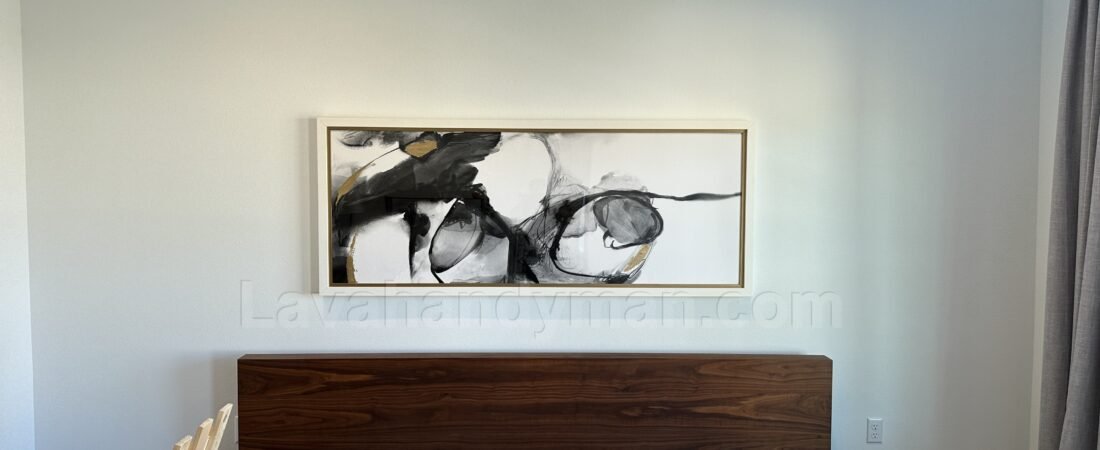
Common Mistakes in Picture Hanging and How to Avoid Them
Hanging decorative wall art is one of the easiest and most effective ways to enhance interior spaces. However, many people make common mistakes during installation that can ruin the wall’s aesthetic or even damage the artwork. In this article, we’ll explore the most frequent mistakes in hanging wall art and share practical solutions to avoid them.
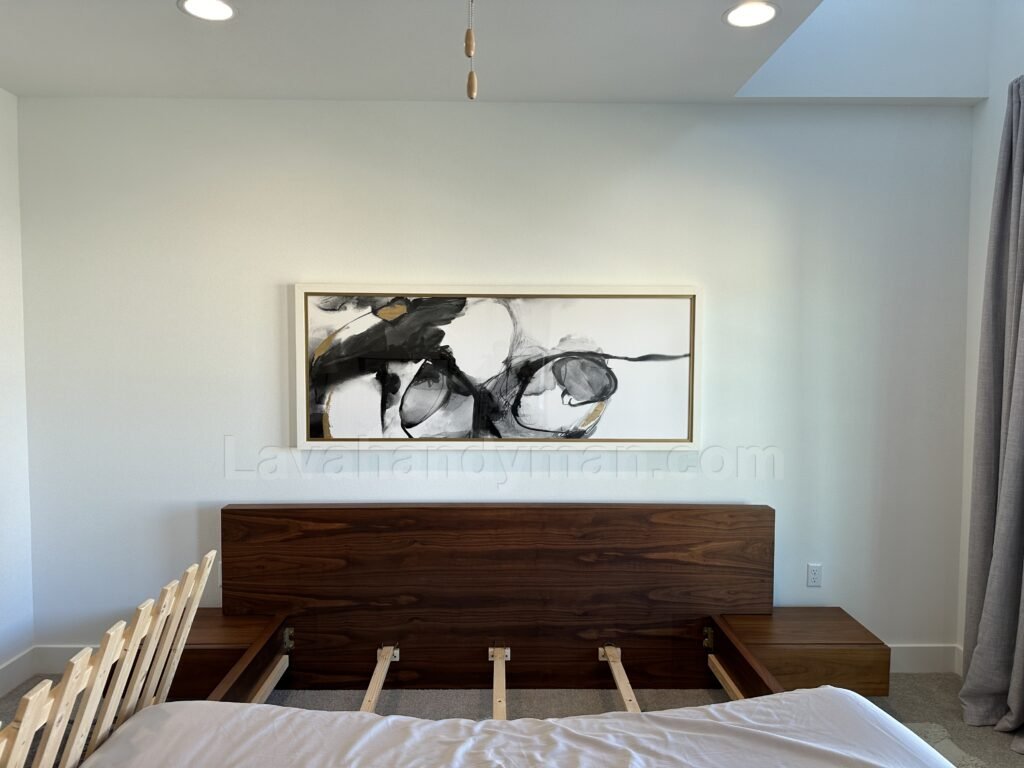
1. Choosing the Wrong Placement for the Artwork
One of the most common mistakes in hanging wall art is placing it at an inappropriate height or in a spot that doesn’t complement the decor.
❌ Common Mistakes:
- Hanging the artwork too high or too low, making it hard to view properly
- Placing the artwork in a poorly lit area
- Positioning the artwork in a cluttered or visually busy spot, reducing its impact
✅ How to Avoid It:
- The ideal height for hanging artwork is to position the center at 140 to 150 cm (55 to 60 inches) from the floor.
- If placing the artwork above a sofa or table, keep a 15 to 20 cm (6 to 8 inches) gap from the furniture edge.
- Choose a spot with adequate lighting to ensure the artwork stands out.
Common Mistakes in Picture Hanging and How to Avoid Them
2. Using the Wrong Tools for Installation
Using inappropriate tools for different wall types can damage the wall and make the artwork unstable.
❌ Common Mistakes:
- Using regular nails on plaster or concrete walls
- Hanging heavy artworks with weak adhesive strips
- Not using a level tool, leading to a crooked installation
✅ How to Avoid It:
- For plaster walls: Use wall anchors and screws.
- For concrete walls: A drill and plastic anchors are ideal.
- For tiled or glass walls: Use strong adhesive hooks or double-sided mounting tape.
- Always use a spirit level or a leveling app on your phone for precision.
Common Mistakes in Picture Hanging and How to Avoid Them
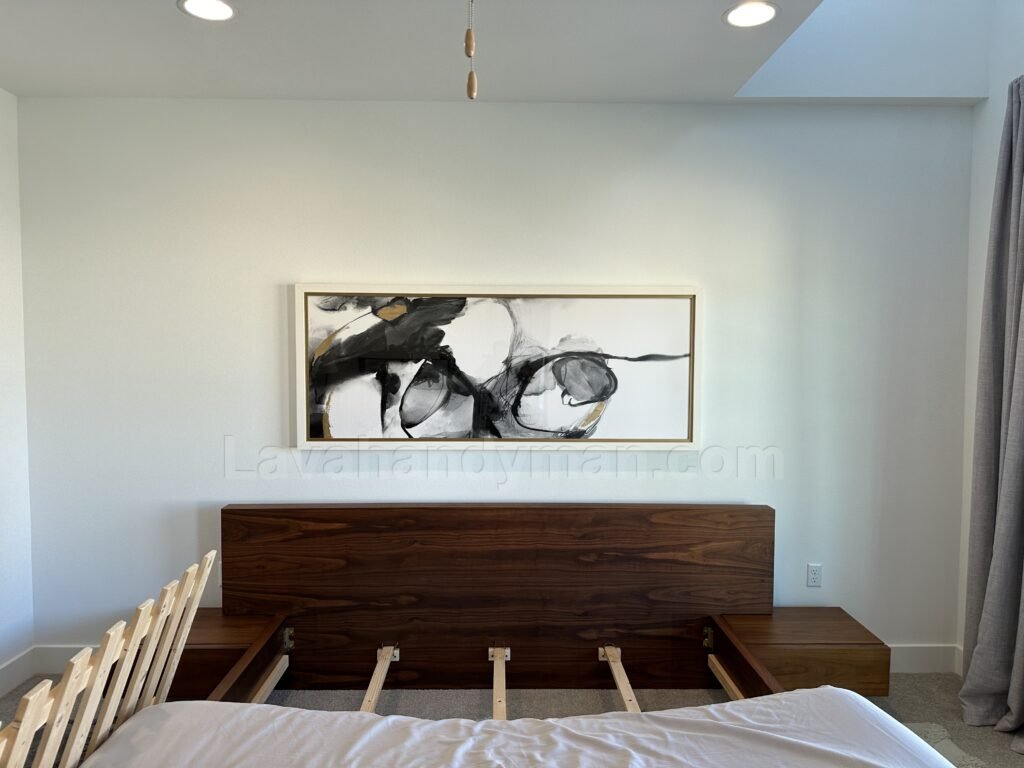
3. Poor Arrangement of Multiple Frames
Hanging multiple frames without proper spacing and alignment can create a cluttered look.
❌ Common Mistakes:
- Inconsistent spacing between frames
- Mismatching frame sizes and styles
- Hanging frames too close together or too far apart
✅ How to Avoid It:
- Test the arrangement on the floor first to find the best layout.
- Maintain a standard spacing of 5 to 10 cm (2 to 4 inches) between frames.
- Use a consistent color scheme or style to create a cohesive look.
Common Mistakes in Picture Hanging and How to Avoid Them
4. Ignoring Proper Lighting for Artwork
Poor lighting can make the artwork less noticeable or create unwanted shadows.
❌ Common Mistakes:
- Placing artwork in direct sunlight, which can cause fading
- Hanging it in dark areas with insufficient lighting
- Not using accent lighting to highlight the artwork
✅ How to Avoid It:
- Use LED spotlights or warm track lighting to enhance the artwork’s visibility.
- Avoid direct and harsh lighting (such as bright fluorescent lights or direct sunlight).
- Consider using LED strips behind the artwork for a modern, elegant effect.
5. Choosing the Wrong Frame for the Artwork
An inappropriate frame can take away from the beauty of the artwork and disrupt the room’s harmony.
❌ Common Mistakes:
- Choosing frames that don’t match the artwork’s style or color
- Using thick, bulky frames for minimalist or modern art
- Selecting frames that don’t complement the overall interior design
✅ How to Avoid It:
- For modern artworks, thin and simple frames work best.
- Classic paintings or traditional art pieces look better with wooden or ornate frames.
- Match the frame’s color with the room’s color scheme for a balanced look.
6. Overlooking No-Drill Hanging Methods
Some people want to avoid drilling holes in their walls but don’t use the best alternative methods for secure installation.
❌ Common Mistakes:
- Using weak adhesives for heavy artworks
- Relying on low-quality hooks that loosen over time
✅ How to Avoid It:
- Use strong adhesive hooks designed for hanging wall art.
- For lightweight artwork, 3M Command Strips or similar double-sided tape can work well.
- For plaster walls, consider rail hanging systems that require minimal drilling.
Conclusion
Properly hanging decorative wall art can significantly enhance your space. To avoid common mistakes, follow these tips:
✔ Choose the right placement and maintain standard height guidelines.
✔ Use appropriate tools for different wall types.
✔ Plan your gallery wall layout before installation.
✔ Invest in good lighting to highlight your artwork.
✔ Select frames that match your decor and artwork style.
✔ Use no-drill mounting solutions for sensitive walls.
By following these recommendations, you can ensure that your artwork is beautifully displayed, creating a harmonious and visually appealing space.
💡 Have you ever made any of these mistakes? Share your experiences in the comments!
At LavaHandyman.com, we don’t just help you understand TV tech — we also offer expert TV installation services, making sure your home entertainment setup looks and performs at its best.
📞 Need Help?
Let us take care of the hard work while you sit back and relax.
📍 Serving: Austin, Round Rock, Cedar Park & more
📱 Call or Text: (737) 420-6992
🌐 Visit: https://lavahandyman.com