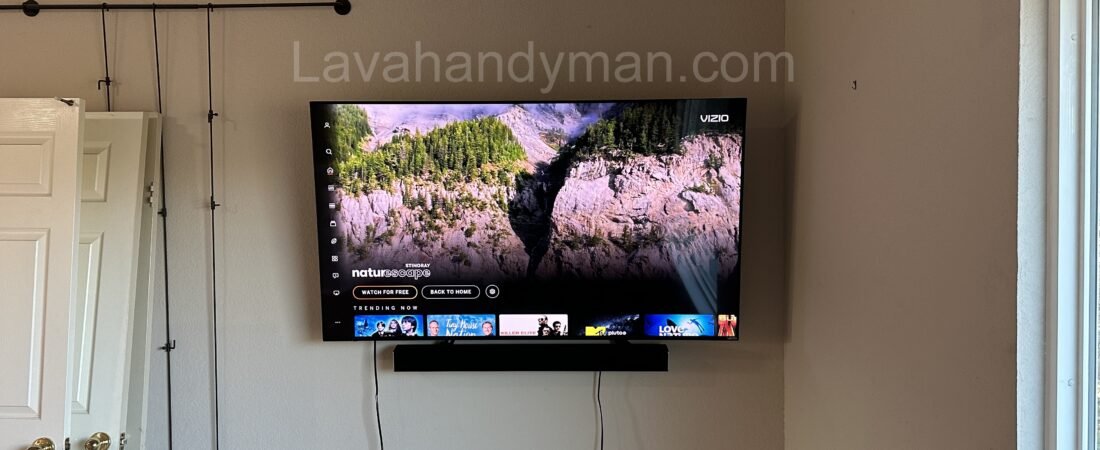
Graphics Card for TV: A Complete Guide
The graphics card (CPU) is a vital component of a computer that significantly impacts overall system performance. Choosing the right graphics card can dramatically enhance gaming and video playback experiences. In this article, we will provide important tips on using a TV as a monitor and selecting the appropriate graphics card for your television. For more information, you can visit Lavahandyman.com.
Important Tips for Using a TV as a Monitor
- Compatibility
- Ports
If you are using an older graphics card or motherboard with a DVI output, you can use a DVI to HDMI cable to connect it to your TV’s HDMI output. Additionally, for using a second or third monitor, you may need to use another port like the Display Port output on your graphics card.
- Resolution
Adjusting the resolution is an important way to improve the picture quality of your TV. The more pixels there are, the clearer and more detailed the image will be. Common resolutions include HD (1280 x 720 pixels), Full HD (1920 x 1080 pixels), 4K (3840 x 2160 pixels), and 8K (7680 x 4320 pixels).

4.Input Lag
The refresh rates of TVs may not be ideal for high-frame-rate gaming. Using an HDTV instead of a monitor may prevent you from fully utilizing your system’s capabilities.
- Settings
To enhance picture quality, adjust sharpness, color temperature (warm/cool), resolution, brightness, contrast, and tint. Also, use a high-quality HDMI cable.
- Custom Resolutions
llenges of Graphics Cards in 2025
Graphics cards in 2025 face unique challenges due to rapid advancements in technology and the growing demand for complex graphical processing. Here are some of the most important challenges:
1. High Cost
With advancements in technology and more complex designs, the price of graphics cards, especially for gaming and professional processing, remains high. Flagship models like the Nvidia GeForce RTX 5090 and AMD Radeon RX 7900 XT may be inaccessible to many users. This forces individuals to choose more affordable models that may not offer the same level of performance.
2. High Power Consumption
Powerful graphics cards today require more power. The high energy consumption of these cards can lead to increased costs and put pressure on the system’s power supply. Optimizing energy consumption has become one of the key challenges for graphics card manufacturers.
3. Heat and Cooling Systems
With increased processing power, modern graphics cards tend to generate a lot of heat. To prevent damage to the components, powerful cooling systems are required. This increases costs and complicates the selection of appropriate systems to maintain the graphics card. Additionally, excessive heat can affect the overall performance of the system.
4. Compatibility Issues with Older Hardware
New graphics cards may have compatibility issues with older systems or motherboards. In some cases, users may need to upgrade other components such as the processor, motherboard, and even the power supply to take full advantage of the new graphics card’s performance.
5. Physical Space and Size of Graphics Cards
High-performance graphics cards are often larger and may not fit into smaller or older cases. This can be a challenge for users with compact cases and may require the purchase of larger cases or modifications to the existing system.
6. Availability and Supply Delays
Due to high demand for new graphics cards with advanced features, especially at the time of new releases, users may face availability issues. Supply delays, price fluctuations, and stock shortages can make it difficult to purchase the desired graphics card.
7. Rapid Technological Development
In the world of graphics and graphical processing, technologies are rapidly evolving. As a result, graphics cards quickly become outdated, which can be problematic for users who need constant upgrades. For example, new features like Ray Tracing and DLSS are continuously upgraded to newer versions.
8. Software Issues and Drivers
Some graphics cards may face software and driver issues, which can lead to reduced performance or even errors in games and graphics applications. These problems can frustrate users and create a need for constant driver updates and additional software support.
9. Intense Competition Between Brands
The competition between brands like Nvidia and AMD can make it harder for users to choose the right graphics card. Each brand has its unique features and technologies, which can confuse users when selecting the best model.
Check whether your system’s graphics card output is compatible with your HD television’s resolution. Most TVs support standard resolutions such as 720p, 1080p, or 4K. Be aware that some TVs may have non-standard resolutions that your computer’s graphics card might not support.
10. Limited Availability of New Technologies
Although new graphics cards come with advanced technologies like Ray Tracing, AI-based enhancements, and real-time rendering improvements, the availability of these features is often limited by the hardware’s capabilities. Not all games and applications are optimized for these features, meaning users may not always experience the full potential of their high-end graphics card.
Furthermore, the adoption of new graphical standards (e.g., ray tracing and 8K gaming) is still in its early stages. As a result, even the most powerful GPUs may not see widespread use of their advanced features in the next few years, which can create a sense of underutilization for early adopters.
11. Software Optimization for New Hardware
As graphics cards advance, software optimization often lags behind. While GPU hardware evolves rapidly, game developers and application creators may not immediately update their programs to take full advantage of the latest GPU technologies. This can lead to performance bottlenecks where users expect smoother experiences, but the software isn’t yet optimized for the hardware’s full capabilities.
Additionally, some programs may struggle to utilize newer GPUs effectively, which means users could still experience poor performance even with cutting-edge hardware, particularly in non-gaming applications like video editing or 3D modeling.
12. Overclocking Risks and Stability
Overclocking, or pushing the GPU beyond its designed clock speed to achieve better performance, is a popular practice among enthusiasts. However, with the increasing complexity and power of GPUs, overclocking has become riskier. Pushing a card too hard can result in instability, crashes, or even hardware damage due to overheating or excessive power draw.
Although many modern graphics cards come with robust cooling systems and software to manage overclocking, users may still face issues with maintaining system stability, especially in systems without dedicated cooling or those using less powerful power supplies.
13. Price Inflation Due to Cryptocurrency Mining
The mining of cryptocurrencies, particularly during certain market booms, can significantly inflate the prices of GPUs. This has been a notable issue in the past few years, and even in 2025, the demand for GPUs by miners may continue to impact the availability and price of cards intended for regular consumers. As a result, individuals looking for a graphics card for gaming or professional use may find themselves competing with miners, leading to higher prices and scarcity of high-performance models.

14. Environmental Impact and Sustainability
As graphics cards become more powerful, they also become less energy-efficient, which raises concerns about their environmental impact. High-performance GPUs consume a significant amount of electricity, which contributes to higher carbon emissions, especially if the energy used comes from non-renewable sources.
Additionally, the production and disposal of GPUs can have a considerable environmental impact, as rare-earth metals are often used in manufacturing. As sustainability becomes a growing concern in technology, there will likely be increased pressure on manufacturers to design GPUs that are more energy-efficient, recyclable, and environmentally friendly.
15. Dependence on Software Updates and Driver Compatibility
Graphics cards are highly dependent on regular software updates and driver compatibility to ensure smooth operation and optimal performance. However, inconsistent driver updates or incompatibilities between new GPUs and older systems can cause users significant frustration. Without timely driver updates, users may experience issues like screen tearing, crashes, or even decreased performance in certain applications and games.
Additionally, some games or professional software may have bugs or crashes due to incompatible drivers, and users must wait for updates to resolve these issues. This creates an ongoing challenge for both hardware manufacturers and users to ensure their systems remain up-to-date and functional.
16. Diminishing Returns in Performance Increases
As GPUs continue to improve in power, there may be diminishing returns in performance gains. For example, moving from a mid-range card to a high-end model might yield significant improvements in gaming performance, but the jump in performance between high-end models may be less noticeable, particularly for everyday users.
This diminishing return means that consumers may need to consider whether the extra cost for top-tier GPUs is justified, especially when performance improvements may not be noticeable unless used for demanding tasks like 4K gaming or intensive rendering.
17. Gaming and Content Creation Demand Mismatch
While GPUs are designed to handle both gaming and content creation tasks, certain GPUs are optimized for specific workflows (e.g., gaming vs. rendering). The demand for GPUs for gaming has traditionally outpaced the demand for professional-grade graphics processing, but as the content creation industry grows—especially in fields like VR/AR, 3D modeling, and AI-driven graphics—there’s a greater need for specialized cards.
This creates a mismatch between the types of GPUs available and the specific needs of gamers versus professional content creators. As a result, users may have difficulty finding the right GPU for their intended purpose, leading to dissatisfaction or underperformance in tasks outside the gaming sphere.
Advantages and Disadvantages of Graphics Cards in 2025: A Review of the Best Models and Performance
Graphics cards (GPUs) in 2025 have seen tremendous advancements, bringing significant changes in technology and performance. In this article, we’ll explore the advantages and disadvantages of new graphics cards and introduce the top models of 2025. If you are looking to buy a new graphics card for gaming or professional graphics processing, this article will be helpful.
✅ Advantages of Graphics Cards in 2025
1. Unmatched Performance in Gaming and Professional Applications
New graphics cards like the Nvidia GeForce RTX 5090, with the Ada Lovelace architecture, offer incredible processing power for running 4K games and heavy graphics applications. These models provide high frame rates and smooth gaming experiences.
2. Support for Advanced Graphic Technologies
New graphics cards support advanced technologies like 4th generation Ray Tracing, DLSS 4.0, and Multi Frame Generation, which significantly enhance image quality and resolution in games and applications.
3. Improved Performance with Artificial Intelligence (AI)
Using AI features like DLSS 4, new graphics cards automatically optimize performance while increasing graphic quality. This feature is particularly effective in resource-intensive games like Cyberpunk 2077.
4. Reduced Power Consumption and Resource Optimization
New graphics cards utilize AI to reduce power consumption, delivering high performance without increasing power usage. This feature is especially important for personal systems and users who need lower energy consumption.
5. Wide Range of Models for Better Selection
In the 2025 graphics card market, models like the RTX 5060 and RTX 5070 Ti are available, allowing users to choose the right model for 1080p or 1440p gaming.
❌ Disadvantages of Graphics Cards in 2025
1. High Cost of Flagship Graphics Cards
Flagship models like the Nvidia GeForce RTX 5090 are priced very high, making them inaccessible to many users, and more affordable options become the preferred choice.
2. Need for Advanced Cooling Systems
With increased processing power, new graphics cards may require more advanced cooling systems. If you use high-performance cards, it’s essential to invest in suitable cooling solutions to prevent overheating.
3. Compatibility Issues with Older Systems
Some of the new graphics cards might have compatibility issues with older systems or motherboards. You may need to upgrade other system components to use these cards.
4. Large Size of High-Performance Graphics Cards
High-performance graphics cards are typically larger and may not fit in smaller cases. If you intend to use flagship models, you should pay special attention to the size of your case.
5. Limited Availability of Certain Models
Some specific models, like the RTX 5060 Ti, are only available through third-party manufacturers, and Founders Edition versions of these cards are not readily available in the market.
You can create custom resolutions to improve graphics without sacrificing performance. For NVIDIA and AMD cards, there are various options available for creating custom resolutions.
At LavaHandyman.com, we don’t just help you understand TV tech — we also offer expert TV installation services, making sure your home entertainment setup looks and performs at its best.
📞 Need Help?
Let us take care of the hard work while you sit back and relax.
📍 Serving: Austin, Round Rock, Cedar Park & more
📱 Call or Text: (737) 420-6992
🌐 Visit: https://lavahandyman.com