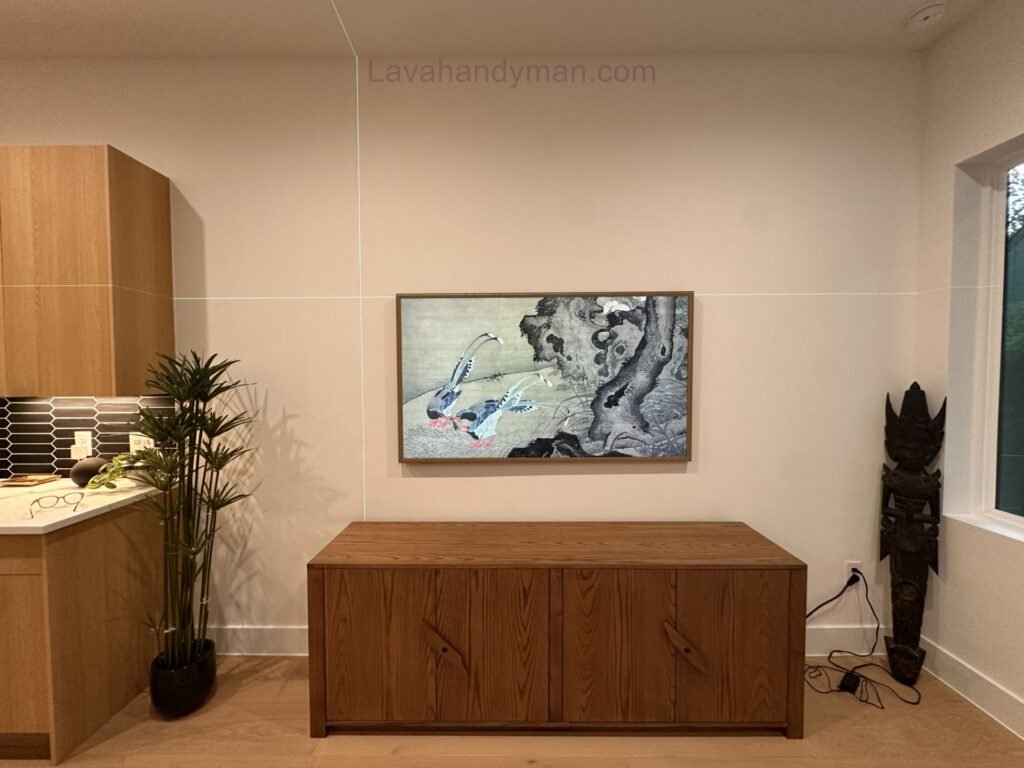
Professional TV Wall Mounting with Hidden Cables for a Clean and Modern Look
Introduction
Professional TV wall mounting with hidden cables is an excellent way to create a clean, modern, and organized entertainment space. Whether you are upgrading your living room, bedroom, office, or home theater, a wall-mounted television with concealed wires can improve the appearance of your interior while making better use of available space.
Visible television cables can make even a beautifully designed room look cluttered. HDMI cables, power cords, antenna wires, and network connections can create unnecessary visual distractions when they hang beneath the screen or collect behind an entertainment cabinet. Professional TV installation with hidden cable management helps address this problem by organizing connections and concealing compatible cables using an appropriate installation method.
However, achieving a clean and reliable result involves more than attaching a television to the wall. The installation requires a suitable TV wall mount, accurate measurements, proper wall support, careful cable routing, and attention to electrical safety. The best approach depends on the television’s size and weight, the wall construction, the location of electrical outlets, and the homeowner’s design preferences.
In this comprehensive guide, we explain the benefits of professional TV wall mounting, different hidden cable installation methods, how to choose the right mounting bracket, the installation process, safety requirements, maintenance recommendations, and factors that influence the cost of TV wall mounting services.
If you want a sleek entertainment area without visible wires, understanding these details can help you make informed decisions and achieve a professional finish.
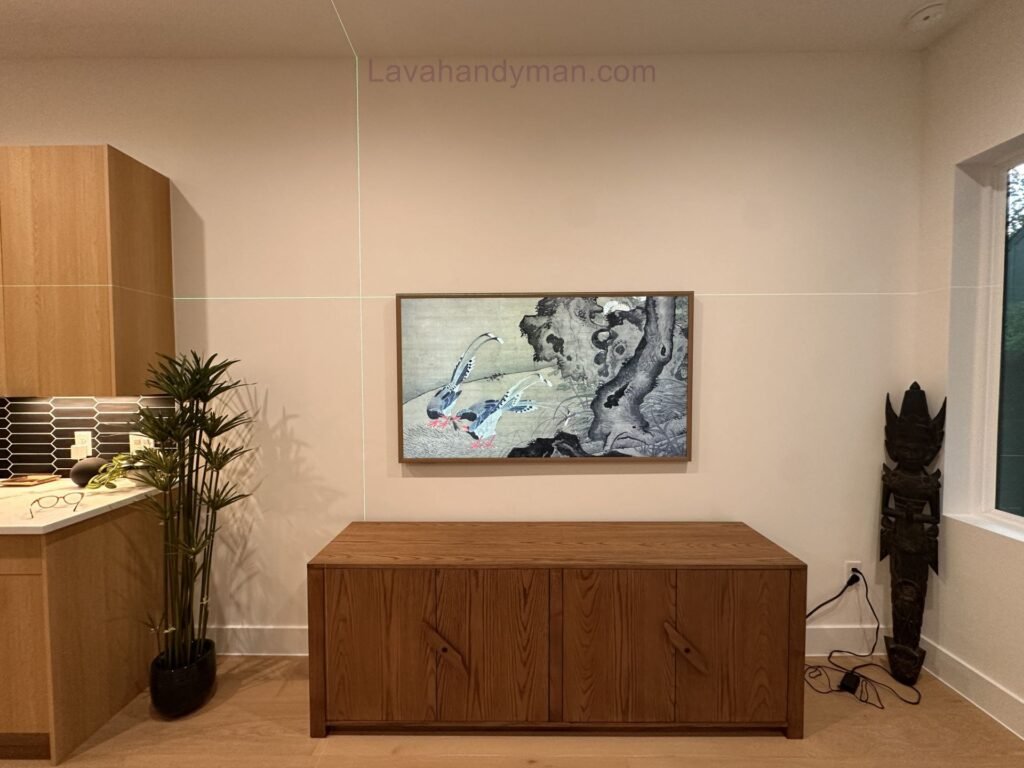
TV Wall Mounting with Hidden Cables
What Is Professional TV Wall Mounting with Hidden Cables?
Professional TV wall mounting involves securely attaching a television to a wall using a compatible mounting bracket and suitable fixing hardware. Unlike a traditional television setup that requires a cabinet or TV stand, wall mounting positions the screen directly on the wall, creating a more streamlined appearance.
Hidden cable installation complements this arrangement by concealing or organizing the wires connected to the television. Instead of allowing cables to hang visibly beneath the screen, the installer uses an appropriate cable management solution to keep connections neat and discreet.
Depending on the property and the desired result, TV cable concealment may involve:
TV Wall Mounting with Hidden Cables
- In-wall cable management systems for compatible cables.
- Surface-mounted cable covers that conceal wires along the wall.
- Recessed connection boxes for a cleaner installation.
- Custom media walls with integrated cable routing.
- Organized cable pathways connecting the television to external devices.
Each method offers different advantages in terms of appearance, installation complexity, accessibility, and cost.
For example, in-wall cable concealment can create a nearly seamless appearance when the wall and cable system are suitable. Surface-mounted cable covers provide a less invasive alternative when opening the wall is undesirable.
A professional TV wall mounting service considers these factors before selecting the most appropriate installation method. The goal is to create an attractive, secure, and practical entertainment setup that remains easy to use and maintain.
Benefits of TV Wall Mounting with Hidden Cables
1. Create a Clean and Modern Interior
TV Wall Mounting with Hidden Cables
One of the main advantages of TV wall mounting with hidden wires is the improved appearance of the room. Removing visible cable clutter allows the television to become a natural focal point without distracting lines or hanging cords.
This installation style works particularly well in contemporary, minimalist, Scandinavian, and luxury-inspired interiors. It can complement neutral wall colors, decorative panels, floating cabinets, and carefully planned lighting.
For homeowners who appreciate a tidy living environment, concealed cable management is an important detail that can make the entire entertainment area look more complete.
2. Save Space in Your Living Room
A traditional TV stand occupies valuable floor space. Wall-mounted TV installation eliminates the need for a cabinet solely to support the screen, creating more flexibility when arranging furniture.
TV Wall Mounting with Hidden Cables
This is especially beneficial in apartments, compact living rooms, bedrooms, and multipurpose spaces where every part of the room matters.
A wall-mounted television can also work well above a floating media cabinet, leaving the floor area beneath it open and easier to clean.
Although wall mounting does not physically increase room size, it can make the space feel more open and organized.
3. Improve TV Cable Management
Modern entertainment systems often include several connected devices, including gaming consoles, streaming players, soundbars, satellite receivers, and network equipment.
Without a suitable cable management plan, these connections can quickly become tangled and difficult to maintain.
Professional TV cable management organizes wires according to their purpose and destination. This can make it easier to identify individual connections, replace cables, and add compatible devices in the future.
A properly planned installation also helps prevent cables from being pulled, crushed, or caught behind furniture.
TV Wall Mounting with Hidden Cables
4. Achieve a More Comfortable Viewing Position
Professional TV installation allows the screen to be positioned according to the room layout and primary seating area.
The center of the screen is often positioned near seated eye level as a starting point, although the ideal height depends on the screen size, seating arrangement, viewing distance, and personal preferences.
Different TV wall mounts provide different adjustment options. Fixed brackets keep the television close to the wall, tilting brackets allow vertical angle adjustments, and full-motion brackets provide additional flexibility.
Choosing the right bracket can help create a comfortable viewing experience while maintaining a clean and modern appearance.
5. Keep the Entertainment Area Organized
TV Wall Mounting with Hidden Cables
Hidden cable installation reduces the number of visible wires around the television and can make the surrounding area easier to clean.
A tidy setup also helps reduce the chance of someone accidentally catching a foot or hand on a loose cable.
However, proper cable concealment should always be combined with secure equipment placement, appropriate electrical installation, and safe cable routing.
6. Complement Custom Interior Design
TV Wall Mounting with Hidden Cables
A wall-mounted television can be integrated into a larger interior design feature, such as a decorative media wall, a wooden accent panel, a recessed entertainment area, or a built-in cabinet.
Concealed cables help maintain a consistent appearance across these elements.
For more elaborate installations, the design may incorporate a soundbar, ambient lighting, storage compartments, and dedicated spaces for connected devices.
Planning the entire entertainment area before installation can help avoid visible cables and unnecessary changes later.
Choosing the Right TV Wall Mount
Selecting a compatible mounting bracket is essential for a secure and professional TV wall mounting installation. The correct bracket depends on the television’s mounting pattern, dimensions, weight, wall structure, and viewing requirements.
TV Wall Mounting with Hidden Cables
Fixed TV Wall Mounts
Fixed TV wall mounts hold the television in a stationary position close to the wall. They are a popular choice for living rooms where the primary seating area faces the screen directly.
Their slim profile helps create a minimalist appearance, making them particularly suitable for installations where visual simplicity is a priority.
A fixed mount may also be a practical option when the television’s connection ports can be accessed easily during installation.
Before selecting this bracket type, consider whether future access to cables or connected devices will be necessary.
TV Wall Mounting with Hidden Cables
Tilting TV Wall Mounts
Tilting TV wall mounts allow the screen to angle upward or downward within the bracket’s adjustment range.
They can be useful when the television must be mounted above the ideal viewing height or when a slight adjustment helps manage reflections.
For example, a tilting mount may be appropriate for certain bedroom installations or television positions above furniture.
The bracket must remain compatible with the television’s weight, dimensions, and mounting pattern.
TV Wall Mounting with Hidden Cables
Full-Motion TV Wall Mounts
Full-motion TV wall mounts allow the television to extend away from the wall and swivel toward different viewing positions. Depending on the model, they may also offer vertical tilt.
These brackets are useful in open-plan rooms, corner installations, and spaces where viewers watch television from different seating areas.
Because extending the television increases the leverage placed on the wall, the supporting structure and fixing hardware must be appropriate for the installation.
Cable routing also requires careful planning. The wires must accommodate the mount’s movement without becoming stretched, trapped, or disconnected.
TV Wall Mounting with Hidden Cables
How to Choose a Compatible TV Mount
Before purchasing a mounting bracket, check the following:
- The television’s weight and screen dimensions.
- Its VESA mounting pattern, if applicable.
- The wall material and supporting structure.
- The desired viewing angle and adjustment range.
- The position of the television’s connection ports.
- The clearance required for cables and ventilation.
- The manufacturer’s installation and compatibility instructions.
Choosing the correct bracket from the beginning helps avoid unnecessary adjustments and contributes to a safer installation.
TV Wall Mounting with Hidden Cables
Best Methods for Hiding TV Cables
The most suitable TV cable concealment method depends on the wall construction, cable types, available electrical connections, and desired appearance.
In-Wall Cable Concealment
In-wall cable concealment routes compatible cables behind the finished wall surface, reducing the number of visible wires around the television.
This method is often chosen for modern interiors where a nearly seamless finish is important.
TV Wall Mounting with Hidden Cables
Before installing an in-wall cable management system, the wall must be assessed for concealed electrical wiring, plumbing, structural components, insulation, and other potential obstructions.
The selected cable management components must be rated for their intended use and installed according to the manufacturer’s instructions and applicable local regulations.
It is particularly important to distinguish between low-voltage signal cables and mains electrical wiring. HDMI, Ethernet, and certain other communication cables may be suitable for in-wall installation when the products are appropriately rated.
An ordinary television power cord must not simply be passed through a hole and concealed inside a wall cavity. Where power is needed behind the television, use an approved in-wall power relocation system or a properly installed electrical receptacle.
Any required changes to fixed electrical wiring should be performed by a qualified electrician where required by local regulations.
TV Wall Mounting with Hidden Cables
Surface-Mounted Cable Covers
Surface-mounted cable covers provide a practical solution when opening the wall is unnecessary, impractical, or not permitted.
These channels attach to the wall and conceal cables behind a protective cover. Many models can be painted to match the surrounding surface, making them less noticeable.
Cable covers are often suitable for rental properties, existing finished walls, and installations where minimizing construction work is a priority.
Although the cables are not hidden inside the wall, a carefully positioned cable cover can still create a neat and professional appearance.
Recessed Cable Management Systems
Recessed cable management systems use specially designed boxes or plates to organize compatible connections behind or near the television.
TV Wall Mounting with Hidden Cables
Depending on the system, they may help accommodate signal cables, communication connections, or approved power components.
The selected products must be suitable for the wall type and intended application. Electrical and low-voltage components must be installed in accordance with their ratings and applicable requirements.
Recessed systems are particularly useful when the television and connected devices need to maintain a clean appearance without sacrificing practical access.
Custom TV Media Walls
A custom TV media wall can combine the television, concealed wiring, storage, decorative panels, and lighting into a coordinated entertainment feature.
TV Wall Mounting with Hidden Cables
This option is particularly attractive for homeowners who want a more integrated interior design.
A well-planned media wall can include dedicated spaces for a soundbar, streaming equipment, gaming consoles, and other devices.
Ventilation and access should be considered during the design process so that electronic equipment can operate properly and connections can be maintained.
Because media walls may involve carpentry, electrical work, and decorative finishing, they usually require more planning than a standard wall-mounted television installation.
TV Wall Mounting with Hidden Cables
How to Prepare for TV Wall Mounting
Proper preparation helps ensure that the television is positioned accurately, the mounting system is secure, and the cable concealment method works as intended.
Choose the Best Location
Start by identifying the most suitable wall for the television.
Consider the primary seating area, windows, natural light, nearby electrical outlets, furniture placement, and available wall space.
Direct sunlight and strong reflections can reduce viewing comfort, so the screen should be positioned to minimize glare where possible.
TV Wall Mounting with Hidden Cables
You should also consider where connected devices will be placed and how their cables will reach the television.
Determine the Ideal Viewing Height
A common starting point is to position the center of the screen near seated eye level.
However, the ideal height varies depending on screen dimensions, sofa height, viewing distance, and room layout.
In bedrooms or rooms with elevated seating, a different position may be appropriate.
Before drilling, measure the intended screen position and check it from the main seating area.
TV Wall Mounting with Hidden Cables
Assess the Wall Structure
The wall must be capable of supporting the combined weight of the television and mounting bracket.
Different wall materials require different fixing methods.
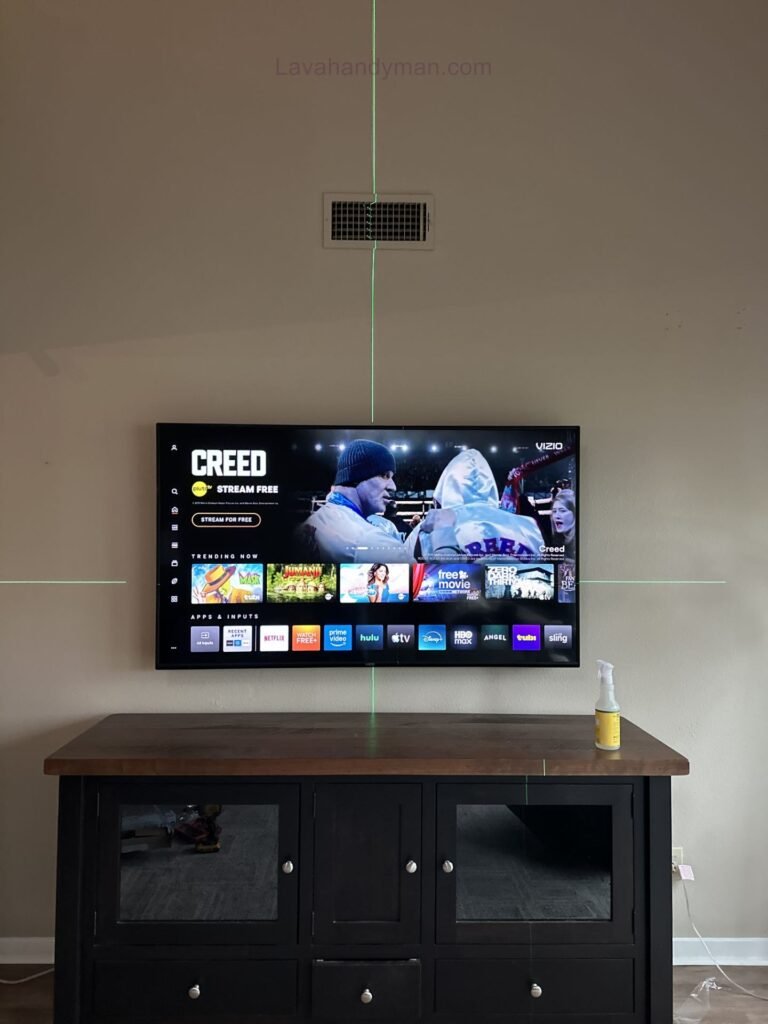
Wooden studs: The bracket should be secured to suitable structural framing using compatible fasteners.
TV Wall Mounting with Hidden Cables
Metal studs: The mounting system must be suitable for the framing and the expected load.
Concrete walls: Appropriate masonry anchors or approved fixing systems are required.
Brick walls: The type and condition of the masonry must be assessed before selecting fasteners.
Plasterboard walls: The supporting structure must be evaluated carefully. Ordinary drywall anchors should not be assumed to be suitable for supporting a television.
The mounting method should follow the bracket manufacturer’s instructions and account for the actual wall construction.
Before drilling, the installer should also check for concealed pipes, electrical wiring, and other services.
TV Wall Mounting with Hidden Cables
Plan the Cable Connections
Identify all devices that will connect to the television, including HDMI sources, network equipment, audio systems, and television signal connections.
Measure the cable routes and select suitable cable lengths. Allow enough slack for the bracket’s permitted movement while avoiding unnecessary loops.
Cables should not be stretched, crushed, sharply bent, or routed near unsuitable heat sources.
Planning connections before mounting the screen helps prevent visible wires and makes future maintenance easier.
TV Wall Mounting with Hidden Cables
Step-by-Step Professional TV Wall Mounting Process
A professional installation follows a structured process that prioritizes safety, accurate positioning, and reliable cable management.
Step 1: Measure and Mark the Wall
The installer determines the television’s position based on screen dimensions, the mounting bracket, and the desired viewing height.
The bracket’s mounting points are measured and marked carefully.
A suitable leveling tool helps ensure that the television will sit straight after installation.
If the project includes a decorative panel or media wall, the measurements must also account for the surrounding design elements.
TV Wall Mounting with Hidden Cables
Step 2: Identify Suitable Fixing Points
The wall is inspected to identify appropriate structural support and potential obstructions.
Depending on the construction, this may involve locating studs, examining masonry, or verifying the suitability of an existing support system.
The installer selects fasteners appropriate for the wall material, mounting bracket, and anticipated load.
This step is particularly important for large televisions and full-motion brackets.
Step 3: Install the TV Wall Bracket
TV Wall Mounting with Hidden Cables
The mounting bracket is attached according to the manufacturer’s instructions.
The installer checks the bracket’s alignment and confirms that the required fasteners are properly installed.
For adjustable mounts, the movement mechanism should be checked before the television is attached.
The bracket must match the television’s mounting pattern and support its weight within the manufacturer’s specified limits.
Step 4: Install the Cable Concealment System
TV Wall Mounting with Hidden Cables
After confirming the cable route, the installer prepares the appropriate concealment system.
For in-wall installation, this involves using suitable rated components and following applicable electrical and building requirements.
For surface-mounted cable covers, the channels are positioned neatly along the planned route.
Cable pathways should not be overcrowded, and connections that may require maintenance should remain accessible where necessary.
Step 5: Connect the Television and Accessories
TV Wall Mounting with Hidden Cables
The required connections are prepared before the television is secured to the bracket.
These may include power, HDMI, Ethernet, audio, antenna, or satellite connections.
If a soundbar, gaming console, streaming device, or external receiver is included, its placement and ventilation should also be considered.
The installer verifies that the cable lengths are sufficient and that the connections will not be strained during normal use.
Step 6: Mount and Secure the Television
TV Wall Mounting with Hidden Cables
The television is attached to the bracket using the manufacturer’s recommended procedure.
Large or heavy screens should be lifted with appropriate assistance to reduce the risk of injury or damage.
The installer confirms that the television is properly engaged with the bracket and that all required locking mechanisms are secured.
The screen should not be released until the mounting system has been checked according to the manufacturer’s instructions.
Step 7: Test the Installation
TV Wall Mounting with Hidden Cables
Once the television is mounted, the system is tested to confirm that it functions correctly.
The installer checks the picture, sound, connected devices, and relevant input sources.
If the bracket allows movement, the television is carefully adjusted through its permitted range while checking that cables do not become trapped or stretched.
The final inspection should also confirm that the bracket is secure, the screen is aligned, and the cable management system provides the intended finish.
TV Wall Mounting Safety Tips
TV Wall Mounting with Hidden Cables
Safety should always be a priority when mounting a television and concealing its cables.
Use the Correct Mounting Hardware
The bracket must be compatible with the television’s dimensions, weight, and mounting pattern.
The wall structure and fasteners must also be suitable for the expected load.
A bracket’s advertised weight rating does not guarantee that every wall can support it. The entire mounting system must be appropriate for the installation.
Follow Electrical Safety Requirements
TV Wall Mounting with Hidden Cables
Do not route an ordinary television power cord through a wall cavity unless the product and installation method are specifically approved for that purpose.
Use a suitable in-wall power management system or a properly installed electrical outlet.
Where new outlets or changes to fixed wiring are required, use a qualified electrician as required by local regulations.
Check for Hidden Pipes and Wires
Drilling into a wall without checking for concealed services can damage electrical wiring, water pipes, or other components.
Use appropriate inspection methods and stop if the location of concealed services cannot be established confidently.
TV Wall Mounting with Hidden Cables
Maintain Proper Ventilation
Televisions and connected devices generate heat. Ventilation openings must remain unobstructed, and enclosed spaces must provide the clearances specified by the equipment manufacturer.
This is especially important for recessed installations and custom media walls.
Avoid Excessive Cable Tension
Cables must be long enough to reach their connections without being stretched.
For full-motion mounts, the cable route must accommodate the permitted movement of the screen without pinching or pulling the wires.
Keep Connections Accessible
TV Wall Mounting with Hidden Cables
A clean appearance should not prevent necessary maintenance.
Plan the installation so that connections that may need inspection or replacement remain accessible where the selected system requires access.
How Much Does Professional TV Wall Mounting Cost?
The cost of professional TV wall mounting with hidden cables depends on the television, mounting bracket, wall structure, cable concealment method, and complexity of the project.
Because installation conditions vary significantly, an accurate price should be based on the specific requirements of the property.
Television Size and Weight
TV Wall Mounting with Hidden Cables
Larger or heavier televisions may require specialized brackets, additional lifting assistance, and more installation time.
The screen size alone does not determine the price, but it can influence the equipment and labor required.
Wall Material and Condition
Mounting on concrete, brick, plasterboard, or framed walls may require different tools, fasteners, and preparation.
The condition of the wall and the availability of suitable structural support can also affect the work involved.
Cable Concealment Method
TV Wall Mounting with Hidden Cables
Surface-mounted cable covers are generally less invasive than in-wall cable management systems.
In-wall installations may require additional components, wall preparation, electrical work, and finishing.
Custom media walls can involve additional design, carpentry, and installation expenses.
Type of TV Wall Mount
Fixed brackets, tilting mounts, and full-motion brackets differ in design, adjustability, and installation requirements.
The selected bracket should be suitable for the television and wall rather than chosen on price alone.
TV Wall Mounting with Hidden Cables
Additional Electrical Work
Installing a new outlet or modifying fixed wiring may require a qualified electrician.
Wall repairs, painting, recessed boxes, extended cable routes, and soundbar mounting may also affect the total price.
Before booking, request an itemized quotation explaining what is included in the service. This makes it easier to compare installation providers and understand any additional costs.
DIY TV Wall Mounting vs. Professional Installation
Some homeowners prefer to install a television themselves, especially when the wall construction is straightforward and they have suitable tools and experience.
TV Wall Mounting with Hidden Cables
However, professional TV wall mounting can provide important advantages when the installation involves heavy screens, difficult wall materials, concealed cables, or electrical work.
A professional installer can assess the wall structure, select appropriate mounting hardware, determine the viewing position, plan the cable route, and check the completed installation.
This can reduce the risk of incorrect drilling, unsuitable fasteners, poor alignment, damaged cables, and avoidable repairs.
Professional installation may also be particularly useful when the television must be integrated into a custom media wall or connected to multiple entertainment devices.
The best option depends on the complexity of the project and the installer’s experience. If structural support or electrical safety is uncertain, professional assistance is the more prudent choice.
TV Wall Mounting with Hidden Cables
How to Maintain a Wall-Mounted TV with Hidden Cables
Once the installation is complete, simple maintenance can help keep the entertainment area clean and functional.
Inspect the Mount Periodically
Follow the manufacturer’s maintenance recommendations and check for visible movement, loose components, or signs that the bracket may no longer be secure.
If the television moves unexpectedly or the mounting hardware appears damaged, stop adjusting the screen and arrange an appropriate inspection.
TV Wall Mounting with Hidden Cables
Keep the Television Clean
Use cleaning materials recommended by the television manufacturer.
Avoid spraying liquids directly onto the screen, ventilation openings, or electrical connections.
Check Cables After Adding Devices
When connecting new equipment, make sure the additional cables do not place pressure on existing connections or interfere with the mounting bracket.
TV Wall Mounting with Hidden Cables
For adjustable mounts, verify that the cable route remains safe throughout the permitted range of motion.
Maintain Adequate Airflow
Keep ventilation openings clear and ensure that streaming devices, receivers, and other electronics have sufficient space for heat dissipation.
If you notice damaged insulation, unusual heat, a burning smell, or electrical problems, stop using the affected equipment and seek qualified assistance.
Common TV Wall Mounting Mistakes to Avoid
Even a high-quality television can look poorly installed when important details are overlooked.
TV Wall Mounting with Hidden Cables
Mounting the TV Too High
A screen positioned too high can make viewing uncomfortable. Determine the height according to the seating arrangement, screen dimensions, and viewing distance.
Using Unsuitable Wall Anchors
Fasteners must be compatible with the wall construction and the mounting bracket. Ordinary plasterboard anchors are not a universal solution for TV installation.
Choosing Incorrect Cable Lengths
TV Wall Mounting with Hidden Cables
Cables that are too short may become stretched, while excessively long cables can create unnecessary clutter.
Measure the route before selecting cable lengths.
Hiding an Ordinary Power Cord Inside the Wall
Concealing a standard power cord in an unapproved wall cavity can create an electrical hazard. Use an approved in-wall power solution or a properly installed outlet.
Ignoring Future Connectivity
TV Wall Mounting with Hidden Cables
Plan for additional devices when practical. This can reduce the need to modify the cable management system later.
Blocking Ventilation Openings
Ensure that the television and connected equipment have sufficient airflow, particularly when installed inside cabinets or media walls.
Skipping the Final Inspection
Always check the screen alignment, bracket security, picture, audio, connected devices, and cable routing before considering the installation complete.
Professional TV Wall Mounting Services for Homes and Offices
TV Wall Mounting with Hidden Cables
Professional TV wall mounting services help homeowners and businesses create organized entertainment and presentation spaces.
Whether the project involves mounting a television in a living room, installing a screen in a bedroom, or setting up a display in an office, the installation should be planned around the wall structure, viewing requirements, and connected equipment.
Depending on the provider and project requirements, TV mounting services may include:
- Flat-screen TV wall mounting.
- Hidden cable installation and wire concealment.
- In-wall cable management using approved systems.
- Surface-mounted cable covers.
- Fixed, tilting, and full-motion bracket installation.
- Soundbar mounting and accessory setup.
- Cable organization for connected entertainment devices.
- TV positioning and final installation checks.
TV Wall Mounting with Hidden Cables
For projects that require new electrical outlets or modifications to fixed wiring, the work should be coordinated with a qualified electrician where required.
Before arranging an installation, provide details about your television model, approximate screen size, wall type, preferred mounting position, and desired cable concealment method.
A clear description of the project helps the installation provider assess the requirements and prepare a more accurate quotation.
Frequently Asked Questions About TV Wall Mounting with Hidden Cables
Can All TV Cables Be Hidden Inside the Wall?
TV Wall Mounting with Hidden Cables
Not every cable or power connection can be concealed using the same method. Many signal cables can be installed inside walls when they are suitably rated and the installation meets applicable requirements.
Ordinary television power cords should not simply be routed through a wall cavity. Use an approved in-wall power management system or a properly installed electrical outlet.
What Is the Best Way to Hide TV Wires on a Wall?
The best method depends on the wall construction and the desired finish.
In-wall cable management can provide a seamless appearance, while surface-mounted cable covers offer a less invasive alternative. Recessed boxes and custom media walls may be suitable for more specialized installations.
Can a TV Be Wall-Mounted on Plasterboard?
Yes, if the mounting system and fixing method are appropriate for the wall construction and television load.
Depending on the installation, the bracket may need to be secured to structural framing or supported using a system specifically approved for the application.
What Is the Ideal Height for a Wall-Mounted TV?
The center of the screen is often positioned near seated eye level as a starting point. However, the ideal height depends on screen dimensions, seating position, viewing distance, and the room layout.
Checking the proposed position from the main seating area before drilling can help avoid an uncomfortable installation.
How Long Does Professional TV Wall Mounting Take?
Installation time varies according to television size, wall material, mounting bracket, cable concealment method, and the number of connected devices.
A straightforward installation using a surface-mounted cable cover is generally less involved than a project requiring in-wall routing, electrical work, or a custom media wall.
An installer can provide a more accurate estimate after reviewing the project requirements.
Can a Soundbar Be Mounted Alongside a Wall-Mounted TV?
Yes. A compatible soundbar can be mounted beneath the television or placed on a suitable shelf or cabinet.
The installer should consider the soundbar’s dimensions, mounting compatibility, cable connections, and positioning to create a coordinated entertainment setup.
Is Professional TV Wall Mounting Worth the Cost?
Professional installation can be worthwhile when you need secure mounting, accurate screen positioning, organized cables, and a clean finish.
It can be especially valuable for large televisions, challenging wall types, in-wall cable concealment, and installations involving electrical work.
Can Hidden Cables Be Added to an Existing Wall-Mounted TV?
In many cases, an existing installation can be upgraded with surface-mounted cable covers, an approved in-wall cable management system, or a suitable recessed connection solution.
The wall construction, existing wiring, and available access should be assessed before choosing the method.
Does Hiding TV Cables Require Cutting Into the Wall?
Not always. Surface-mounted cable covers can conceal wires without opening the wall.
In-wall cable concealment may require openings or modifications, depending on the wall construction and installation method. Repairs or decorative finishing may be necessary afterward.
What Should I Consider Before Booking a TV Mounting Service?
Consider the television’s size and weight, the wall material, the desired bracket type, cable concealment requirements, available electrical connections, and the location of connected devices.
Ask the provider for a clear quotation that identifies the included labor, mounting hardware, cable management materials, and any additional work.
Conclusion: Achieve a Clean, Modern Look with Hidden TV Cables
Professional TV wall mounting with hidden cables combines modern interior design with practical cable management and efficient use of space. By securely mounting the television and choosing a suitable concealment method, you can create an organized entertainment area without unnecessary visual clutter.
The best installation begins with careful planning. Choosing the right TV wall mount, assessing the wall structure, determining a comfortable viewing height, and routing cables appropriately all contribute to a reliable result.
Whether you prefer a simple wall-mounted television with discreet cable covers or a custom media wall with integrated connections, the installation should balance appearance, safety, accessibility, and functionality.
For homeowners looking to upgrade their entertainment space, professional TV wall mounting can provide a clean, practical, and visually consistent finish.
Planning a TV wall mounting project? Contact a professional installation provider to discuss your television, wall type, preferred mounting position, and hidden cable requirements. With the right equipment and a well-planned installation, you can enjoy a clean and modern television setup designed for your space.
📞 Need Help?
Let us take care of the hard work while you sit back and relax.
📍 Serving: Austin, Round Rock, Cedar Park & more
📱 Call or Text: (737) 420-6992
🌐 Visit: https://lavahandyman.com