Home Fan Installation from A to Z: Essential Tips for Proper Installation
Home fan installation is an important part of creating a comfortable, healthy, and well-ventilated home. A properly installed exhaust fan can help remove excess moisture, odors, heat, and stale air from bathrooms, kitchens, laundry rooms, and other areas that require better ventilation.
However, installing an exhaust fan is not simply a matter of attaching a fan to a wall or ceiling. The fan needs to be correctly selected, properly positioned, connected to an effective duct system, and safely vented to the outside.
Poor installation can result in weak airflow, excessive noise, condensation, moisture problems, and unnecessary energy consumption. In some cases, an incorrectly installed bathroom exhaust fan can even transfer moisture into an attic or wall cavity instead of removing it from the home.
This complete home fan installation guide explains everything you need to know, including how to choose the right fan, where to install it, how ventilation ductwork affects performance, common installation mistakes, maintenance requirements, and when professional installation is recommended.
Fan Installation from A to Z
What Is a Home Exhaust Fan?
A home exhaust fan is a ventilation device designed to remove unwanted air from an indoor space and discharge it outside the building.
Unlike a standard room fan that simply circulates air, an exhaust fan is designed to move air out of the room.
Exhaust fans are commonly installed in:
Fan Installation from A to Z
- Bathrooms
- Kitchens
- Laundry rooms
- Utility rooms
- Basements
- Garages
- Workshops
- Other areas affected by humidity, odors, heat, or poor ventilation
One of the most common applications is bathroom exhaust fan installation. Showers and baths produce significant amounts of moisture, and without adequate ventilation, that moisture can remain in the room and contribute to condensation, mildew, and other moisture-related problems.
The goal of a properly designed ventilation system is to remove humid or contaminated air from the source and discharge it safely outdoors.
Why Is Proper Home Fan Installation Important?
The quality of the installation can have a major effect on how well an exhaust fan performs.
Fan Installation from A to Z
Even an expensive, high-capacity fan may provide poor results if it is installed in the wrong location or connected to an inefficient duct system.
Professional exhaust fan installation helps ensure that:
- The fan is appropriate for the room.
- Airflow is sufficient for the application.
- The fan is positioned correctly.
- Ductwork is properly designed.
- Excessive bends and restrictions are avoided.
- Moist air is discharged outdoors.
- Electrical connections meet applicable safety requirements.
- Noise and vibration are minimized.
- The system remains accessible for maintenance.
For bathroom applications, proper ventilation is particularly important because controlling indoor moisture can help reduce condensation and moisture-related building problems.
How to Choose the Right Exhaust Fan
Fan Installation from A to Z
Choosing the right product is the first major step in a successful home fan installation.
Exhaust fans differ in airflow capacity, noise level, energy efficiency, control options, installation method, and design.
Before buying a fan, consider the following factors.
1. Airflow Capacity
Fan capacity is commonly measured in CFM, or cubic feet per minute. Some manufacturers and markets may specify airflow in cubic meters per hour.
The required airflow depends on factors such as:
Fan Installation from A to Z
- Room size
- Type of room
- Moisture production
- Duct length
- Number of duct bends
- Ventilation requirements
- Manufacturer specifications
A fan that is too small may not remove enough moisture or stale air. On the other hand, choosing an unnecessarily large fan may increase noise and energy consumption.
The fan should therefore be selected according to the complete ventilation system rather than simply choosing the largest available model.
2. Noise Level
Noise is another important consideration.
A very loud fan may discourage homeowners from using it regularly, especially if the bathroom is close to a bedroom or living area.
Fan Installation from A to Z
When comparing products, check the manufacturer’s published noise rating.
Keep in mind that installation quality can also affect noise. Vibration, loose components, poorly supported ducts, and excessive airflow resistance can make a fan sound louder than expected.
3. Energy Efficiency
Energy-efficient exhaust fans can provide effective ventilation while using relatively little electricity.
When comparing models, look for features such as:
- Efficient motors
- Timer controls
- Humidity sensors
- Variable-speed operation
- Automatic controls
Fan Installation from A to Z
The best option depends on the room and how frequently the fan will be used.
Types of Home Exhaust Fans
Different rooms and building layouts may require different fan configurations.
Ceiling-Mounted Exhaust Fans
Ceiling-mounted exhaust fans are commonly used in bathrooms.
They can work particularly well when the ceiling provides a practical route for the ventilation duct.
Wall-Mounted Exhaust Fans
A wall-mounted fan can be a practical choice when an exterior wall is close to the room.
This configuration may reduce the length of the exhaust route in some buildings.
Fan Installation from A to Z
Inline Exhaust Fans
An inline exhaust fan is installed within the duct system instead of directly at the room opening.
This type of system can be useful for longer duct routes or specialized ventilation designs.
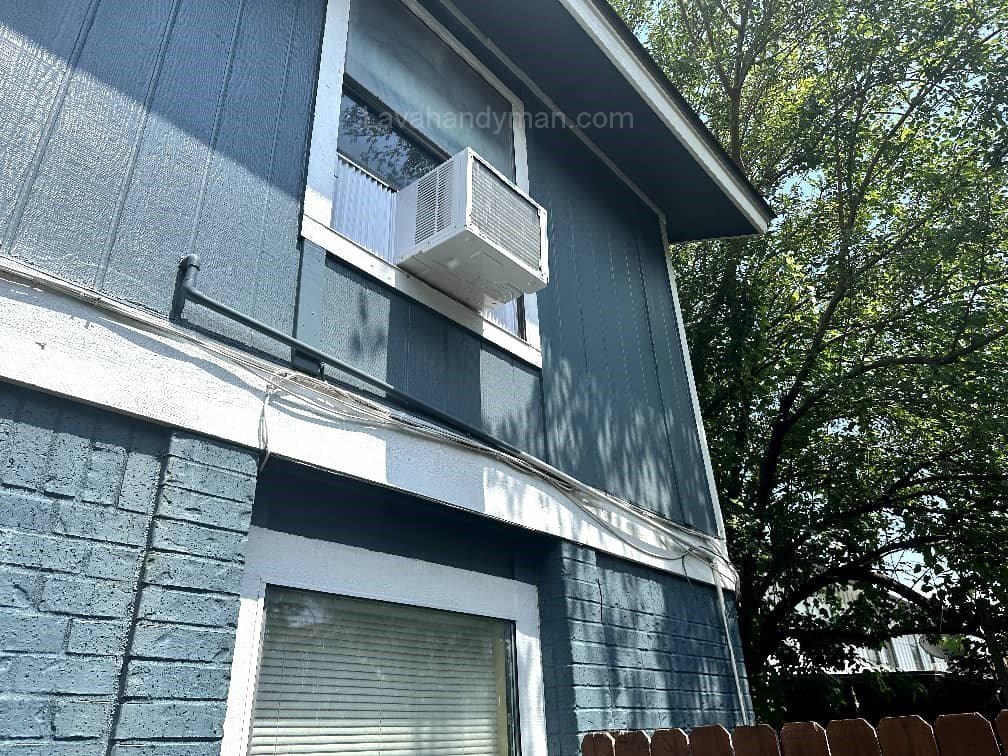
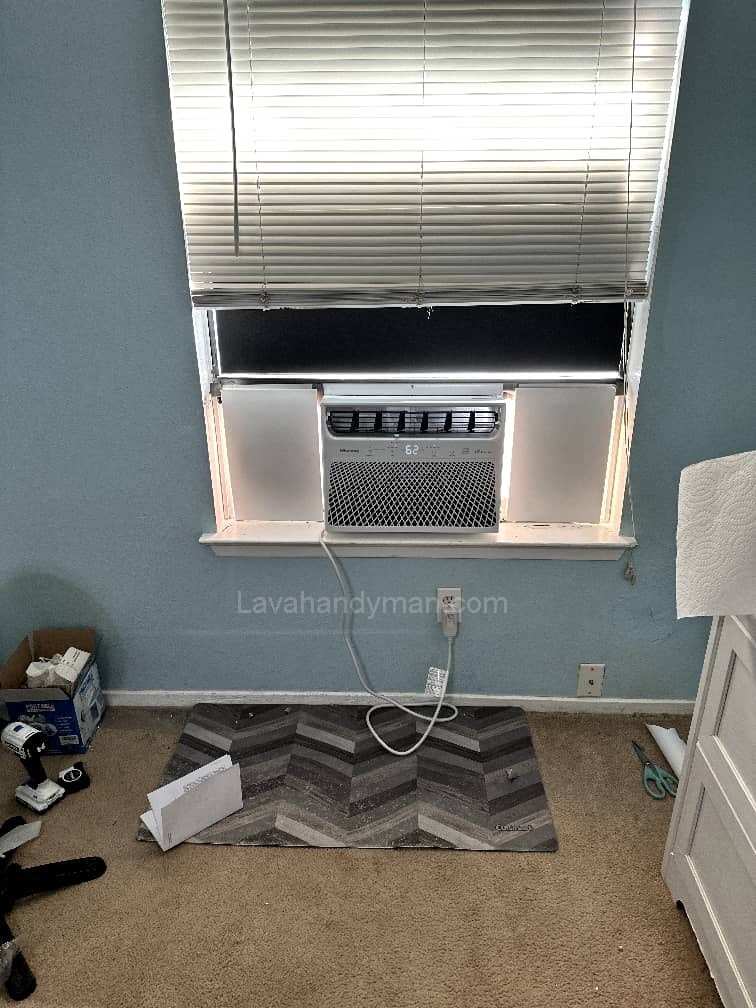
Window Ventilation Fans
Window-mounted fans can provide temporary or supplemental ventilation in certain situations.
However, they are different from permanently ducted exhaust systems and may not provide the same level of moisture control as a properly installed bathroom exhaust fan.
Choosing the Best Location for a Fan
The location of the fan can significantly affect ventilation performance.
For a bathroom, the fan should be positioned so that it can effectively remove moisture from the room.
Fan Installation from A to Z
The exact position depends on:
- Shower and bathtub location
- Room layout
- Ceiling structure
- Existing ductwork
- Exterior wall access
- Electrical requirements
- Maintenance access
Installing a fan in the easiest available location is not always the best solution.
A professional installer should consider the complete room layout before deciding where the fan should be installed.
Planning the Exhaust Duct
The ventilation duct is one of the most important components of an exhaust fan system.
The fan needs an effective path through which air can leave the building.
Fan Installation from A to Z
An inefficient duct route can reduce airflow and increase noise.
Whenever practical, the duct route should be:
- As direct as possible
- Appropriately sized
- Properly supported
- Free from unnecessary restrictions
- Designed according to manufacturer requirements
Long duct runs and excessive bends can increase airflow resistance.
For this reason, the shortest practical route to the exterior is often preferable.
Fan Installation from A to Z
Why Bathroom Exhaust Fans Should Vent Outdoors
One of the most important principles of bathroom fan installation is that humid air should be exhausted to the exterior.
A bathroom exhaust fan should not simply discharge moist air into an attic, crawlspace, wall cavity, or another enclosed area.
Doing so can move the moisture problem from the bathroom into another part of the building.
Persistent moisture in enclosed spaces can contribute to condensation, mold growth, deterioration of insulation, and damage to building materials.
Proper exterior ventilation is therefore an essential part of professional exhaust fan installation.
Fan Installation from A to Z
Selecting the Correct Duct Size
The duct should be compatible with the fan and installed according to the manufacturer’s requirements.
Using a duct that is too small can restrict airflow.
The installer should consider:
- Fan outlet diameter
- Duct diameter
- Total duct length
- Number of bends
- Duct material
- Exterior termination
- Insulation requirements
The goal is to create a ventilation path that allows the fan to move air efficiently.
A high-capacity fan connected to a restrictive duct system may not deliver the expected real-world performance.
Fan Installation from A to Z
Avoiding Excessive Duct Bends
Every bend and restriction in a ventilation system can increase resistance.
A duct with multiple sharp turns may perform less effectively than a shorter and more direct route.
Flexible ductwork should not be crushed, sharply folded, or unnecessarily compressed.
Where flexible duct is used, it should be installed and supported according to the manufacturer’s recommendations.
Fan Installation from A to Z
Managing Condensation in Exhaust Ducts
Condensation can become a problem when warm, humid air passes through cold sections of ductwork.
This is particularly relevant when exhaust ducts travel through unconditioned spaces.
Depending on the building and climate, appropriate duct insulation and careful routing may help reduce condensation.
A professional installer should consider the temperature difference between the exhaust air and the environment surrounding the duct.
Ignoring condensation during installation can create moisture problems even when the fan itself is working correctly.
Fan Installation from A to Z
Electrical Safety During Fan Installation
Electrical safety is an essential part of any professional exhaust fan installation.
Bathroom and other damp-area installations can involve specific electrical requirements.
Electrical connections should follow:
- Manufacturer instructions
- Local electrical regulations
- Applicable building requirements
- Appropriate grounding and circuit protection requirements
If new wiring, circuit modifications, or other electrical work are required, the work should be performed by a qualified professional where required by local regulations.
Fan Installation from A to Z
Incorrect electrical installation can create serious shock and fire hazards.
For this reason, homeowners should not treat complex electrical work as a simple DIY project.
Exterior Vent Termination
The outside end of the exhaust system is just as important as the fan inside the room.
The exterior vent should allow exhaust air to leave efficiently while helping prevent rain, insects, and unwanted outdoor elements from entering the building.
The exterior opening should also be properly sealed.
Fan Installation from A to Z
Poor sealing around a roof or wall penetration can allow water into the building envelope and potentially cause expensive damage.
Professional home fan installation should therefore include proper exterior weatherproofing.
How to Improve Bathroom Ventilation
A bathroom exhaust fan works best when it is used correctly.
Fan Installation from A to Z
For example, operating the fan while showering and for an appropriate period afterward can help remove humid air.
Other moisture-control measures can include:
- Repairing plumbing leaks
- Improving room ventilation
- Keeping exhaust ducts clear
- Cleaning the fan regularly
- Using humidity-sensing controls
- Keeping bathroom surfaces dry where practical
If excessive humidity continues despite proper fan operation, the ventilation system should be inspected rather than simply running the fan for longer periods.
Fan Installation from A to Z
Common Home Fan Installation Mistakes
Even a good exhaust fan can perform poorly if it is installed incorrectly.
Venting Into an Attic
One of the most common mistakes is directing bathroom exhaust into an attic.
This does not remove moisture from the building. Instead, it can introduce humid air into the attic.
The exhaust should be routed to the exterior.
Choosing the Wrong Fan Size
A fan that is too small may not provide adequate ventilation.
Fan Installation from A to Z
A fan that is unnecessarily large may create additional noise and energy use.
The appropriate capacity should be determined according to the room and ventilation system.
Using an Undersized Duct
An undersized duct can restrict airflow and reduce fan performance.
The duct should be compatible with the fan and installed according to manufacturer specifications.
Installing Too Many Duct Bends
Fan Installation from A to Z
Excessive bends can increase resistance and reduce airflow.
A simpler duct route is generally preferable when the building layout allows it.
Ignoring Condensation
Cold ductwork can lead to condensation when carrying warm, humid air.
Duct insulation and appropriate routing may be necessary depending on the installation environment.
Poor Exterior Sealing
An improperly sealed exterior penetration can allow water into the building.
Weatherproofing should be treated as an essential part of the installation.
Fan Installation from A to Z
Ignoring Noise
A fan that is excessively loud may not be used consistently.
Both the fan model and installation method affect noise performance.
How to Tell If Your Exhaust Fan Is Working Properly
A fan can be running without providing effective ventilation.
Possible signs of poor performance include:
- Weak airflow
- Persistent bathroom humidity
- Condensation on surfaces
- Unpleasant odors
- Excessive noise
- Unusual vibration
- Slow moisture removal
- Repeated mold or mildew problems
Fan Installation from A to Z
If the fan motor operates but airflow is weak, the problem may be related to the duct system rather than the fan itself.
A professional inspection can identify restrictions, disconnected ducts, damaged ductwork, or inadequate exterior termination.
When Should You Replace an Existing Fan?
An old fan may need replacement if it has become noisy, inefficient, or unreliable.
Common warning signs include:
- Increasing operating noise
- Weak airflow
- Excessive vibration
- Frequent shutdowns
- Visible damage
- Persistent humidity
- Outdated controls
- Difficulty obtaining replacement parts
Fan Installation from A to Z
Before replacing only the fan, it is worth checking the existing ductwork.
Installing a new fan onto a damaged or poorly designed duct system may not solve the underlying ventilation problem.
Home Fan Installation and Indoor Air Quality
Ventilation plays an important role in indoor environmental quality.
Bathrooms and kitchens can generate moisture, odors, heat, and other airborne contaminants.
Exhaust fans can help remove these pollutants at their source.
However, a ventilation fan is not a complete solution for every indoor air quality problem.
Fan Installation from A to Z
For example, persistent dampness caused by a plumbing leak must be addressed at its source.
Similarly, combustion appliances require appropriate ventilation systems and should not rely on a standard bathroom or kitchen exhaust fan.
A comprehensive approach to indoor air quality should consider ventilation, moisture control, HVAC maintenance, leaks, and other potential sources of pollutants.
Professional vs. DIY Fan Installation
Some simple replacement projects may appear straightforward, but professional installation can be particularly important when the project involves:
- New electrical wiring
- New ductwork
- Roof penetrations
- Exterior wall penetrations
- Difficult ceiling access
- Long duct routes
- Wet-area electrical requirements
- Structural modifications
Fan Installation from A to Z
A professional can evaluate the entire system rather than focusing only on the fan itself.
This can help reduce the risk of poor airflow, electrical problems, condensation, water intrusion, and other installation issues.
How to Choose a Professional Fan Installer
If you are hiring a contractor, ask questions before the work begins.
For example:
- Do you have experience with bathroom exhaust fan installation?
- Will the exhaust be vented completely outdoors?
- How will the duct route be designed?
- What fan capacity do you recommend and why?
- How will the exterior opening be weatherproofed?
- Are electrical modifications included?
- Will the installation meet local requirements?
- How will the system be tested after installation?
- What maintenance will be required?
- What warranty is provided?
Fan Installation from A to Z
A reliable installer should be able to explain the complete ventilation solution rather than simply recommending the most powerful fan.
Home Fan Installation Cost: What Affects the Price?
The cost of home fan installation can vary significantly depending on the building and the type of project.
Important cost factors can include:
- Fan model
- Fan capacity
- Existing ductwork
- New duct installation
- Duct length
- Number of bends
- Ceiling or wall access
- Electrical work
- Roof or wall penetration
- Exterior vent installation
- Labor
- Local building requirements
Fan Installation from A to Z
Replacing an existing fan with accessible wiring and ductwork is generally a different project from installing a completely new ventilation system.
For this reason, an on-site assessment may be necessary before providing an accurate installation estimate.
Home Fan Installation Checklist
Before completing an installation, consider the following checklist:
Fan Selection
- Is the fan appropriate for the room?
- Is the airflow capacity suitable?
- Is the noise level acceptable?
- Is the fan energy efficient?
- Are automatic controls useful for this application?
Installation
Fan Installation from A to Z
- Is the fan positioned appropriately?
- Is the duct correctly sized?
- Is the duct route efficient?
- Are unnecessary bends avoided?
- Is the duct properly supported?
Exterior Ventilation
- Does the duct terminate outdoors?
- Is the exterior opening properly sealed?
- Is the termination protected from weather?
- Is there any evidence of water intrusion?
Electrical Safety
- Does the installation meet local electrical requirements?
- Is the wiring compatible with the fan?
- Are appropriate safety measures in place?
- Has electrical work been performed by a qualified professional where required?
Maintenance
- Can the fan be accessed for cleaning?
- Is the grille easy to remove?
- Can the duct and exterior termination be inspected?
- Are maintenance instructions available?
Fan Installation from A to Z
Frequently Asked Questions About Home Fan Installation
How long does home fan installation take?
Installation time depends on the complexity of the project. Replacing an existing fan with accessible ductwork may be relatively straightforward, while installing a new system can take longer if new ducts, electrical connections, wall openings, or roof penetrations are required.
Should a bathroom exhaust fan vent outside?
Yes. Bathroom exhaust should generally be directed outdoors rather than into an attic, crawlspace, wall cavity, or another enclosed area.
How powerful should a bathroom exhaust fan be?
The appropriate airflow depends on factors such as bathroom size, ventilation requirements, duct configuration, and manufacturer recommendations. The largest fan is not automatically the best choice.
Why is my bathroom still humid when the fan is running?
Possible causes include inadequate airflow, an inefficient duct route, a blocked or damaged duct, poor exterior termination, incorrect fan sizing, or insufficient ventilation for the room.
Why is my exhaust fan noisy?
Noise can come from the fan motor, vibration, loose components, duct restrictions, or poor installation. Both the product and the installation should be evaluated.
Can I install an exhaust fan myself?
Simple replacement work may appear easy, but projects involving electrical modifications, new ductwork, wet areas, roof penetrations, or structural work should be handled by appropriately qualified professionals.
How often should an exhaust fan be cleaned?
The exact schedule depends on usage and manufacturer recommendations. Regular cleaning helps prevent dust buildup from affecting airflow and performance.
Does a stronger exhaust fan always provide better ventilation?
No. Fan performance depends on the complete system, including the fan, ductwork, exterior termination, and room design. A very powerful fan connected to an inefficient duct system may not deliver the expected results.
Final Thoughts on Home Fan Installation
A successful home fan installation involves much more than mounting a fan on a wall or ceiling.
The fan, room, ductwork, exterior termination, electrical system, and operating habits all work together to determine ventilation performance.
The most important principles are:
- Choose the correct fan for the room.
- Consider airflow, noise, and energy efficiency.
- Position the fan appropriately.
- Use properly sized ductwork.
- Avoid unnecessary bends and restrictions.
- Vent bathroom moisture to the exterior.
- Consider condensation in cold or unconditioned spaces.
- Properly seal exterior penetrations.
- Follow manufacturer instructions.
- Follow local building and electrical requirements.
- Use qualified professionals for complex electrical or structural work.
- Clean and maintain the fan regularly.
- Use the fan consistently when moisture is generated.
When these factors are addressed together, an exhaust fan can provide effective ventilation, improve comfort, and help manage excess moisture inside the home.
If you are planning a new installation or replacing an old bathroom exhaust fan, evaluating the entire ventilation system is more important than choosing a fan based solely on price or power. A properly selected fan, efficient ductwork, safe electrical installation, and correctly designed exterior termination are the foundation of effective home ventilation.
📞 Need Help?
Let us take care of the hard work while you sit back and relax.
📍 Serving: Austin, Round Rock, Cedar Park & more
📱 Call or Text: (737) 420-6992
🌐 Visit: https://lavahandyman.com