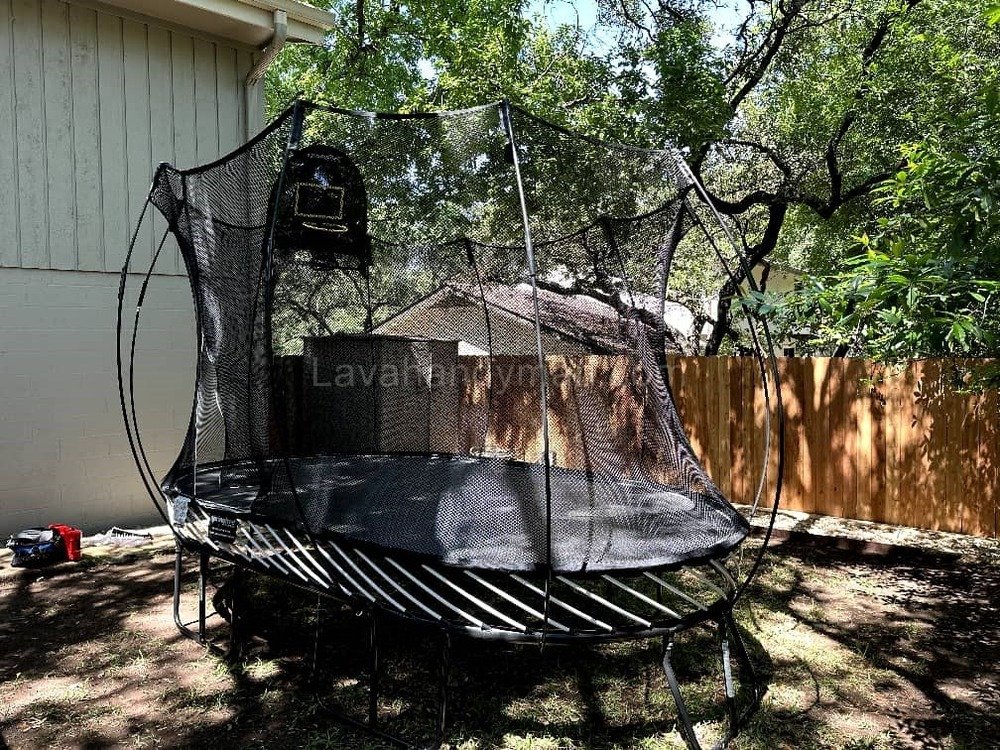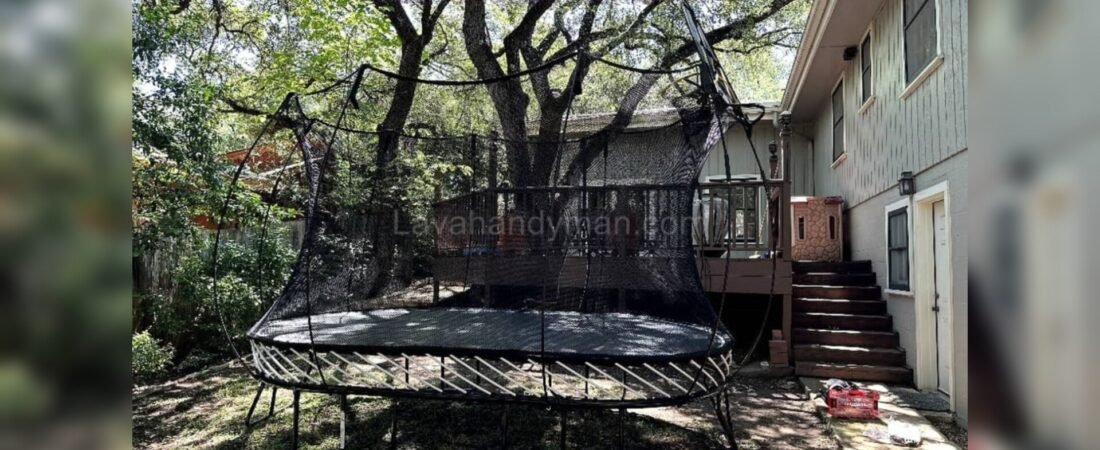
A Complete Guide to Installing a Trampoline in Your Backyard: From Choosing the Right Location to Safety Tips
Installing a trampoline in your backyard can turn an ordinary outdoor space into an enjoyable area for recreation and family activities. However, setting up a trampoline involves more than simply assembling the frame and placing it in the yard. Choosing the right location, preparing the ground, allowing enough clearance, securing the trampoline, and following proper safety practices are all important parts of a successful backyard trampoline installation.
Whether you have already purchased a trampoline or are planning to buy one, understanding the installation process can help you prepare your backyard properly and avoid common mistakes.
In this complete guide, we will explain how to install a trampoline in your backyard, how to choose the right location, how to prepare the ground, what safety precautions to follow, and how to maintain your trampoline for long-term outdoor use.
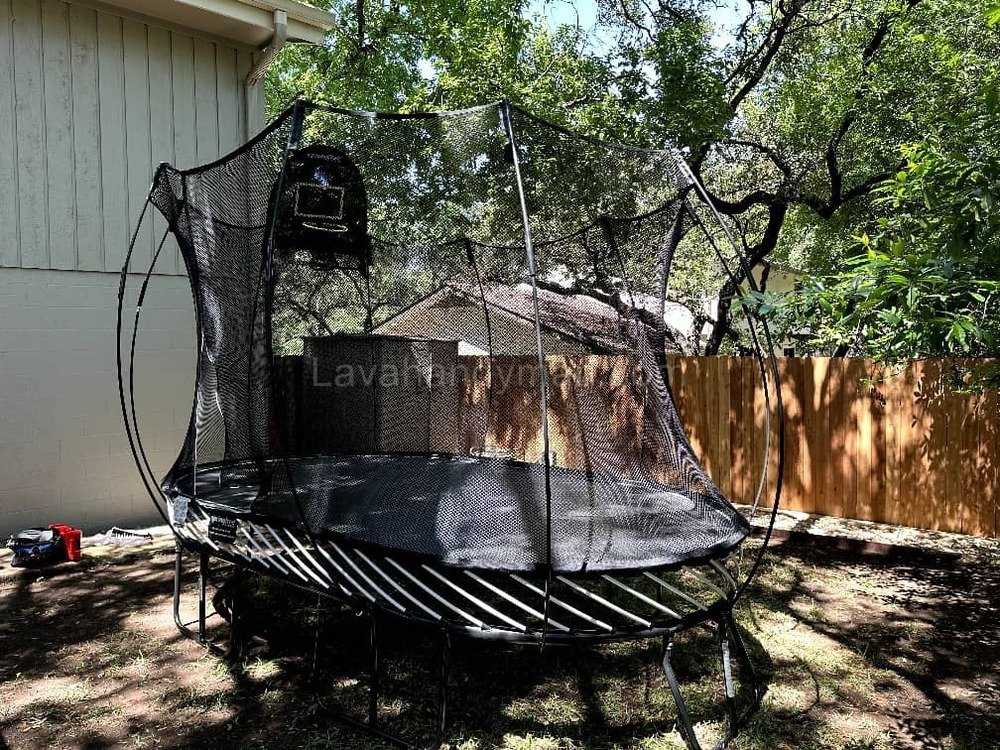
Installing a Trampoline in Your Backyard
Why Proper Backyard Trampoline Installation Is Important
A trampoline is designed to handle repeated jumping and movement, so it needs to be installed on a suitable and stable surface. An uneven or unstable installation area can affect the position of the frame and reduce the overall stability of the equipment.
Proper installation also ensures that important components such as the jumping mat, springs, frame, protective padding, and safety enclosure are positioned correctly.
Even a high-quality trampoline may become unsafe if it is incorrectly assembled or installed too close to obstacles.
Before starting the installation, always read the instructions provided by the manufacturer. Different trampoline models can have different requirements for ground conditions, clearance, anchoring, assembly, and maintenance.
Installing a Trampoline in Your Backyard
How to Choose the Best Location for a Backyard Trampoline
Choosing the right location is one of the most important steps when installing a trampoline in your backyard.
The ideal location should provide enough space around the trampoline, a relatively level surface, good drainage, and sufficient clearance above the jumping area.
1. Choose a Level and Stable Surface
The ground beneath the trampoline should be as level and stable as possible.
Avoid areas with steep slopes, large holes, loose soil, or significant changes in elevation. An uneven surface can affect how the trampoline frame sits on the ground and may cause instability.
Installing a Trampoline in Your Backyard
If your backyard does not have a suitable level area, prepare the ground before installing the trampoline. Depending on the condition of the yard, this may involve leveling the soil or improving drainage.
Never try to compensate for uneven ground by placing random objects underneath the trampoline legs.
2. Keep the Trampoline Away From Obstacles
A trampoline needs adequate open space around it.
Before installation, make sure the selected location is away from:
- Walls
- Fences
- Trees
- Garden sheds
- Outdoor furniture
- Swimming pools
- Play equipment
- Garden tools
- Other structures
Installing a Trampoline in Your Backyard
The exact clearance requirements depend on the trampoline model, so always follow the manufacturer’s recommendations.
Keeping the surrounding area clear can help reduce the risk of collisions with nearby objects.
3. Check the Area Above the Trampoline
When choosing a location, do not only look at the ground. Check the space above the trampoline as well.
Tree branches, roof overhangs, balconies, cables, and other overhead structures can interfere with the jumping area.
Choose a location with adequate vertical clearance and avoid placing the trampoline directly underneath low branches or other overhead obstacles.
4. Consider Sunlight and Weather Conditions
A backyard trampoline is exposed to outdoor conditions throughout the year. Sunlight, rain, wind, and temperature changes can gradually affect materials such as the jumping mat, safety net, padding, and frame.
Installing a Trampoline in Your Backyard
If possible, select a location that provides a reasonable balance between sunlight and shade.
However, placing the trampoline directly underneath large trees is not always a good solution because falling branches, leaves, and other debris can create additional hazards.
5. Avoid Areas With Poor Drainage
Water accumulation can affect the ground beneath a trampoline and may contribute to muddy or unstable conditions.
Avoid locations where rainwater regularly collects.
Good drainage helps keep the ground more stable and can make the area easier to maintain.
Installing a Trampoline in Your Backyard
How Much Space Do You Need for a Backyard Trampoline?
One of the most common questions about backyard trampoline installation is how much space is required.
The answer depends on the size and design of the trampoline. However, you should never measure only the trampoline itself.
You also need to consider the manufacturer’s recommended clearance around the trampoline.
Before purchasing a trampoline, measure your available backyard space carefully. Make sure there is enough room for the entire structure and the required safety area.
For example, if you are considering a large round trampoline, check both the diameter of the trampoline and the surrounding clearance before deciding where to install it.
Taking accurate measurements before installation can prevent problems later.
Installing a Trampoline in Your Backyard
Preparing Your Backyard for Trampoline Installation
Once you have selected a suitable location, the next step is preparing the installation area.
Remove rocks, branches, toys, gardening tools, sharp objects, and other debris from the ground.
Check the area for:
- Holes
- Large roots
- Uneven ground
- Standing water
- Loose soil
- Sharp objects
- Potential obstacles
The goal is to create a clean, stable, and level installation area.
Installing a Trampoline in Your Backyard
If the ground requires significant preparation, complete this work before assembling the trampoline.
What Is the Best Surface for a Trampoline?
The best surface depends on the trampoline model and the manufacturer’s installation requirements.
Grass is a common choice for backyard trampolines because it provides a natural outdoor setting and is relatively easy to prepare. However, grass can become muddy or uneven after heavy rainfall.
Hard surfaces such as concrete may provide a stable foundation, but they can require additional safety considerations.
Installing a Trampoline in Your Backyard
For this reason, you should always check the manufacturer’s instructions before installing a trampoline on concrete or another hard surface.
The most important considerations are stability, level ground, drainage, clearance, and compatibility with the trampoline design.
Step-by-Step Guide to Installing a Trampoline
Once the backyard is prepared, you can begin assembling the trampoline.
Although installation methods vary between models, the following steps provide a general trampoline installation guide.
Step 1: Read the Installation Instructions
Installing a Trampoline in Your Backyard
Before opening the hardware or connecting the frame, read the manufacturer’s instructions completely.
Pay particular attention to:
- Assembly instructions
- Weight limits
- Age recommendations
- Clearance requirements
- Anchoring instructions
- Weather recommendations
- Maintenance requirements
Do not assume that every trampoline uses the same installation method.
Step 2: Organize the Components
Lay all components out in an open area and identify each part before assembly.
Installing a Trampoline in Your Backyard
Typical trampoline components may include:
- Frame sections
- Support legs
- Jumping mat
- Springs
- Protective padding
- Safety net
- Enclosure poles
- Hardware
- Anchoring equipment
Check that all components are present and free from visible damage.
If you discover a missing, bent, cracked, or damaged component, contact the manufacturer or retailer before continuing.
Step 3: Assemble the Trampoline Frame
The first major stage of assembly is usually connecting the frame sections.
Installing a Trampoline in Your Backyard
Follow the manufacturer’s instructions carefully and make sure each connection is properly aligned.
Do not force components together if they do not fit. An incorrect connection can affect the stability of the entire trampoline.
Step 4: Attach the Support Legs
Once the main frame is assembled, attach the support legs according to the instructions.
Check each connection carefully and make sure the trampoline sits evenly on the ground.
If the trampoline appears noticeably tilted, stop and inspect the installation area before continuing.
Step 5: Attach the Jumping Mat and Springs
Installing a Trampoline in Your Backyard
Installing the jumping mat and springs can be one of the more challenging parts of trampoline assembly because the springs are under tension.
Follow the recommended spring-installation sequence provided by the manufacturer.
Springs should generally be distributed evenly around the frame rather than installed randomly.
Use the appropriate tools and never improvise with damaged or unsuitable hardware.
Step 6: Install the Protective Padding
Protective padding is designed to cover the frame and springs.
Installing a Trampoline in Your Backyard
Position the padding according to the manufacturer’s instructions and secure it properly.
After installation, check that the padding does not move excessively.
Because padding is exposed to outdoor conditions, inspect it regularly for signs of wear.
Step 7: Install the Safety Enclosure
If your trampoline includes a safety enclosure, install the poles and net carefully.
Make sure the enclosure is properly connected and that there are no obvious gaps or loose sections.
The enclosure is an important safety feature, but it should not be considered a substitute for responsible use and appropriate supervision.
Installing a Trampoline in Your Backyard
Step 8: Secure the Trampoline to the Ground
Proper anchoring is particularly important in areas that experience strong winds.
A trampoline can be affected by strong wind because its large surface area can act like a sail.
Use the anchoring equipment recommended by the manufacturer and install it according to the instructions.
Do not assume that the weight of the trampoline alone will prevent it from moving during severe weather.
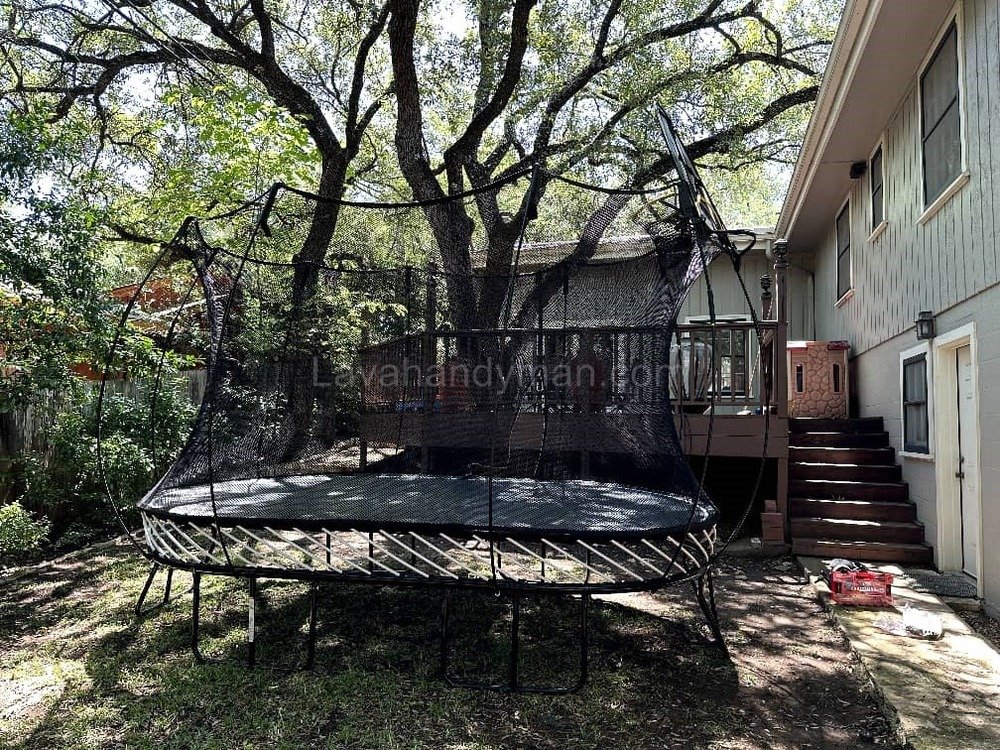
Installing a Trampoline in Your Backyard
Essential Trampoline Safety Tips
Correct installation is only the beginning. Safe trampoline use also requires clear rules and regular inspections.
Follow the Manufacturer’s Safety Guidelines
Every trampoline has specific recommendations regarding:
- Maximum user weight
- Age range
- Number of users
- Installation
- Maintenance
- Weather conditions
Installing a Trampoline in Your Backyard
Always follow the instructions provided for your particular model.
Avoid Overcrowding the Trampoline
Allow only the recommended number of users on the trampoline at one time.
Multiple users can increase the likelihood of collisions and loss of control.
Children should also be taught basic rules before using the trampoline.
Keep Objects Off the Jumping Surface
Remove shoes, toys, balls, and other unnecessary objects before use.
Foreign objects can interfere with jumping and may damage the mat.
Installing a Trampoline in Your Backyard
Do Not Climb on the Safety Net
The safety enclosure is designed to provide a barrier around the jumping area. It should not be used as climbing equipment.
Make sure children understand that the enclosure net and support poles are not designed for climbing or hanging.
Supervise Children
Adult supervision can be particularly important when younger children are using a trampoline.
A safety enclosure does not eliminate the need for supervision.
Adults should ensure that children follow the manufacturer’s instructions and the household’s trampoline safety rules.
Installing a Trampoline in Your Backyard
Inspect Your Trampoline Before Use
Regular inspections are an important part of trampoline maintenance.
Before use, check for visible signs of damage such as:
- Torn jumping mat
- Broken or damaged springs
- Loose hardware
- Damaged frame sections
- Worn protective padding
- Holes in the safety net
- Damaged enclosure poles
- Loose or damaged anchors
- Corrosion
If an important structural or safety component is damaged, discontinue use until the problem has been properly addressed.
Installing a Trampoline in Your Backyard
How to Maintain a Backyard Trampoline
Regular maintenance can help extend the life of your trampoline.
Clean leaves, branches, dirt, and other debris from the trampoline regularly.
Inspect the frame and hardware for signs of corrosion or looseness.
Check the jumping mat and safety net for tears or deterioration.
Outdoor materials can gradually become weaker due to sunlight, moisture, and temperature changes. Replace worn or damaged components according to the manufacturer’s recommendations.
Installing a Trampoline in Your Backyard
Protecting a Trampoline From Weather
Weather conditions can have a significant effect on outdoor trampoline equipment.
Wind
Strong winds can potentially move or overturn a trampoline.
Make sure the trampoline is properly anchored and follow the manufacturer’s recommendations for severe weather.
Rain
Avoid using a trampoline when the jumping surface is wet because it can become slippery.
Allow the surface to dry before use and check the ground around the trampoline after heavy rainfall.
Snow and Ice
Installing a Trampoline in Your Backyard
If you live in an area with snow or freezing temperatures, check the manufacturer’s winter-storage recommendations.
Do not allow excessive snow or ice to accumulate if the manufacturer recommends removing it.
Sunlight
Long-term exposure to ultraviolet radiation can contribute to deterioration of outdoor materials.
Regularly inspect the mat, safety net, and padding for fading, cracking, brittleness, or other signs of wear.
Common Backyard Trampoline Installation Mistakes
Avoiding common mistakes can make your trampoline installation safer and easier.
Installing a Trampoline in Your Backyard
Installing the Trampoline Too Close to a Fence
A fence may seem like a convenient boundary, but the trampoline should still have the clearance recommended by the manufacturer.
Ignoring Uneven Ground
Do not install a trampoline on significantly uneven ground.
Prepare the installation area first instead of trying to level the trampoline with improvised materials.
Skipping Anchoring
Anchoring can be particularly important in areas with strong winds.
Use the correct anchoring system for your trampoline model.
Installing a Trampoline in Your Backyard
Improvising During Assembly
Never modify structural components or substitute random hardware simply because a part does not fit.
If something seems incorrect, review the instructions or contact the manufacturer.
Ignoring Small Signs of Damage
A damaged spring, torn mat, loose connection, or deteriorated safety net should not be ignored.
Regular inspections can help identify problems before they become more serious.
When Should You Replace Trampoline Parts?
You do not necessarily need to replace the entire trampoline when an individual component becomes worn or damaged.
Installing a Trampoline in Your Backyard
Depending on the model, manufacturers may offer replacement parts such as:
- Springs
- Jumping mats
- Safety nets
- Protective padding
- Enclosure poles
- Hardware
Always choose replacement parts that are compatible with your specific trampoline.
If the main frame has serious structural damage, cracks, significant corrosion, or deformation, stop using the trampoline and contact the manufacturer for guidance.
How to Make the Area Around Your Trampoline Safer
Installing a Trampoline in Your Backyard
The trampoline itself is not the only part of the installation that matters.
Keep the surrounding area free from:
- Garden equipment
- Bicycles
- Outdoor furniture
- Toys
- Tools
- Sharp objects
- Other play equipment
You can also establish a dedicated area around the trampoline so that other backyard activities do not interfere with trampoline use.
Good visibility can also be helpful when supervising children.
How to Choose the Right Backyard Trampoline
Choosing the right trampoline before installation can make the entire process easier.
Installing a Trampoline in Your Backyard
Consider the following factors:
Available Backyard Space
Measure the available area before purchasing the trampoline.
Trampoline Size
Choose a size that fits comfortably within the available space while maintaining the manufacturer’s recommended clearance.
Weight Capacity
Check the maximum recommended user weight and follow the manufacturer’s guidelines.
Safety Enclosure
Consider the design and construction of the included safety enclosure.
Frame and Material Quality
Look for durable materials suitable for outdoor use.
Replacement Parts
Check whether replacement mats, springs, nets, and padding are available for the model.
Local Weather Conditions
If your area experiences strong winds, heavy rain, snow, or intense sunlight, consider how these conditions may affect the trampoline and its maintenance requirements.
Installing a Trampoline in Your Backyard
DIY Trampoline Installation vs. Professional Installation
Many trampolines are designed for homeowner assembly.
If you are comfortable following detailed instructions and have the required tools and assistance, you may be able to complete the installation yourself.
However, professional installation may be useful when:
- The trampoline is particularly large.
- The backyard requires extensive ground preparation.
- The installation area is difficult to level.
- You are unsure how to anchor the trampoline.
- The manufacturer’s instructions require specialized installation.
Whether you choose DIY or professional installation, the finished trampoline should meet the manufacturer’s installation and safety requirements.
Frequently Asked Questions About Installing a Trampoline in Your Backyard
Can you install a trampoline directly on grass?
In many cases, a trampoline can be installed on grass if the ground is level, stable, and suitable for the specific model. Always follow the manufacturer’s installation requirements.
How much clearance does a trampoline need?
Clearance requirements vary by model. Check the manufacturer’s instructions for the exact recommended distance from fences, buildings, trees, and other obstacles.
Does a backyard trampoline need to be anchored?
Anchoring is especially important in areas that experience strong winds. Use the anchoring system recommended by the manufacturer.
Can you install a trampoline on concrete?
This depends on the specific trampoline. Some models may allow installation on certain hard surfaces, while others may have different requirements. Always check the manufacturer’s instructions before installation.
How often should a trampoline be inspected?
A trampoline should be inspected regularly and checked before use, particularly after severe weather. Heavily used trampolines may require more frequent inspections.
Can a trampoline stay outside all year?
Some trampolines are designed for year-round outdoor use, while others may require seasonal protection or storage. Follow the manufacturer’s recommendations for your specific model and local climate.
How do you prepare the ground for a trampoline?
Remove rocks, branches, debris, and other hazards. Make sure the surface is stable and as level as possible, and address drainage problems before installation.
Final Thoughts on Installing a Trampoline in Your Backyard
Installing a trampoline in your backyard can be a great way to make better use of your outdoor space. However, the quality of the installation is just as important as the quality of the trampoline itself.
Start by choosing a suitable location with enough clearance, a stable surface, good drainage, and adequate overhead space. Prepare the ground carefully and assemble every component according to the manufacturer’s instructions.
Once the trampoline is installed, regular inspections and maintenance are essential. Check the jumping mat, springs, frame, padding, safety net, and anchoring system regularly. Pay particular attention to the effects of weather, especially strong wind, heavy rain, snow, and prolonged sunlight.
Most importantly, establish clear safety rules and make sure users understand how to use the trampoline responsibly.
By combining careful planning, proper backyard trampoline installation, regular maintenance, and appropriate safety practices, you can create a more enjoyable and reliable outdoor recreational area for your home.
📞 Need Help?
Let us take care of the hard work while you sit back and relax.
📍 Serving: Austin, Round Rock, Cedar Park & more
📱 Call or Text: (737) 420-6992
🌐 Visit: https://lavahandyman.com