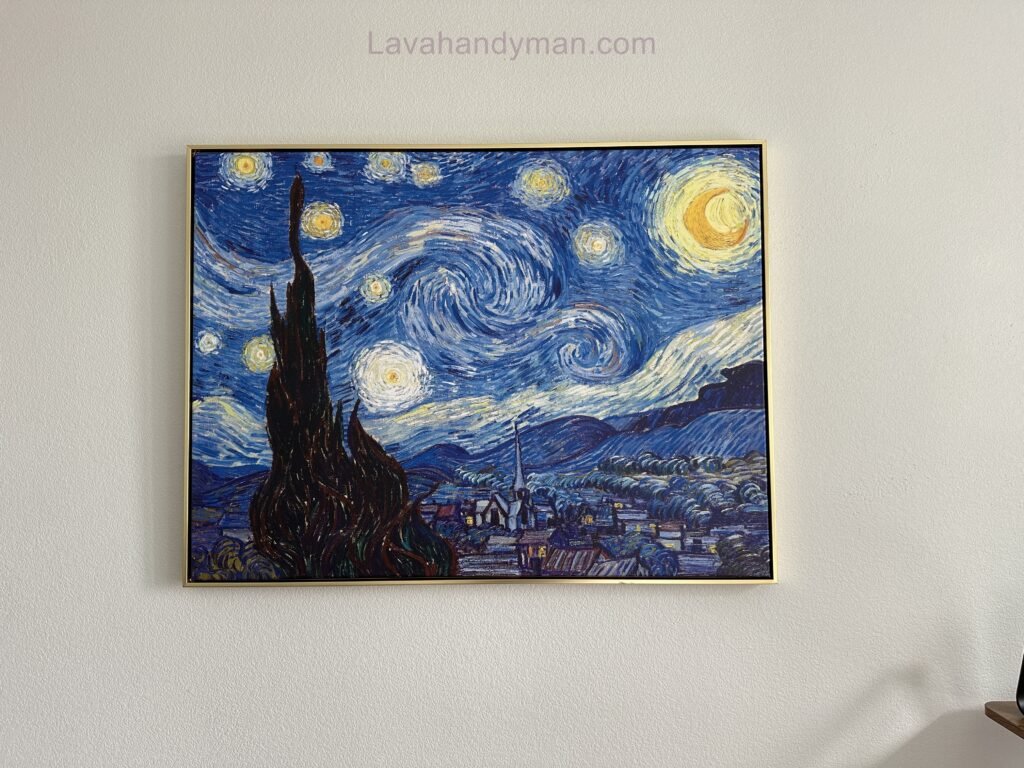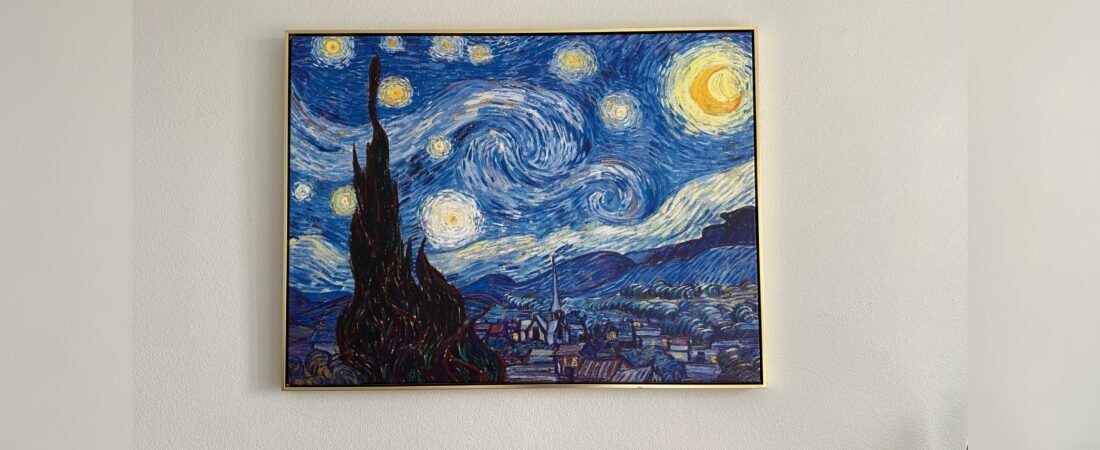
Professional Wall Art Installation: Important Tips for Choosing the Right Location, Height, and Installation Method
Installing a painting on a wall is one of the most important steps in properly displaying an artwork in an interior space. No matter how beautiful or high-quality a painting is, installing it at the wrong location, height, or with unsuitable hardware can prevent it from achieving its full visual impact. Improper installation can also cause damage to the painting, frame, or wall.
Professional painting installation requires careful consideration of several factors, including the size and weight of the artwork, wall type, installation height, distance from furniture, lighting conditions, frame design, and mounting hardware. For this reason, installing a painting is much more than simply drilling a hole in the wall and hanging the artwork.
In this guide, we will cover everything you need to know about how to install a painting on a wall, from choosing the ideal location and height to selecting the right tools, mounting methods, alignment, safety, and artwork preservation.
Professional Wall Art Installation
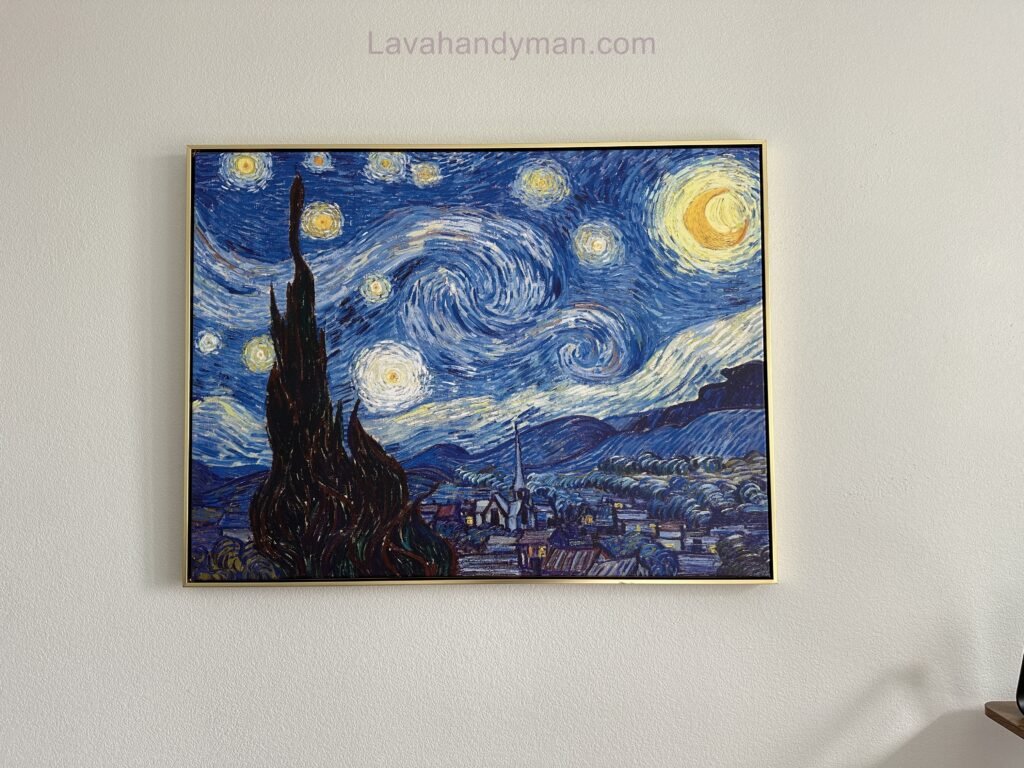
Why Is Professional Painting Installation Important?
Paintings and artworks are often important elements of interior design. Their placement and installation can have a significant impact on the appearance of a living room, office, hallway, gallery, or other interior space.
If a painting is installed too high or too low, does not complement the surrounding furniture, or is slightly tilted, even a valuable artwork may not look its best.
Professional Wall Art Installation
Safety is another important consideration. The weight of the frame, glass, and artwork itself should all be taken into account when choosing the appropriate mounting hardware. Large and heavy paintings require a suitable hanging system and secure mounting points.
Professional installation therefore has three main goals:
- Creating an attractive arrangement that complements the interior
- Keeping the artwork and people in the space safe
- Preventing damage to the wall, frame, and artwork
Choosing the Best Location for a Painting
The first step in installing a painting is choosing the right location. Before drilling into the wall, determine exactly where the artwork will be placed and how it will relate to the other elements of the interior.
Matching the Painting Size to the Wall
The size of the painting should be proportional to the wall where it will be installed. A very small painting on a large wall may appear visually lost, while an oversized artwork on a small wall can make the space feel crowded.
If the painting is going above a sofa, console table, desk, or bed, its dimensions should also complement the furniture underneath it.
Professional Wall Art Installation
When choosing the installation location, it is important to consider not only the artwork itself but also the negative space surrounding it. Empty space is an essential part of the overall visual composition.
Considering Furniture and Interior Elements
If a painting is being installed above a sofa or console table, it should not be positioned so high that the visual connection between the artwork and the furniture is lost.
At the same time, the painting should not be installed so low that it interferes with everyday use of the furniture or creates a risk of people bumping into it.
For this reason, the exact position should be carefully measured before the final installation.
Professional Wall Art Installation
Choosing a Suitable Location for Light and Environmental Conditions
The location of a painting should also be evaluated in terms of lighting, temperature, and humidity. Prolonged exposure to direct sunlight can damage certain paints and materials used in artwork.
It is also preferable to avoid installing paintings directly next to heat sources such as radiators, heaters, or fireplaces. Excessive humidity can also be unsuitable for certain artworks and frames.
When choosing a location, consider the following:
- Direct sunlight
- Proximity to radiators and heating appliances
- Excessive humidity
- Possible exposure to water
- High-traffic areas
- Risk of accidental impact
Professional Wall Art Installation
What Is the Best Height for Hanging a Painting?
Painting installation height is one of the most important factors affecting the final appearance of an artwork. Installing a painting too high can make it feel disconnected from the interior arrangement, while installing it too low can interfere with furniture or movement around the room.
Rather than using one fixed height for every painting, the installation height should be determined according to several factors:
- Painting size
- Ceiling height
- Type of space
- Furniture height
- Painting location
- Viewing angle
In galleries, artwork height is often determined based on the visual center of the piece and the conditions of the exhibition space. In homes and offices, however, the relationship between the artwork and surrounding furniture is particularly important.
Professional Wall Art Installation
The Right Height for Hanging a Painting Above a Sofa
The wall behind a sofa is one of the most common places to display artwork. In this situation, the painting should be positioned close enough to the sofa to appear visually connected to it.
If the painting is installed too high, the empty space between the sofa and artwork can become excessive, making the overall arrangement look unbalanced.
The width and size of the painting should also be proportionate to the sofa beneath it.
Hanging a Painting on an Empty Wall
An empty wall provides greater flexibility when choosing the installation height. In this situation, the painting can be positioned according to the center of the wall, ceiling height, and typical viewing angle.
In spaces used by people of different heights, it is preferable to choose a height that allows the artwork to be comfortably viewed by most people.
Professional Wall Art Installation
How to Determine the Exact Position Before Drilling
One of the most common mistakes when installing a painting on a wall is marking the position of screws or hooks without accurate measurements.
If the mounting position is incorrect, additional holes may have to be drilled into the wall. To avoid this problem, follow these steps before drilling:
- Measure the width and height of the wall.
- Measure the exact dimensions of the painting.
- Determine the desired position of the artwork.
- Check the distance between the painting and surrounding furniture.
- Measure the mounting points on the back of the frame.
- Mark the screw or hook positions on the wall.
- Use a level to check the final position.
- Proceed with the installation.
Professional Wall Art Installation
For multiple paintings, you can create paper or cardboard templates based on the dimensions of each artwork and temporarily place them on the wall. This allows you to evaluate the overall arrangement before making any holes.
Choosing the Right Tools for Painting Installation
Choosing suitable mounting hardware is one of the most important parts of professional painting installation. Screws, wall anchors, hooks, and hanging systems should be selected according to the weight of the artwork and the type of wall.
Professional Wall Art Installation
A simple hook may be sufficient for a small, lightweight painting, while a large and heavy framed artwork requires a more appropriate mounting system.
Depending on the installation conditions, the required tools may include:
- Measuring tape
- Spirit level
- Pencil for marking
- Drill
- Drill bit suitable for the wall material
- Appropriate screws and wall anchors
- Painting hooks or hanging systems
- Mounting brackets
- Picture-hanging wire or cable
The mounting hardware should not be selected based solely on appearance or price. The weight of the artwork and the type of wall are the two most important factors when choosing a mounting system.
Professional Wall Art Installation
How Wall Type Affects Painting Installation
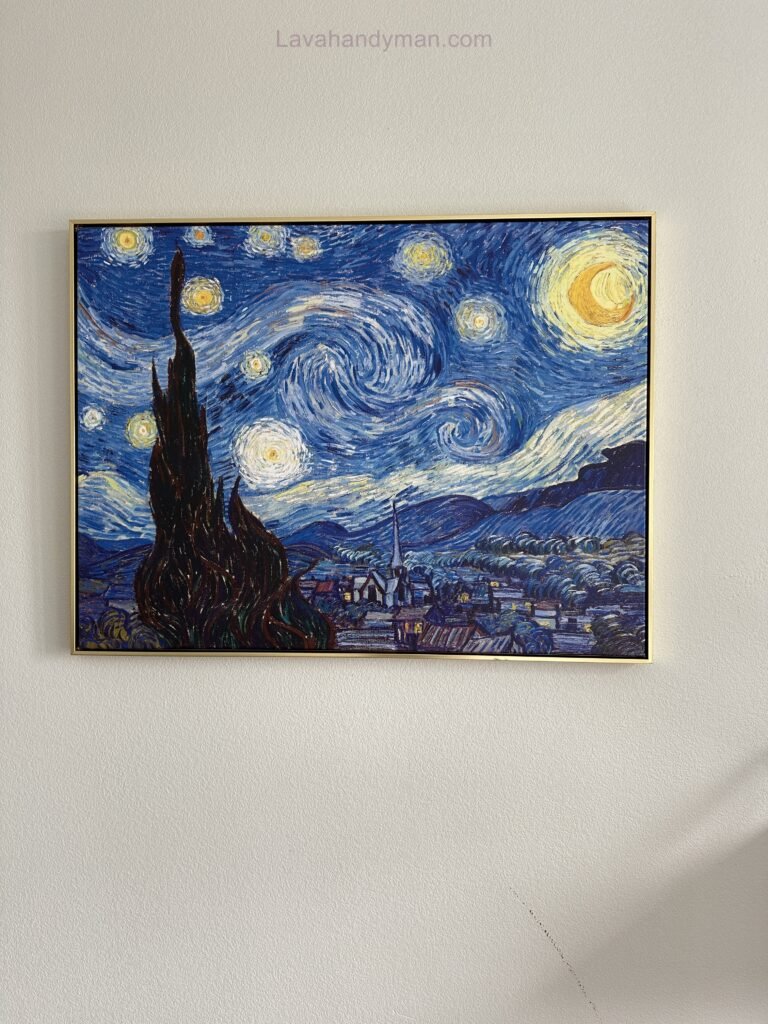
One of the factors that must be considered during professional installation is the wall material. Concrete, brick, plaster, and drywall do not have the same installation requirements.
Professional Wall Art Installation
For example, a mounting method that works well on a concrete wall may not be suitable for drywall.
Before installation, determine:
- What material is the wall made of?
- What structure is behind the wall surface?
- What is the total weight of the painting and frame?
- What type of hanging system is installed on the back?
- Can the mounting point safely support the artwork?
For large or heavy paintings, understanding the wall structure and selecting appropriate mounting points becomes even more important.
Professional Wall Art Installation
One-Point or Two-Point Hanging Systems?
The hanging system should be selected according to the size, weight, and structure of the frame.
Small and lightweight paintings may be installed using a single mounting point. However, two mounting points can provide better stability for many framed artworks and help prevent unwanted movement or rotation.
Some systems use picture-hanging wire or cable connected to two points on the back of the frame and supported by two wall-mounted points.
For large, heavy, or valuable artworks, it is recommended to have the hanging system evaluated by a professional.
Leveling the Painting After Installation
Professional Wall Art Installation
Even if every other part of the installation has been completed correctly, a slightly tilted painting can negatively affect the overall appearance of the interior.
After placing the artwork on its mounting system, use a spirit level to check whether it is properly aligned.
When installing several paintings together, you should also check that:
- The distance between the artworks is consistent.
- Their top or bottom edges are properly aligned.
- The center of the overall arrangement is balanced.
- The composition is aligned with the wall and surrounding furniture.
Professional Wall Art Installation
How to Install Multiple Paintings Together
When several paintings are going on the same wall, it is best to consider them as one overall composition.
One practical method is to create paper templates for each painting and place them on the wall before drilling. This allows you to evaluate the spacing and overall arrangement.
This technique is particularly useful for creating a gallery wall and can reduce the risk of making unnecessary holes in the wall.
When arranging multiple paintings, consider:
- Distance between artworks
- Size of each painting
- Frame colors and styles
- Center of the overall arrangement
- Overall height
- Relationship with surrounding furniture
Professional Wall Art Installation
Proper Lighting for Paintings
Appropriate lighting can highlight the details of an artwork, but unsuitable lighting can create reflections on glass and, in some cases, contribute to gradual deterioration.
Avoid directing extremely strong or concentrated light directly at the painting. The position of the light source should also be considered carefully to minimize distracting reflections.
If the painting is framed behind glass, lighting angle becomes particularly important because direct light can create reflections that make the artwork difficult to see.
For sensitive or valuable artworks, lighting conditions should be selected according to the materials and characteristics of the specific piece.
Professional Wall Art Installation
Important Tips to Prevent Damage to Paintings
Proper installation is only one part of caring for an artwork. Suitable environmental conditions should also be maintained after installation.
Keep the Painting Away from Direct Sunlight
Long-term exposure to light can cause fading or deterioration in certain artworks. The level of sensitivity depends on the type of paint, support, and materials used in the artwork.
Avoid Excessive Humidity
Professional Wall Art Installation
Unsuitable or rapidly changing humidity levels can affect different materials used in paintings and frames.
For this reason, extra care should be taken when displaying artwork in areas such as bathrooms, kitchens, or highly humid environments.
Keep Paintings Away from Heat Sources
Installing a painting directly above or next to a radiator, heater, or fireplace may create unsuitable environmental conditions for some artworks.
Professional Wall Art Installation
Inspect the Hanging System Regularly
After installation, the hanging system should be inspected periodically. Loose screws, worn wires, or damaged hooks can increase the risk of the painting falling.
Common Mistakes When Installing Paintings
1. Installing Without Measuring
Guessing the mounting position can result in an incorrectly positioned painting or unnecessary holes in the wall.
2. Using the Wrong Screws or Wall Anchors
Using mounting hardware that is not suitable for the weight of the painting is one of the most important installation mistakes.
Professional Wall Art Installation
3. Hanging the Painting Too High
Installing artwork too high can make it feel disconnected from the overall interior arrangement.
4. Ignoring the Weight of the Frame
When choosing the mounting system, the total weight of the painting, frame, glass, and other components should be considered.
5. Ignoring the Wall Material
Drywall, plaster, brick, and concrete walls can require different mounting systems.
6. Failing to Check the Level
Professional Wall Art Installation
Even a small amount of tilt can be clearly visible, particularly with large paintings.
7. Ignoring Lighting and Environmental Conditions
Choosing a location based solely on appearance is not enough. Lighting, temperature, and humidity should also be considered.
Installing Paintings in Different Areas of a Home or Workplace
Installing a Painting in the Living Room
In a living room, artwork is often one of the main decorative elements. Its size, style, and location should complement the sofa, console table, rug, and other interior elements.
Professional Wall Art Installation
A large painting can serve as a focal point, while several smaller artworks can be arranged together as a gallery wall.
Installing a Painting in the Bedroom
In a bedroom, both appearance and safety should be considered. If a painting is installed above a bed, the strength and reliability of the mounting system become especially important.
Installing a Painting in a Hallway
In hallways, the walking path should be taken into account. The artwork should not extend too far from the wall or be placed where it is likely to be bumped.
Installing a Painting in an Office
Artwork can contribute to a more professional and visually appealing workplace. In office environments, alignment and consistent spacing between multiple artworks are particularly important.
Professional Wall Art Installation
When Should You Use Professional Painting Installation Services?
Installing a small and lightweight painting may be relatively simple. However, professional help is recommended in situations where:
- The painting is large or heavy.
- The frame contains heavy glass.
- The wall is drywall or another lightweight structure.
- The artwork has significant financial or artistic value.
- Several paintings need to be installed as a gallery wall.
- The installation requires working at considerable height.
- A specialized hanging system is required.
- The wall has a sensitive or decorative finish.
In these situations, professional installation can improve accuracy and reduce the risk of damage to both the artwork and the wall.
Professional Wall Art Installation
Professional Painting Installation Checklist
Before starting the installation, check the following:
- The painting dimensions have been measured.
- The total weight of the painting and frame is known.
- The appropriate installation location has been selected.
- The distance between the painting and furniture has been checked.
- The lighting conditions have been evaluated.
- Direct sunlight has been considered.
- Nearby heat sources and humidity have been considered.
- The wall material has been identified.
- Mounting hardware suitable for the artwork’s weight has been selected.
- Mounting points have been accurately measured.
- Drilling locations have been marked.
- The painting has been leveled after installation.
- The strength of the hanging system has been checked.
- The artwork and mounting hardware will be inspected periodically.
Professional Wall Art Installation
Frequently Asked Questions About Installing Paintings on Walls
What is the best height for hanging a painting?
The appropriate height depends on the type of space, painting size, ceiling height, and surrounding furniture. Instead of relying on one fixed measurement, the height should be determined according to the overall composition and viewing angle.
What type of screw is suitable for hanging a painting?
The appropriate screw and wall anchor depend on the wall material and the weight of the painting. A screw suitable for a concrete wall may not be appropriate for drywall or plaster.
Can a heavy painting be installed on drywall?
This depends on the wall structure, the location of the framing or studs, and the mounting system used. For heavy paintings, the wall structure and mounting points should be evaluated before installation.
Is it suitable to hang a painting above a sofa?
Yes. The wall above a sofa is one of the most common locations for displaying artwork. However, the distance between the painting and sofa and the proportions of the artwork should be carefully considered.
Professional Wall Art Installation
What is the best way to arrange multiple paintings on one wall?
First determine the overall arrangement and then measure the exact position of each artwork. Using paper templates before drilling can help establish appropriate spacing and composition.
Is direct sunlight suitable for paintings?
In general, artworks should be protected from prolonged direct sunlight because some paints and materials can fade or deteriorate over time.
Conclusion: Install Your Painting Professionally
Professional painting installation on a wall involves a series of steps, beginning with selecting the right location and continuing through measurement, hardware selection, installation, leveling, and final inspection.
For an attractive and secure result, factors such as painting installation height, artwork size and weight, wall material, frame type, hanging system, lighting, and distance from furniture should all be considered.
For small and lightweight paintings, installation may be relatively straightforward with the right hardware. However, for large, heavy, valuable, or multiple artworks arranged as a gallery wall, professional painting installation services can provide greater accuracy and safety.
Ultimately, proper installation does more than improve the appearance of a painting. It also helps ensure that the artwork remains securely positioned and complements the interior design for years to come.
If your goal is to create a professional display while protecting your artwork and wall, the installation process should be handled carefully from the initial measurements and location selection through hardware selection, mounting, and final alignment.
📞 Need Help?
Let us take care of the hard work while you sit back and relax.
📍 Serving: Austin, Round Rock, Cedar Park & more
📱 Call or Text: (737) 420-6992
🌐 Visit: https://lavahandyman.com