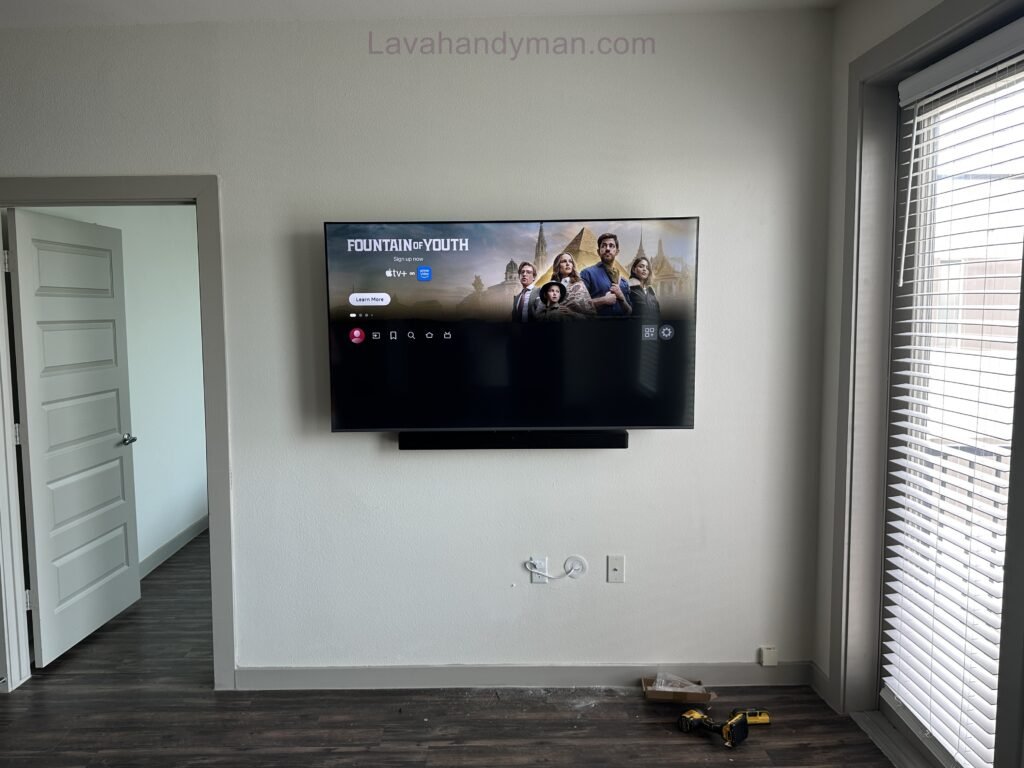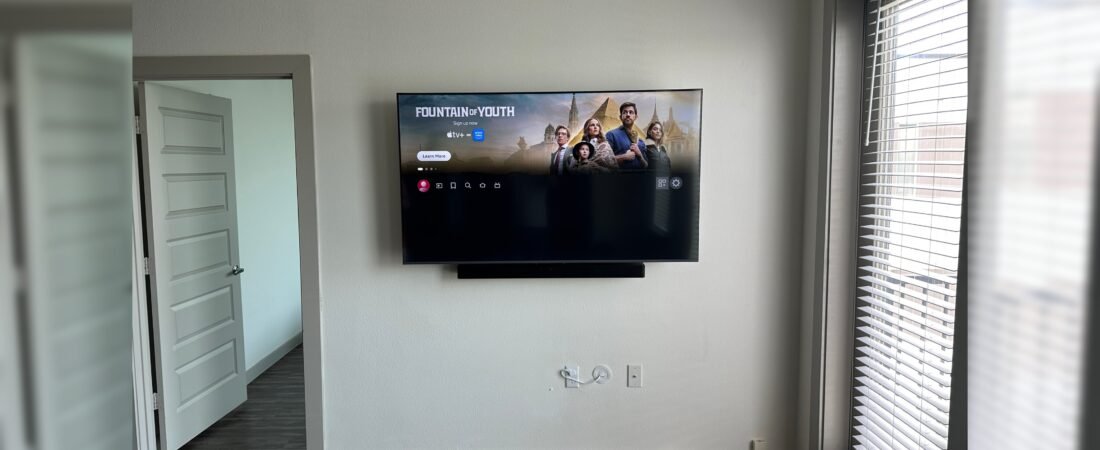
Installing a TV on a Wall Near a Window: Important Tips for Choosing the Best Location
TV wall mounting near a window is an option that many homeowners consider due to limited space or interior design requirements. However, choosing the right location for mounting a TV near a window requires extra attention because natural light, screen glare, viewing angle, TV height, and even the type of wall can affect the final result.
If you are planning to mount a TV on a wall near a window, it is important to carefully evaluate the room before drilling holes and installing the wall mount. In this guide, we will cover the most important factors, including the best TV placement near a window, proper mounting height, distance from the window, choosing the right TV mount, and ways to reduce screen glare.
Installing a TV on a Wall Near a Window
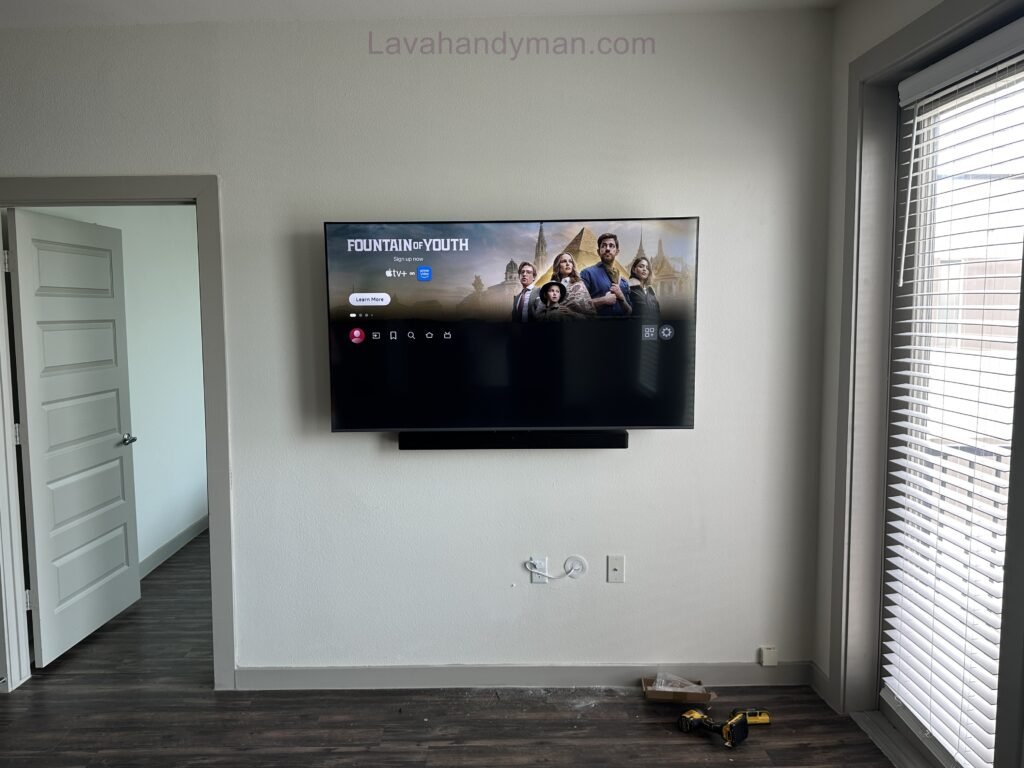
Is It Suitable to Mount a TV on a Wall Near a Window?
Mounting a TV on a wall near a window is not necessarily a problem. However, the installation location should be carefully selected. The most important factor is the amount and direction of natural light entering the room.
If direct sunlight hits the TV screen, reflections can make the picture difficult to see. Long-term exposure to direct sunlight and excessive heat can also create unfavorable conditions for the TV.
Installing a TV on a Wall Near a Window
Therefore, when installing a TV near a window, you should consider more than just the distance between the TV and the window. Light direction, screen angle, and the surrounding environment are all important factors.
What Is the Best Location for a TV Near a Window?
The best TV installation location near a window depends on the room layout, window direction, and amount of natural light.
In general, the TV should be positioned where direct sunlight does not shine onto the screen.
If you have several walls to choose from, a wall positioned at a suitable angle to the window can often be a better choice because it helps reduce direct reflections.
Installing a TV on a Wall Near a Window
Mounting a TV on the Wall Next to a Window
Mounting a TV on the wall next to a window can be a good option in many rooms. If the screen is positioned at a suitable angle relative to the window, the amount of direct sunlight reaching the screen can be reduced.
However, it is still important to check the lighting conditions at different times of the day before completing the installation.
Mounting a TV Opposite a Window
Mounting a TV on the wall opposite a window requires more careful consideration. If sunlight shines directly toward the screen, strong reflections may reduce picture visibility.
If the only suitable wall is opposite the window, you can improve the situation by using suitable curtains, controlling the room lighting, and selecting an appropriate mounting angle.
Installing a TV on a Wall Near a Window
Mounting a TV Close to a Window
If the TV has to be mounted close to a window because of limited space, make sure direct sunlight does not fall on the screen for extended periods.
You should also make sure that the TV, wall mount, and cables do not interfere with the opening and closing of the window or curtains.
Screen Glare When Mounting a TV Near a Window
Installing a TV on a Wall Near a Window
One of the biggest challenges of mounting a TV near a window is screen glare.
Sunlight, indoor lighting, and even bright surfaces around the room can reflect off the TV screen. This can be especially distracting when watching movies, TV shows, or playing games during the daytime.
Installing a TV on a Wall Near a Window
For this reason, it is important to evaluate the room’s lighting conditions before mounting the TV.
For example, the screen may look perfectly clear in the morning, while direct sunlight may create significant glare in the afternoon.
How to Reduce Glare on a TV Near a Window
There are several ways to reduce screen glare when mounting a TV near a window.
Installing a TV on a Wall Near a Window
Use Curtains to Control Natural Light
One of the simplest ways to control window light is to use suitable curtains. Blackout curtains or adjustable window coverings can significantly reduce direct sunlight when you are watching TV.
Adjust the TV Viewing Angle
Using a tilting or full-motion TV wall mount can be helpful in certain rooms. Adjusting the screen angle can reduce direct reflections caused by sunlight.
Installing a TV on a Wall Near a Window
Choose a Better Wall
Sometimes the best solution is simply changing the installation location. If the TV is planned for a wall directly opposite the window, consider whether a side wall would provide better viewing conditions.
Check the Lighting at Different Times of the Day
Before finalizing the installation, check the proposed location in the morning, afternoon, and evening.
This allows you to understand how sunlight moves through the room and whether it will create glare on the screen.
Installing a TV on a Wall Near a Window
Proper TV Mounting Height Near a Window
TV mounting height is another important factor that should be determined before installation.
The height of the TV should not be based only on the height of the window, ceiling, or wall. The main consideration should be the viewer’s eye level while seated.
Installing a TV on a Wall Near a Window
In most situations, positioning the center of the screen around the viewer’s seated eye level can provide a more comfortable viewing angle.
Mounting the TV too high may make long viewing sessions uncomfortable, while mounting it too low may interfere with furniture or other equipment.
Installing a TV on a Wall Near a Window
What Is the Ideal Distance Between a TV and a Window?
There is no single recommended distance between a TV and a window that works for every room.
The ideal distance depends on factors such as window size, sunlight intensity, window direction, TV size, type of curtains, and room layout.
Installing a TV on a Wall Near a Window
If a TV is relatively close to a window but direct sunlight does not hit the screen, a short distance may not necessarily be a problem.
On the other hand, even a larger distance may not prevent glare if sunlight reaches the screen directly.
Therefore, the direction of the light is often more important than a specific distance from the window.
Installing a TV on a Wall Near a Window
Consider the Viewing Distance Between the TV and Seating Area
Another important factor when mounting a TV on the wall is the distance between the screen and the main seating area.
The ideal viewing distance depends on factors such as screen size and resolution. Before installing the TV, determine where the main sofa or seating area will be located.
The TV should be positioned so that viewers can comfortably see the entire screen without constantly changing their posture or viewing angle.
Installing a TV on a Wall Near a Window
Check the Wall Strength Before Mounting the TV
One of the most important steps in TV wall mounting is checking the strength of the wall.
Different TVs have different weights, and different wall types require different mounting methods. Concrete, brick, drywall, and stud walls do not have the same installation requirements.
Installing a TV on a Wall Near a Window
Before drilling, determine whether the wall can safely support the combined weight of the TV and wall mount. The appropriate screws, anchors, or mounting hardware should also be selected according to the wall structure.
If you are unsure about the wall construction, professional installation is recommended.
Installing a TV on a Wall Near a Window
Choosing the Right TV Wall Mount Near a Window
Choosing the right wall mount is an important part of installing a TV on the wall.
When selecting a TV mount, consider the following:
- TV size
- TV weight
- VESA mounting pattern
- Mount weight capacity
- Wall type
- Distance between the TV and wall
- Fixed or adjustable design
- Tilt and swivel capabilities
- Access to the TV’s ports
If the TV is installed near a window, a full-motion or adjustable mount may be useful in some situations because it allows you to change the screen angle.
Installing a TV on a Wall Near a Window
Fixed vs. Full-Motion TV Mount: Which Is Better?
The choice between a fixed and adjustable TV wall mount depends on the room and viewing conditions.
Fixed TV Wall Mount
A fixed mount keeps the TV close to the wall and creates a clean, minimalist appearance.
If sunlight from the nearby window does not create significant glare, a fixed mount can be an excellent option.
Installing a TV on a Wall Near a Window
Full-Motion TV Wall Mount
A full-motion mount allows you to adjust the viewing angle of the TV.
If a window is located close to the TV and the direction of sunlight changes throughout the day, an adjustable mount can provide greater flexibility.
However, even a full-motion mount cannot replace proper TV placement. Choosing the right installation location should always come first.
Installing a TV on a Wall Near a Window
TV Ventilation and Installation Near a Window
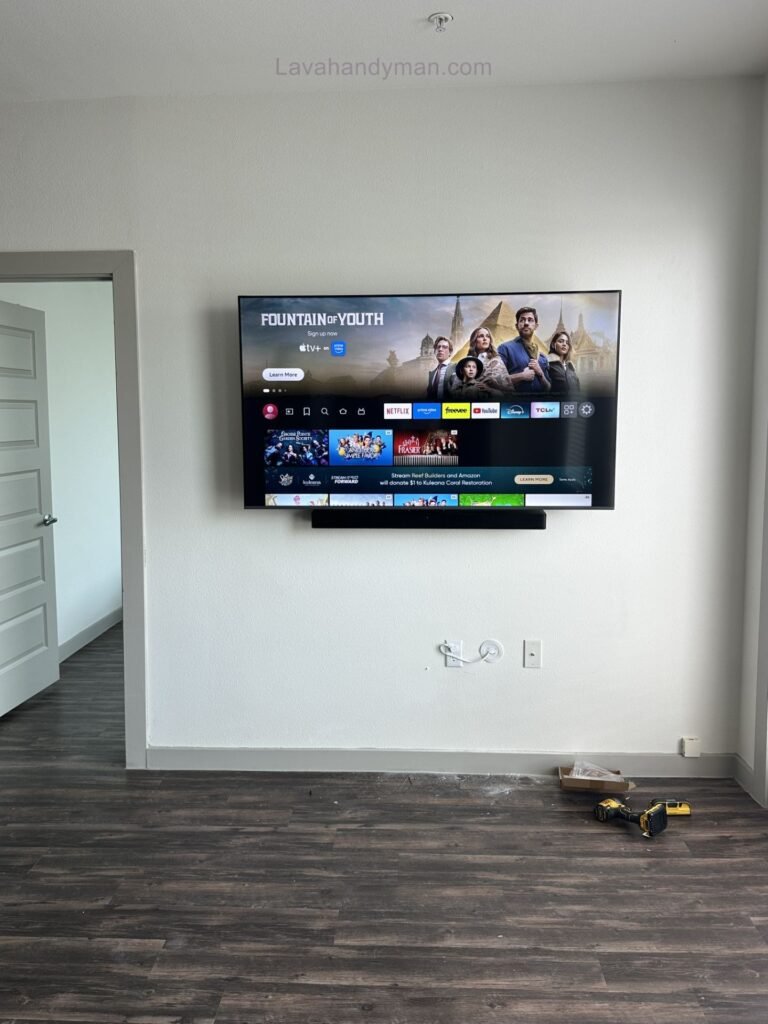
Another important consideration when mounting a TV near a window is proper ventilation.
Installing a TV on a Wall Near a Window
The TV should be installed according to the manufacturer’s instructions, with sufficient space around the device for airflow.
Avoid installing the TV in an enclosed area where ventilation is restricted.
You should also avoid locations where the TV will be exposed to intense heat or direct sunlight for long periods.
Managing Cables When Mounting a TV Near a Window
Proper cable management has a major impact on both the appearance and safety of a TV installation.
Power cables, HDMI cables, antenna cables, network cables, and other connections should be positioned so that they:
- Are not under unnecessary pressure.
- Are not excessively bent.
- Do not interfere with the window or curtains.
- Are protected from excessive heat.
- Do not create a messy appearance.
- Remain accessible for future maintenance or replacement.
Installing a TV on a Wall Near a Window
If you plan to run cables inside the wall, the work should be carried out according to electrical safety requirements and, when necessary, by a qualified professional.
TV Installation Near a Window and Interior Design
The TV is not only an entertainment device; it is also an important part of the room’s interior design.
For this reason, the relationship between the TV, window, curtains, furniture, and other decorative elements should be considered when selecting the installation location.
If the TV is mounted too close to the window frame, the overall visual balance of the room may be affected. On the other hand, leaving too much unused wall space can also make the layout look unbalanced.
Choosing the right location can help the TV blend naturally with the rest of the room.
Installing a TV on a Wall Near a Window
What Should You Check Before Mounting a TV Near a Window?
Before completing the installation, check the following:
- Direction of sunlight at different times of the day.
- Screen glare caused by natural and artificial light.
- Proper TV mounting height based on the seating position.
- Viewing distance between the TV and the seating area.
- Wall strength and construction.
- TV size and weight.
- VESA pattern and wall mount compatibility.
- Power and HDMI cable routing.
- Adequate ventilation around the TV.
- Distance between the TV and window or heat sources.
- Accessibility of the TV ports.
- Overall compatibility with the room’s interior design.
Common Mistakes When Mounting a TV Near a Window
Installing a TV on a Wall Near a Window
Mounting the TV Opposite a Window Without Checking the Light
One of the most common mistakes is choosing a wall simply because there is enough empty space.
The wall may appear ideal, but direct sunlight from the window can create strong reflections on the TV screen.
Ignoring Changes in Natural Light
Lighting conditions change throughout the day. The room may look completely different in the morning compared with the afternoon.
For this reason, the installation location should be checked at different times of the day.
Mounting the TV Too High
Mounting a TV higher does not necessarily make it better. The ideal height should be determined based on the seating position and viewing angle.
Choosing the Wrong TV Mount
The wall mount should be compatible with the TV’s weight, size, and VESA mounting pattern.
Installing a TV on a Wall Near a Window
Ignoring Wall Strength
Mounting a TV on a wall that cannot safely support its weight can create a serious safety risk.
Ignoring Cable Management
If cable routing is not planned before installation, visible cables and a messy appearance may become a problem after the TV has been mounted.
Should You Mount the TV Next to or Opposite the Window?
If you have several installation options, it is generally better to position the TV where direct sunlight does not hit the screen.
Installing a TV on a Wall Near a Window
In many rooms, the wall next to the window can be a suitable choice. However, there is no single location that works best for every home.
The window direction, room size, natural light, furniture arrangement, and viewing angle should all be considered before making the final decision.
Ultimately, the best TV mounting location is one that:
- Minimizes screen glare.
- Provides a comfortable viewing angle.
- Offers a suitable mounting height.
- Has sufficient wall strength.
- Allows easy access to power and connections.
- Provides adequate ventilation.
- Protects the TV from prolonged direct sunlight.
Installing a TV on a Wall Near a Window
TV wall mounting near a window can be a practical and attractive solution for homes with limited space. However, before installing a TV wall mount, several factors should be considered, including natural light, screen glare, viewing angle, proper mounting height, and cable management. Choosing the right location can improve the viewing experience while also keeping the room organized and visually balanced.
Check Natural Light Before Mounting the TV
One of the most important considerations when mounting a TV next to a window is the direction of sunlight. A location may seem suitable in the morning but receive direct sunlight later in the day as the position of the sun changes.
For this reason, it is a good idea to observe the room at different times of the day before installing the TV mount. This helps you choose a wall location where sunlight creates as little glare on the screen as possible.
Installing a TV on a Wall Near a Window
How Curtains Affect TV Placement
If the only suitable location for your TV is close to a window, curtains can help control the amount of natural light entering the room. Thick or adjustable curtains can reduce glare and create better conditions for watching TV.
However, make sure there is enough space between the TV, wall mount, curtains, and window frame. The curtains should be able to open and close without hitting the television or interfering with the mounting system.
Consider the TV Viewing Angle
Installing a TV on a Wall Near a Window
When choosing the best location for a TV, you should not simply focus on finding an empty wall. The position of the sofa, chairs, and other seating areas is equally important.
The screen should be positioned so that viewers can watch comfortably without having to turn their heads or bodies excessively. When a TV is mounted on a wall next to a window, both the viewing angle and the direction of natural light should be considered.
How Far Should a TV Be From a Window?
There is no single ideal distance between a TV and a window that works for every room. Factors such as window size, sunlight intensity, TV dimensions, curtain type, and room layout all affect the recommended distance.
The TV should not be positioned so close to the window that it interferes with the window frame or curtains. Leaving some space around the television can also create a more balanced and attractive interior design.
Installing a TV on a Wall Near a Window
Cable Management When Wall Mounting a TV
Before mounting a TV on the wall, plan the route for the power cable, HDMI cables, antenna cable, and other connections. Excessive cable bending or pressure should be avoided, while unnecessary cables can make the wall look cluttered.
Ideally, the power outlet and cable connections should be located close to the TV installation area. If cables need to be routed inside the wall, the work should be carried out according to electrical safety requirements.
Choosing the Right TV Wall Mount
Installing a TV on a Wall Near a Window
Choosing the right TV wall mount depends on the size and weight of the television as well as the type of wall. Fixed mounts are suitable when you do not need to change the viewing angle, while adjustable or full-motion mounts allow you to reposition the screen.
For TVs installed near windows, an adjustable mount can sometimes help reduce glare by allowing you to change the screen angle in relation to the incoming light.
TV Wall Mounting in Small Rooms
In a small room, mounting the TV on the wall can free up valuable floor space. However, you should not choose a wall simply because it is empty.
The TV size, viewing distance, seating position, and amount of natural light should all be considered together. If the wall next to the window is narrow, choosing a suitable wall mount becomes even more important to prevent the TV from extending too far into the room.
Installing a TV on a Wall Near a Window
Test the TV Location Before Drilling the Wall
One of the best ways to avoid installation mistakes is to mark the approximate dimensions of the TV on the wall before drilling. You can outline the expected TV position and then check its height and location from the main seating area.
At this stage, it is also useful to check TV screen glare at different times of the day. A few minutes of testing before installation can prevent unnecessary drilling and having to relocate the wall mount later.
Installing a TV on a Wall Near a Window
Common Mistakes When Mounting a TV Near a Window
Several common mistakes can negatively affect both the viewing experience and the appearance of the room:
- Mounting the TV directly in the path of sunlight
- Ignoring glare and reflections on the screen
- Installing the TV at an uncomfortable height
- Choosing a wall mount that cannot properly support the TV
- Failing to check the strength of the wall
- Placing the TV too close to the window frame
- Ignoring power and HDMI cable routing
- Failing to check natural light conditions throughout the day
Installing a TV on a Wall Near a Window
Frequently Asked Questions About Mounting a TV Near a Window
Can I mount a TV next to a window?
Yes. A TV can be mounted next to a window, but you should consider sunlight, screen glare, heat, and the strength of the wall before installation.
Is it a good idea to mount a TV opposite a window?
If direct sunlight hits the TV screen, it can create glare and make the picture difficult to see. If possible, choose another wall or use appropriate light control and screen positioning.
What is the best height for wall mounting a TV?
Installing a TV on a Wall Near a Window
The exact height depends on the TV size and seating position. In general, positioning the center of the screen close to the viewer’s seated eye level can provide a comfortable viewing angle.
Can sunlight damage a TV?
Prolonged exposure to direct sunlight and excessive heat is not recommended. The TV should ideally be positioned away from direct and extended sunlight.
Is a full-motion TV mount better for a TV near a window?
A full-motion mount can be useful when adjusting the screen angle helps reduce glare. However, choosing the correct wall location remains the most important factor.
Installing a TV on a Wall Near a Window
Conclusion
Mounting a TV on a wall near a window can be an excellent way to make better use of available space while maintaining a modern and organized interior. However, the installation location should be selected carefully.
The most important considerations include sunlight direction, distance from the window, mounting height, viewing distance, wall strength, TV mount type, VESA compatibility, cable management, and proper ventilation.
If you have multiple possible locations for your TV, choose the one that provides the best combination of comfortable viewing, minimal glare, safe installation, and a balanced interior design.
If you are unsure about the wall strength, mounting hardware, or installation process, professional TV installation can help prevent damage to the TV or wall.
📞 Need Help?
Let us take care of the hard work while you sit back and relax.
📍 Serving: Austin, Round Rock, Cedar Park & more
📱 Call or Text: (737) 420-6992
🌐 Visit: https://lavahandyman.com