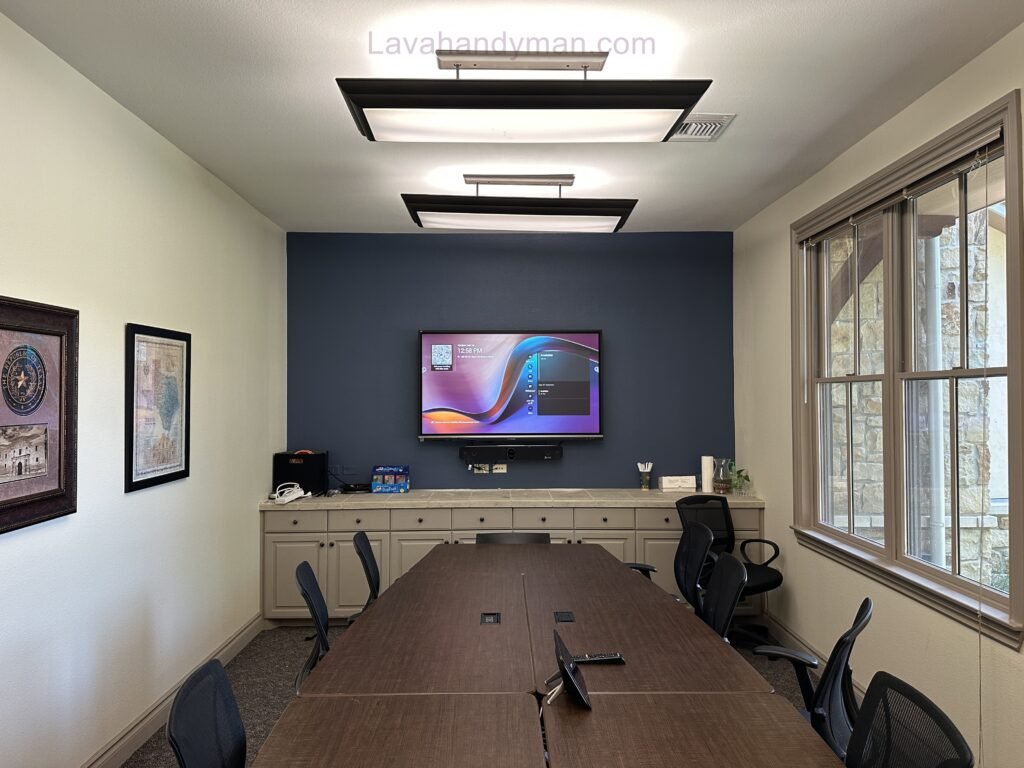
How to Mount a TV on the Wall: Complete Installation Guide and Important Tips
Wall-mounting a TV is one of the best ways to make better use of your living space while creating a clean, modern, and organized interior. Instead of placing a television on a TV stand or cabinet, many homeowners choose a TV wall mount to position their screen at a comfortable viewing height and free up valuable floor space.
However, mounting a TV on the wall involves more than simply drilling holes and attaching the television to a bracket. Choosing the right wall mount, checking the TV’s weight, confirming the VESA pattern, identifying the wall type, determining the correct mounting height, and managing cables are all important parts of a professional installation.
In this guide, we will explain how to mount a TV on the wall, how to choose the right TV wall mount, how to determine the ideal TV mounting height, which walls are suitable for TV installation, and what safety precautions you should follow.
How to Mount a TV on the Wall
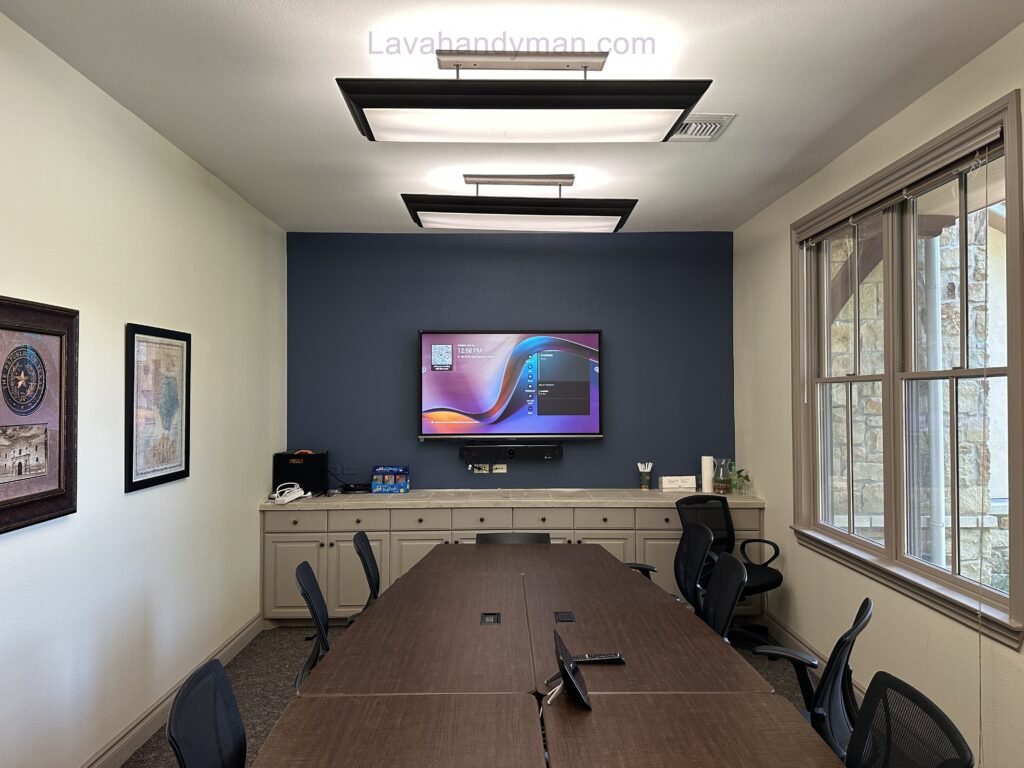
What Are the Benefits of Wall-Mounting a TV?
Wall-mounting a television offers several practical and aesthetic benefits. The results, however, depend on the type of wall, TV model, mounting bracket, and installation method.
Better Use of Available Space
How to Mount a TV on the Wall
A traditional TV stand can take up a significant amount of floor space. By mounting the television directly on the wall, you can free up that space for other furniture, storage, or decorative elements.
This can be particularly useful in small living rooms, bedrooms, and apartments where floor space is limited.
A Cleaner and More Modern Look
A wall-mounted TV can create a minimalist and modern appearance. When power cables, HDMI cables, antenna cables, and other connections are properly managed, the entire TV wall can look much cleaner and more organized.
Flexible Viewing Height
One of the main advantages of wall-mounting a TV is the ability to choose an installation height based on the seating position and room layout.
There is no single ideal height for every room. The height of the sofa, viewer’s eye level, TV size, and viewing distance should all be considered.
How to Mount a TV on the Wall
Suitable for Different TV Sizes
Most modern televisions can be wall-mounted using a compatible bracket. However, the mounting bracket should always be selected based on the TV’s weight, size, VESA pattern, and mounting requirements.
What Should You Check Before Mounting a TV on the Wall?
Before starting the installation, several important factors should be checked. Taking the time to plan the installation can prevent many common problems.
1. Check the TV Weight
Every TV wall mount has a maximum weight capacity. Before purchasing a bracket, check the exact weight of your television in the product specifications or user manual.
TV size alone is not enough to determine which wall mount you need. Two 55-inch televisions, for example, can have different weights and mounting specifications.
How to Mount a TV on the Wall
2. Check the TV’s VESA Pattern
One of the most important factors when choosing a TV wall mount is the VESA mounting pattern.
VESA refers to the horizontal and vertical distance between the mounting holes on the back of the television. Common patterns include 200×200, 400×400, and 600×400 millimeters.
The wall mount must be compatible with your TV’s VESA pattern. Always check the exact specifications of your TV model before purchasing a mounting bracket.
What Is VESA and Why Is It Important?
How to Mount a TV on the Wall
If you choose a wall mount that does not support your TV’s VESA pattern, the bracket may not attach correctly to the back of the television.
Before purchasing a TV wall mount, check these three factors:
- VESA mounting pattern
- Maximum supported TV weight
- Supported TV size range
3. Identify the Type of Wall
The type and construction of the wall are extremely important when mounting a TV.
Installing a TV on a concrete wall is different from installing one on a brick, drywall, or plaster wall. The screws, anchors, and mounting hardware must be appropriate for the wall construction.
If you are mounting a TV on drywall or a lightweight wall, you need to identify suitable structural support points. In some cases, the wall may need additional reinforcement.
How to Mount a TV on the Wall
If you are unsure whether your wall can safely support the television and mounting bracket, have the installation area inspected by a qualified professional.
Types of TV Wall Mounts
Choosing the right wall mount affects the appearance, viewing angle, and functionality of your television. TV wall mounts generally fall into several categories.
Fixed TV Wall Mount
A fixed wall mount is one of the simplest types of TV brackets. It holds the television close to the wall and does not normally allow significant movement.
This type of mount is ideal when the TV is directly in front of the main seating area and you do not need to adjust its viewing angle.
Benefits of a Fixed TV Mount
- Keeps the TV close to the wall
- Clean and minimalist appearance
- Simple design
- Suitable for modern interiors
How to Mount a TV on the Wall
Full-Motion or Articulating TV Wall Mount
A full-motion or articulating wall mount allows you to adjust the position and viewing angle of the television.
This type of bracket can be useful in rooms where people watch TV from different seating positions.
Benefits of a Full-Motion TV Mount
- Adjustable viewing angle
- Easier access to the back of the TV
- Suitable for multi-purpose rooms
- Greater flexibility in TV positioning
Full-motion mounts generally require more space than fixed brackets.
How to Mount a TV on the Wall
Tilting TV Wall Mount
A tilting TV mount allows the screen to be angled vertically.
This type of bracket can be useful when a television is mounted slightly higher than the ideal eye level. However, the recommended angle should always be within the limits specified by the TV and mounting bracket manufacturers.
How to Mount a TV on the Wall: Step-by-Step Guide
The exact installation procedure varies depending on the TV model, wall mount, and wall construction. However, the general installation process usually includes the following steps.
Step 1: Choose the Right Location
How to Mount a TV on the Wall
First, determine the best location for the television.
Consider the following factors:
- Viewing height
- Distance from the main seating area
- Direct sunlight
- Access to a power outlet
- Cable routing
- Additional equipment
- Wall strength
- Proper ventilation
Before drilling any holes, carefully measure and mark the mounting location.
Step 2: Determine the Correct TV Mounting Height
TV mounting height is one of the most important factors affecting viewing comfort.
The height should not be determined solely by the size of the wall or the height of a TV cabinet. The viewer’s eye level from the main seating position should also be considered.
How to Mount a TV on the Wall
In many living rooms, positioning the center of the screen around the viewer’s natural eye level while seated is a useful starting point.
However, every room is different. Sofa height, viewer height, TV size, and viewing distance can all affect the final mounting position.
Avoid Mounting the TV Too High
One of the most common TV mounting mistakes is installing the television too high on the wall.
A TV mounted excessively high may create an uncomfortable viewing angle. Before drilling, check the proposed position from the main seating area.
How to Mount a TV on the Wall
Step 3: Check the VESA Mounting Pattern
Most wall-mountable televisions have mounting holes on the back.
The mounting brackets must align with these holes.
For example, if your television has a 400×400 mm VESA pattern, the wall mount must support that specific pattern.
Do not choose a mounting bracket based only on TV screen size. TV size alone does not determine the VESA pattern.
How to Mount a TV on the Wall
Step 4: Mark the Mounting Location
Once you have determined the correct height, mark the mounting points on the wall.
Using a level is extremely important. Even a small mounting error can become very noticeable once the TV is installed.
Before drilling:
- Identify the center of the installation area.
- Measure the required height.
- Mark the mounting holes.
- Check that the bracket is level.
- Confirm the planned cable route.
How to Mount a TV on the Wall
Step 5: Attach the Wall Bracket
The main mounting plate is then secured to the wall.
The screws and anchors must be appropriate for the wall material.
Concrete, brick, drywall, plaster, and lightweight walls may require different mounting hardware and installation techniques.
This is one of the most important parts of the installation because the wall connection supports the combined weight of the TV and mounting bracket.
If you are unsure about the wall construction, consider hiring a professional TV installer.
How to Mount a TV on the Wall
Step 6: Attach the Mounting Brackets to the TV
After securing the wall plate, attach the TV mounting brackets to the back of the television.
Follow the instructions supplied with the mounting bracket.
Using the correct screws is extremely important. Screws should not be too short or too long, and you should not substitute them without confirming compatibility.
Avoid applying unnecessary pressure to the TV screen during installation.
How to Mount a TV on the Wall
Step 7: Attach the TV to the Wall Mount
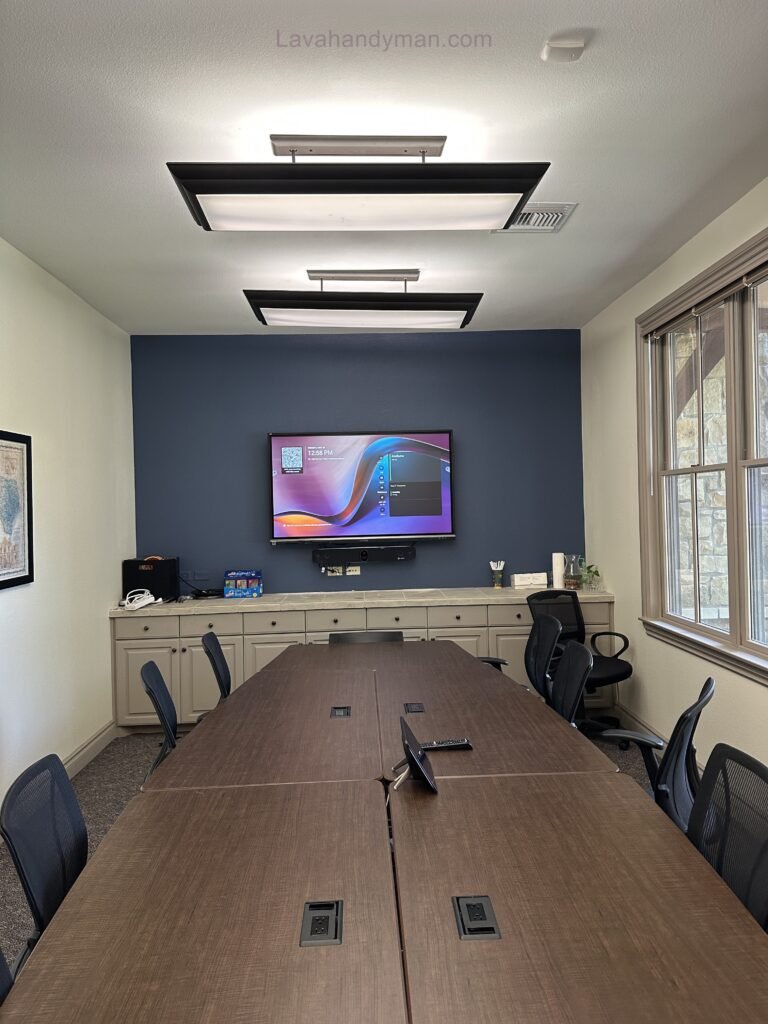
Once the wall bracket and TV brackets are installed, carefully place the television onto the wall mount.
Large TVs, especially 65-inch, 75-inch, 85-inch, and larger models, should generally be handled by more than one person.
Once the TV is attached, check that the mount’s locking or safety mechanism is properly engaged.
Finally, check that the television is level.
How to Mount a TV on the Wall
How to Manage TV Cables After Wall Mounting
Cable management is an important part of a professional TV wall installation.
Even if the wall mount is installed correctly, loose cables hanging underneath the television can make the installation look unfinished.
Depending on your setup, you may need:
- Power cable
- HDMI cable
- Antenna cable
- Ethernet cable
- Audio cable
- Gaming console cables
- Streaming device cables
- Soundbar cables
How to Mount a TV on the Wall
It is best to plan the cable route before mounting the television.
If cables need to be routed inside the wall, the installation should be carried out according to the type of cable, wall construction, and applicable electrical and building safety requirements.
How Much Space Should Be Left Between the TV and the Wall?
The required distance between the television and the wall depends on the type of wall mount.
Fixed TV mounts usually keep the television relatively close to the wall, while full-motion mounts require additional space for movement.
Do not mount the TV so close to the wall that cable connections or ventilation become difficult.
Always follow the TV manufacturer’s and mounting bracket manufacturer’s installation requirements.
How to Mount a TV on the Wall
Can You Mount a TV on Drywall?
One of the most common questions is whether a TV can be mounted on drywall.
The answer depends on the construction and internal support of the wall.
In some situations, TVs can be safely mounted on drywall, but the mounting points need to connect to suitable structural support. Additional reinforcement may also be required.
Mounting a heavy television to a weak section of drywall without properly identifying the wall structure can create a safety risk.
For large or heavy TVs, it is recommended to have the wall inspected before installation.
How to Mount a TV on the Wall
Can Wall-Mounting Damage a TV?
Wall-mounting a television does not normally damage the TV when the correct bracket and installation method are used.
Problems can occur when:
- An incompatible wall mount is used
- Incorrect screws are installed
- The wall is not strong enough
- Excessive pressure is applied to the screen
- The mounting bracket is installed incorrectly
- The TV’s weight is ignored
- Manufacturer instructions are not followed
- Ventilation requirements are ignored
The key is to use compatible equipment and follow the correct installation procedure.
How to Mount a TV on the Wall
What Is the Best Height for Mounting a TV?
There is no universal TV mounting height that works for every home.
The ideal height depends on factors such as TV size, sofa height, viewer eye level, viewing distance, and room type.
A simple approach is to sit in the main viewing position and determine a comfortable screen center height relative to your eye level.
In a living room, avoid mounting the television unnecessarily high simply because the wall is large.
The ideal height may be different for a bedroom, office, commercial space, or other room.
How to Mount a TV on the Wall
Common TV Wall-Mounting Mistakes
Choosing a Wall Mount Based Only on TV Size
A bracket advertised for a 55-inch or 65-inch TV is not automatically compatible with every television of that size.
You should also check the TV’s weight and VESA pattern.
Mounting the TV on an Unsuitable Wall
The appearance of a wall does not necessarily indicate how strong its internal structure is.
The wall must be capable of safely supporting the TV and mounting bracket.
Using the Wrong Screws or Anchors
The mounting hardware must be suitable for the specific wall material and mounting system.
How to Mount a TV on the Wall
Mounting the TV Too High
A television mounted too high can result in an uncomfortable viewing angle.
Failing to Plan Cable Routing
If cable routing is not planned before installation, you may end up with visible and poorly organized cables.
Ignoring Ventilation
The TV should not be installed in a way that blocks the ventilation space required by the manufacturer.
Installing a Large TV Alone
How to Mount a TV on the Wall
Large and heavy televisions require careful handling. Having additional help or hiring a professional installer can reduce the risk of damage or injury.
Wall-Mounted TV vs. TV Stand: Which Is Better?
The best option depends on your room, preferences, and installation requirements.
Benefits of Wall-Mounting a TV
- Saves floor space
- Creates a modern appearance
- Provides better cable management
- Allows you to choose the mounting height
- Works well in smaller rooms
- Creates a clean, minimalist look
Benefits of Using a TV Stand
How to Mount a TV on the Wall
- Easier installation
- Easier to move the TV
- Convenient access to the back of the television
- No wall drilling required
- Suitable for people who frequently change their room layout
If your goal is a clean and modern interior, a wall-mounted TV can be an excellent choice.
Mounting Large TVs on the Wall
As TV screen sizes increase, selecting the correct wall mount and checking the wall structure become increasingly important.
For large TVs, carefully check:
- TV weight
- TV dimensions
- VESA pattern
- Wall mount weight capacity
- Wall construction
- Mounting hardware
- Installation location
- Cable routing
- Ventilation requirements
- Safe handling and lifting
How to Mount a TV on the Wall
For very large televisions, professional installation is recommended to reduce the risk of damage to the TV, wall, or people.
What Tools Are Needed to Mount a TV?
The tools required depend on the wall type and mounting bracket. Common tools may include:
- Tape measure
- Level
- Appropriate drilling equipment
- Screwdriver or installation tools
- Suitable screws and anchors
- Measuring tools
- Cable management accessories
The most important factor is not the number of tools but using the correct tools and mounting hardware for the wall and TV mount.
How to Mount a TV on the Wall
TV Wall-Mounting Safety Tips
Installing a TV on the wall is a technical task, and safety should always be a priority.
Before installation:
- Read the TV and wall-mount installation instructions.
- Check the exact TV weight.
- Confirm the VESA pattern.
- Choose a compatible wall mount.
- Check the wall construction and strength.
- Use appropriate screws and anchors.
- Make sure the wall mount is level.
- Check the mount’s safety locks.
- Plan the cable route before mounting the TV.
- Maintain adequate ventilation.
- Do not handle large TVs alone.
- If you are unsure about any part of the installation, contact a qualified professional.
How to Mount a TV on the Wall
How Much Does TV Wall Mounting Cost?
The cost of mounting a TV on the wall varies depending on the installation conditions.
Factors that can affect the final price include:
- TV size
- TV weight
- Type of wall mount
- Fixed or full-motion mounting
- Wall construction
- Wall reinforcement requirements
- Cable installation
- Soundbar installation
- Additional equipment
- Accessibility of the installation location
For an accurate quote, the TV model, wall type, mounting bracket, and installation requirements should generally be assessed.
How to Mount a TV on the Wall
When Should You Hire a Professional TV Installer?
Although mounting a small television may appear relatively simple, professional TV installation requires careful attention to the mounting bracket, wall structure, mounting hardware, and cable management.
Professional installation is particularly recommended when:
- The TV is large or heavy.
- The TV will be mounted on drywall.
- The wall has stone or tile.
- Cables need to be routed inside the wall.
- A full-motion mount is being used.
- The wall has decorative panels.
- A soundbar will also be wall-mounted.
- The installation area is difficult to access.
- You are unsure about the wall’s structural strength.
How to Mount a TV on the Wall
Professional installation can provide a cleaner result while reducing the risk of damage to the television and wall.
TV Wall-Mounting Checklist
Before starting the installation, use this checklist.
TV Specifications
- TV model identified
- TV weight confirmed
- TV size confirmed
- VESA pattern confirmed
Wall Mount
- Compatible with the TV
- Weight capacity is sufficient
- Correct mount type selected
- Correct screws and components available
How to Mount a TV on the Wall
Wall
- Wall material identified
- Wall strength checked
- Mounting points identified
- Cable route planned
Installation Location
- Correct mounting height determined
- TV is protected from excessive direct sunlight
- Adequate ventilation is available
- Power outlet is accessible
- Location of additional equipment is planned
How to Mount a TV on the Wall
Frequently Asked Questions About TV Wall Mounting
What is the best height to mount a TV on the wall?
The ideal height depends on the room and seating position. In many cases, positioning the center of the screen around the viewer’s natural eye level while seated is a useful starting point.
Can any wall mount be used with any TV?
No. The wall mount must be compatible with the TV’s weight, VESA pattern, size range, and mounting requirements.
What is a VESA pattern?
A VESA pattern refers to the spacing between the mounting holes on the back of a television. It is one of the most important specifications when selecting a compatible TV wall mount.
How to Mount a TV on the Wall
Can a TV be mounted on drywall?
In some cases, yes. However, the mounting method depends on the wall’s internal structure and available support. Large TVs may require additional reinforcement or professional assessment.
How far should a TV be from the wall?
The required distance depends on the type of wall mount, TV model, cable connections, and ventilation requirements. Always follow the manufacturer’s specifications.
Can a TV be mounted above a fireplace?
Locations exposed to excessive heat are generally not ideal for televisions. The temperature and installation conditions should comply with the TV manufacturer’s requirements.
Can wall-mounting damage a TV?
Proper wall mounting should not damage a television when a compatible bracket and correct installation procedure are used. Problems can occur when an unsuitable bracket, incorrect screws, or an inadequate wall structure is used.
Can you mount a large TV by yourself?
How to Mount a TV on the Wall
Large and heavy TVs should generally be handled by multiple people. Trying to lift and mount a large television alone can increase the risk of damage or injury.
Conclusion
Mounting a TV on the wall is an effective way to create a cleaner, more modern interior while making better use of available space. However, a safe and professional installation requires careful attention to several important factors.
Before installing a television, check its weight, VESA pattern, wall-mount type, wall construction, mounting height, cable routing, and ventilation requirements. The type of mounting bracket should also be selected based on the room layout and your viewing needs.
A fixed TV mount is a simple option for viewers who do not need to adjust the screen angle, while full-motion and articulating mounts provide greater flexibility for changing the TV’s position and viewing angle.
Wall construction is equally important. Installing a television on concrete, brick, drywall, plaster, or other wall types may require different mounting hardware and techniques.
📞 Need Help?
Let us take care of the hard work while you sit back and relax.
📍 Serving: Austin, Round Rock, Cedar Park & more
📱 Call or Text: (737) 420-6992
🌐 Visit: https://lavahandyman.com