Mounting a TV on the Wall: Fixed vs. Full-Motion Bracket – Which Is Better?
Introduction
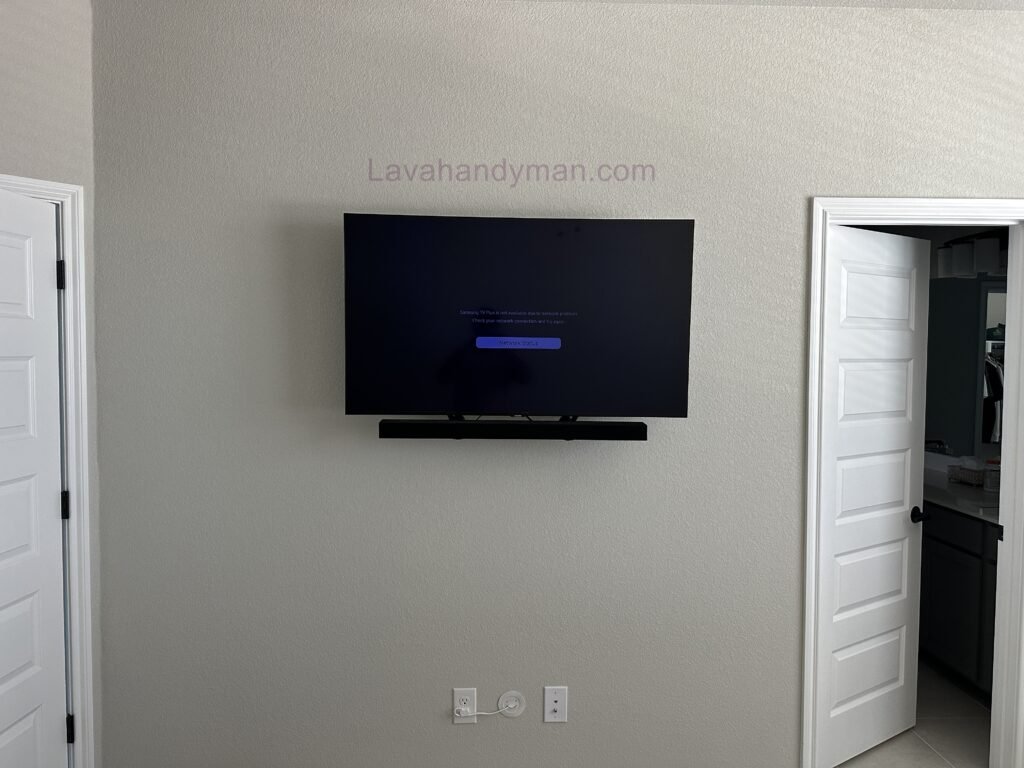
Wall mounting a TV has become one of the most popular ways to create a modern, organized, and space-efficient living environment. Instead of placing a television on a traditional TV stand, many homeowners now prefer using a TV wall mount to save floor space, enhance their interior design, and achieve a cleaner, more contemporary look.
However, once you decide on mounting your TV on the wall, one important question arises:
Should you choose a fixed TV wall mount or a full-motion TV wall mount?
The answer depends on several factors, including your TV size, viewing habits, room layout, installation location, budget, and whether you need to adjust the viewing angle.
If you always watch TV from the same position, a fixed TV mount may be all you need. On the other hand, if you’d like to swivel, extend, or tilt your television for better viewing from different areas of the room, a full-motion TV mount is likely the better option.
In this guide, we’ll explain the differences between fixed and full-motion TV wall mounts, explore the advantages and disadvantages of each, and help you choose the best TV mounting solution for your home.
Fixed vs. Full-Motion Bracket
Fixed vs. Full-Motion TV Mount: Which Is Better?
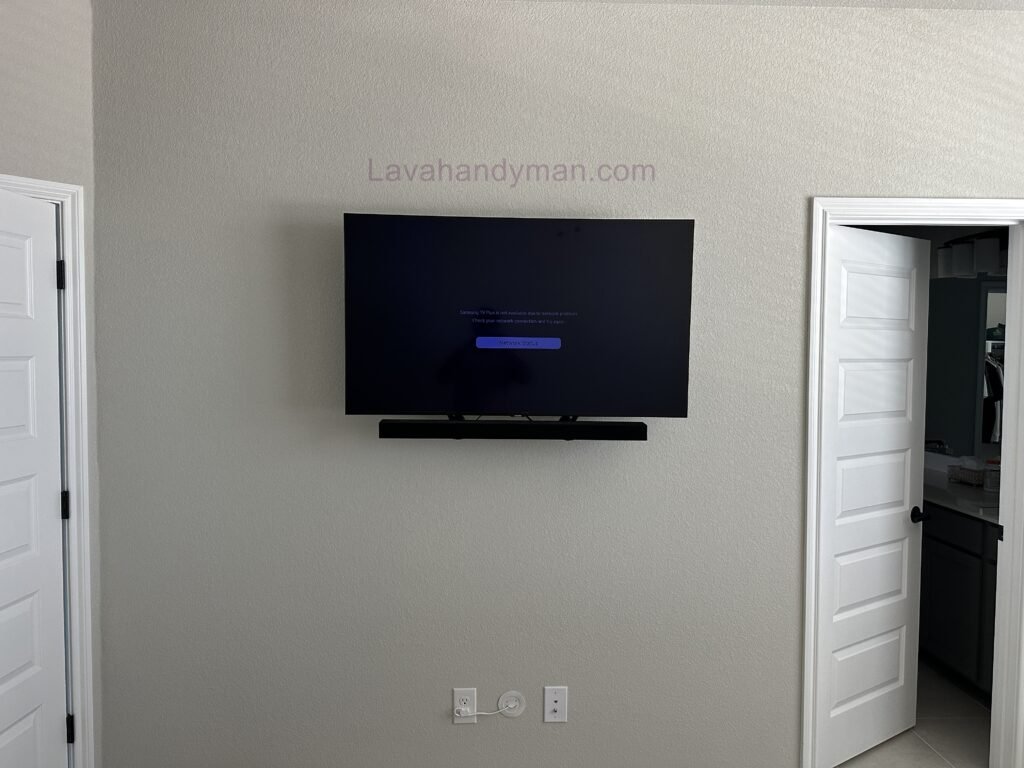
If your television will always be viewed from the same position, a fixed TV wall mount is usually the best choice thanks to its affordable price, exceptional stability, and sleek appearance.
However, if you want the flexibility to adjust the viewing angle or watch TV from different parts of the room, a full-motion TV wall mount offers greater convenience and versatility.
Why Is Wall Mounting a TV So Popular?
Today, wall mounting a TV is more than just a practical installation method—it’s an essential part of modern interior design. With today’s slim LED, OLED, and QLED televisions, wall mounting has become easier than ever and offers both aesthetic and functional benefits.
Here are some of the biggest advantages of mounting your TV on the wall.
Better Use of Space
One of the greatest benefits of wall mounting a TV is the extra floor space it creates. Removing a bulky TV stand makes your room feel larger, cleaner, and less cluttered.
Fixed vs. Full-Motion Bracket
This advantage is especially valuable in apartments and smaller living spaces.
A Cleaner, More Modern Look
A television mounted with a high-quality TV wall bracket creates a sleek, minimalist appearance that complements modern home décor.
When the power and HDMI cables are hidden behind the wall or neatly managed, the result is an elegant, professional-looking entertainment area.
Improved Safety
Another major benefit of wall mounting your television is increased safety.
In homes with children or pets, TVs placed on furniture can be knocked over accidentally. A properly installed TV wall mount significantly reduces this risk and keeps your television securely attached to the wall.
Better Viewing Comfort
Installing your television at the correct height helps reduce neck and eye strain, making long movie nights or sports events much more comfortable.
Easier Cleaning
With the TV mounted on the wall, cleaning underneath and around the entertainment area becomes much easier compared to using a traditional TV stand.
Fixed vs. Full-Motion Bracket
What Is a TV Wall Mount?
A TV wall mount, also known as a TV wall bracket, is a heavy-duty metal mounting system designed to securely attach a television to a wall.
Most TV mounts are manufactured from high-strength steel and engineered to safely support the weight of modern flat-screen televisions.
Nearly all modern TVs feature standardized VESA mounting holes on the back of the display. These mounting holes allow the TV wall bracket to connect securely to the television.
In simple terms, the wall mount acts as the connection between your TV and the wall while ensuring stability, safety, and an optimal viewing position.
When purchasing a TV wall mount, don’t focus on price alone. You should also consider weight capacity, VESA compatibility, build quality, steel thickness, and the manufacturer’s reputation.
Fixed vs. Full-Motion Bracket
Types of TV Wall Mounts
Generally, TV wall mounts are available in three main categories:
- Fixed TV Wall Mount
- Tilting TV Wall Mount
- Full-Motion (Articulating) TV Wall Mount
In this article, we’ll focus on the two most popular options—fixed TV mounts and full-motion TV mounts—since these are the models most homeowners compare before making a purchase.
Fixed vs. Full-Motion Bracket
What Is a Fixed TV Wall Mount?
A fixed TV wall mount is the simplest and most commonly used type of TV mounting bracket.
Once installed, the television remains securely fixed in place without any ability to swivel, tilt, or extend.
Most fixed mounts position the TV just one to two inches (approximately 2–5 cm) away from the wall, creating a sleek, picture-frame appearance that complements modern interior design.
Because fixed mounts have no moving parts or articulating arms, they are extremely durable and require very little maintenance over time.
Fixed vs. Full-Motion Bracket
Advantages of a Fixed TV Wall Mount
Affordable Price
If you’re looking for an economical TV wall mounting solution, a fixed mount is often the most budget-friendly option. Its simple design makes it less expensive than full-motion models.
Outstanding Stability
Since a fixed mount contains no hinges or movable joints, it offers exceptional strength and long-term durability.
For this reason, many professional installers recommend fixed mounts for larger and heavier televisions.
Minimalist Appearance
A fixed mount keeps the TV close to the wall, creating a clean, modern, and elegant look that blends seamlessly with contemporary home décor.
Fixed vs. Full-Motion Bracket
Easy Installation
Compared to full-motion mounts, fixed TV brackets are easier and faster to install.
Their simpler design also reduces the likelihood of installation errors.
Ideal for Everyday Viewing
If you always watch television from the same seating position, a fixed mount provides everything you need without paying extra for features you may never use.
What Is a Full-Motion TV Wall Mount?
A full-motion TV wall mount, also known as an articulating TV mount, is one of the most versatile types of TV wall mounts available today. It is designed for homeowners who want greater flexibility when mounting a TV on the wall. Unlike a fixed TV wall mount, which keeps the television in a single position, a full-motion mount allows you to swivel, tilt, extend, and retract the TV for the best possible viewing experience.
Thanks to its articulating arm and heavy-duty hinges, you can easily adjust the screen based on your seating position or the lighting conditions in the room. For this reason, full-motion TV wall mounts are a popular choice for living rooms, home offices, conference rooms, waiting areas, and commercial spaces.
If you’re looking for a professional TV wall mounting solution that offers maximum flexibility and convenience, a full-motion TV wall mount is an excellent investment.
Fixed vs. Full-Motion Bracket
How Does a Full-Motion TV Wall Mount Work?
A full-motion TV wall mount features one or more articulating steel arms connected by durable pivot joints. This design allows you to reposition your television even after mounting it on the wall.
Depending on the model, a full-motion TV mount typically offers the following features:
Fixed vs. Full-Motion Bracket
- Swivel the TV left and right
- Tilt the screen up or down to improve viewing comfort
- Extend the TV away from the wall or retract it closer to the wall
- Adjust the viewing angle for movies, gaming, or sports
- Easily access the back of the television to connect HDMI cables, power cords, streaming devices, or gaming consoles
The higher the build quality of the mount, the smoother its movement, the greater its weight capacity, and the longer its lifespan.
Advantages of a Full-Motion TV Wall Mount
1. Adjustable Viewing Angles
The biggest advantage of a full-motion TV wall mount is its ability to adjust the screen position.
Whether you’re watching TV from the kitchen, dining room, or another seating area, you can simply rotate the television toward your location for a more comfortable viewing experience.
This flexibility makes wall mounting a TV far more practical than using a traditional TV stand.
Fixed vs. Full-Motion Bracket
2. Reduced Screen Glare
One common challenge when mounting a TV on the wall is glare from windows or overhead lighting.
A full-motion TV mount allows you to adjust the screen angle to minimize reflections and improve picture quality, making it an ideal choice for rooms with large windows or bright lighting.
Fixed vs. Full-Motion Bracket
3. Ideal for Large Rooms
If your living room has multiple seating areas or an open floor plan, a full-motion TV wall mount provides the flexibility needed for everyone to enjoy a clear view of the screen.
Instead of being limited to one viewing position, you can adjust the TV to suit different seating arrangements.
Fixed vs. Full-Motion Bracket
4. Easy Access to Cables and Connections
Another major advantage of a full-motion TV mount is easy access to the back of the television.
Whenever you need to replace an HDMI cable, connect a gaming console, install a streaming device, or organize your cables, simply pull the TV away from the wall for quick and convenient access.
5. Greater Flexibility for Room Layout Changes
If you rearrange your furniture or redesign your living space in the future, you may not need to reinstall your TV.
In many cases, simply adjusting the position of the articulating TV wall mount provides the ideal viewing angle without moving the mounting location.
Fixed vs. Full-Motion Bracket
6. Perfect for Corner TV Installations
Sometimes the best location for wall mounting a TV is in the corner of a room.
A full-motion TV wall mount makes corner installations much more practical by allowing you to swivel the television toward the center of the room for an optimal viewing experience.
Disadvantages of a Full-Motion TV Wall Mount
Although a full-motion TV wall mount offers many advantages, there are also a few factors to consider before purchasing one.
Higher Cost
Because they include articulating arms, pivot joints, and additional moving components, full-motion TV mounts are generally more expensive than fixed TV wall mounts.
If you’re working with a limited budget, the price difference may influence your decision.
Fixed vs. Full-Motion Bracket
More Complex Installation
Installing a full-motion TV wall mount requires greater precision than installing a fixed mount.
Since the mount extends away from the wall, it places additional stress on the mounting points. For maximum safety, professional installation is often recommended.
Greater Distance from the Wall
Unlike a fixed TV wall mount, a full-motion mount keeps the television slightly farther from the wall.
If achieving an ultra-slim, picture-frame appearance is your highest priority, this may be a drawback.
Fixed vs. Full-Motion Bracket
Build Quality Matters
Not all full-motion TV wall mounts are manufactured to the same standard.
Lower-quality models may develop loose joints or reduced stability over time. When choosing a TV wall mount, always check its weight capacity, VESA compatibility, material quality, and overall construction.
Who Should Choose a Full-Motion TV Wall Mount?
A full-motion TV wall mount is an excellent choice if you:
Want the greatest flexibility from your TV wall mounting system
Watch TV from multiple areas of the room
Have a large living room or open-concept space
Plan to mount your TV in a corner
Need to reduce glare from windows or lighting
Frequently connect or disconnect HDMI cables and other devices
Fixed vs. Full-Motion Bracket
Fixed vs. Full-Motion TV Wall Mount: Which Is Better for Wall Mounting Your TV?
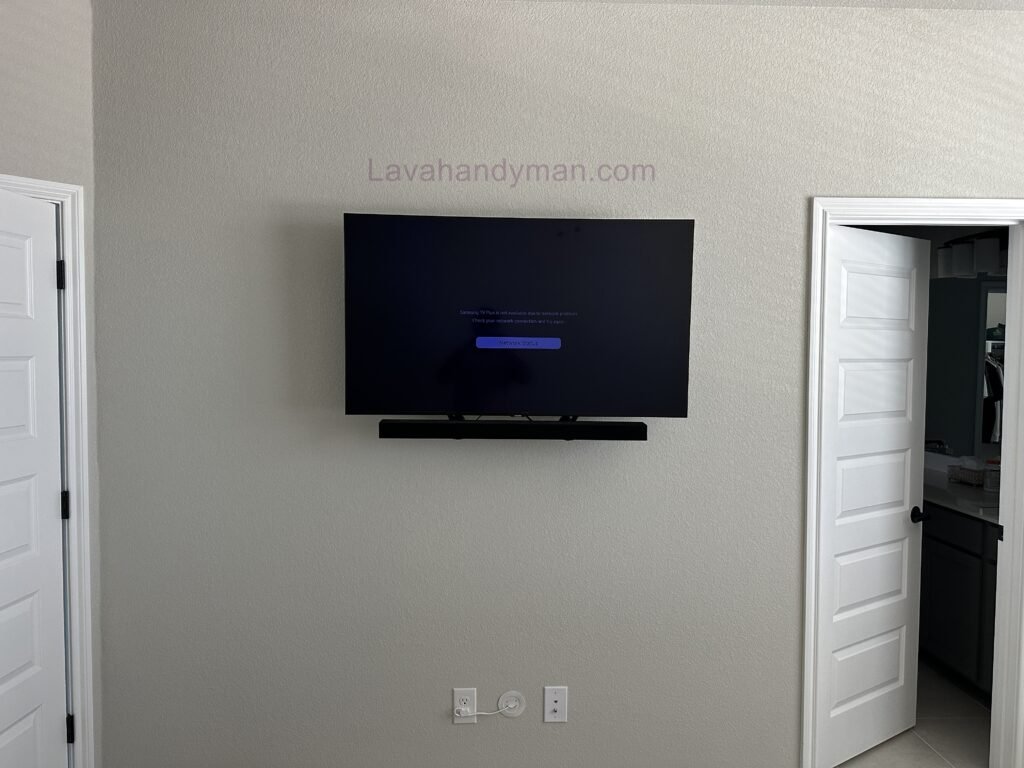
If you’re planning on wall mounting your TV, one of the first questions you’ll likely ask is: Should you choose a fixed TV wall mount or a full-motion TV wall mount? The answer depends on more than just the price. Factors such as your room layout, TV size, viewing habits, installation location, and interior design all play an important role in selecting the best TV wall mount.
Both types of TV wall mounts provide a secure way to mount your television, but they differ significantly in terms of flexibility, appearance, installation, and everyday functionality. Below, we’ll compare these two mounting options to help you determine which one best suits your needs.
Fixed vs. Full-Motion Bracket
1. Price Comparison
Price is often one of the first factors homeowners consider when shopping for a TV wall mount.
A fixed TV wall mount is generally the more affordable option because of its simple design and lack of moving components. If you’re looking for a reliable and budget-friendly TV mounting solution, a fixed mount offers excellent value.
A full-motion TV wall mount, on the other hand, costs more because it includes articulating arms, pivot joints, and adjustable viewing mechanisms. The additional investment provides greater flexibility and convenience.
Winner: Fixed TV Wall Mount
If affordability is your primary concern, a fixed mount is the better choice.
Fixed vs. Full-Motion Bracket
2. Viewing Angle and Flexibility
The biggest difference between a fixed TV wall mount and a full-motion TV wall mount is viewing flexibility.
Once installed, a fixed TV wall mount keeps the television in a single position with no ability to swivel or adjust the viewing angle.
A full-motion TV wall mount allows you to swivel the TV left and right, tilt it up or down, and extend or retract it from the wall. This flexibility makes it much easier to achieve the ideal viewing angle from different seating positions.
If your living room has multiple seating areas or an open layout, a full-motion TV wall mount offers a significantly better viewing experience.
Fixed vs. Full-Motion Bracket
3. Installation Comparison
Both types of TV wall mounts require careful installation, but one is generally easier to install than the other.
A fixed TV wall mount has a simpler structure, making installation faster and reducing the chance of alignment errors.
A full-motion TV wall mount requires greater precision because extending the articulating arm places additional stress on the mounting points. For maximum safety and long-term reliability, professional installation is often recommended.
Fixed vs. Full-Motion Bracket
4. Strength and Safety
If safety is your highest priority, you’ll be pleased to know that both mount types provide excellent security when properly installed.
However, a fixed TV wall mount is naturally more stable because it contains no moving parts, reducing mechanical stress over time.
A full-motion TV wall mount is also extremely secure when manufactured by a reputable brand, although its articulating arms and pivot joints may experience gradual wear with frequent use.
Fixed vs. Full-Motion Bracket
5. Appearance and Interior Design
If aesthetics are important to you, this comparison deserves special attention.
A fixed TV wall mount keeps the television extremely close to the wall, creating a clean, minimalist appearance that resembles a framed display.
A full-motion TV wall mount positions the television slightly farther from the wall to accommodate its articulating arms. While the difference is usually minimal, homeowners seeking the slimmest possible installation often prefer fixed mounts.
Fixed vs. Full-Motion Bracket
6. Cable Management and Accessibility
One of the greatest advantages of a full-motion TV wall mount is easy access to the back of the television.
Whether you’re connecting a gaming console, soundbar, streaming device, or replacing an HDMI cable, you can simply pull the TV away from the wall to access all rear connections.
With a fixed TV wall mount, accessing cables is generally more difficult and may require partially removing the television from the mount.
Fixed vs. Full-Motion Bracket
7. Which Mount Is Better for Large TVs?
Many people assume that larger televisions always require a full-motion TV wall mount, but that isn’t necessarily true.
Both fixed and full-motion TV wall mounts can safely support large televisions as long as the mount matches the TV’s VESA mounting pattern and weight capacity.
For 65-inch, 75-inch, or larger TVs, the most important consideration is choosing a high-quality mount with sufficient weight support—not simply selecting one style over another.
Fixed vs. Full-Motion Bracket
8. Long-Term Durability
From a durability standpoint, a fixed TV wall mount generally has the advantage.
Because it contains no moving components, there is less chance of mechanical wear or loose joints over time.
A high-quality full-motion TV wall mount can also provide years of dependable performance, but frequent movement naturally causes gradual wear on its hinges and articulating arms.
Fixed vs. Full-Motion Bracket
9. Who Should Choose a Fixed TV Wall Mount?
A fixed TV wall mount is the ideal choice if you:
- Always watch TV from the same seating position.
- Want an affordable TV mounting solution.
- Prefer a sleek, minimalist appearance.
- Rarely need access to cables behind the television.
- Prioritize maximum strength and long-term durability.
Fixed vs. Full-Motion Bracket
10. Who Should Choose a Full-Motion TV Wall Mount?
A full-motion TV wall mount is the better option if you:
- Watch television from multiple areas of the room.
- Need adjustable viewing angles.
- Plan to install your TV in a corner.
- Frequently connect gaming consoles, soundbars, or other external devices.
- Value flexibility and convenience more than minimizing cost.
Fixed vs. Full-Motion Bracket
Fixed vs. Full-Motion TV Wall Mount Comparison Table
| Feature | Fixed TV Wall Mount | Full-Motion TV Wall Mount |
|---|---|---|
| Price | Lower | Higher |
| Adjustable Viewing Angle | No | Yes |
| Stability | Excellent | Very Good |
| Installation | Easier | More Complex |
| Cable Access | Limited | Easy |
| Distance from Wall | Very Close | Slightly Further |
| Minimalist Appearance | Excellent | Very Good |
| Flexibility | Limited | Excellent |
| Best For | Standard Living Rooms | Large & Multi-Purpose Spaces |
Fixed vs. Full-Motion Bracket
Which TV Wall Mount Should You Choose?
The best TV wall mount depends entirely on your specific needs.
If your priorities are affordability, superior stability, long-term durability, and a clean minimalist look, a fixed TV wall mount is the smarter investment.
However, if you want adjustable viewing angles, easy cable access, greater flexibility, and the ability to watch TV comfortably from different areas of the room, a full-motion TV wall mount is well worth the additional cost.
Frequently Asked Questions About TV Wall Mounts
If you’re planning on wall mounting a TV, you probably have several questions about choosing the right TV wall mount, installation safety, compatibility, and long-term performance. Below are answers to some of the most frequently asked questions about fixed TV wall mounts and full-motion TV wall mounts to help you make the right decision.
Fixed vs. Full-Motion Bracket
Is a Fixed TV Wall Mount Safer Than a Full-Motion TV Wall Mount?
Both fixed TV wall mounts and full-motion TV wall mounts provide excellent safety when they are properly installed and matched to your television’s weight and VESA mounting pattern.
However, a fixed TV wall mount is generally considered more stable because it has no moving parts. With fewer mechanical components, there is less stress on the mounting hardware over time, making it an excellent choice for homeowners who prioritize long-term durability and maximum stability.
Fixed vs. Full-Motion Bracket
Can a Full-Motion TV Wall Mount Support Large TVs?
Yes.
Modern full-motion TV wall mounts are specifically designed to support large televisions, including 65-inch, 75-inch, and even 85-inch TVs, provided the mount’s weight capacity and VESA compatibility match your television.
Before purchasing any TV wall mount, always verify:
- Maximum supported TV size
- Maximum weight capacity
- Compatible VESA mounting pattern
These specifications are more important than simply choosing between a fixed or full-motion design.
Fixed vs. Full-Motion Bracket
How Do I Know If a TV Wall Mount Fits My TV?
Most modern televisions follow the VESA (Video Electronics Standards Association) mounting standard.
To choose the correct TV wall mount, you should check:
- TV screen size
- TV weight
- VESA mounting pattern (such as 200×200 mm or 400×400 mm)
A compatible TV wall mount should support all three specifications.
Fixed vs. Full-Motion Bracket
What Is the Best Height for Wall Mounting a TV?
The ideal height depends on your TV size and seating position.
In most living rooms, experts recommend positioning the center of the television screen at eye level while seated.
Installing your television at the correct height improves viewing comfort and helps reduce neck and eye strain during extended viewing sessions.
Fixed vs. Full-Motion Bracket
Can I Install a TV Wall Mount Myself?
If you have experience using installation tools and know how to locate wall studs or suitable mounting points, you may be able to install a TV wall mount yourself.
However, professional installation is strongly recommended for:
- Large televisions
- Full-motion TV wall mounts
- Brick or concrete walls
- Premium OLED or QLED televisions
Professional installation ensures maximum safety, accurate alignment, and long-term reliability.
Fixed vs. Full-Motion Bracket
Can You Mount a TV on Drywall?
A television should never be mounted directly to drywall alone.
Instead, the TV wall mount should be securely attached to wall studs or appropriate anchors specifically designed for your wall type.
Improper installation can damage both the wall and your television.
Fixed vs. Full-Motion Bracket
How Much Weight Can a TV Wall Mount Hold?
The weight capacity depends on the model.
Many high-quality fixed TV wall mounts and full-motion TV wall mounts can safely support between 30 kg (66 lbs) and 80 kg (176 lbs) or even more.
Always choose a TV wall mount with a weight rating higher than your television’s actual weight.
Fixed vs. Full-Motion Bracket
Are All TV Wall Mounts Universal?
Many TV wall mounts are marketed as universal because they support multiple VESA mounting patterns and a wide range of television sizes.
However, not every mount is compatible with every television.
Before purchasing, always confirm:
- TV size compatibility
- Maximum weight capacity
- Supported VESA mounting pattern
Checking these specifications ensures a safe and secure installation.
Fixed vs. Full-Motion Bracket
Final Thoughts
Choosing between a fixed TV wall mount and a full-motion TV wall mount depends on your room layout, viewing habits, television size, and personal preferences.
If your priorities are affordability, maximum stability, long-term durability, and a clean minimalist appearance, a fixed TV wall mount is an excellent choice.
If you prefer adjustable viewing angles, greater flexibility, easy cable access, and the ability to watch television comfortably from different areas of the room, investing in a full-motion TV wall mount is well worth the additional cost.
📞 Need Help?
Let us take care of the hard work while you sit back and relax.
📍 Serving: Austin, Round Rock, Cedar Park & more
📱 Call or Text: (737) 420-6992
🌐 Visit: https://lavahandyman.com