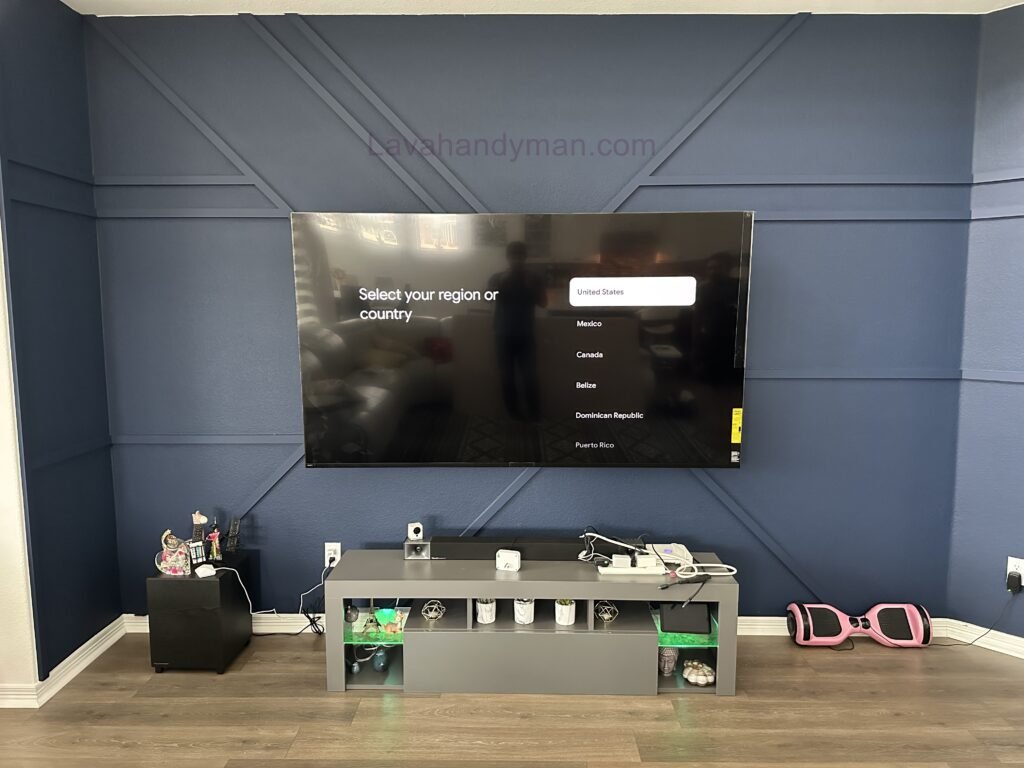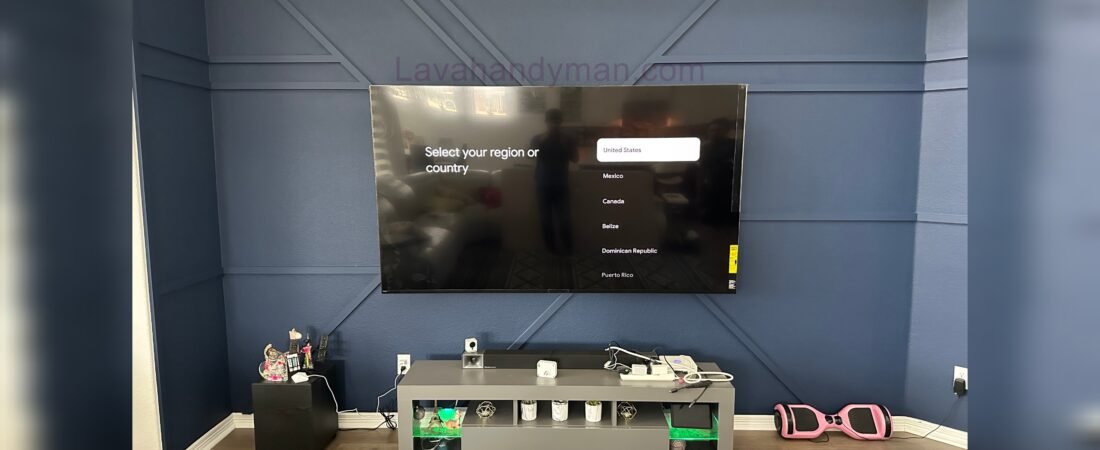
Mounting a TV on the Wall at a Low Height: The Best Viewing Height Guide
Today, mounting a TV on the wall at a low height has become one of the most popular trends in modern interior design. Many homeowners choose wall-mounted TVs to create a cleaner look, save space, and improve their overall viewing experience. However, one of the most important factors to consider during installation is choosing the correct TV mounting height. If a television is mounted too high or too low, it can reduce viewing comfort and even lead to neck pain, eye strain, and poor posture over time.
In recent years, interior designers and ergonomics experts have recommended installing a TV at a lower wall height, closer to the viewer’s natural eye level. This placement allows users to watch movies, sports, and television programs without tilting their heads upward, resulting in a more comfortable and healthier viewing experience. For this reason, low-height TV wall mounting is not only an aesthetic choice but also a practical solution for long-term comfort.
In this guide, you’ll learn the best standard height for mounting a TV on the wall, the factors that affect installation height, the advantages and disadvantages of mounting a TV at a low height, and practical tips for finding the ideal TV position in your home.
TV on the Wall at a Low Height
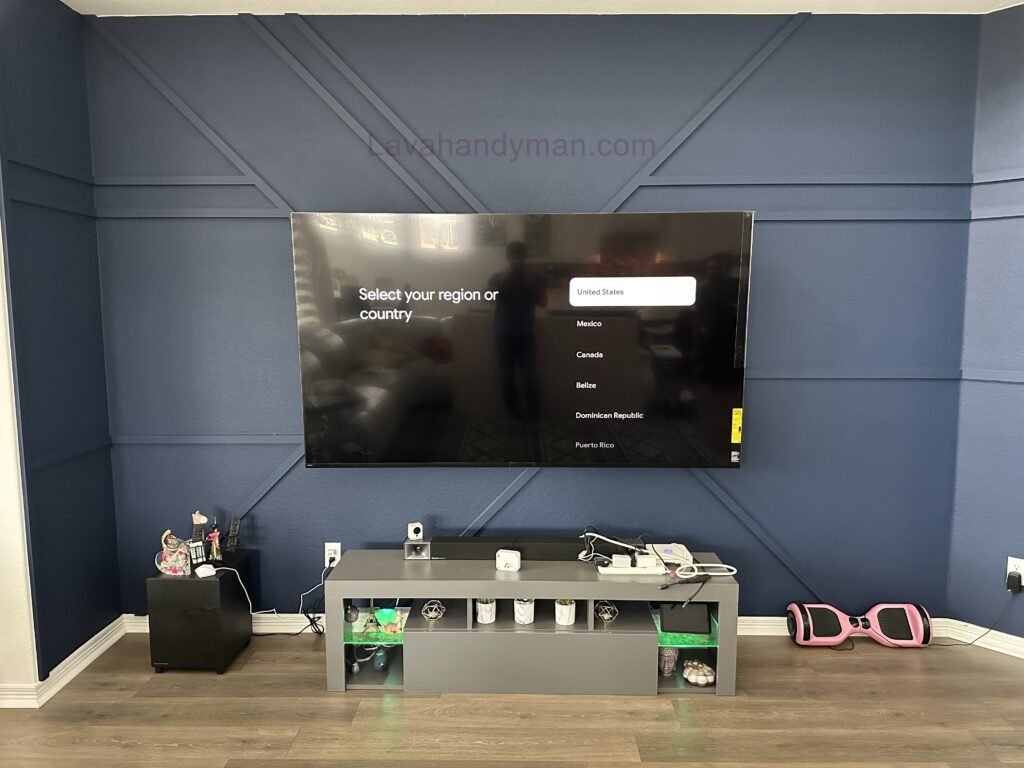
Why Is Low-Height TV Wall Mounting So Popular?
Until a few years ago, many homeowners preferred to install their televisions relatively high on the wall. However, thanks to ergonomic research and real-world user experience, mounting a TV at a lower height has become the preferred option.
When a TV is mounted too high, viewers must keep their heads tilted upward for extended periods. Over time, this position can cause neck fatigue, shoulder pain, spinal discomfort, and reduced viewing comfort. In contrast, mounting a TV lower on the wall keeps the screen closer to eye level, allowing the head and neck to remain in a natural position while watching.
TV on the Wall at a Low Height
Besides its ergonomic benefits, low-height TV wall mounting has become increasingly popular in modern, minimalist, and luxury interior designs. Placing the television closer to a media console or floating cabinet creates a cleaner appearance while maintaining visual balance throughout the room.
What Is the Best Standard Height for Mounting a TV on the Wall?
One of the most common questions homeowners ask is:
What is the ideal height for mounting a TV on the wall?
According to ergonomics experts, the center of the TV screen should be positioned at approximately the viewer’s eye level while seated.
For most adults, seated eye level ranges between 95 and 110 centimeters (37–43 inches) from the floor. Therefore, the center of the television should generally fall within this range.
TV on the Wall at a Low Height
The exact mounting height depends on several factors, including the size of the television, seating height, viewing distance, and the type of wall mount being used.
Here are the recommended center-screen heights for common TV sizes:
- 43-inch TV: 95–100 cm (37–39 inches)
- 50-inch TV: 100–105 cm (39–41 inches)
- 55-inch TV: Around 105 cm (41 inches)
- 65-inch TV: 105–110 cm (41–43 inches)
- 75-inch TV and larger: Approximately 110 cm (43 inches)
Following these recommendations provides the most comfortable viewing angle while reducing unnecessary strain on the neck and eyes.
TV on the Wall at a Low Height
What Does Mounting a TV at a Low Height Really Mean?
Many people assume that low-height TV mounting means placing the television very close to the floor. In reality, that’s a common misconception.
Mounting a TV at a low height simply means positioning it lower than traditional installations while still keeping the center of the screen aligned with the viewer’s natural eye level.
In most homes, the bottom edge of the television is typically installed 50 to 70 centimeters (20–28 inches) above the floor. This range offers an excellent balance between aesthetics, safety, and viewing comfort.
Installing the TV significantly lower than this may reduce visual appeal and increase the risk of accidental contact, especially in homes with children or pets. Finding the right balance between design, safety, and ergonomics is essential.
TV on the Wall at a Low Height
Factors That Affect TV Mounting Height
Several important factors should be considered before determining the ideal mounting height.
1. TV Size
The larger the television, the taller the overall screen becomes. As TV size increases, the mounting position should be adjusted so that the center of the screen remains at eye level.
2. Seating Height
Your furniture plays a major role in determining the proper installation height. Lower sofas require a slightly lower TV position, while taller seating arrangements may call for a slightly higher installation.
TV on the Wall at a Low Height
3. Viewing Distance
Viewing distance also affects the ideal mounting height. In smaller rooms where viewers sit closer to the screen, proper height becomes even more important. In larger living rooms, small differences in mounting height are generally less noticeable.
4. Wall Mount Type
Different wall mounts offer different levels of flexibility. Fixed mounts keep the TV in one position, while tilting and full-motion mounts allow users to adjust the viewing angle. Even with adjustable mounts, it’s still recommended to install the television at the correct ergonomic height.
5. Installation Location
The ideal TV height depends on where it will be installed. In a bedroom, viewers often watch television while reclining, so the TV is typically mounted slightly higher. In contrast, low-height TV wall mounting is generally the best option for living rooms because it provides a natural viewing angle for people seated on sofas.
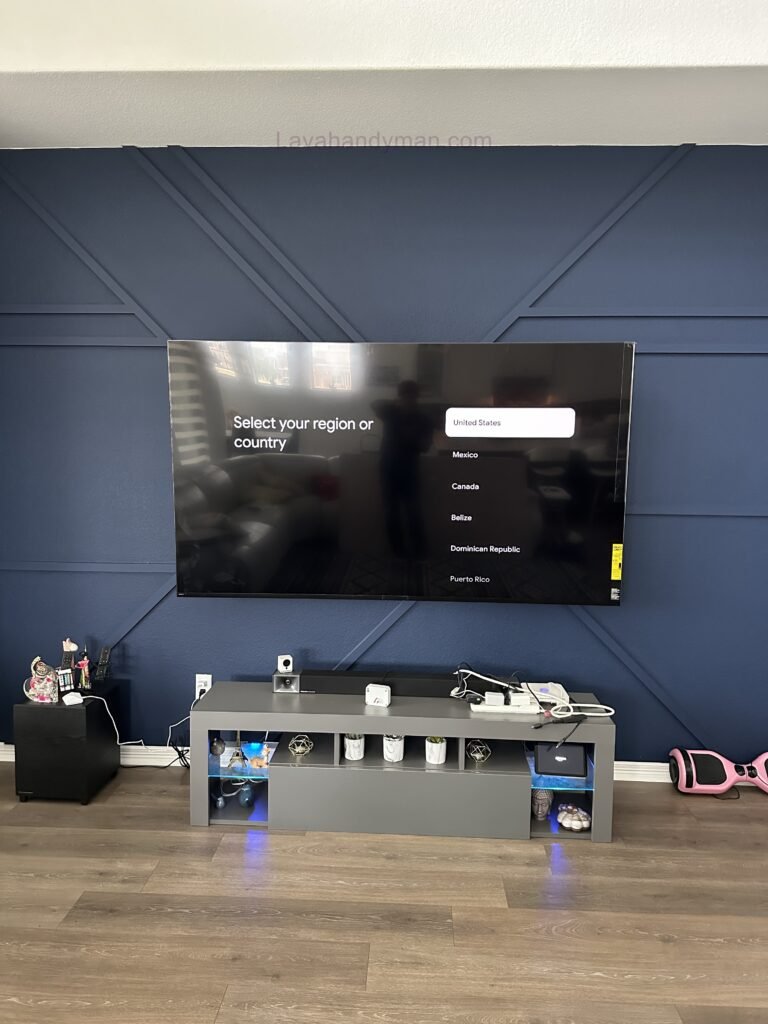
TV on the Wall at a Low Height
Benefits and Drawbacks of Mounting a TV on the Wall at a Low Height
Choosing the right TV wall mounting height is one of the most important factors in creating a comfortable and enjoyable viewing experience. While mounting a TV on the wall at a low height has become increasingly popular in modern homes, understanding both its advantages and potential drawbacks can help you make the best decision for your space.
A properly positioned television not only enhances comfort but also improves room aesthetics, supports better posture, and creates a more immersive home entertainment experience. Below, we’ll explore why low-height TV wall mounting is recommended by many interior designers and ergonomics experts.
Benefits of Mounting a TV on the Wall at a Low Height
1. Provides a More Comfortable Viewing Experience
TV on the Wall at a Low Height
One of the biggest benefits of mounting a TV on the wall at a low height is improved viewing comfort. When the center of the screen aligns with your natural eye level, you can watch television without constantly raising your head.
Whether you’re streaming movies, watching live sports, or playing video games, a correctly mounted television allows you to maintain a relaxed posture for extended periods.
Because your eyes naturally focus on the center of the screen, you’ll experience less fatigue during long viewing sessions.
2. Reduces Neck and Shoulder Pain
Health experts agree that the best TV wall mounting height is one that minimizes strain on the neck and shoulders.
A television mounted too high forces viewers to tilt their heads upward for long periods, placing unnecessary stress on the cervical spine and upper back muscles.
TV on the Wall at a Low Height
By comparison, low-height TV installation keeps the head in a neutral position, helping reduce muscle fatigue and improving overall posture.
This benefit is especially valuable for people who spend several hours each day watching television.
3. Improves Ergonomics
Proper ergonomics plays a significant role in home entertainment.
The ideal TV mounting height allows your eyes to naturally meet the center of the display without excessive upward or downward movement.
This positioning helps reduce:
- Eye strain
- Neck tension
- Shoulder fatigue
- Poor sitting posture
As a result, you’ll enjoy a more comfortable and immersive viewing experience.
TV on the Wall at a Low Height
4. Creates a Modern Interior Design
From an interior design perspective, mounting a TV on the wall at a low height creates a balanced and elegant appearance.
Today’s minimalist and contemporary living rooms often feature televisions installed just above floating media consoles or entertainment cabinets.
This layout creates clean horizontal lines while making the room feel larger and more organized.
Low TV installation is especially popular in:
- Modern homes
- Luxury apartments
- Scandinavian interiors
- Minimalist living rooms
- Contemporary entertainment spaces
TV on the Wall at a Low Height
5. Makes Cable Management Easier
Installing the television closer to a media console simplifies cable organization.
Power cables, HDMI cords, gaming console wires, and streaming devices can all be hidden more effectively, resulting in a cleaner entertainment setup.
Many homeowners combine low-height TV wall mounting with concealed cable systems for a professional-looking installation.
6. Enhances the Gaming Experience
TV on the Wall at a Low Height
For gamers, the best TV wall mounting height is one that supports long gaming sessions without causing physical discomfort.
A lower-mounted television keeps the screen closer to eye level, reducing neck movement and allowing players to maintain better posture throughout extended gameplay.
This is one reason why professional gaming rooms often use lower TV mounting positions.
Potential Drawbacks of Mounting a TV at a Low Height
Although low-height TV wall mounting offers numerous advantages, there are a few situations where additional planning may be necessary.
TV on the Wall at a Low Height
Limited Visibility During Large Gatherings
If multiple rows of seating are used or several people are standing in the room, a lower-mounted television may occasionally be blocked by others.
This is most common in large family rooms or entertainment spaces where many people watch television together.
Safety Considerations for Homes with Young Children
Families with toddlers should carefully evaluate the mounting height before installation.
A television positioned too close to the floor may be easier for children to touch or accidentally impact.
For most households, keeping the bottom edge of the television approximately 20–28 inches (50–70 cm) above the floor provides an excellent balance between safety and comfortable viewing.
TV on the Wall at a Low Height
Less Space for Decorative Features
Some homeowners prefer placing decorative shelves, artwork, fireplaces, or soundbars beneath the television.
Installing the TV lower on the wall may reduce the available space for these decorative elements, making layout planning especially important.
Common TV Wall Mounting Mistakes
Even when selecting the best TV mounting height, installation mistakes can negatively affect comfort and functionality.
Mounting the TV Too High
This remains the most common mistake among homeowners.
Many people position the television as though it were wall art rather than a screen designed for hours of viewing.
Remember, comfortable viewing should always take priority over appearance.
TV on the Wall at a Low Height
Ignoring Viewing Distance
Your seating distance directly affects the ideal TV wall mounting height.
Smaller rooms require more precise positioning, while larger spaces provide slightly greater flexibility.
Always consider both viewing distance and eye level before installation.
Choosing the Wrong Wall Mount
Not all wall mounts provide the same functionality.
- Fixed mounts are ideal for eye-level installations.
- Tilting mounts help when the TV must be mounted slightly higher.
- Full-motion mounts provide maximum flexibility for adjusting viewing angles.
Choosing the correct wall mount improves both comfort and long-term usability.
TV on the Wall at a Low Height
Poor Cable Planning
One of the biggest installation mistakes is waiting until after mounting the television to think about cable management.
Planning power outlets, HDMI ports, internet connections, and hidden wiring beforehand creates a cleaner, safer, and more professional installation.
Forgetting to Measure Furniture Height
Your sofa, recliner, or seating arrangement determines where your eyes naturally rest while watching television.
Before drilling into the wall, measure your seated eye level to ensure the TV mounting height provides the most comfortable viewing position.
TV on the Wall at a Low Height
Is Low-Height TV Wall Mounting the Right Choice?
For most living rooms, the answer is yes.
If you typically watch television while sitting on a sofa or armchair, mounting your TV on the wall at a low height offers the ideal combination of comfort, ergonomics, and modern design.
Before installation, consider your TV size, seating height, viewing distance, wall mount type, and room layout. By carefully planning these factors, you’ll create an entertainment setup that delivers both outstanding visual comfort and a clean, contemporary appearance.
How to Determine the Best TV Wall Mounting Height
Choosing the best TV wall mounting height is one of the most important steps in creating a comfortable, ergonomic, and visually appealing entertainment space. While many homeowners prefer mounting a TV on the wall at a low height, there is no universal measurement that works for every home. The ideal mounting height depends on several factors, including your TV size, seating position, viewing distance, furniture height, and room layout.
By understanding these variables, you can ensure that your wall-mounted TV delivers maximum comfort while complementing your interior design.
TV on the Wall at a Low Height
Step 1: Measure Your Seated Eye Level
The foundation of proper TV wall mounting begins with measuring your seated eye level.
Sit on the sofa or chair where you normally watch television, maintaining your natural posture. Measure the distance from the floor to your eyes.
For most adults, seated eye level ranges between 37 and 43 inches (95–110 cm).
To achieve the best TV mounting height, the center of the television screen should align as closely as possible with this measurement.
This simple step significantly improves viewing comfort while reducing neck and shoulder strain.
TV on the Wall at a Low Height
Step 2: Measure Your Television
Different TV models have different dimensions, even when they share the same screen size.
Before mounting the television, measure its overall height.
For example:
- A typical 55-inch TV measures approximately 28 inches (71 cm) in height.
- Half of the screen height equals 14 inches (35.5 cm).
If your seated eye level measures 41 inches (105 cm), subtract half of the TV’s height.
105 cm − 35.5 cm ≈ 69.5 cm
This calculation indicates that the bottom edge of the television should be installed approximately 70 cm (28 inches) above the floor.
Following this method ensures the center of the screen remains at eye level, creating the ideal low-height TV wall mounting position.
TV on the Wall at a Low Height
Step 3: Consider the Viewing Distance
Viewing distance is another essential factor when determining the ideal TV wall mounting height.
The farther you sit from the television, the less sensitive you are to small differences in mounting height. However, in smaller living rooms where seating is closer to the TV, proper positioning becomes much more important.
Below are the recommended viewing distances for popular TV sizes.
| TV Size | Recommended Viewing Distance |
|---|---|
| 43-inch | 5.5–8 ft (1.7–2.4 m) |
| 50-inch | 6–8.5 ft (1.8–2.6 m) |
| 55-inch | 7–9 ft (2.1–2.7 m) |
| 65-inch | 8–10 ft (2.4–3 m) |
| 75-inch | 9–12 ft (2.7–3.7 m) |
Maintaining both the correct viewing distance and the proper TV mounting height creates the most comfortable and immersive viewing experience.
TV on the Wall at a Low Height
Recommended TV Wall Mounting Height by Screen Size
Although every room has unique dimensions, the following recommendations provide an excellent starting point for mounting a TV on the wall at a low height.
| TV Size | Center of Screen | Bottom of TV |
|---|---|---|
| 43-inch | 95–100 cm | 58–63 cm |
| 50-inch | 100–105 cm | 62–67 cm |
| 55-inch | About 105 cm | 68–70 cm |
| 65-inch | 105–110 cm | 60–65 cm |
| 75-inch | Around 110 cm | 56–60 cm |
These measurements are based on average seating height and standard living room furniture. Minor adjustments may be necessary depending on your room layout and personal viewing preferences.
Living Room vs. Bedroom TV Mounting Height
One of the most frequently asked questions is whether the best TV mounting height is the same in every room.
The answer is no.
Living Room TV Mounting Height
For most living rooms, low-height TV wall mounting is the preferred solution.
Since viewers are typically seated upright on sofas or chairs, positioning the center of the television at eye level provides the most comfortable viewing angle while reducing neck fatigue.
This approach also creates a clean, balanced appearance that complements modern interior design.
Bedroom TV Mounting Height
Bedrooms require a different approach.
Because people usually watch television while reclining in bed, the TV is often mounted slightly higher than it would be in a living room.
Installing a tilting wall mount can further improve viewing comfort by directing the screen toward the viewer.
Choosing the Best TV Wall Mount
Selecting the right wall mount is just as important as choosing the correct TV mounting height.
Fixed TV Wall Mount
A fixed wall mount keeps the television close to the wall and is ideal when the TV will be installed at the perfect viewing height.
Benefits include:
- Slim, modern appearance
- Excellent stability
- Lower cost
- Minimal maintenance
Tilting TV Wall Mount
A tilting mount allows the television to angle downward slightly.
This option is recommended when the TV must be mounted above eye level or when reducing screen glare is necessary.
Full-Motion TV Wall Mount
A full-motion wall mount provides the greatest flexibility.
It allows users to:
- Tilt the screen
- Swivel left and right
- Extend the television away from the wall
This type of mount is perfect for open-concept homes, large living rooms, and spaces with multiple seating areas.
Professional Tips for Mounting a TV on the Wall at a Low Height
Professional installers recommend following these best practices for achieving the ideal TV wall mounting height.
- Measure seated eye level before beginning installation.
- Position the center of the TV at or slightly below eye level.
- Match viewing distance to screen size.
- Leave enough space below the TV for a media console or soundbar.
- Conceal cables using in-wall routing or cable management systems.
- Select a wall mount rated for your TV’s size and weight.
- Secure the mount to wall studs or use appropriate heavy-duty anchors.
Following these recommendations will help ensure a safe installation while maximizing viewing comfort.
Frequently Asked Questions About TV Wall Mounting Height
Is it better to mount a TV lower on the wall?
Yes. In most living rooms, mounting a TV on the wall at a low height provides a more natural viewing angle, improves posture, and reduces neck strain during extended viewing sessions.
What is the best height for mounting a 55-inch TV?
For most seating arrangements, the center of a 55-inch TV should be positioned approximately 105 cm (41 inches) above the floor. The exact measurement may vary depending on sofa height and viewing distance.
Can a TV be mounted too low?
Yes. While low-height TV wall mounting is recommended, installing the television too close to the floor may reduce comfort, affect the room’s aesthetics, and increase the risk of accidental damage.
What is the ideal TV viewing height?
The ideal viewing height places the center of the television at or slightly below the viewer’s seated eye level. This position offers the most ergonomic and comfortable viewing experience.
Conclusion
Mounting a TV on the wall at a low height is one of the best ways to create a comfortable, ergonomic, and visually appealing home entertainment setup. By positioning the screen near seated eye level, you can reduce neck strain, improve posture, and enjoy a better overall viewing experience.
Before installing your television, consider your TV size, viewing distance, furniture height, wall mount type, and room layout. Careful planning ensures you achieve the best TV wall mounting height while enhancing both functionality and interior design.
📞 Need Help?
Let us take care of the hard work while you sit back and relax.
📍 Serving: Austin, Round Rock, Cedar Park & more
📱 Call or Text: (737) 420-6992
🌐 Visit: https://lavahandyman.com