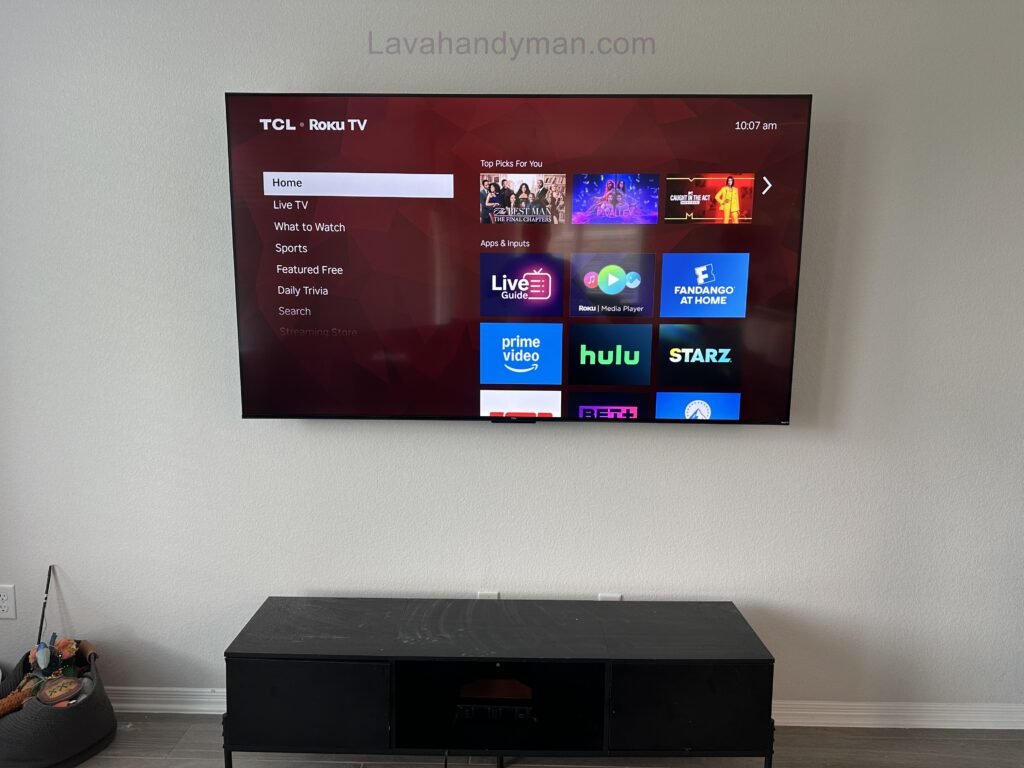
A comprehensive guide to mounting a TV on the wall; from choosing a bracket to hiding wires
If you’re planning a TV wall mount installation, understanding the installation process, choosing the right TV wall mount bracket, and following proper safety guidelines are essential. A professionally mounted TV not only creates a modern and stylish appearance but also improves safety, maximizes available space, and enhances your overall viewing experience. That’s why more homeowners are replacing traditional TV stands with wall-mounted TV brackets, whether fixed or full-motion.
However, mounting a TV on the wall involves much more than simply attaching a bracket. Selecting the ideal location, evaluating your wall type, choosing the right TV wall mount, determining the proper mounting height, and planning for TV cable management all play a crucial role in ensuring a safe, durable, and professional installation.
In this complete guide to TV wall mount installation, you’ll learn everything from selecting the best TV mount to hiding cables, helping you install your television safely, efficiently, and with professional results.
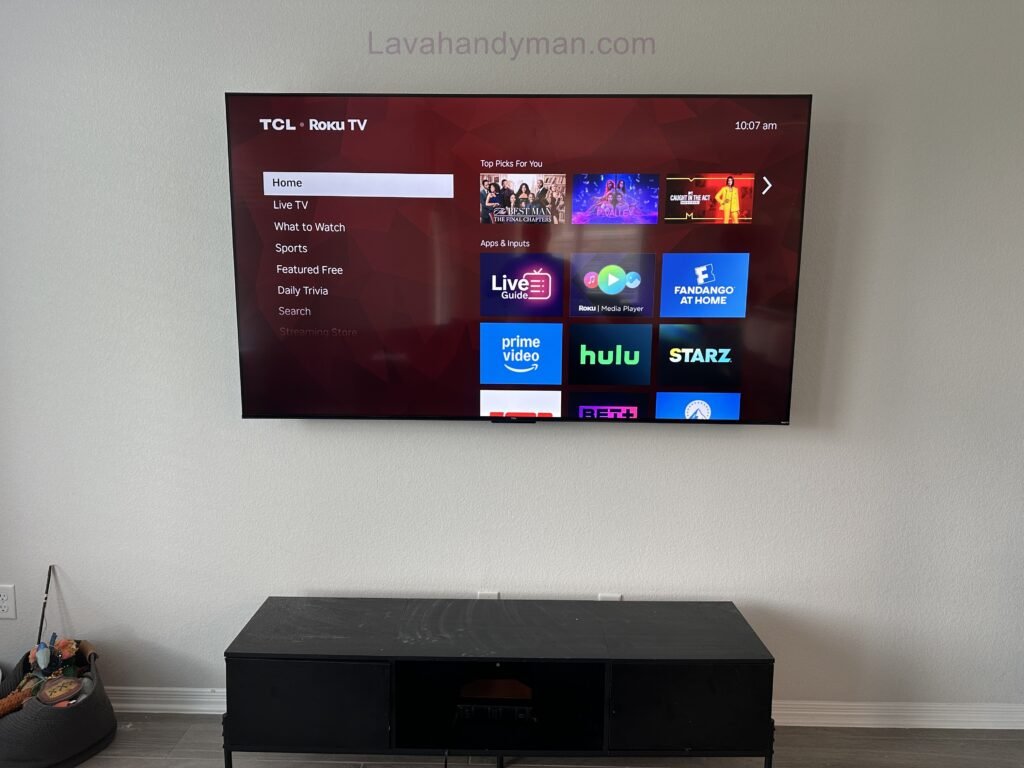
A comprehensive guide to mounting a TV
Why Is Wall Mounting Your TV the Best Choice?
TV wall mount installation is more than just a design trend. It offers numerous practical benefits, including improved safety, better space utilization, and a more comfortable viewing experience. When installed correctly, a wall-mounted TV enhances both the appearance and functionality of your living space.
Enhance Your Interior Design
One of the biggest advantages of mounting a TV on the wall is achieving a clean, modern, and minimalist look. Removing the TV stand creates more usable space and allows greater flexibility when arranging your furniture. Proper TV cable management also helps create a sleek, clutter-free entertainment area.
Maximize Living Space
In today’s apartments and modern homes, making the most of available space is essential. A wall-mounted TV frees up valuable floor space, making your room feel larger, more organized, and more functional.
Improve Safety
If you have children or pets, TV wall mount installation significantly reduces the risk of the television tipping over. Wall mounting is also the preferred solution for offices, retail stores, waiting rooms, and commercial environments where equipment safety is a priority.
Achieve the Ideal Viewing Angle
Installing your television at the correct height and using a full-motion TV wall mount allows you to adjust the screen for optimal viewing. This reduces strain on your neck and eyes during extended viewing sessions.
A comprehensive guide to mounting a TV
What Should You Consider Before Mounting a TV?
Before purchasing a TV wall mount bracket or beginning the installation process, there are several important factors you should evaluate. Proper planning helps ensure a safe, efficient, and hassle-free installation.
Choose the Best Mounting Location
The installation location has a direct impact on both viewing comfort and the overall appearance of your room.
When selecting a location, consider the following:
- Position the TV directly in front of your primary seating area.
- Avoid placing the television where direct sunlight hits the screen.
- Choose a location close to power outlets and antenna or internet connections.
- Leave adequate ventilation space behind the TV.
- Ensure the wall can safely support both the television and the mounting bracket.
A comprehensive guide to mounting a TV
Evaluate the Wall Type Before Installation
Your wall material determines the type of mounting hardware and installation method required for a secure TV wall mount installation.
Mounting a TV on a Concrete Wall
Concrete walls provide the strongest and safest mounting surface. They are ideal for supporting large and heavy televisions.
Mounting a TV on a Brick Wall
Brick walls are also excellent for TV installation. However, drilling should always be done into the solid brick rather than the mortar joints to maximize stability.
A comprehensive guide to mounting a TV
Mounting a TV on Drywall
When performing TV wall mount installation on drywall, specialized anchors should be used. Whenever possible, the wall bracket should be attached directly to the wall studs for maximum strength.
Mounting a TV on a Plaster Wall
If the plaster wall lacks sufficient structural support, installing a large television is not recommended. In such cases, the bracket should be fastened directly to the wall framing or structural supports.
Understanding the Different Types of TV Wall Mounts
Choosing the right TV wall mount is one of the most important steps in achieving a safe and reliable installation. Different mount types are designed for different viewing needs and room layouts.
Fixed TV Wall Mount
A fixed TV wall mount is the simplest and most commonly used mounting solution. It keeps the television close to the wall and does not allow any movement after installation.
Advantages
A comprehensive guide to mounting a TV
- Affordable price
- Easy installation
- Strong and secure
- Low-profile design
Disadvantages
- No screen adjustment
- Limited access to rear cables
Fixed mounts are ideal for rooms where the viewing position never changes.
Full-Motion TV Wall Mount
A full-motion TV wall mount offers maximum flexibility by allowing the television to move in multiple directions. It is an excellent choice for large living rooms or spaces where the TV is viewed from different angles.
Features
- Swivels left and right
- Tilts up and down
- Extends away from the wall
- Provides easier access to cables
A comprehensive guide to mounting a TV
Advantages
- Excellent flexibility
- Better viewing angles
- Perfect for large rooms
Disadvantages
- Higher cost
- More complex installation
- Requires a strong supporting wall
A comprehensive guide to mounting a TV
Tilting TV Wall Mount
A tilting TV wall mount allows vertical angle adjustment while keeping the TV close to the wall. It is especially useful when the television is installed higher than eye level.
Advantages
- Reduces screen glare
- Improves viewing comfort
- More affordable than full-motion mounts
A comprehensive guide to mounting a TV
How to Choose the Best TV Wall Mount
Selecting the best TV wall mount is essential for both safety and long-term durability. Before purchasing, consider the following factors.
TV Size Compatibility
Choose a wall mount specifically designed for your television’s screen size.
Common compatibility ranges include:
- 32–43 inches
- 43–55 inches
- 55–75 inches
- 75 inches and larger
Never use a mount that is not rated for your TV size.
A comprehensive guide to mounting a TV
Weight Capacity
Always select a wall mount with a weight capacity greater than your television’s actual weight. This provides an additional safety margin and ensures long-term reliability.
VESA Compatibility
Before purchasing, verify that your television’s VESA mounting pattern matches the wall mount.
The most common VESA sizes include:
- 200 × 200 mm
- 300 × 300 mm
- 400 × 400 mm
- 600 × 400 mm
Matching the correct VESA standard is essential for a secure installation.
Professional TV Wall Mount Installation: A Step-by-Step Guide
After choosing the right TV wall mount, selecting the ideal installation location, and preparing the necessary tools, it’s time to begin the most important step: the TV wall mount installation itself. By carefully following each step and adhering to proper installation techniques, you can securely mount your television, ensuring it remains level, stable, and safe for years to come.
In this section, you’ll learn the complete TV wall mounting process, from determining the ideal mounting height to performing the final safety inspection.
A comprehensive guide to mounting a TV
Step 1: Determine the Ideal TV Mounting Height
One of the most common mistakes during TV wall mount installation is placing the television too high or too low. Incorrect positioning can lead to neck pain, eye strain, and an uncomfortable viewing experience.
As a general rule, the center of the TV screen should be positioned at eye level when you’re seated. In most homes, the recommended height for the center of the screen is approximately 100–110 cm (39–43 inches) from the floor.
However, the ideal mounting height depends on several factors, including:
- TV screen size
- Sofa or chair height
- Viewing distance
- Room layout
Important Tips
- Mount the TV directly in front of the main seating area.
- Avoid installing the TV above a fireplace whenever possible.
- In bedrooms, the TV can be mounted slightly higher.
- The larger the TV, the greater the recommended viewing distance.
A comprehensive guide to mounting a TV
Step 2: Prepare the Required Installation Tools
Using the proper tools makes TV wall mount installation faster, more accurate, and much safer.
The essential tools include:
- Hammer drill
- Power drill
- Appropriate drill bits
- Measuring tape
- Spirit level or laser level
- Pencil or marker
- Screwdriver
- Socket wrench
- Mounting screws and wall anchors
- Safety gloves
- Stud finder (for drywall installations)
- Wire detector (recommended)
A comprehensive guide to mounting a TV
Step 3: Mark the Wall Mount Location
The next step is to accurately mark the location where the TV wall mount bracket will be installed.
Follow these steps:
- Hold the wall mount bracket against the wall.
- Measure the desired installation height.
- Mark the mounting holes with a pencil.
- Use a level to ensure the bracket is perfectly horizontal.
Taking accurate measurements at this stage helps guarantee a perfectly level installation.
A comprehensive guide to mounting a TV
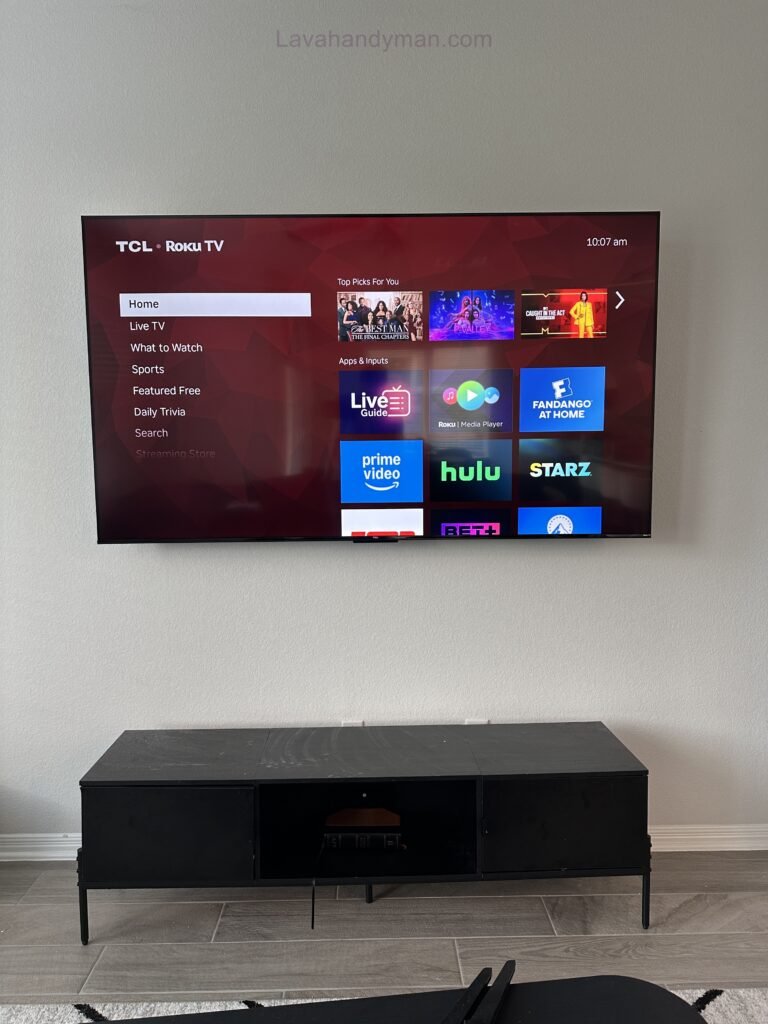
Step 4: Drill the Mounting Holes
A comprehensive guide to mounting a TV
Once the mounting points have been marked, drill the holes according to the size of the wall anchors.
Keep these tips in mind:
- Use the correct drill bit for your wall material.
- Drill straight into the wall at a 90-degree angle.
- Make the holes slightly deeper than the wall anchors.
- Remove all dust and debris before inserting the anchors.
Before drilling, always confirm that there are no electrical wires or plumbing pipes behind the wall.
Step 5: Install the TV Wall Mount Bracket
A comprehensive guide to mounting a TV
Insert the wall anchors into the drilled holes and secure the TV wall mount bracket using the appropriate screws.
During installation:
- Tighten the screws evenly.
- Check the alignment several times using a level.
- Avoid overtightening the screws.
The bracket should be firmly attached with no movement or wobbling.
Step 6: Attach the Mounting Arms to the Television
A comprehensive guide to mounting a TV
Next, attach the mounting arms to the back of the TV.
Important recommendations:
- Use the screws designed for your TV model.
- Install washers or spacers if required.
- Do not overtighten the screws.
Using incorrect screw sizes may damage the television or result in an insecure installation.
Step 7: Mount the TV onto the Wall Bracket
This step is best completed with the assistance of another person.
Carefully lift the television, place it onto the wall bracket, and engage the safety locking mechanism.
Finally, verify that the television is securely attached before letting go.
A comprehensive guide to mounting a TV
Step 8: Connect the Cables
After mounting the TV, reconnect all required cables.
These may include:
- Power cable
- HDMI cable
- Ethernet cable
- Antenna cable
- Audio system cables
If you’re using a full-motion TV wall mount, leave enough slack in the cables so they won’t be stretched when adjusting the TV’s position.
A comprehensive guide to mounting a TV
Installing a TV on Different Wall Types
Mounting a TV on a Concrete Wall
Concrete walls provide the strongest support for televisions. Using heavy-duty concrete anchors and high-strength screws ensures a safe and reliable installation.
Mounting a TV on a Brick Wall
When installing on brick walls, always drill into solid bricks rather than mortar joints to maximize stability.
A comprehensive guide to mounting a TV
Mounting a TV on Drywall
For TV wall mount installation on drywall, use specialized drywall anchors whenever necessary. Whenever possible, secure the bracket directly to the wall studs for maximum strength and safety.
Mounting a TV on a Plaster Wall
When installing on plaster walls, attaching the wall mount directly to the structural framing behind the wall provides the safest and most secure installation.
A comprehensive guide to mounting a TV
Essential Safety Tips for TV Wall Mount Installation
- Check your TV’s weight before purchasing a wall mount.
- Always use a high-quality, certified TV wall mount.
- Never exceed the mount’s maximum weight capacity.
- Wear safety glasses while drilling.
- Ask someone to help lift large televisions.
- Double-check every screw and connection before completing the installation.
Common Mistakes to Avoid During TV Wall Mount Installation
A comprehensive guide to mounting a TV
Poor cable management
Mounting the TV too high or too low
Choosing the wrong wall mount
Ignoring the wall type
Drilling without checking for electrical wiring
Overtightening the mounting screws
TV Cable Management, Installation Costs, and Maintenance: A Complete Guide After Wall Mounting Your TV
A comprehensive guide to mounting a TV
After completing your TV wall mount installation, creating a clean, organized, and professional-looking entertainment space is just as important as the installation itself. Proper TV cable management not only enhances the appearance of your room but also protects cables from damage and makes future maintenance or upgrades much easier.
In this section, you’ll learn the best methods for hiding TV cables, organizing cable systems, maintaining a wall-mounted TV, understanding the factors that influence TV wall mount installation costs, and finding answers to the most frequently asked questions.
The Best Ways to Hide TV Cables
One of the biggest advantages of a wall-mounted TV is achieving a modern, clean, and clutter-free living space. However, exposed power cords, HDMI cables, and antenna wires can significantly reduce the visual appeal of your setup.
Below are the most effective methods for hiding TV cables.
A comprehensive guide to mounting a TV
1. Install a Cable Raceway
A cable raceway is one of the easiest, fastest, and most affordable solutions for hiding TV cables.
Benefits
- Easy installation without damaging the wall
- Cost-effective solution
- Available in various sizes and colors
- Allows easy cable replacement or future upgrades
For an even cleaner appearance, cable raceways can be painted to match the wall color.
2. Route Cables Inside the Wall
A comprehensive guide to mounting a TV
If you’re aiming for a sleek, modern, and minimalist entertainment area, routing the cables inside the wall is the best option.
Advantages
- Completely hides visible cables
- Creates a clean, professional appearance
- Enhances interior design
- Provides better cable protection
Note: In-wall cable routing should ideally be performed by a professional installer to avoid damaging electrical wiring or the wall structure.
3. Use a Cable Management Box
Cable management boxes are designed to organize excess cables, power strips, and adapters.
In addition to improving the overall appearance of your space, they protect cables from dust, accidental impacts, and everyday wear, making them an excellent solution for homes, offices, and commercial environments.
A comprehensive guide to mounting a TV
Recommended TV Viewing Distance
Maintaining the proper TV viewing distance improves picture quality, reduces eye strain, and provides a more comfortable viewing experience.
The ideal viewing distance depends on both the television’s screen size and resolution.
| TV Size | Recommended Viewing Distance |
|---|---|
| 43 inches | 1.5–2 meters (5–6.5 ft) |
| 50 inches | 2–2.5 meters (6.5–8 ft) |
| 55 inches | 2.2–2.8 meters (7–9 ft) |
| 65 inches | 2.5–3.2 meters (8–10.5 ft) |
| 75 inches | 3–4 meters (10–13 ft) |
A comprehensive guide to mounting a TV
Essential Tips for Maintaining a Wall-Mounted TV
When your TV wall mount installation is completed correctly, following a few simple maintenance practices can significantly extend the lifespan of both your television and the mounting bracket.
Maintenance Checklist
- Inspect the mounting screws every few months and tighten them if necessary.
- Never lean on or apply pressure to the television.
- Clean the screen only with a microfiber cloth.
- Do not spray cleaning solutions directly onto the display.
- Keep cables neatly organized to prevent stretching or damage.
- Carefully remove the TV from the wall mount before relocating.
Regular inspections help maintain the safety and stability of your wall-mounted television over time.
A comprehensive guide to mounting a TV
What Factors Affect the Cost of TV Wall Mount Installation?
The cost of TV wall mount installation varies depending on several important factors.
Television Size
Larger televisions require stronger wall mounts and more installation time, resulting in higher installation costs.
Wall Type
Installing a television on concrete, brick, drywall, or plaster walls requires different hardware and installation methods, which can affect labor costs.
Type of TV Wall Mount
Fixed TV wall mounts generally cost less to install than tilting or full-motion TV wall mounts.
Cable Concealment
Running cables inside the wall or installing cable raceways increases installation costs but provides a much cleaner and more professional finish.
A comprehensive guide to mounting a TV
Mounting Height
Installing a television at greater heights often requires additional equipment and more installation time.
Professional Installation Fees
Labor costs vary depending on your location, the complexity of the installation, and the installer’s level of experience.
When Should You Hire a Professional TV Installer?
Although many televisions can be installed by experienced homeowners, hiring a professional is highly recommended in the following situations:
A comprehensive guide to mounting a TV
- 65-inch TVs and larger
- Drywall or plaster wall installations
- Installing a full-motion TV wall mount
- In-wall cable routing
- High-wall installations
- Limited installation experience or lack of proper tools
Professional installation minimizes the risk of damaging both your television and your wall while ensuring a secure and long-lasting installation.
Frequently Asked Questions About TV Wall Mount Installation
Can every television be mounted on the wall?
A comprehensive guide to mounting a TV
Most modern LED, OLED, and QLED TVs support the VESA mounting standard, making them compatible with most TV wall mounts. Always verify compatibility before purchasing a mounting bracket.
What is the ideal height for mounting a TV?
In most situations, the center of the television screen should be positioned at eye level when seated to provide the most comfortable viewing experience.
Can I mount a TV on drywall?
Yes. However, specialized drywall anchors should be used, and whenever possible, the wall mount should be secured directly into the wall studs.
What tools are required for TV wall mount installation?
Essential tools include a drill, drill bits, measuring tape, level, screwdriver, mounting screws, wall anchors, and a compatible TV wall mount.
Can wall mounting damage my television?
No. When installed correctly using a high-quality wall mount and proper installation techniques, wall mounting is completely safe and will not damage your television.
A comprehensive guide to mounting a TV
Conclusion
TV wall mount installation involves much more than simply attaching a bracket to the wall. Proper cable management, selecting the correct mounting height, maintaining your wall-mounted TV, and following essential safety practices all contribute to a secure, attractive, and long-lasting installation.
Throughout this comprehensive guide, you’ve learned everything from hiding TV cables and maintaining your wall-mounted television to understanding TV wall mount installation costs and answering the most common installation questions.
📞 Need Help?
Let us take care of the hard work while you sit back and relax.
📍 Serving: Austin, Round Rock, Cedar Park & more
📱 Call or Text: (737) 420-6992
🌐 Visit: https://lavahandyman.com