Avoid These 10 Common Mistakes When Hanging Wall Art
Introduction
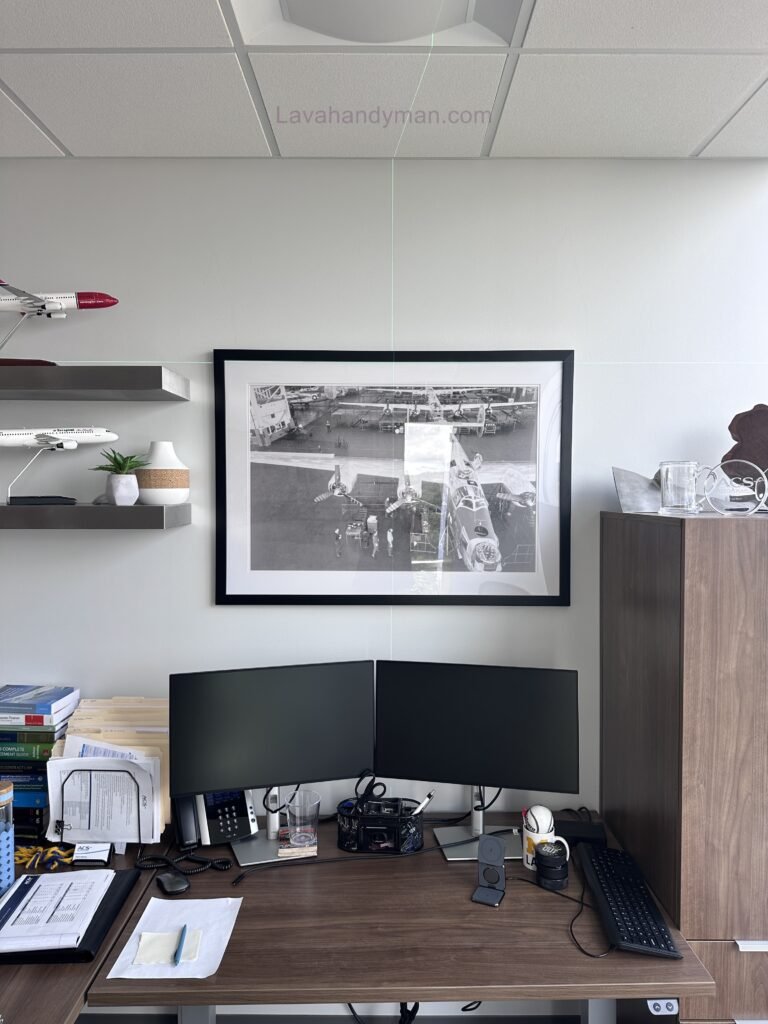
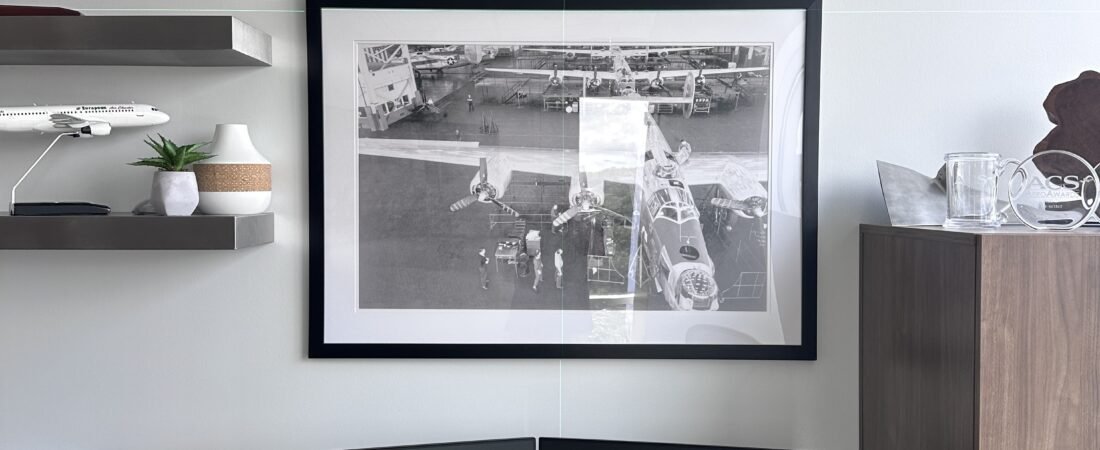
Hanging artwork on walls is one of the most important aspects of interior design. Even the most beautiful paintings and valuable art pieces can lose their impact if they are installed incorrectly. Many homeowners and decorators make simple mistakes when hanging wall art, leading to poor aesthetics, wall damage, or even fallen artwork.
In this guide, we’ll explore the 10 most common mistakes when hanging artwork on walls and provide practical solutions to help you create a professional and visually appealing display.
Avoid These 10 Common
Why Proper Artwork Installation Matters
Correctly hanging artwork offers several benefits:
- Enhances interior aesthetics
- Creates a focal point in the room
- Protects artwork and frames
- Prevents wall damage
- Improves overall visual balance
A properly installed piece of art can completely transform a living space and elevate the entire design of a room.
Avoid These 10 Common
1. Hanging Artwork at the Wrong Height
Why Height Matters
One of the most common mistakes when hanging paintings on walls is placing them too high or too low.
When artwork is hung too high, it disconnects visually from the furniture and surrounding decor. Conversely, hanging it too low can make the room feel unbalanced.
The Ideal Height
Interior designers generally recommend placing the center of the artwork approximately 57 to 61 inches (145–155 cm) from the floor, which aligns with the average eye level.
2. Choosing the Wrong Wall Location
A Common Placement Mistake
Many people select a wall simply because it is empty. However, not every blank wall is suitable for displaying artwork.
Avoid These 10 Common
Consider factors such as:
- Natural lighting
- Room dimensions
- Furniture arrangement
- Visual focal points
Professional Tip
Before drilling holes, view the wall from different angles and assess how the artwork interacts with the overall space.
3. Installing Artwork Without Proper Measurements
The Problem with Eyeballing
Attempting to hang artwork without measuring often results in crooked placement.
Even a slight misalignment can make an entire room look unprofessional.
Essential Tools
Avoid These 10 Common
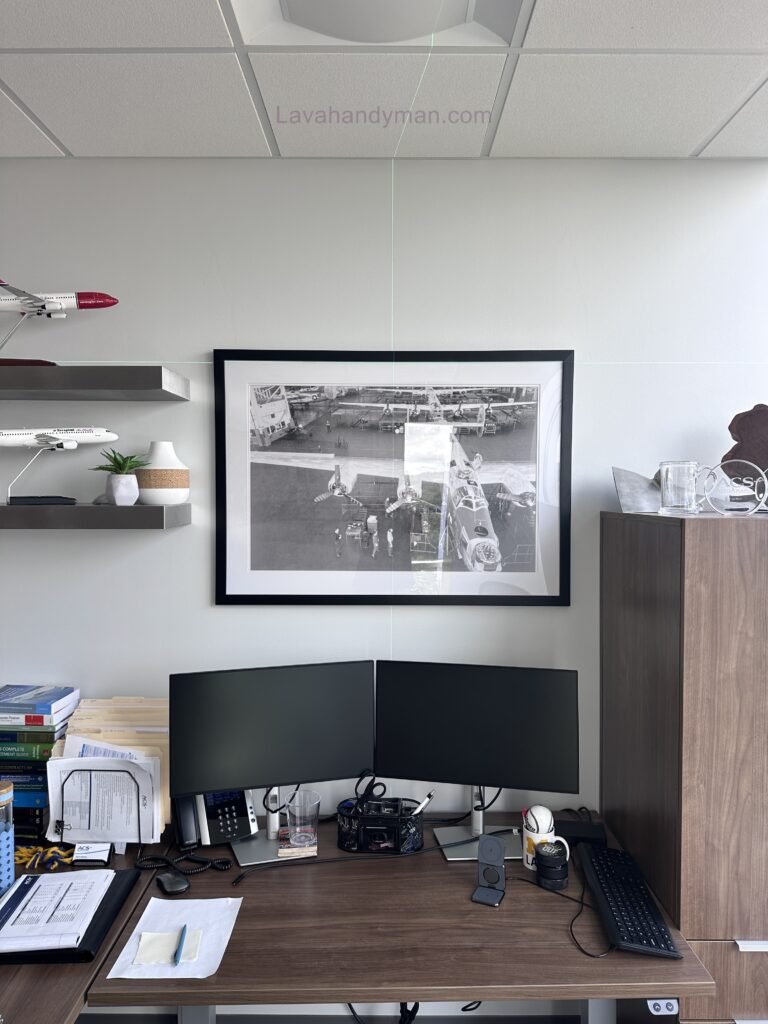
Laser Level
Provides maximum accuracy and speed.
Measuring Tape
Helps determine the ideal placement.
Pencil Marking
Allows precise installation points.
Using the proper tools ensures a clean and professional result.
4. Using the Wrong Hardware
Risks of Improper Hanging Equipment
Using an unsuitable nail, hook, or fastener can cause:
- Artwork to fall
- Frame damage
- Wall damage
- Potential safety hazards
Avoid These 10 Common
Best Practice
Always choose hanging hardware based on:
- Artwork weight
- Wall material
- Frame type
Drywall, brick, concrete, and plaster walls each require different installation methods.
5. Ignoring Scale and Proportion
Why Proportion Is Important
A small painting on a large wall can appear insignificant, while oversized artwork may overwhelm the room.
The Golden Rule
Artwork should generally occupy approximately 60–75% of the width of the furniture beneath it.
This proportion creates visual harmony and balance.
Avoid These 10 Common
6. Overlooking Artwork Lighting
Common Lighting Mistakes
- Direct sunlight exposure
- Excessive glare on glass
- Insufficient illumination
- Harsh shadows
Poor lighting can hide details and even damage artwork over time.
Best Lighting Solutions
Consider using:
- LED picture lights
- Gallery-style lighting
- Adjustable accent lighting
These options enhance visibility while protecting the artwork.
Avoid These 10 Common
7. Incorrect Spacing Between Multiple Pieces
Gallery Wall Mistakes
Gallery walls have become increasingly popular, but inconsistent spacing can make the arrangement appear chaotic.
Recommended Spacing
Most designers suggest maintaining a gap of approximately 2–4 inches (5–10 cm) between frames.
Consistent spacing creates a polished and cohesive look.
Avoid These 10 Common
8. Failing to Match Artwork with Interior Design Style
The Importance of Cohesion
Artwork should complement:
- Wall colors
- Furniture styles
- Architectural elements
- Overall room aesthetics
A beautiful painting may still feel out of place if it clashes with the surrounding decor.
Professional Advice
Select artwork and frames that support the room’s design theme and color palette.
Avoid These 10 Common
9. Drilling Before Planning
A Costly Mistake
Many people drill holes before confirming the final placement of their artwork.
This often leads to:
- Unnecessary wall damage
- Extra repair costs
- A cluttered appearance
Better Approach
Before installation:
- Create a paper template matching the artwork size.
- Tape it to the wall.
- Evaluate it from different viewpoints.
- Mark the final hanging points only after confirming the placement.
This technique is widely used by professional galleries and interior designers.
Avoid These 10 Common
10. Neglecting Safety Considerations
Why Safety Matters
Large and heavy artwork can pose serious risks if installed incorrectly.
A falling frame may damage property or cause injury.
Safety Checklist
- Use high-quality hanging hardware.
- Verify wall load capacity.
- Use two mounting points for heavy pieces.
- Test stability after installation.
- Inspect hardware periodically.
Safety should always be a top priority when hanging artwork.
Avoid These 10 Common
Expert Tips for Professional Artwork Installation
Use a Laser Level
A laser level improves precision and ensures perfectly aligned artwork.
Plan Gallery Walls in Advance
Arrange frames on the floor before transferring the layout to the wall.
Choose the Right Frame
A well-selected frame can significantly enhance the visual impact of an artwork.
Leave Breathing Room
Adequate wall space around artwork helps it stand out and become a focal point.
Avoid These 10 Common
Frequently Asked Questions (FAQ)
What is the best height for hanging artwork?
The center of the artwork should generally be positioned between 57 and 61 inches (145–155 cm) from the floor.
What hardware should I use for heavy artwork?
Heavy pieces should be secured using anchors, screws, and professional-grade wall mounting systems appropriate for the wall type.
How much space should be left between multiple frames?
Most gallery wall arrangements look best with 2–4 inches (5–10 cm) of spacing between frames.
Is direct sunlight harmful to artwork?
Yes. Prolonged exposure to direct sunlight can cause fading, discoloration, and material deterioration.
Avoid These 10 Common
Why Proper Artwork Installation Matters
Artwork is more than decoration. It serves as a visual anchor that helps define the atmosphere and personality of a space. Properly displayed artwork can:
- Create a focal point
- Enhance interior design
- Improve visual balance
- Add color and texture
- Increase the perceived value of a room
- Protect valuable art pieces
When artwork is installed correctly, it feels naturally integrated into the overall design rather than appearing as an afterthought.
Mistake #1: Hanging Artwork Too High or Too Low
Why This Is a Problem
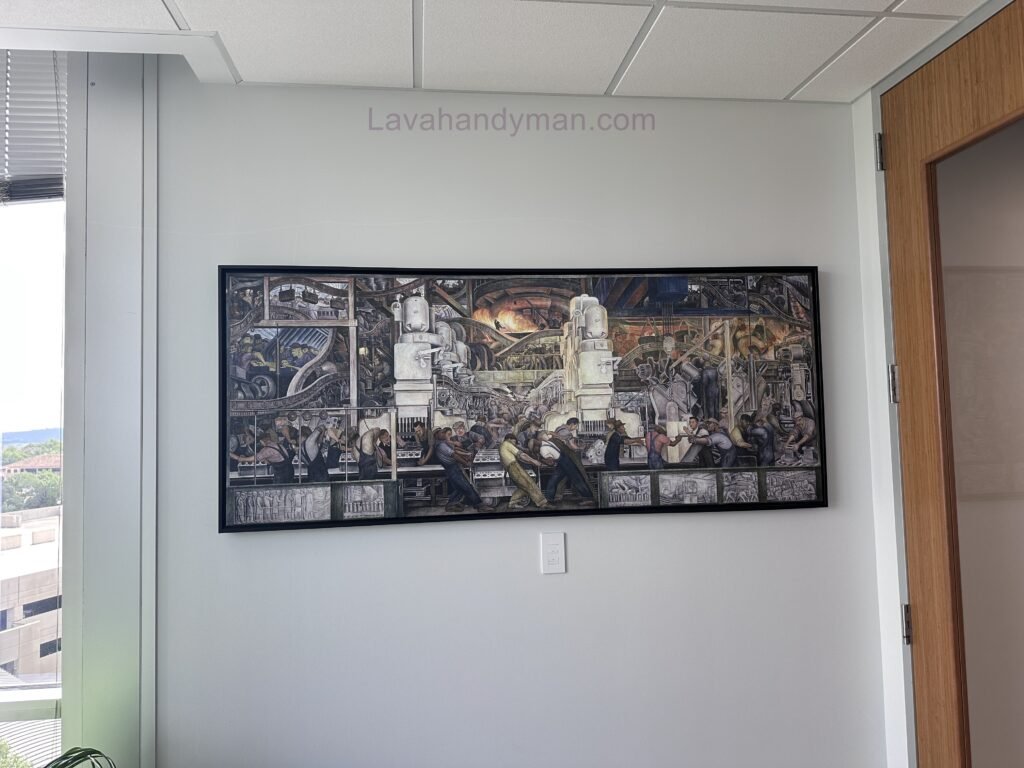
One of the most common artwork installation mistakes is incorrect height placement. Many people hang artwork near the ceiling, assuming it will make the room appear larger. In reality, this often disconnects the artwork from the rest of the room.
Artwork hung too low can feel awkward and cluttered, while artwork hung too high forces viewers to strain their necks.
How to Avoid It
Avoid These 10 Common
Professional designers generally recommend positioning the center of the artwork approximately 57–61 inches (145–155 cm) from the floor.
When hanging artwork above furniture:
- Leave 6–10 inches between the furniture and the artwork.
- Ensure visual balance between the piece and surrounding objects.
This approach creates a comfortable viewing experience and improves room cohesion.
Mistake #2: Choosing the Wrong Wall
Why Placement Matters
Not every empty wall is suitable for artwork.
Many homeowners select a wall simply because it has available space, without considering factors such as:
- Natural light
- Furniture arrangement
- Traffic flow
- Room function
Poor placement can reduce the impact of even the most impressive artwork.
Avoid These 10 Common
How to Avoid It
Before installation:
- Walk around the room.
- Observe sightlines.
- Identify focal points.
- Consider how viewers will interact with the artwork.
The best location is often where the artwork naturally attracts attention without competing with other design elements.
Mistake #3: Skipping Measurements
The Risk of Guesswork
Attempting to hang artwork by eye almost always leads to alignment problems.
Even slight inconsistencies become noticeable once furniture, shelves, and architectural lines are taken into account.
Avoid These 10 Common
Professional Solution
Use:
- Measuring tape
- Laser level
- Spirit level
- Pencil markings
- Positioning templates
Accurate measurements ensure symmetry and save time during installation.
Mistake #4: Using the Wrong Hanging Hardware
Why Hardware Selection Matters
Different artworks require different support systems.
Using a basic nail for a heavy framed painting can lead to:
- Frame damage
- Wall damage
- Artwork falling
- Personal injury
Avoid These 10 Common
Choosing the Right Hardware
Consider:
Artwork Weight
Heavier pieces require anchors or wall studs.
Wall Material
Different wall types require different fasteners:
- Drywall
- Brick
- Concrete
- Plaster
Frame Construction
Certain frames require specialized mounting systems for maximum support.
Mistake #5: Ignoring Scale and Proportion
Understanding Visual Balance
Artwork should complement the size of the wall and furniture.
A tiny artwork on a large wall often appears insignificant, while oversized artwork can overwhelm the room.
Recommended Guidelines
Artwork above furniture should occupy approximately:
- 60–75% of the furniture width
This ratio creates visual harmony and improves overall composition.
Avoid These 10 Common
Mistake #6: Poor Lighting Choices
The Importance of Proper Illumination
Lighting dramatically affects how artwork is perceived.
Common mistakes include:
- Direct sunlight exposure
- Excessive glare
- Uneven lighting
- Insufficient brightness
Over time, UV rays can damage paintings, photographs, and prints.
Best Practices
Use:
- LED picture lights
- Adjustable spotlights
- Gallery-style track lighting
These options highlight artwork while minimizing long-term damage.
Avoid These 10 Common
Mistake #7: Uneven Spacing Between Multiple Pieces
Gallery Wall Challenges
Gallery walls continue to be one of the most popular wall decor trends.
However, inconsistent spacing can make the arrangement appear disorganized.
Recommended Spacing
Most designers recommend maintaining:
- 2–4 inches (5–10 cm) between frames
Consistency creates a clean and professional appearance.
Avoid These 10 Common
Mistake #8: Ignoring Interior Design Style
Why Coordination Matters
Artwork should support the room’s design language.
Consider:
- Color palette
- Furniture style
- Architectural details
- Decorative accessories
A beautiful painting can feel out of place if it conflicts with the room’s aesthetic.
Professional Tip
Select artwork and frames that complement existing design elements rather than competing with them.
Mistake #9: Drilling Before Planning
The Cost of Poor Planning
Many people drill holes before confirming placement.
This often results in:
- Multiple wall repairs
- Unnecessary patching
- Extra installation time
- Visual imperfections
Better Method
Professional installers frequently use paper templates.
Steps include:
- Trace artwork dimensions onto paper.
- Tape templates to the wall.
- Evaluate placement.
- Adjust as needed.
- Drill only after final approval.
This process reduces errors and preserves wall surfaces.
Mistake #10: Overlooking Safety
Why Safety Is Critical
Heavy artwork can become hazardous if improperly installed.
Potential risks include:
- Falling frames
- Broken glass
- Property damage
- Personal injury
Safety Recommendations
- Verify weight limits.
- Use appropriate anchors.
- Secure oversized artwork with multiple mounting points.
- Check wall integrity.
- Inspect hardware regularly.
Safety should always be prioritized over convenience.
The Impact of Artwork Placement on Interior Design
Proper artwork placement contributes significantly to a room’s atmosphere.
Well-positioned artwork can:
- Make small rooms feel larger
- Create visual depth
- Strengthen design themes
- Introduce personality
- Improve room flow
Interior designers often consider artwork the final layer that completes a space.
Without thoughtful placement, even expensive artwork may fail to achieve its intended impact.
Conclusion
Proper artwork installation is about much more than simply hanging a frame on a wall. Factors such as height, placement, lighting, spacing, hardware selection, and safety all contribute to the final result.
By avoiding these 10 common mistakes when hanging artwork, you can create a more attractive, balanced, and professional-looking interior while protecting your investment for years to come.
📞 Need Help?
Let us take care of the hard work while you sit back and relax.
📍 Serving: Austin, Round Rock, Cedar Park & more
📱 Call or Text: (737) 420-6992
🌐 Visit: https://lavahandyman.com