Modern vs. Classic vs. Minimalist Decorative Mirrors: A Complete Comparison
Introduction
Decorative mirrors are among the most impactful elements in modern interior design. Choosing between a modern, classic, or minimalist decorative mirror can significantly influence the overall aesthetics, lighting, and spatial perception of your home or workspace.
Each of these styles offers distinct visual characteristics, materials, and design philosophies. In this comprehensive guide, we compare modern, classic, and minimalist decorative mirrors to help you select the best option based on your interior style, room size, and personal preference.
What Is a Modern Decorative Mirror?
Minimalist Decorative Mirrorsp
Modern decorative mirrors are defined by clean lines, creative geometry, and contemporary materials. They often incorporate innovative design elements such as LED lighting and metallic frames.
Key Features of Modern Decorative Mirrors
- Slim metal frames or frameless designs
- Geometric or asymmetrical shapes (round, polygonal, abstract)
- Integrated LED backlighting
- Neutral tones such as matte black, brushed gold, or silver
Applications of Modern Decorative Mirrors
- Contemporary apartments
- Modern bathrooms
- Office spaces
- Beauty salons and commercial interiors
Advantages
- Enhances light reflection
- Creates a sleek, up-to-date look
- Ideal for small spaces
- Complements contemporary interiors
Potential Drawbacks
- May not match traditional décor
- LED-equipped models can be more expensive
Minimalist Decorative Mirrorsp
Classic Decorative Mirrors: A Luxurious Choice
Classic decorative mirrors are characterized by ornate frames, intricate detailing, and elegant finishes. They are commonly associated with luxury and formal interior spaces.
Key Features of Classic Decorative Mirrors
- Large, carved wooden or resin frames
- Gold, bronze, or antique finishes
- Curved, decorative elements
- Generous proportions
Applications of Classic Decorative Mirrors
Minimalist Decorative Mirrorsp
- Formal living rooms
- Villas and spacious homes
- Neoclassical interiors
- Luxury settings
Advantages
- Strong focal point in a room
- Elegant and timeless appearance
- Pairs well with traditional furniture
Potential Drawbacks
- Occupies more visual space
- Less suitable for small apartments
- Higher cost, especially with solid wood frames
Minimalist Decorative Mirrors: Simplicity at Its Best
Minimalist decorative mirrors are based on the philosophy of “less is more.” They eliminate unnecessary details and focus on clean, functional design.
Key Features of Minimalist Decorative Mirrors
- Frameless or ultra-thin frames
- Simple round or rectangular shapes
- Neutral color palette
- Smooth, polished edges
Minimalist Decorative Mirrorsp
Applications of Minimalist Decorative Mirrors
- Small apartments
- Scandinavian interiors
- Modern bedrooms
- Minimal office environments
Advantages
- Promotes calmness and order
- Perfect for compact spaces
- More budget-friendly than ornate styles
Potential Drawbacks
- Limited decorative impact
- May feel too simple for some tastes
Comparing Modern, Classic, and Minimalist Decorative Mirrors
Minimalist Decorative Mirrorsp
Design Comparison
| Feature | Modern | Classic | Minimalist |
|---|---|---|---|
| Level of ornamentation | Moderate | High | Very Low |
| Line style | Clean & geometric | Curved & ornate | Simple & straight |
| Lighting integration | Often included | Rare | Occasionally |
Space Suitability
- Small spaces: Minimalist or modern mirrors work best.
- Large, formal rooms: Classic mirrors create stronger visual impact.
- Trend-focused interiors: Modern mirrors are ideal.
Price Comparison
- Minimalist mirrors: Generally more affordable
- Modern mirrors: Mid-range to premium (especially with LED features)
- Classic mirrors: Typically higher priced due to craftsmanship and materials
Minimalist Decorative Mirrorsp
Visual Impact Comparison
- Modern → Sleek, innovative, contemporary
- Classic → Grand, elegant, timeless
- Minimalist → Calm, clean, and understated
How to Choose the Right Decorative Mirror
When selecting a decorative mirror, consider the following:
1. Overall Interior Style
Your mirror should complement your furniture, wall colors, and décor theme.
2. Room Size
Large, simple mirrors can make small rooms feel more spacious.
3. Natural Lighting
In low-light spaces, modern LED mirrors provide additional illumination.
4. Budget
Minimalist designs are generally more cost-effective, while classic models may require a larger investment.
Minimalist Decorative Mirrorsp
Can You Mix Mirror Styles?
Yes. Blending styles is increasingly popular in contemporary interior design. For example:
- Using a modern mirror in a neoclassical room
- Placing a minimalist mirror against decorative wall moldings for contrast
- Pairing a classic mirror with neutral walls for balance
However, achieving harmony requires careful attention to proportion and visual balance.
Common Mistakes When Choosing Decorative Mirrors
- Selecting the wrong size for the wall
- Ignoring how light reflects in the room
- Choosing a frame color that clashes with furniture
- Installing the mirror at an incorrect height
Step-by-Step Guide to Installing Modern, Classic, and Minimalist Decorative Mirrors
Minimalist Decorative Mirrorsp
Tools Needed for Mirror Installation
Before starting, gather the following tools:
- Measuring tape
- Pencil for marking
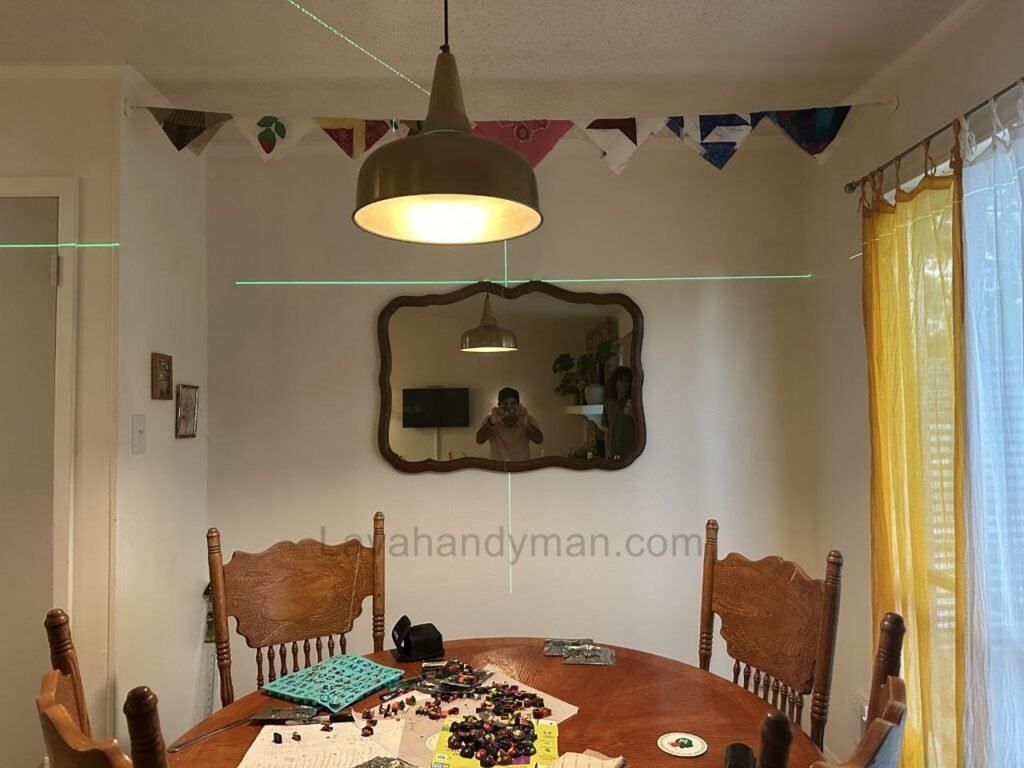
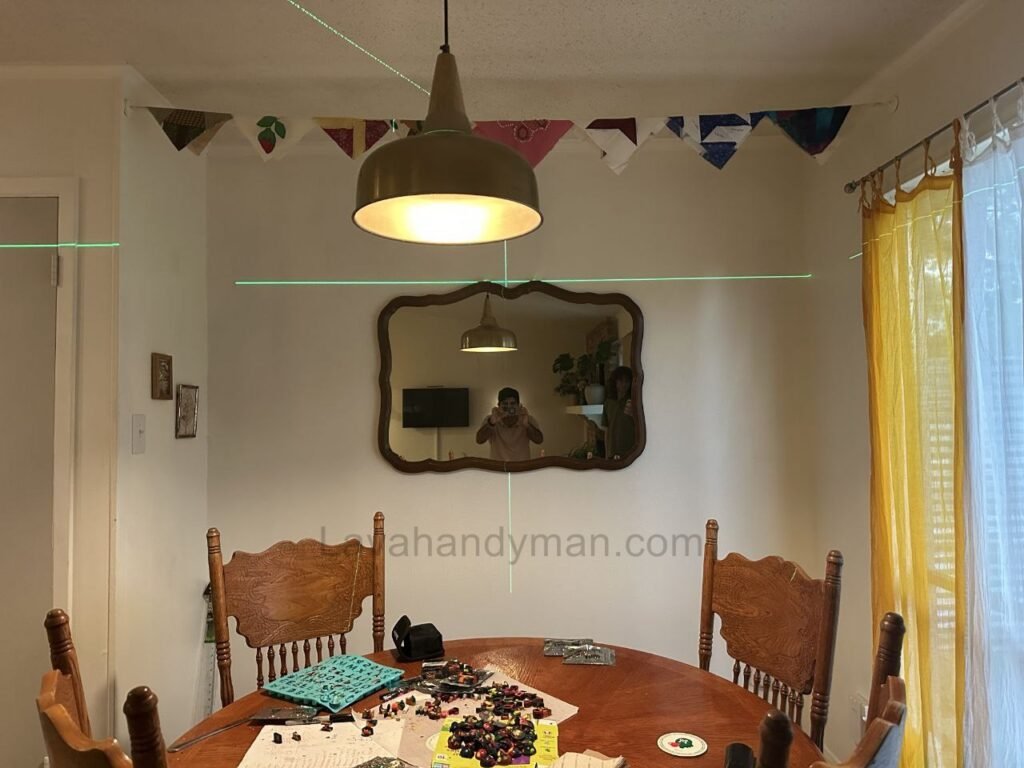
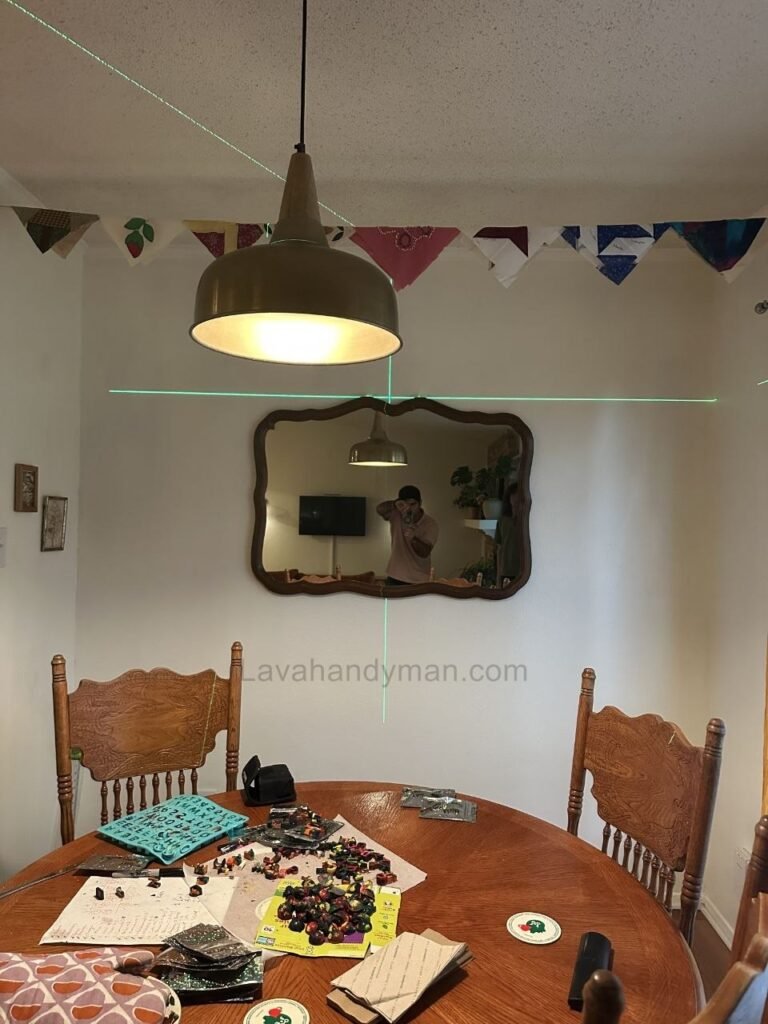
- Level (manual or laser)
- Drill and appropriate drill bits
- Wall anchors and screws
- Mirror adhesive (neutral silicone)
- Safety gloves
- Soft cloth
Tip: For large or heavy mirrors, always work with a helper.
Step 1: Check Mirror Type and Weight
The type and weight of your mirror will determine whether to use adhesive or screws with anchors.
- Modern mirrors: Medium weight, may include LED or metal frame
- Classic mirrors: Heavier, thick frame, requires strong screws and anchors
- Minimalist mirrors: Lightweight, often frameless, suitable for mirror adhesive
Minimalist Decorative Mirrorsp
Step 2: Choose the Right Location
Consider these factors when selecting the installation location:
- Opposite a window to enhance natural light
- Avoid direct, harsh sunlight
- Coordinate with furniture and décor
- Maintain appropriate distance from ceiling and floor
Standard height: The mirror’s center is usually 140–160 cm (55–63 in) from the floor.
Step 3: Measure and Mark Precisely
- Measure the exact location with a tape measure.
- Mark the center of the mirror with a pencil.
- Indicate screw or adhesive points.
- Use a level to ensure all lines are straight.
Tip: Even a small misalignment can make the mirror appear crooked.
Minimalist Decorative Mirrorsp
Step 4: Prepare the Wall
The wall type affects the installation method:
- Drywall: Use drywall anchors
- Concrete or cement walls: Use a strong drill and heavy-duty anchors
- Plasterboard (e.g., KNAUF/Knauf panels): Use special screws or metal brackets
The wall surface should be clean, dry, and smooth.
Step 5: Installation Methods
Method 1: Screws and Anchors (Heavy or Classic Mirrors)
- Drill holes according to marks.
- Insert wall anchors.
- Partially tighten screws.
- Place the mirror onto the screws and tighten fully.
This is the safest method for heavy mirrors.
Method 2: Mirror Adhesive (Lightweight or Minimalist Mirrors)
- Clean and dry the back of the mirror.
- Apply neutral silicone adhesive in a zigzag pattern or multiple points.
- Press the mirror firmly onto the wall.
- Avoid moving it for 24 hours to allow curing.
Important: Never use acidic adhesives, as they can corrode the mirror backing.
Method 3: Modern Mirrors with LED Lighting
- Identify the power outlet or wiring location.
- Ensure electrical connections are safe (consult an electrician if needed).
- Install the mirror and test the LED function.
Safety with electrical components is critical.
Step 6: Check Level and Stability
- Use a level to confirm the mirror is straight.
- Double-check screws or adhesive for security.
- Apply gentle pressure to ensure the mirror is firmly mounted.
Important Safety Tips
- Always wear gloves when handling mirrors.
- Do not place mirrors on hard floors unprotected.
- Use at least two people for large mirrors.
- Ensure installation is child-safe in homes with kids.
Installation Comparison by Mirror Style
| Mirror Type | Recommended Method | Difficulty Level |
|---|---|---|
| Modern | Screws or metal brackets | Medium |
| Classic | Strong screws and anchors | High |
| Minimalist | Mirror adhesive | Easy |
Common Installation Mistakes
Not using a level
Using the wrong or acidic adhesive
Installing on uneven walls
Incorrect measurements
Ignoring mirror weight
Ideal Height for Installing Decorative Mirrors: Complete Guide
Introduction
The height at which a decorative mirror is installed significantly affects the aesthetics, functionality, and safety of your space. Proper installation ensures that:
- People of different heights can use the mirror comfortably
- Natural and artificial light is reflected effectively
- The mirror aligns harmoniously with furniture and décor
- Risk of damage or falling is minimized
This guide covers standard installation heights for different types of mirrors and professional tips to achieve the best results.
Standard Mirror Installation Heights
1. General Wall Mirrors (Living Room, Hallway)
- Center of the mirror from the floor: 140–160 cm (55–63 in)
- Distance from console table or furniture: 10–15 cm (4–6 in)
- Suitable for full-body reflection for people of average height
2. Bathroom and Vanity Mirrors
- Center of the mirror from the floor: 110–130 cm (43–51 in)
- Distance from countertop or vanity: 10–20 cm (4–8 in)
- Ensures face and shoulders are visible for practical use
3. Full-Length Mirrors
- Bottom edge of the mirror from the floor: 15–20 cm (6–8 in)
- Width and height should cover the entire body
- Center of the mirror usually at 150–160 cm (59–63 in) from the floor
4. Small Decorative or Artistic Mirrors
- Center of the mirror at eye level: 140–155 cm (55–61 in)
- Align with other wall elements such as frames or artwork for visual harmony
Professional Tips for Mirror Height
Reflect light effectively: Position opposite windows or light sources without causing glare in the eyes.
Adjust for user height: Consider tall or short household members.
Coordinate with furniture: Maintain 10–15 cm (4–6 in) gap above consoles, tables, or mantels.
Multi-panel mirrors: Center of the set should align with average eye level.
High ceilings: Install slightly higher to create a vertical, spacious effect.
Final Thoughts
There is no single “best” decorative mirror style. The right choice depends on your interior design theme, room dimensions, and personal taste.
If you prefer a contemporary and trendy look, a modern decorative mirror is ideal.
If you value elegance and grandeur, a classic mirror is the perfect option.
If simplicity and balance are your priorities, a minimalist mirror is a smart choice.
A well-selected decorative mirror can transform your space—making it brighter, more spacious, and visually refined.
📞 Need Help?
Let us take care of the hard work while you sit back and relax.
📍 Serving: Austin, Round Rock, Cedar Park & more
📱 Call or Text: (737) 420-6992
🌐 Visit: https://lavahandyman.com