Common Mistakes When Hanging Paintings That Ruin Your Interior Design
Hanging a painting on the wall may seem simple, but it plays a major role in interior design. Many homes with beautiful furniture and color schemes still look cluttered or unbalanced because of incorrect picture hanging.
In this comprehensive guide, we’ll cover the most common mistakes when hanging paintings and provide practical solutions to help you create clean, balanced, and professionally styled walls.
Why Proper Art Installation Matters
In world-renowned museums like the Louvre Museum and The Museum of Modern Art, artwork placement and lighting are carefully calculated. The way art is displayed directly affects how it is perceived.
The same principle applies in your home. Poor art placement can:
- Make walls look cluttered
- Make ceilings appear lower
- Make rooms feel smaller
- Disrupt visual balance
- Create a sense of disorder
Common Mistakes When Hanging Paintings
1. Hanging Artwork at the Wrong Height
❌ Common Mistake:
Most people hang paintings too high.
Why It Makes a Room Look Messy:
When artwork is positioned above eye level, it feels disconnected from the furniture and disrupts visual harmony.
✅ Professional Standard:
- The center of the artwork should be approximately 57–61 inches (145–155 cm) from the floor.
- When hanging art above a sofa, leave 6–10 inches (15–25 cm) between the bottom of the frame and the top of the furniture.
This is one of the most important wall art placement rules in interior design.
Common Mistakes When Hanging Paintings
2. Choosing the Wrong Size for the Wall
❌ Mistake:
A small painting on a large wall—or an oversized frame in a tight space.
The Result:
- The wall looks empty and unfinished
- Or the space feels overcrowded
✅ Golden Rule of Proportion:
The width of the artwork (or gallery grouping) should be about 60–75% of the width of the furniture below it.
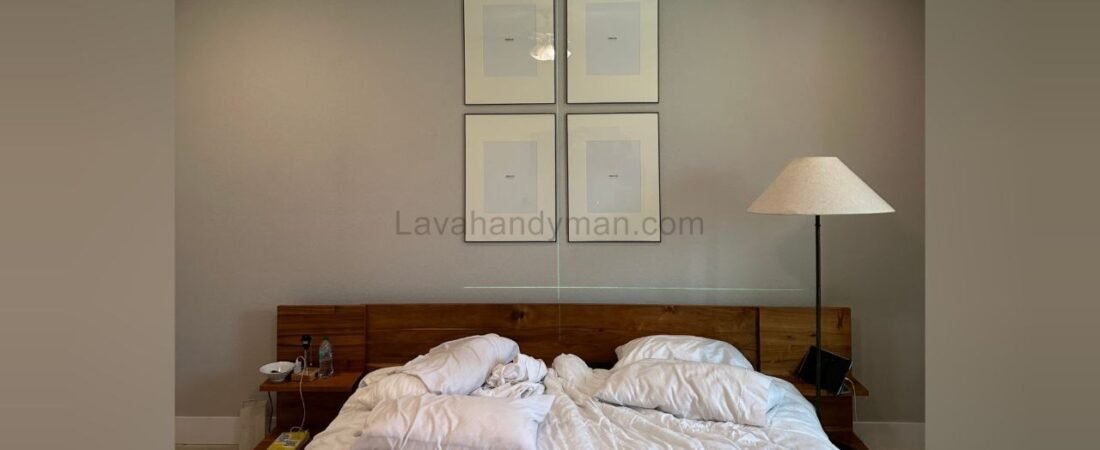
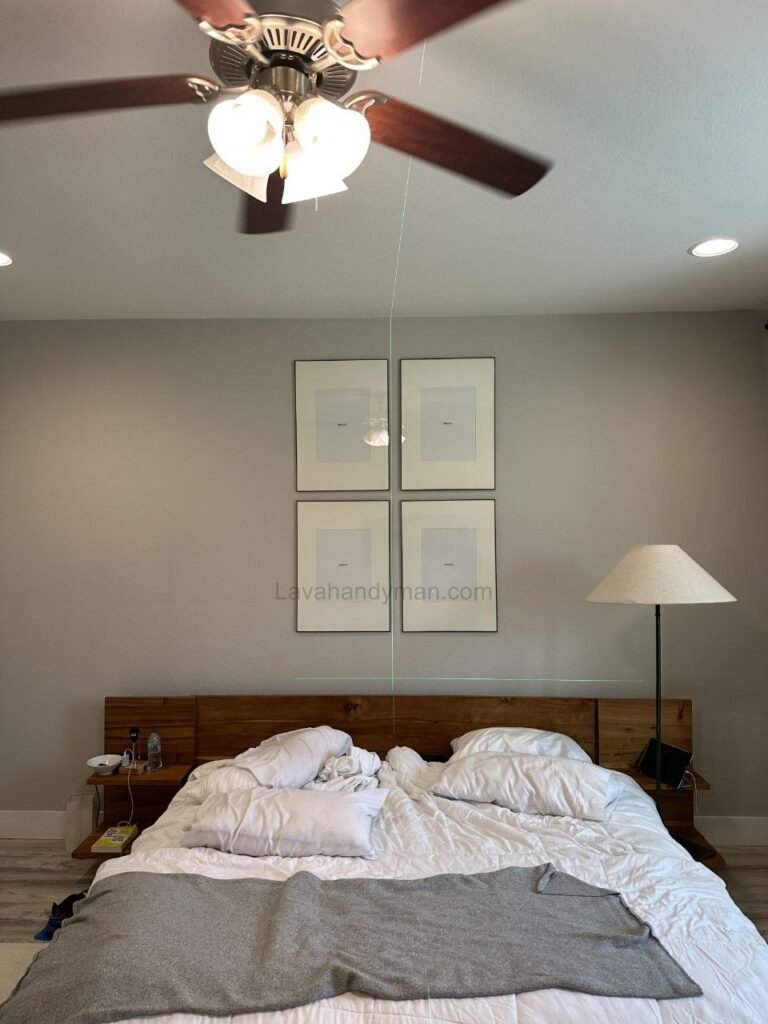
3. Uneven Spacing in a Gallery Wall
Gallery walls can look stunning—but only when spacing is consistent.
Recommended Spacing:
Common Mistakes When Hanging Paintings
Keep 2–3 inches (5–8 cm) between frames.
Even when displaying multiple works, balance and structure matter. The presentation of works by artists such as Pablo Picasso and Vincent van Gogh demonstrates that visual order enhances artistic impact.
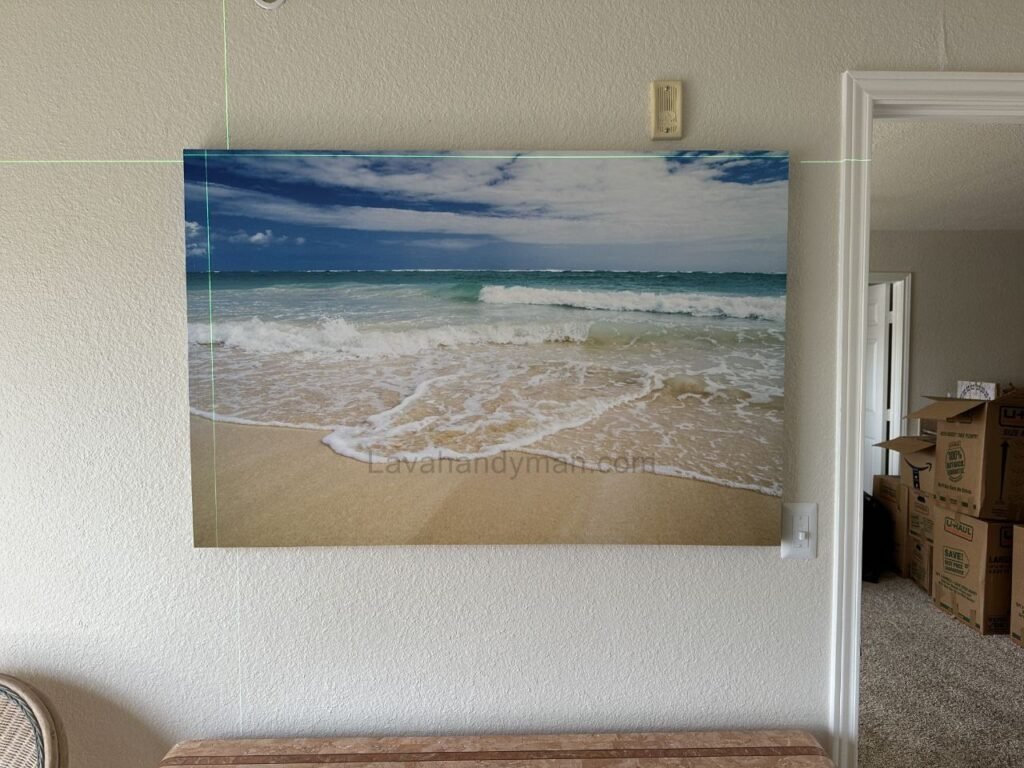
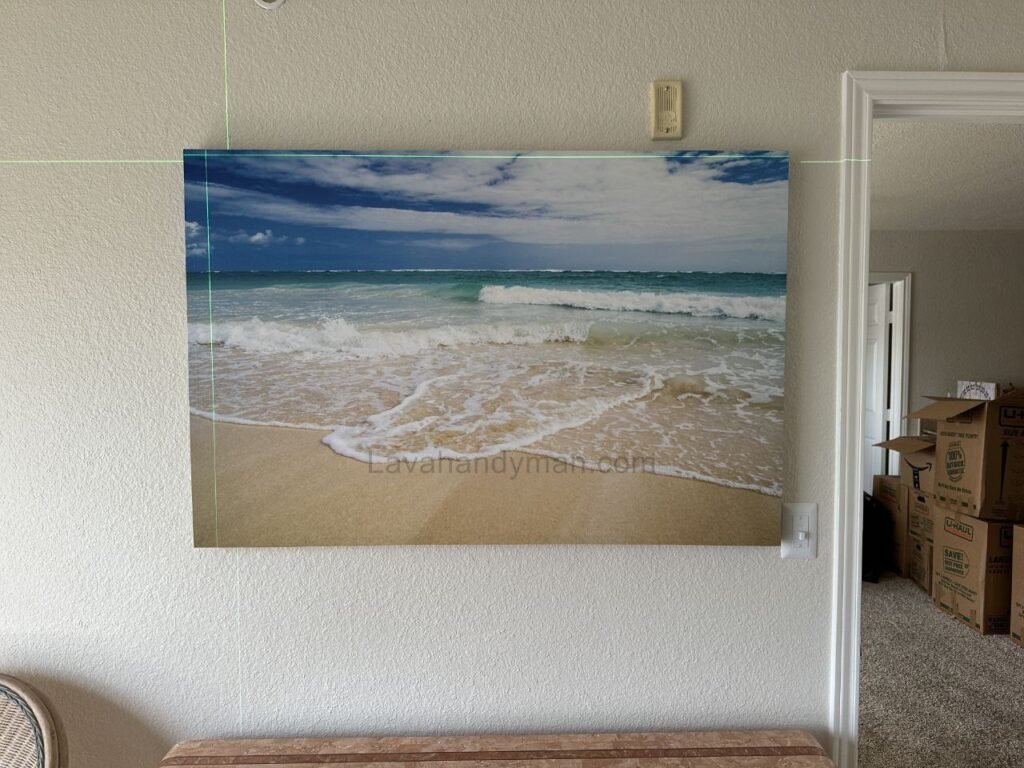
4. Crooked or Unleveled Frames
The human eye quickly detects even slight misalignment.
Why It Looks Unprofessional:
- Feels careless
- Disrupts symmetry
- Reduces overall design quality
Solution:
✔ Use a level tool
✔ Measure before drilling
✔ Re-check alignment after hanging
5. Ignoring Interior Style Compatibility
A large ornate classical frame in a minimalist modern room creates visual conflict.
Art movements such as Impressionism and Abstract Art each evoke different moods and should align with your furniture, wall colors, and décor style.
Common Mistakes When Hanging Paintings
6. Overcrowding a Single Wall
Placing too many frames on one wall creates visual congestion.
Better Approach:
Designate one wall as a focal point, and keep surrounding walls simpler to allow visual breathing space.
7. Poor Lighting Choices
Lighting dramatically affects how artwork appears.
Common Lighting Mistakes:
- Direct glare on glass
- Shadows cast across the artwork
- Insufficient lighting
Professional Fix:
✔ Use angled lighting
✔ Install track lights or spotlights
✔ Adjust brightness according to artwork color tones
8. Using the Wrong Hanging Hardware
Using basic nails for heavy artwork is risky.
Possible Consequences:
- Falling frames
- Damaged walls
- Broken artwork
Proper Method:
Use wall anchors and screws appropriate for the weight and wall type.
Common Mistakes When Hanging Paintings
9. Ignoring the Relationship Between Art and Furniture
Artwork should visually connect to the furniture below it.
Avoid:
- Hanging art too high above the sofa
- Choosing artwork that is too narrow for wide furniture
✔ Ideally, artwork should span about two-thirds the width of the sofa.
10. Hanging Without Planning First
Drilling without planning often leads to:
- Extra holes in the wall
- Uneven layouts
- Permanent wall damage
Common Mistakes When Hanging Paintings
Professional Method:
- Arrange frames on the floor first
- Use paper templates on the wall
- Then drill and install
11. Choosing the Wrong Frame Style
Frames significantly influence visual order.
✔ Light walls → darker frames for contrast
✔ Minimalist spaces → simple frames
✔ Classic interiors → decorative frames
12. Placing Art in Visually Busy Areas
Avoid hanging paintings:
- Next to large TVs
- Beside bright windows
- Near cluttered shelving
Artwork needs visual breathing room.
Common Mistakes When Hanging Paintings
Professional Wall Art Hanging Checklist
Before installing your painting, ask yourself:
- Is the height correct?
- Is the size proportionate to the wall and furniture?
- Is spacing consistent?
- Is the frame level?
- Is lighting appropriate?
- Does the style match the décor?
Frequently Asked Questions
What is the best height to hang artwork?
The center should be around 57–61 inches (145–155 cm) from the floor.
How far above a sofa should artwork hang?
Leave 6–10 inches (15–25 cm) of space.
What is the ideal spacing between frames?
About 2–3 inches (5–8 cm).
Common Mistakes When Hanging Paintings
Common Mistakes When Hanging Paintings on the Wall (Step-by-Step SEO Guide)
Step 1: Choosing the Right Wall
❌ Mistake: Hanging Art in Visually Busy Areas
Placing artwork next to a large TV, a very bright window, or cluttered shelves.
Why it looks messy:
The artwork loses focus and the space feels crowded.
✅ Professional Solution:
- Choose a clean, uncluttered wall with controlled lighting.
- Designate one wall as a focal point in the room.
Common Mistakes When Hanging Paintings
Step 2: Setting the Correct Height
❌ Mistake: Hanging Artwork Too High or Too Low
Many people install paintings too close to the ceiling.
Result:
The artwork feels disconnected from the furniture and disrupts visual balance.
✅ Golden Standard:
- The center of the artwork should be 57–61 inches (145–155 cm) from the floor.
- Leave 6–10 inches (15–25 cm) between the bottom of the frame and the top of a sofa.
This rule is also followed in major institutions such as the Louvre Museum and The Museum of Modern Art.
Common Mistakes When Hanging Paintings
Step 3: Matching the Artwork Size to the Wall
❌ Mistake: A Small Frame on a Large Wall
Or an oversized painting in a small space.
Why it creates imbalance:
The human eye is highly sensitive to proportion.
✅ Proportion Rule:
The width of the artwork (or gallery grouping) should be 60–75% of the width of the furniture beneath it.
Common Mistakes When Hanging Paintings
Step 4: Planning Before Drilling
❌ Mistake: Installing Without a Layout Plan
Immediately hammering nails into the wall.
Problems this causes:
- Extra holes
- Uneven alignment
- Permanent wall damage
✅ Professional Installation Method:
- Arrange frames on the floor first.
- Use paper templates on the wall.
- Mark exact positions before drilling.
This simple process prevents costly mistakes.
Common Mistakes When Hanging Paintings
Step 5: Keeping Consistent Spacing Between Frames
For gallery walls:
❌ Mistake: Uneven Gaps
Irregular spacing creates visual chaos.
✅ Recommended Spacing:
Keep 2–3 inches (5–8 cm) between frames.
Even in curated displays of artists like Pablo Picasso and Vincent van Gogh, geometric balance is carefully maintained.
Common Mistakes When Hanging Paintings
Step 6: Leveling the Frames Properly
❌ Mistake: Crooked Artwork
Even slight misalignment is noticeable.
✅ Solution:
- Use a level tool (manual or laser).
- Double-check alignment after installation.
Level frames instantly elevate the professionalism of your space.
Common Mistakes When Hanging Paintings
Step 7: Matching Art Style with Interior Design
❌ Mistake: Style Mismatch
A classical ornate frame in a minimalist modern room—or vice versa.
Art movements such as Impressionism and Abstract Art evoke different moods.
✅ Solution:
- Coordinate frame color with furniture.
- Match the art style to the overall décor theme.
Step 8: Proper Lighting for Wall Art
❌ Mistake: Direct Glare or Insufficient Light
Reflection on glass or shadows over the artwork.
✅ Correct Lighting Approach:
- Use angled lighting.
- Install track lights or spotlights.
- Adjust brightness based on artwork colors.
Good lighting dramatically enhances visual impact.
Common Mistakes When Hanging Paintings
Step 9: Using the Right Hanging Hardware
❌ Mistake: Using Basic Nails for Heavy Artwork
This can be dangerous.
Potential Risks:
- Falling frames
- Wall cracks
- Damaged artwork
✅ Proper Tools:
- Use wall anchors and screws suited to the wall type (drywall, concrete, plaster).
- Always check the weight of the artwork.
Safety is part of professional installation.
Common Mistakes When Hanging Paintings
Step 10: Avoiding Overcrowded Walls
❌ Mistake: Hanging Too Many Frames in One Area
This creates visual congestion.
✅ Balance Rule:
Choose one statement wall and keep surrounding walls simpler.
Step 11: Selecting the Right Frame Style
❌ Mistake: Incompatible Frame Choice
An ornate gold frame in a minimalist room may clash.
✅ Quick Frame Selection Guide:
- Light wall → darker frame for contrast
- Minimalist space → simple frame
- Classic interior → decorative frame
Common Mistakes When Hanging Paintings
Step 12: Creating Visual Connection with Furniture
❌ Mistake: Artwork Looks Disconnected
If hung too high or too narrow, it loses harmony with furniture.
✅ Important Rule:
Artwork should be about two-thirds the width of the sofa, with proper spacing maintained.
Professional Wall Art Installation Checklist
Before finalizing your installation, ask:
✔ Does the style match the décor?
✔ Is the height correct?
✔ Is the size proportional?
✔ Is spacing consistent?
✔ Is the frame level?
✔ Is the lighting appropriate?
Common Mistakes When Hanging Paintings
How Proper Picture Hanging Affects Lighting
Properly hanging artwork on the wall is not just about decoration—it directly impacts interior lighting quality, glare control, light distribution, and overall visual appeal. In professional design settings, artwork placement and lighting angles are carefully coordinated, as seen in institutions like the Louvre Museum and The Museum of Modern Art.
Below, we’ll explore step by step how correct wall art installation improves lighting in your space.
1) Reducing Glare and Light Reflection
❌ Incorrect Installation:
- Hanging artwork directly opposite a strong light source
- Installing it too high
- Using intense lighting aimed straight at glass frames
Result:
Glare on the glass, reduced visibility, and eye strain.
✅ Proper Installation:
- Keep the center of the artwork at 57–61 inches (145–155 cm) from the floor
- Position lighting at approximately a 30-degree angle
- Avoid direct frontal light exposure
Impact on Lighting:
Instead of causing reflection, light enhances detail and color.
2) Achieving Even Light Distribution
Correct placement ensures ceiling lights and accent lighting work together harmoniously.
If Installed Incorrectly:
- One section of the wall becomes too bright
- Other areas remain dark
- Unwanted shadows appear
With Proper Installation:
- Light spreads more evenly
- The wall looks balanced and professionally styled
3) Creating a Focal Point with Targeted Lighting
When artwork is placed correctly, you can use spotlights or track lighting to create a strong focal point.
Benefits:
- Directs the viewer’s eye
- Enhances visual hierarchy
- Prevents scattered or unfocused lighting
If artwork placement is random, lighting will also appear unstructured.
4) Preventing Unwanted Shadows
❌ Poor Placement:
- Hanging too close to the ceiling → top shadows
- Installing near side lighting → uneven shadowing
✅ Correct Approach:
- Maintain proper spacing from the ceiling
- Use a 30-degree lighting angle
- Install adjustable light fixtures
Result:
The artwork is highlighted evenly without harsh shadows.
5) Matching Light Color to Art Style
Proper installation helps you choose the right light temperature:
- Warm-toned artwork → Warm light (around 3000K)
- Modern or minimalist art → Neutral light (around 4000K)
For example, artwork influenced by Impressionism often looks better under warm lighting, while modern styles like Abstract Art appear clearer under neutral light.
6) Enhancing Depth and Making Spaces Look Larger
Correctly positioned artwork combined with proper lighting can:
- Make walls appear taller
- Create a sense of depth
- Make small rooms feel larger
Hanging art too high concentrates light near the ceiling and can make ceilings appear lower.
7) Balancing Ambient and Accent Lighting
When artwork is installed at the correct height:
- Ambient ceiling lighting doesn’t conflict with accent lighting
- Brightness levels remain balanced
- The room feels calm and organized
Improper placement often results in uneven brightness across the wall.
8) Improving Color Accuracy and Detail Visibility
With proper height and lighting angle:
- Colors appear more natural
- Textures become more visible
- Contrast remains true to the artwork
Incorrect lighting can wash out colors or make them appear dull.
Final Thoughts
Common mistakes in hanging paintings can make a home look cluttered and unprofessional—even when the furniture and color palette are perfect. By following essential principles such as:
- Correct height
- Proper proportions
- Consistent spacing
- Balanced lighting
- Style coordination
You can elevate your interior design and create walls that feel curated, clean, and visually harmonious.
If you’d like, I can also optimize this article further for a specific keyword like “how to hang wall art” or tailor it for an art store or installation service website.
📞 Need Help?
Let us take care of the hard work while you sit back and relax.
📍 Serving: Austin, Round Rock, Cedar Park & more
📱 Call or Text: (737) 420-6992
🌐 Visit: https://lavahandyman.com