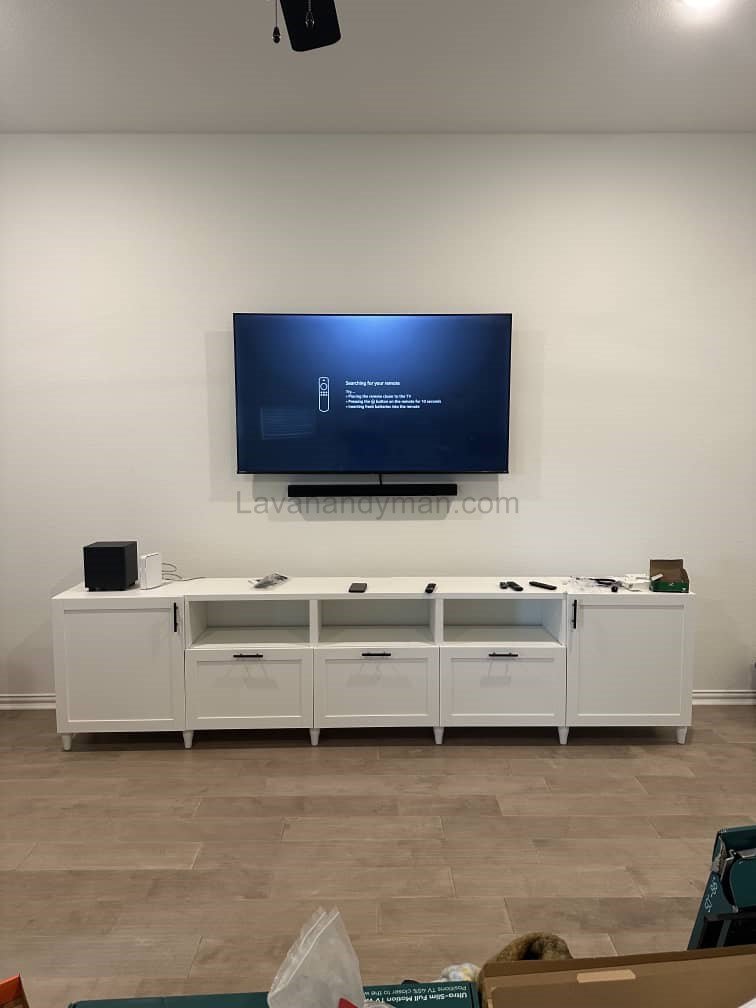
Living Room Lighting for Wall-Mounted TVs: A Comprehensive Guide
Introduction
Lighting is one of the most important elements in interior design, and it becomes especially crucial in a living room where the TV is wall-mounted. Proper lighting not only makes the space cozy and inviting but also enhances the TV-watching experience and reduces eye strain.
Poor lighting can cause glare on the TV screen, reduce image quality, and even harm your eyes. Therefore, careful planning and selecting appropriate light sources are essential. This article explores the principles of lighting, types of lighting, how to integrate it with a wall-mounted TV, advantages and disadvantages, and professional tips for creating an ideal environment.
Living Room Lighting
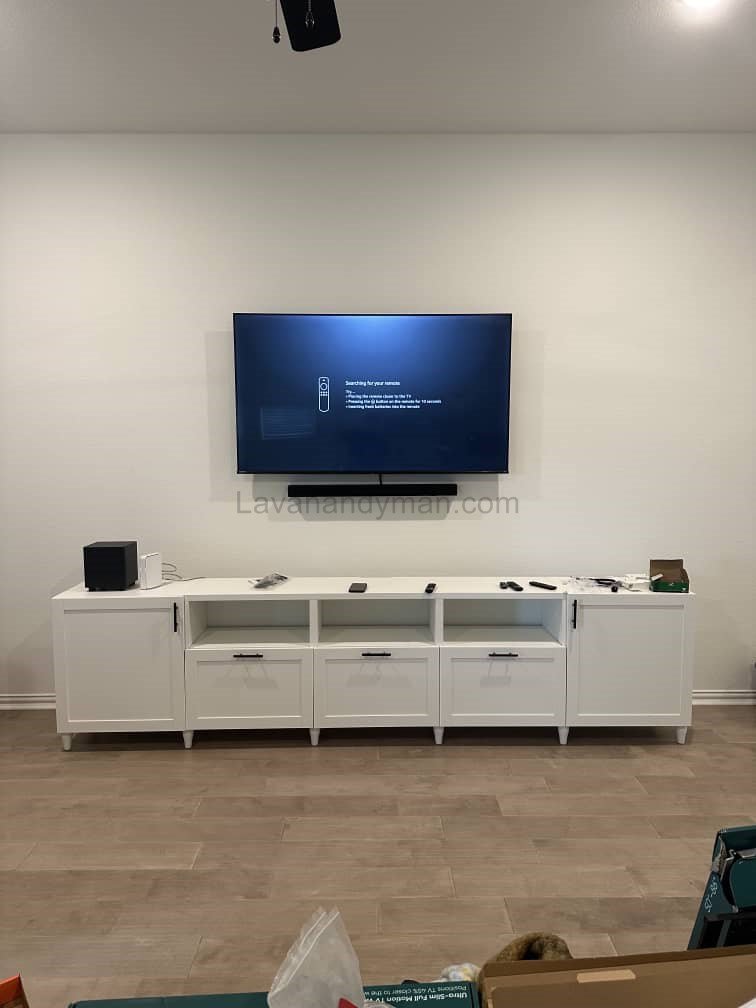
1. The Importance of Lighting in a TV-Equipped Living Room
Proper lighting serves several key purposes:
- Enhances Viewing Experience: Correct lighting reduces glare and improves image clarity.
- Protects Eye Health: Excessively bright or dim lighting causes eye fatigue.
- Creates a Cozy Atmosphere: Well-designed lighting makes the living room warm and inviting.
- Complements Interior Design: Lighting can highlight the TV and decorative elements effectively.
2. Principles of Lighting for a Wall-Mounted TV
2.1 Indirect Lighting
Direct light causes reflections on the TV screen. Using indirect lighting, such as ceiling lights or backlighting behind the TV (Bias Lighting), is highly effective.
Living Room Lighting
2.2 Adjustable Lighting
Dimmable lights or adjustable lamps allow the intensity to be changed according to activities—watching movies, entertaining guests, or reading.
2.3 Combining Light Sources
A combination of ambient, accent, and decorative lighting creates a balanced, professional, and visually appealing environment.
2.4 Color Temperature
- Cool White: Ideal for high visibility and focused activities.
- Warm White: Creates a cozy, relaxed atmosphere.
- RGB or Color-Changing Lights: For decorative effects and modern aesthetics.
3. Types of Lighting
3.1 Ambient Lighting
Living Room Lighting
Provides general illumination through ceiling lights, chandeliers, or LED panels.
Advantages:
- Uniform lighting throughout the room
- Reduces harsh shadows
Disadvantages:
- Too much brightness can cause glare on the TV
3.2 Accent Lighting
Used to highlight specific features such as the wall behind the TV, shelves, or artwork.
Advantages:
- Draws attention to the TV
- Creates visual interest
Disadvantages:
- Overuse may lead to visual clutter
3.3 Decorative Lighting
Includes LED strips behind the TV, illuminated shelves, and designer lamps.
Advantages:
- Enhances visual appeal
- Creates a modern and stylish environment
Disadvantages:
- Overly contrasting colors may distract from the screen
Living Room Lighting
4. Bias Lighting (Backlighting Behind the TV)
Bias lighting is essential for a comfortable viewing experience.
Benefits:
- Reduces eye strain
- Improves contrast perception
- Adds a cinematic effect
Tip: Use neutral white or colors coordinated with the room décor to enhance visual comfort.
Living Room Lighting
5. Professional Tips
5.1 Reduce Glare
- Use blinds or dark curtains to minimize sunlight
- Position lights to avoid direct reflection on the TV
5.2 Correct Height and Angle
- Accent or ceiling lights should be 30–50 cm above the TV
- Adjust angles to avoid shadows and reflections
5.3 Light Color Combination
- Warm white for a relaxing ambiance
- Cool white for bright, focused tasks
- Limited colored lighting for decorative purposes
5.4 Dimmers and Smart Controls
Dimmers or smart lighting systems allow you to adjust brightness and color temperature according to the activity, creating a professional and versatile environment.
Living Room Lighting
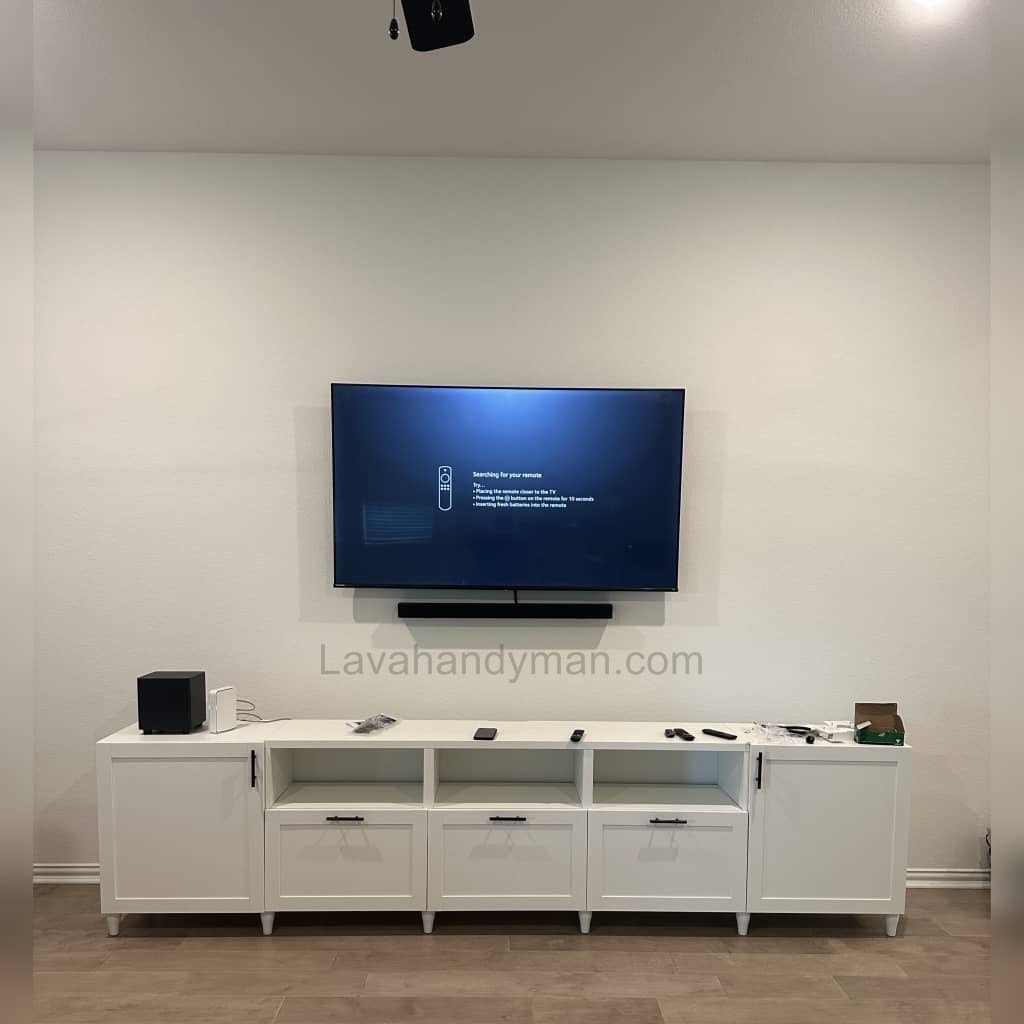
6. Integrating Lighting into Living Room Design
6.1 Concealed Ceiling Lighting
LED strips hidden in a false ceiling or coving provide a modern and professional look.
6.2 Illuminated Shelves
Wall shelves with LED lights draw attention to decorative items and the TV.
6.3 Floor or Under-Furniture Lighting
LEDs on the floor or under furniture enhance depth and visual appeal.
6.4 Coordination with Wall Color
- Dark walls improve contrast with backlighting
- Light walls create a bright, open feel
Living Room Lighting
7. Advantages of Professional Lighting
- Improved TV-watching experience
- Reduced eye fatigue
- Modern, stylish atmosphere
- Flexible lighting for different activities
- Integration with smart home systems
8. Disadvantages of Poor Lighting
- Screen glare and reduced image quality
- Eye strain from too bright or too dim lighting
- Visual clutter if excessive colored lights are used
- Higher costs for professional or smart lighting
- More complex installation, especially with hidden LED strips
Living Room Lighting
9. Safety Considerations
- Use standard wiring for LED strips and lights
- Choose high-quality, certified lamps and fixtures
- Keep concealed LEDs away from flammable materials
- Ensure proper voltage and current for smart lighting systems
Step-by-Step Guide to Living Room Lighting for Wall-Mounted TVs
Step 1: Assess the Living Room and TV Wall
- Measure the dimensions of the room and the TV placement accurately.
- Identify windows and natural light sources to avoid direct glare on the TV screen.
- Determine the wall type (concrete, brick, or drywall) to select appropriate brackets and lighting equipment.
Living Room Lighting
Step 2: Choose the Type of Lighting
- Ambient Lighting: General, uniform illumination for the entire room.
- Accent Lighting: Highlights the TV wall or shelves.
- Decorative Lighting: LED backlighting behind the TV or colored lights for a modern visual effect.
Step 3: Select Lighting Equipment
- Ceiling lights, chandeliers, or LED panels for ambient lighting.
- Spotlights or wall-mounted lights for accent lighting.
- LED strips or concealed lights for TV backlighting.
- Dimmers or smart controllers to adjust brightness and color temperature.
Step 4: Install Ambient Lighting
- Install ceiling or chandelier lights in positions that provide uniform illumination.
- Adjust brightness to avoid reflections on the TV screen.
Living Room Lighting
Step 5: Install Accent Lighting
- Place spotlights or wall lights on the TV wall or shelves.
- Adjust angles to focus light on the TV while avoiding shadows.
Step 6: Install Decorative and Backlighting
- Mount LED strips behind the TV, ideally using neutral white or a color coordinated with the room décor.
- Avoid direct light hitting the viewer’s eyes.
- Install other decorative lights, such as LED floor or shelf lights.
Living Room Lighting
Step 7: Adjust Color and Brightness
- Use dimmers or smart systems to adjust lighting according to activity:
- Low light for movie watching
- Medium light for hosting guests
- Bright light for reading or working
Step 8: Test and Fine-Tune the Lighting
- Turn on the TV and observe the lighting from different angles.
- Ensure there is no glare, shadows, or hotspots.
- Adjust light angles or brightness as needed.
Step 9: Cable Management and Safety
- Conceal LED, power, and HDMI cables behind the wall or in dedicated channels.
- Ensure wires do not contact flammable materials.
- Use certified, safe lighting equipment.
Living Room Lighting
Step 10: Professional Use and Smart Control
Professional lighting enhances TV viewing and creates a modern, stylish atmosphere.
Use smart systems to control ambient, accent, and decorative lighting simultaneously.
Adjust brightness and color based on the time of day and activity.
TV Wall-Mount Height: A Complete Guide
1. Importance of Proper Height
The height at which a TV is mounted directly affects eye comfort, viewing experience, and neck and eye health.
- Mounting the TV too high or too low can cause neck and eye strain.
- Proper height ensures an optimal viewing angle, reduced glare, and a cinematic experience.
Living Room Lighting
2. Standard TV Mounting Height
The standard height is based on the center of the screen, not the edges.
- Center of the TV at eye level: approximately 90–120 cm (35–47 inches) from the floor.
- The ideal height aligns the center of the screen with the viewer’s eye level while seated.
Note: This may vary slightly depending on sofa height, chair type, and viewing distance.
3. How to Calculate the Correct Height
- Viewer’s eye level: Measure from the floor to the eyes of the person who will watch most frequently (usually 90–110 cm).
- TV height: Measure the total height of the TV.
- Screen center: Calculate half of the TV’s height.
- Mounting height (bottom of TV): Align the screen center with the viewer’s eye level.
Simple formula: TV Bottom Height=Viewer Eye Level−TV Height2\text{TV Bottom Height} = \text{Viewer Eye Level} – \frac{\text{TV Height}}{2}TV Bottom Height=Viewer Eye Level−2TV Height
Living Room Lighting
4. Factors Affecting Height Choice
- TV size: Larger TVs may need to be mounted slightly higher.
- Distance to viewer: Closer distance → lower height; farther distance → higher height.
- Viewing angle: Vertical angle of ±15° from the center of the screen is comfortable.
- Ambient light: Avoid direct sunlight or glare on the TV screen.
5. Professional Tips
- Adjustable brackets: Tilt or swivel mounts allow changes in height and angle after installation.
- Coordination with décor: The TV height should align with shelves, artwork, and room lighting.
- Distance from the wall: Leave at least 5–10 cm for airflow and backlighting installation.
- Proper lighting: Indirect lighting or LED backlighting reduces eye strain and glare.
6. Summary
The TV should be mounted at viewer eye level, considering TV size, distance, viewing angle, and ambient lighting. Using adjustable brackets and professional lighting ensures a comfortable viewing experience and enhances the living room’s modern and stylish appearance.
Conclusion
Proper living room lighting is essential for an optimal wall-mounted TV experience. Correct lighting enhances image quality, reduces eye fatigue, and creates a cozy and modern environment.
A combination of ambient, accent, and decorative lighting, along with backlighting and smart control, provides the best viewing experience. Following safety guidelines, selecting appropriate colors, and adjusting light angles ensures a professional, comfortable, and visually appealing space for family and guests.
📞 Need Help?
Let us take care of the hard work while you sit back and relax.
📍 Serving: Austin, Round Rock, Cedar Park & more
📱 Call or Text: (737) 420-6992
🌐 Visit: https://lavahandyman.com