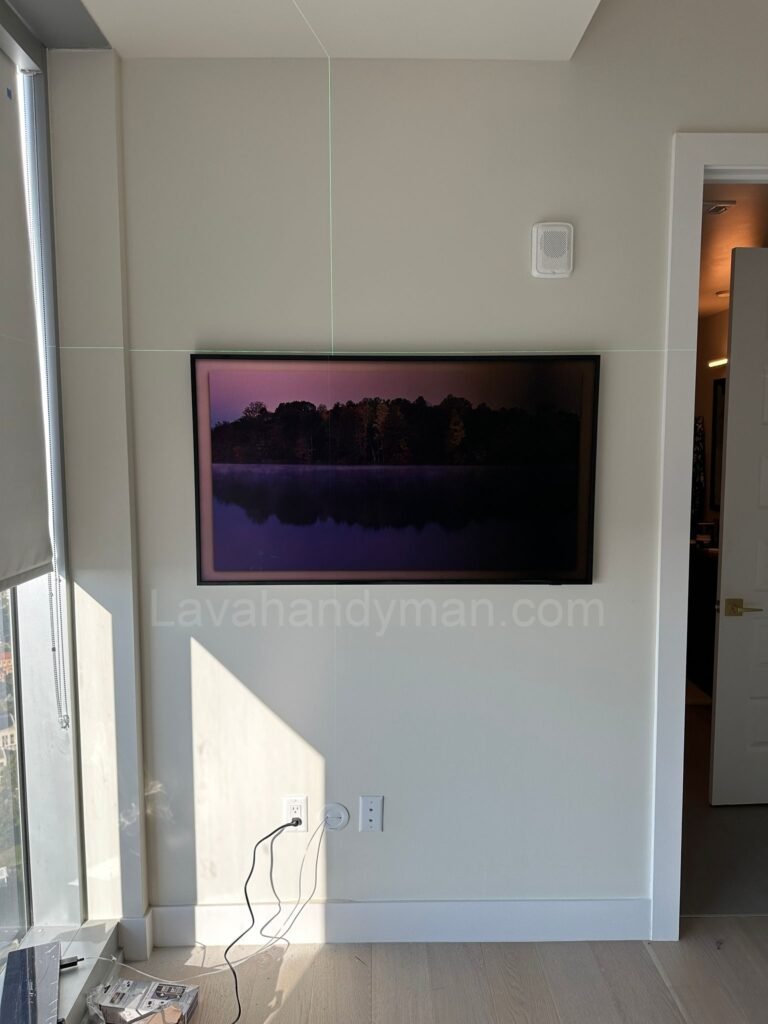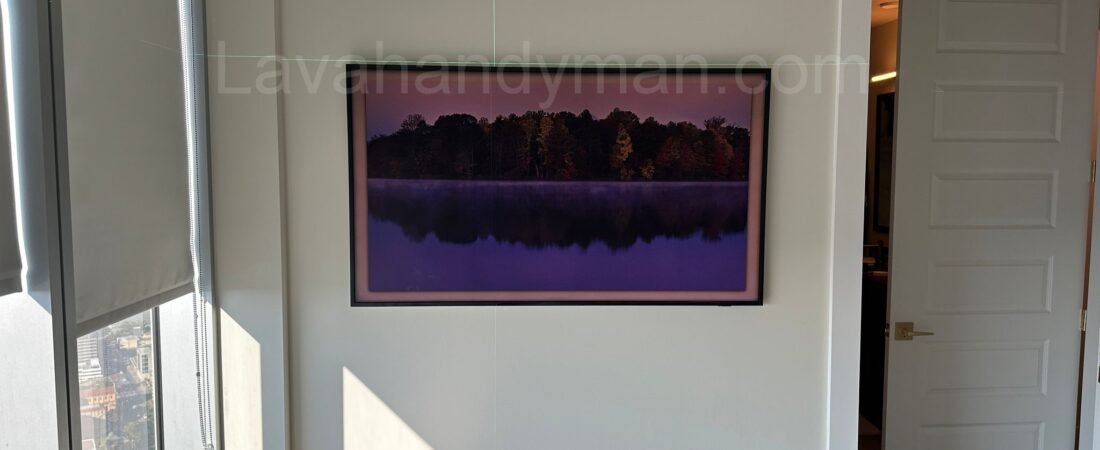
Image processing is a key field in digital technology that focuses on analyzing and optimizing digital images to improve visual quality. In today’s world, smart TVs equipped with advanced image processors deliver a premium viewing experience to users by enhancing clarity, color, and sharpness.
What Is Image Processing?
Image processing refers to a collection of techniques used to analyze, enhance, and transform digital images. This process includes filtering, edge detection, noise reduction, sharpening, and even image reconstruction. The primary goal is to extract meaningful information or to improve image quality for specific applications.
Main Stages of Image Processing
- Preprocessing: Prepares the image by reducing noise and adjusting brightness and contrast to optimize it for further analysis.
- Mid-Level Processing: Involves feature extraction, edge detection, and image segmentation.
- High-Level Processing: Analyzes the extracted features to achieve specific results like face or object recognition.
What Is Image Quality?
Image quality is a measure of how accurately and clearly an image represents details and structures. It can be evaluated in two ways:
- Subjective Assessment: Based on human perception—important in visual applications like photography and video.
- Objective Assessment: Uses mathematical metrics like PSNR, SSIM, and MSE to compare processed images to their originals.
Image Processing and Image Quality: The Role of Modern Technologies in Enhancing TV Viewing Experience
Factors Affecting Image Quality
Several elements play a role in determining image quality:
- Resolution: Higher resolution means more pixels and greater detail.
- Noise: Often introduced during capture or transmission, and must be minimized without losing valuable information.
- Contrast & Brightness: Proper calibration enhances clarity and viewer comfort.
- Compression: Lossy compression formats like JPEG can reduce quality significantly.
The Role of Image Processors in Smart TVs
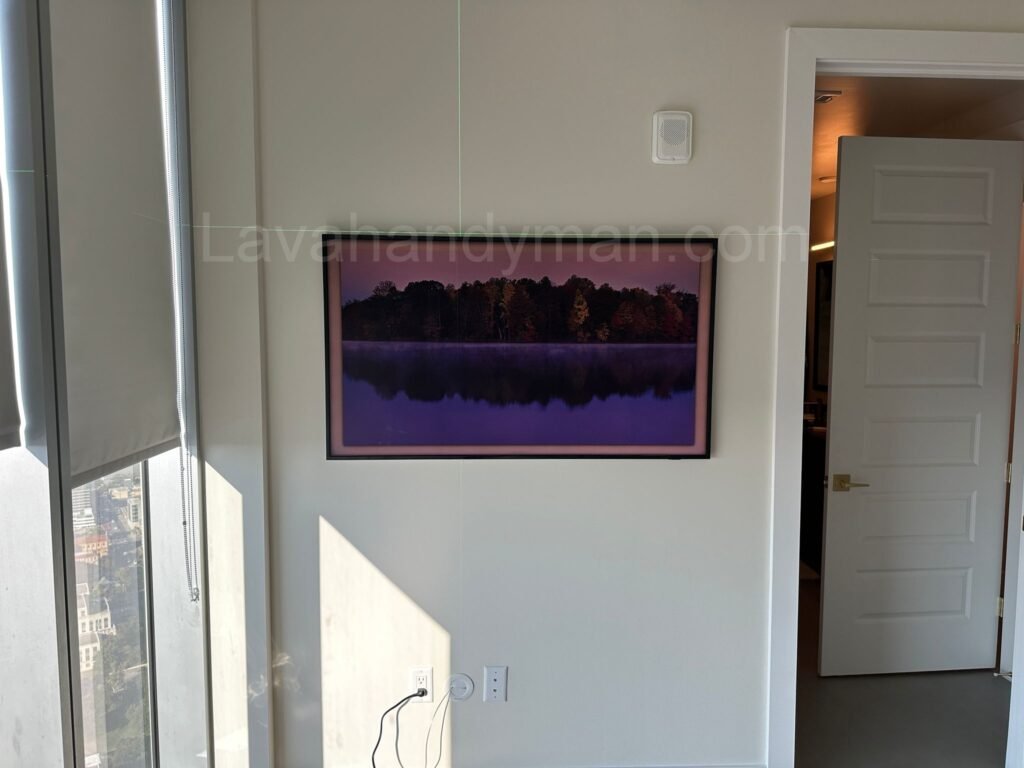
Image processors are crucial components in modern smart TVs. These processors analyze video data and apply real-time enhancements to improve image quality. Functions include dynamic color adjustment, detail enhancement, and motion smoothing.
According to insights from Lavahandyman.com, modern TV processors are designed to deliver immersive visuals by optimizing every frame using advanced AI-driven algorithms.
HDR Technology: Boosting Color and Contrast
HDR (High Dynamic Range) is a revolutionary display technology that expands the range of colors and brightness levels. It provides a more realistic and vivid viewing experience. In HDR-enabled TVs, image processing plays a key role in maximizing the impact of contrast and color, creating lifelike visuals even in dark or overly bright scenes.
Enhancing Image Quality Through Professional Calibration
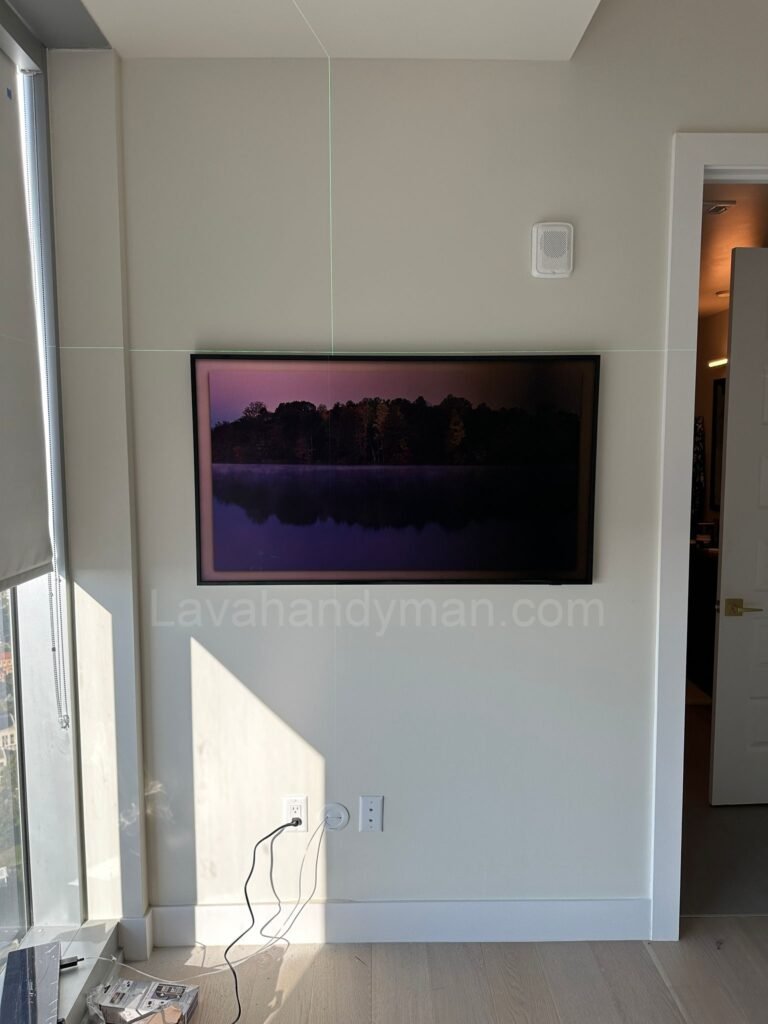
Professional TV calibration involves using specialized software and tools to fine-tune image settings. This process disables unnecessary artificial effects and adjusts brightness, color, and contrast to match the room’s lighting conditions—delivering a more natural and accurate picture.
Applications of Image Processing
Image processing is used across multiple industries:
- Medical Imaging: Analyzing MRI, CT scans, and X-rays for diagnostics.
- Security: Facial recognition, license plate detection, and surveillance systems.
- Industry & Agriculture: Automated quality control using smart cameras.
- AI & Machine Learning: Training computer vision models with image datasets.
Next-generation televisions, especially 4K and 8K models, require powerful image processors to display ultra-high-resolution visuals. These processors use advanced machine learning algorithms to reduce noise, optimize colors, and smooth out motion. Brands like LG, Samsung, and Sony incorporate proprietary processors such as the α9 or X1 to deliver enhanced viewing experiences.
Artificial Intelligence in Image Processing
The integration of artificial intelligence (AI) with image processing has enabled real-time image optimization with impressive precision. For instance, TVs equipped with AI Picture Pro can automatically detect the type of content being displayed and adjust the image settings accordingly. This ensures consistent image quality even during fast-moving scenes or low-light situations like sports or action films.
Real vs. Simulated Image Quality
Some televisions use upscaling techniques to simulate higher resolution from lower-quality sources. While this can improve visual perception, true image quality still depends on the original content resolution and the device’s processing power. Using high-quality HDMI cables and native 4K content also plays a crucial role in achieving optimal results.
The Role of Image Processing in Eye Comfort
Image quality isn’t just about aesthetics—proper image processing can also positively impact eye health. Excessive brightness, flickering visuals, and inconsistent color temperatures can lead to eye strain. TVs equipped with features like Flicker-Free technology and blue light control use smart image processing to create a more comfortable viewing experience for extended periods.
Image Processing for Gaming Performance
For gamers, image processing speed and response time are critical. TVs that support features like VRR (Variable Refresh Rate), ALLM (Auto Low Latency Mode), and Game Optimizer rely on advanced image processors to minimize input lag and render smooth, high-resolution graphics in real time. This ensures immersive and competitive gameplay without screen tearing or motion blur.
Conclusion
Image processing and image quality are tightly interwoven and critical in today’s digital landscape. From smartphones to smart TVs, optimizing and analyzing images is essential for enhancing user experience. With the rise of AI and deep learning, the future of image processing is set to become even more advanced, opening new doors in healthcare, automation, and media.
At LavaHandyman.com, we don’t just help you understand TV tech — we also offer expert TV installation services, making sure your home entertainment setup looks and performs at its best.
📞 Need Help?
Let us take care of the hard work while you sit back and relax.
📍 Serving: Austin, Round Rock, Cedar Park & more
📱 Call or Text: (737) 420-6992
🌐 Visit: https://lavahandyman.com