Sensors and Advanced Technologies in Smart TVs
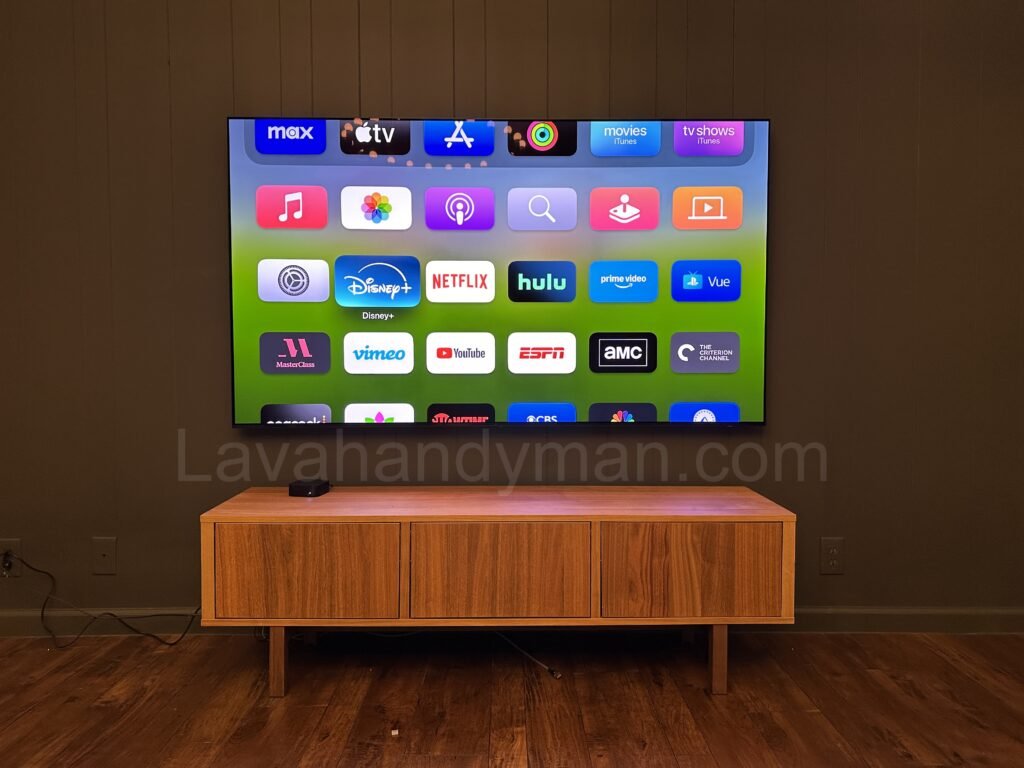
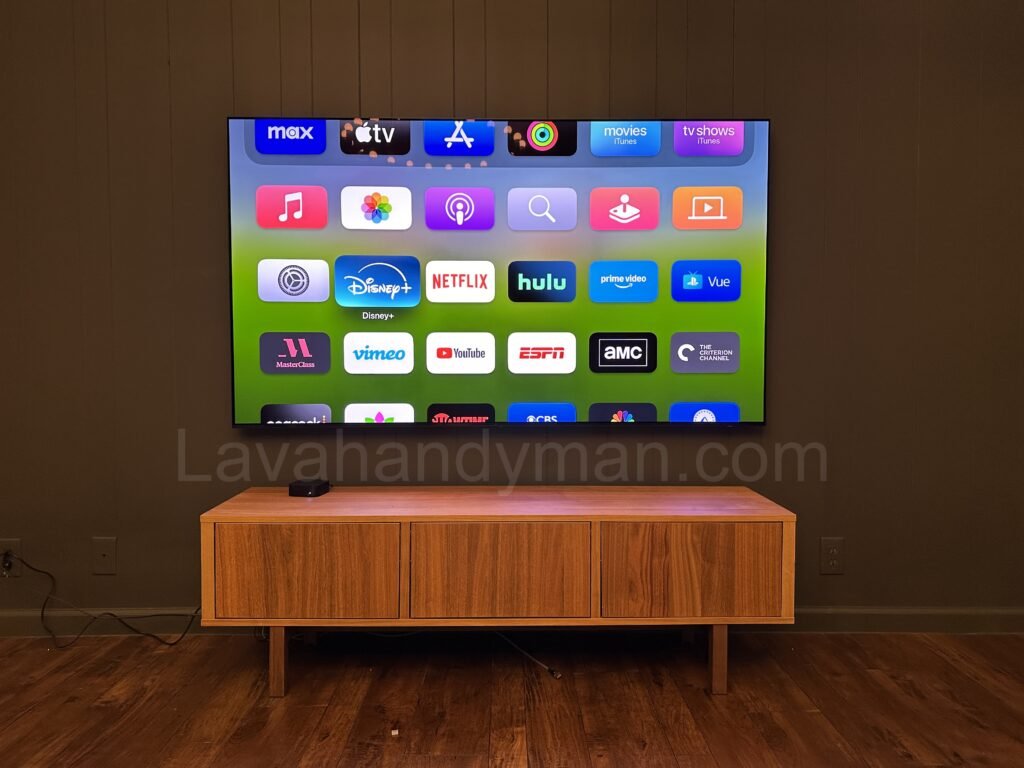
Modern televisions are rapidly evolving, and many of these advancements are due to sensors and advanced technologies that enhance our viewing experience. In this article, we will introduce some of the most important sensors and technologies in televisions and show how they improve your overall viewing experience. If you are looking for TV installation or repair services, you can visit Lavahandyman.com to benefit from specialized services.
1. Ambient Light Sensor
Advanced televisions often use the ambient light sensor, which can detect the light intensity in the environment and automatically adjust the screen’s brightness. This technology ensures that the television image remains clear and readable in various lighting conditions.
- Function: The ambient light sensor allows the TV to adjust its brightness according to the surrounding light.
- Benefits: Optimized viewing experience without the need for manual adjustments, especially in rooms with varying lighting.
Sensors and Advanced Technologies in Smart TVs
2. Motion Sensor
Motion sensors are particularly used in smart TVs and help you control the television through hand movements or gestures. This technology is common in next-generation and gaming-focused TVs.
- Function: With hand movements or gestures, you can control the TV, such as changing channels or adjusting volume.
- Benefits: Convenience in controlling the TV without the need for a remote control.
3. HDR (High Dynamic Range) Technology
One of the biggest advancements in TV image quality is HDR technology, which displays more image details and increases contrast in colors.
- Function: HDR enhances contrast and displays shadow and highlight details naturally.
- Benefits: More vibrant and realistic images, especially in 4K and 8K TVs.
Sensors and Advanced Technologies in Smart TVs
4. 4K and 8K Technology
4K and 8K televisions use advanced image processing and smaller pixels to deliver incredibly high-resolution images.
- Function: 4K and 8K TVs increase image resolution significantly, offering an exceptionally clear viewing experience.
- Benefits: More precise and detailed images, especially for high-quality content like movies and video games.
5. Dolby Atmos Technology
Dolby Atmos is an advanced audio technology that uses specialized speakers and sound sensors to create a three-dimensional and immersive sound experience.
- Function: It creates three-dimensional sound that surrounds you from all directions, providing a sense of depth and height in audio.
- Benefits: More immersive and realistic sound, particularly for watching movies, playing games, or enjoying audio content.
6. Game Mode Technology
Gaming-specific televisions have Game Mode technology that reduces input lag, making the gaming experience faster and smoother.
- Function: In Game Mode, the TV adjusts its settings to minimize input lag and increase response time.
- Benefits: A better, smoother gaming experience, especially for online and competitive games.
Sensors and Advanced Technologies in Smart TVs
7. AI (Artificial Intelligence) Technology
Artificial Intelligence (AI) in televisions automatically adjusts various settings to provide the best possible viewing experience.
- Function: AI helps the TV automatically optimize picture and sound quality based on the type of content being played.
- Benefits: Optimized viewing experience without the need for manual adjustments.
8. Voice Recognition
Many smart TVs come with voice recognition technology, allowing you to control the TV with voice commands.
- Function: Voice commands such as turning the TV on and off, changing channels, or asking for information can be given to the TV.
- Benefits: Easy control of the TV without the need for a remote control or physical buttons.
Sensors and Advanced Technologies in Smart TVs
🔦 1. Ambient Light Sensor
Function: This sensor measures the brightness of the environment and automatically adjusts the screen’s brightness accordingly.
Benefits:
- Reduces eye strain during prolonged viewing
- Saves energy
- Optimizes picture quality in both bright and dark settings
Advanced Feature: Some models include “Adaptive Brightness” or “Eco Sensor” for more precise performance.
🧍♂️ 2. Motion Detection Sensor
How it works: Detects user movement around the TV, enabling gesture-based interaction without the need for a remote.
Advanced Applications:
- Automatically pauses playback when the user leaves the room
- Turns on the TV when it detects someone entering
- Allows control of apps or games with body movements (featured in some Samsung Smart TVs with Motion Control)
🗣 3. Voice Sensor & Voice Command
Most smart TVs come with a built-in microphone or voice-enabled remote. These work in combination with AI assistants like Google Assistant, Amazon Alexa, or Bixby.
Features:
- Natural voice search for movies or series
- Adjusting volume, channels, or power with your voice
- Integrating with other smart devices in the home
Brands like LG (ThinQ), Samsung (Bixby), and Sony (Google Assistant) lead in this space.
📷 4. Smart Camera & Facial Recognition
Uses:
- Face recognition to sign into user profiles
- Video calls via apps like Skype or Zoom
- Motion-based control using computer vision
🔒 Security Tip: Most TVs offer privacy settings or physical camera shutters for added protection.
🧠 5. Artificial Intelligence (AI) for Picture & Sound
AI acts as the brain of modern smart TVs, analyzing data in real time to improve user experience.
AI Capabilities:
- AI Picture Pro: Automatically optimizes contrast, color, and sharpness based on displayed content
- AI Sound: Adjusts voice clarity, sound effects, and background music based on content and environment
- Personalized content recommendations based on user behavior
🌐 6. Internet of Things (IoT) Integration
Smart TVs can serve as a central hub in smart home ecosystems by connecting to:
- Smart lighting
- Thermostats
- Security cameras
- Robotic vacuums
Apps like SmartThings, Google Home, or Apple HomeKit allow full integration and control.
🖼 7. Advanced Display Technologies
OLED (Organic LED):
- Self-lit pixels for perfect blacks and high contrast
- Superior viewing angles
- Great for dark rooms
QLED (Quantum Dot LED):
- Brighter colors and higher peak brightness
- Ideal for well-lit environments
- Durable and energy-efficient
Neo QLED & Mini-LED:
- Latest generation with improved local dimming
- Enhanced picture accuracy with smaller LEDs
- Combined with AI for ultra-detailed visuals
🌡 8. Internal Temperature Sensors
Premium TVs are equipped with temperature sensors to:
Activate cooling fans or throttle performance if needed
Prevent overheating of internal components
Extend device lifespan
Conclusion
Sensors and advanced technologies have significantly enhanced the television viewing experience. From HDR and 4K technology to ambient light and motion sensors, these features allow TVs to adapt to various environmental conditions and offer better performance. If you need installation, repair, or setup services for your TV, you can benefit from the expert services at Lavahandyman.com. This site provides you with the best quality assistance in installing and repairing your TV.
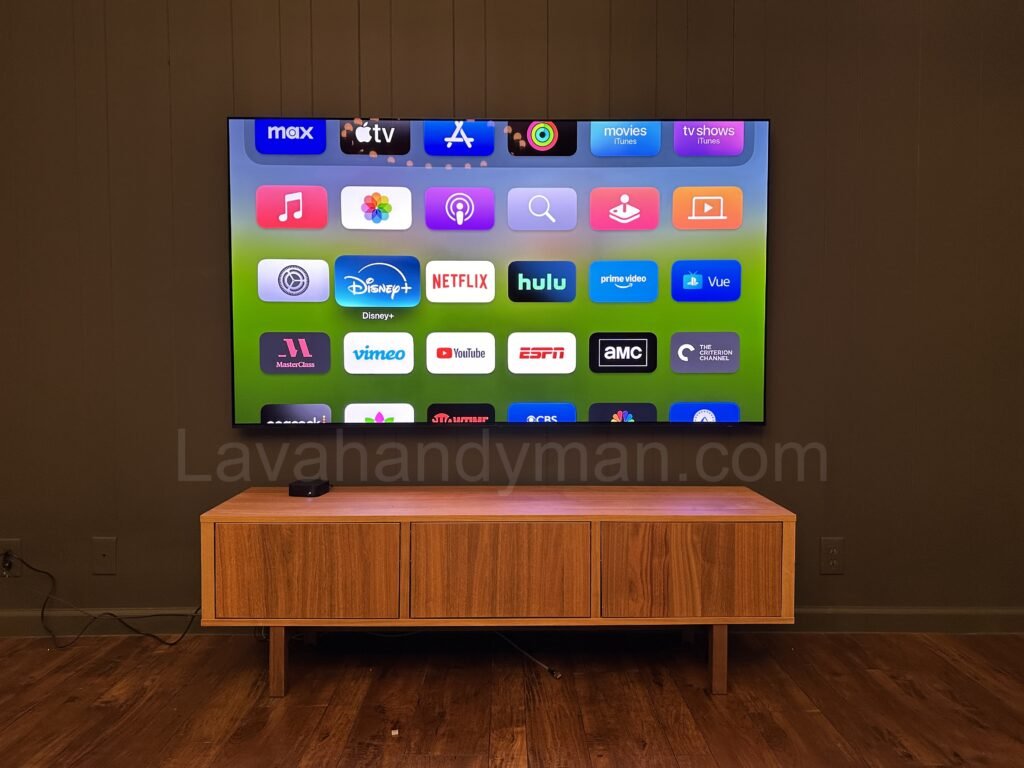
At LavaHandyman.com, we don’t just help you understand TV tech — we also offer expert TV installation services, making sure your home entertainment setup looks and performs at its best.
📞 Need Help?
Let us take care of the hard work while you sit back and relax.
📍 Serving: Austin, Round Rock, Cedar Park & more
📱 Call or Text: (737) 420-6992
🌐 Visit: https://lavahandyman.com